Textile Cooperative San Juan La Laguna
Discover the vibrant world of Mayan weaving at San Juan La Laguna's textile cooperatives, where tradition meets empowerment.
Highlights
Must-see attractions

Social
From TikTok & Reddit
Best Time
Demonstrations often on demand
Textile Cooperative San Juan La Laguna
Best Time
Demonstrations often on demand
Highlights
Must-see attractions
Discover the vibrant world of Mayan weaving at San Juan La Laguna's textile cooperatives, where tradition meets empowerment.
"A beautiful store with an even more beautiful history of women continuing their ancestral craft."

🤝 Connect with Artisans
Engage with the women; learning their stories enriches the experience. Try saying 'coli' (hello) in Tzutujil!
🛍️ Buy Directly
Purchase beautiful, reasonably priced textiles. Your support empowers local women and preserves craft.
Highlights
Discover the most iconic attractions and experiences
Weaving Demonstrations
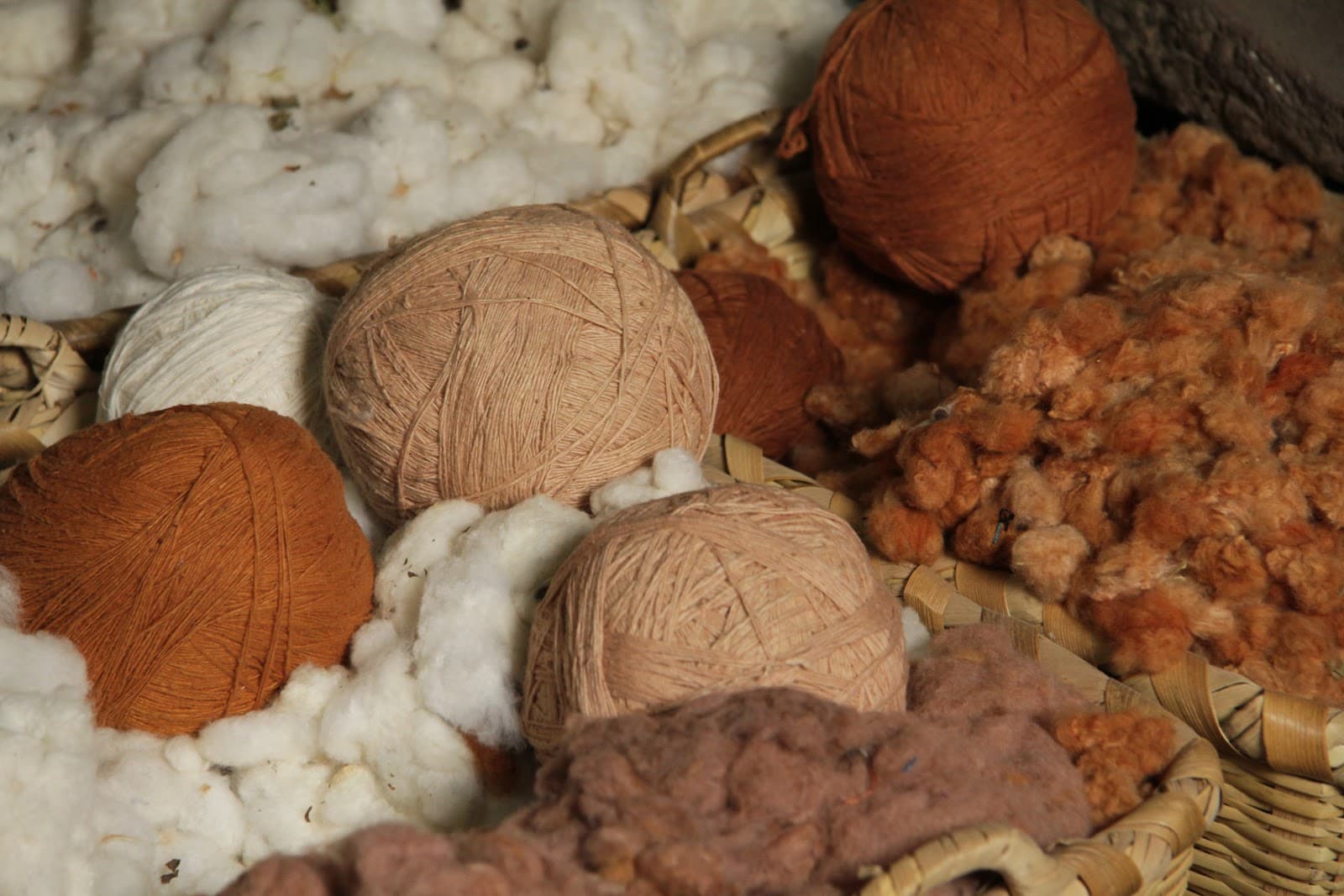
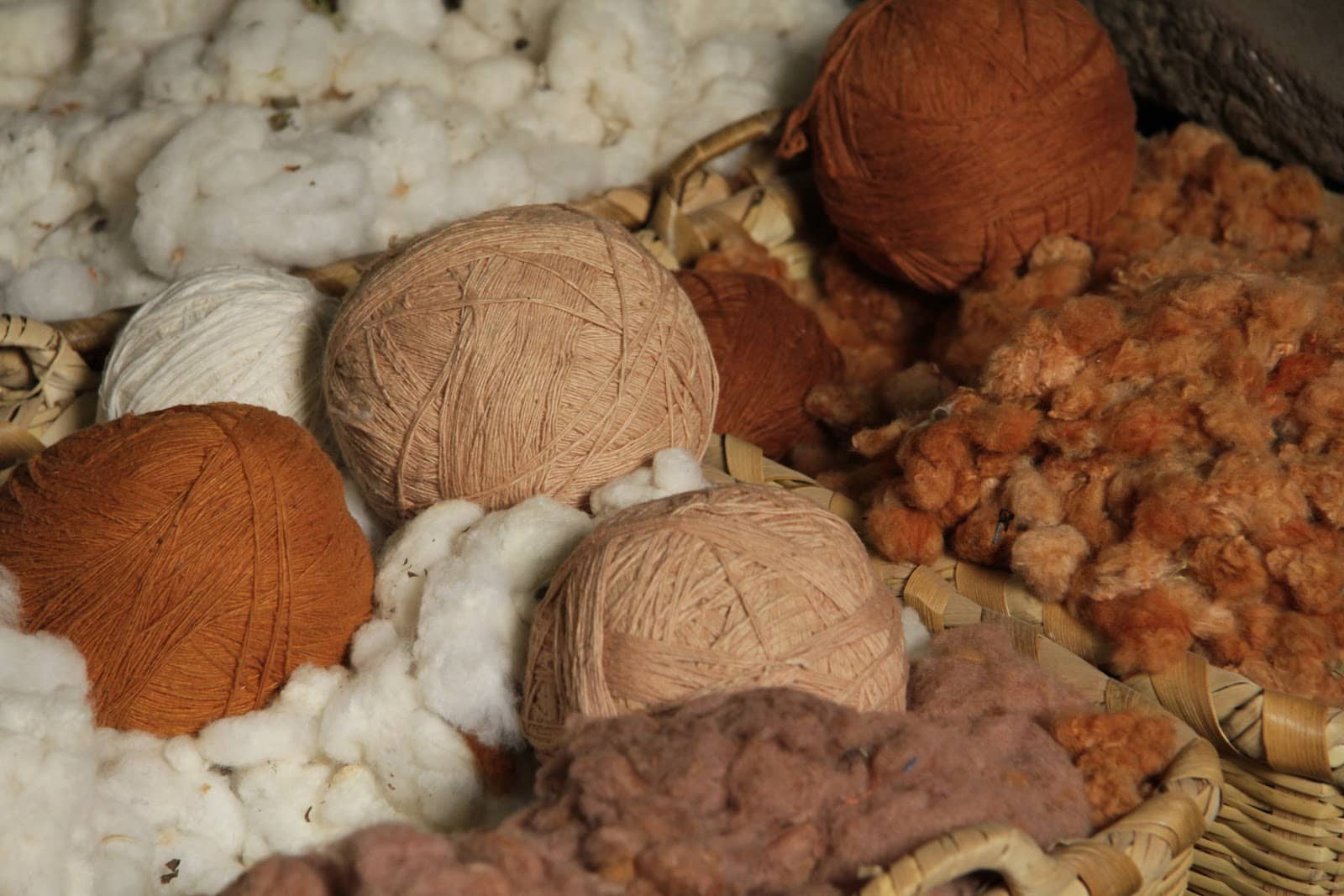
Witness the magic of traditional Mayan weaving, from raw cotton to finished textiles. Hands-on practice opportunities available!
Natural Dye Gardens
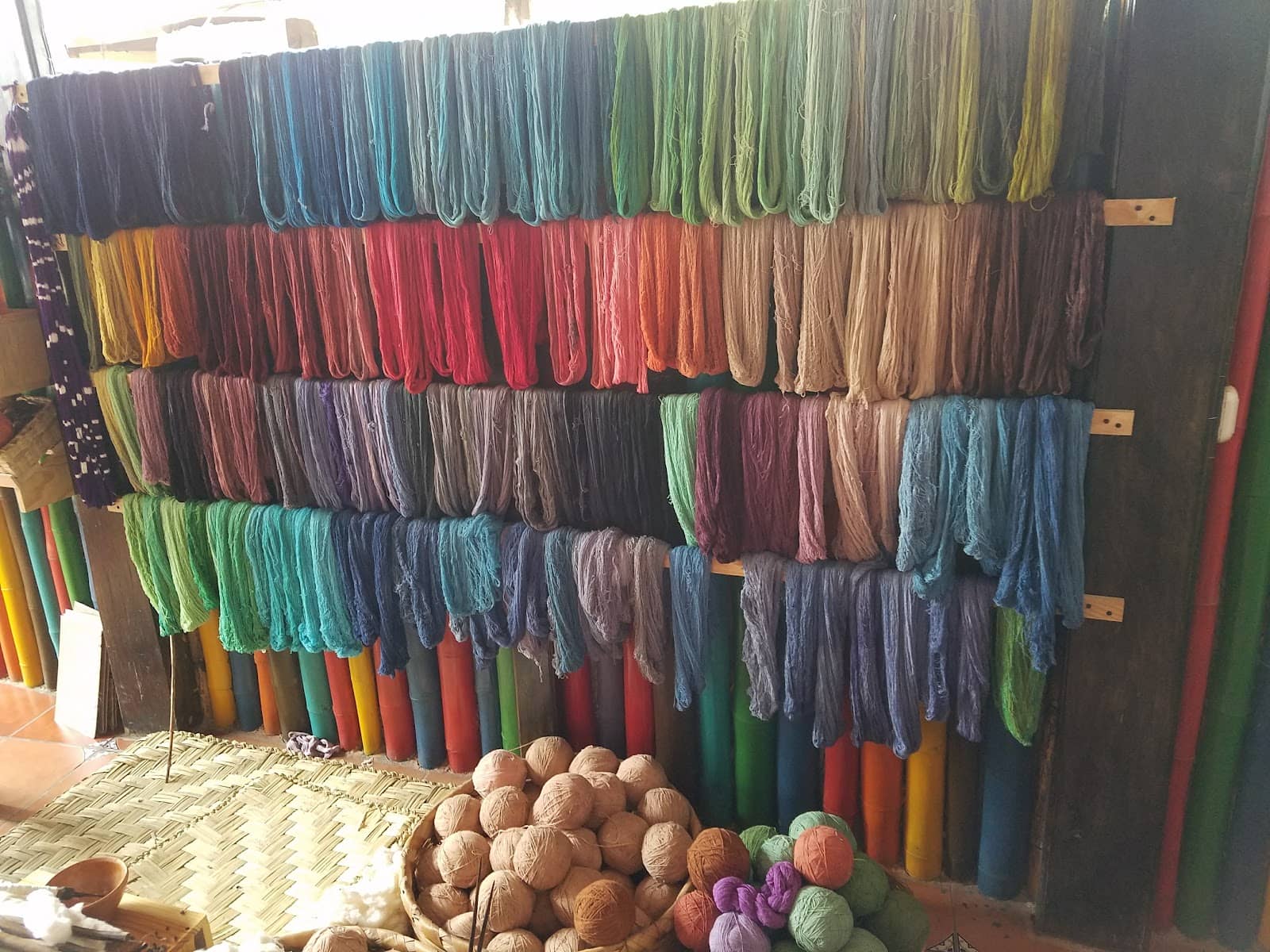
Explore vibrant gardens showcasing the natural dyes used in creating stunning, eco-friendly textiles.
Artisan-Made Textiles
Discover a beautiful array of handwoven garments and products, each with a unique story and traceable artisan.
Plans like a pro.
Thinks like you
Planning Your Visit
Embrace the Craftsmanship
Support Local Artisans
Best Times
Insider Tips
from TikTok, Instagram & Reddit
🤝 Connect with Artisans
Engage with the women; learning their stories enriches the experience. Try saying 'coli' (hello) in Tzutujil!
🛍️ Buy Directly
Purchase beautiful, reasonably priced textiles. Your support empowers local women and preserves craft.
🌿 Explore the Gardens
Discover the source of vibrant colors in their amazing gardens. Many cooperatives feature these!
🚶♀️ Easy to Find
Just a short walk from the main dock, past initial shops. Don't miss this gem!
Tips
from all over the internet
🤝 Connect with Artisans
Engage with the women; learning their stories enriches the experience. Try saying 'coli' (hello) in Tzutujil!
🛍️ Buy Directly
Purchase beautiful, reasonably priced textiles. Your support empowers local women and preserves craft.
🌿 Explore the Gardens
Discover the source of vibrant colors in their amazing gardens. Many cooperatives feature these!
🚶♀️ Easy to Find
Just a short walk from the main dock, past initial shops. Don't miss this gem!
💬 Learn the Process
Watch demonstrations and even try your hand at spinning or weaving.
What Travellers Say
Reviews Summary
Visitors consistently praise the textile cooperatives for their authentic cultural experience, the empowering stories of the local women artisans, and the beautiful, high-quality handmade products. The demonstrations and natural dye gardens are frequently highlighted as memorable aspects of the visit. While the experience is overwhelmingly positive, some may find the walk from the dock slightly longer than anticipated, though most agree it's well worth the effort.
"The drinks are local-fair priced, even though they include a free tour, a amzing garden with different decks. Amazingly nice crew, super recomended. Such a nice lovely and chill place."
chang q
"Really good experience and amazing explanation. Thank you. They have real quality here. Must visit"
Ellen
"I really enjoyed talking to the ladies working here, learning more about the weaving art and its history and how this cooperative helped empowered the local women. Must visit for the demonstration (which is made on demand) and you have to bring home some of these beautifully made garment and products. All the products are clearly labelled and traced back to the women who made them."
saiful salihudin
What People Like
What People Dislike
Frequently Asked Questions
🚇 🗺️ Getting There
San Juan La Laguna is easily accessible by boat (lancha) from Panajachel. Once you arrive at the main dock in San Juan, the cooperatives are typically a short walk away, often located just past the initial cluster of shops.
Yes, the town is quite walkable. Most cooperatives are centrally located and well-signed. Wear comfortable shoes as you might do some exploring on foot.
Most cooperatives are within walking distance of each other. If you're visiting multiple, simply enjoy a leisurely stroll through the town.
Generally, no. The town is small and pedestrian-friendly. Taxis might be available but are usually not necessary for visiting the main cooperatives.
Absolutely! Boats (lanchas) regularly travel between Panajachel, San Pedro La Laguna, San Marcos La Laguna, and San Juan La Laguna, making it easy to hop between villages.
🎫 🎫 Tickets & Entry
Most textile cooperatives in San Juan La Laguna do not require an entrance fee. They often offer free tours or demonstrations as part of their visitor experience.
Operating hours can vary, but generally, cooperatives are open during daylight hours, often from morning to late afternoon. It's always a good idea to check if specific hours are posted or inquire locally.
Weaving demonstrations are typically included with your visit or are offered on demand. While not mandatory, a small tip or purchasing a product is greatly appreciated by the artisans.
While not always advertised, you can often arrange for a more in-depth demonstration by speaking with the cooperative members upon arrival.
Most cooperatives accept cash (Guatemalan Quetzales). Some may accept US dollars, but it's best to have local currency. Credit card facilities are rare.
🎫 🧵 Onsite Experience
You'll witness traditional Mayan weaving demonstrations, learn about natural dyeing processes using plants from their gardens, and have the opportunity to purchase beautiful, handmade textiles directly from the artisans.
Yes, many cooperatives offer opportunities to try your hand at spinning thread or even simple weaving techniques. It's a great way to appreciate the skill involved.
A visit can range from 30 minutes to a couple of hours, depending on your interest in the demonstrations, the garden tour, and browsing the shop.
Generally, photography is allowed, but it's always polite to ask the artisans before taking close-up shots, especially during demonstrations.
Expect a welcoming and strong feminine energy. The atmosphere is often described as peaceful, educational, and empowering, with a focus on preserving ancestral crafts.
🎫 🛍️ Shopping & Souvenirs
You can find a wide range of beautiful, handmade items including scarves, blankets, bags, clothing, wall hangings, and small decorative pieces, all crafted using traditional Mayan techniques.
Yes, prices are considered very reasonable, especially given the intricate handwork and natural materials used. Many visitors feel they are getting excellent value.
Bargaining is generally not expected or practiced at these cooperatives, as the prices reflect the fair value of the artisans' labor and materials.
Many cooperatives emphasize ethical production, with products clearly labeled to trace back to the specific woman who made them, ensuring fair compensation.
They are made using traditional Mayan techniques, natural dyes, and often hand-spun cotton, resulting in unique, high-quality items that carry cultural significance.
🎫 💬 Community & Culture
By providing a platform for women to sell their crafts, these cooperatives offer economic independence, preserve cultural traditions, and foster a strong sense of community and shared heritage.
Mayan weaving is a centuries-old tradition, deeply intertwined with cultural identity, storytelling, and spiritual beliefs. Each pattern and color can hold specific meanings.
Yes, you might have opportunities to interact with artisans who speak Mayan languages like Tzutujil. Learning a few basic phrases can be a rewarding experience.
Many cooperatives were formed to revive and sustain traditional weaving practices, providing economic opportunities for women and ensuring the continuation of their ancestral craft.
By supporting local artisans directly and learning about traditional, eco-friendly practices like natural dyeing, visitors contribute to a more responsible and culturally sensitive form of tourism.
For Different Travelers
Tailored advice for your travel style
👨👩👧 Families with Kids

Look for cooperatives with gardens, as these can be exciting for younger visitors to explore and learn about the natural sources of dyes. The walk from the dock is usually manageable, and the overall atmosphere is welcoming. Remember to bring cash for any purchases, as it's a great way for kids to learn about supporting local artisans.
🛍️ Budget Travelers
Many cooperatives offer free demonstrations, so you can experience the culture and learn about the craft without spending a lot. Focus on purchasing smaller items like scarves or bags if you're on a tight budget, or consider pooling resources with travel companions for larger pieces.
🎨 Art & Culture Enthusiasts
The opportunity to interact directly with the artisans and hear their stories adds an invaluable layer to the experience. Pay close attention to the natural dyeing processes and the unique patterns that distinguish different communities or families. Consider purchasing a piece that resonates with you, not just as a souvenir, but as a tangible connection to a rich and living cultural heritage.
Deep Dives
In-depth insights and expert knowledge
The Art of Mayan Weaving
Once the thread is ready, the magic truly begins on the backstrap loom. This portable and ingenious tool allows weavers to create intricate patterns and designs. The tension is controlled by the weaver's own body, making the process physically engaging. Colors are derived from natural sources – plants, insects, and minerals – which are then transformed into vibrant dyes. Exploring the cooperative's gardens often reveals the source of these beautiful, eco-friendly hues.
Each textile tells a story, with patterns and symbols that can represent elements of nature, spiritual beliefs, or community history. Visiting a cooperative offers a unique opportunity to witness this living tradition firsthand, understand the dedication involved, and appreciate the cultural significance woven into every piece.
Empowerment Through Craft
This economic empowerment extends beyond income. It fosters a sense of agency, community, and pride in their cultural heritage. The cooperatives often serve as spaces for knowledge sharing, skill development, and mutual support, strengthening the social fabric of the community. Visitors who purchase items are not just buying a souvenir; they are directly contributing to the livelihoods and well-being of these talented artisans and their families.
The emphasis on traceable products, where each item is linked to the artisan who made it, adds another layer of transparency and personal connection. This system ensures that the women are recognized for their labor and can build a reputation for their unique skills, further enhancing their sense of value and contribution.
Sustainable Practices and Natural Dyes
These natural dyes not only produce beautiful, unique colors but are also environmentally friendly, minimizing pollution and preserving the delicate ecosystem around Lake Atitlán. Many cooperatives maintain gardens where they cultivate these dye-producing plants, offering visitors a fascinating glimpse into the source of their vibrant textiles.
This dedication to natural materials and traditional methods is a testament to the cooperatives' respect for both their cultural heritage and the environment. It aligns with a growing global appreciation for slow fashion and ethically produced goods, making a visit to these cooperatives a meaningful experience for conscious travelers.
Social
from TikTok, Instagram & Reddit