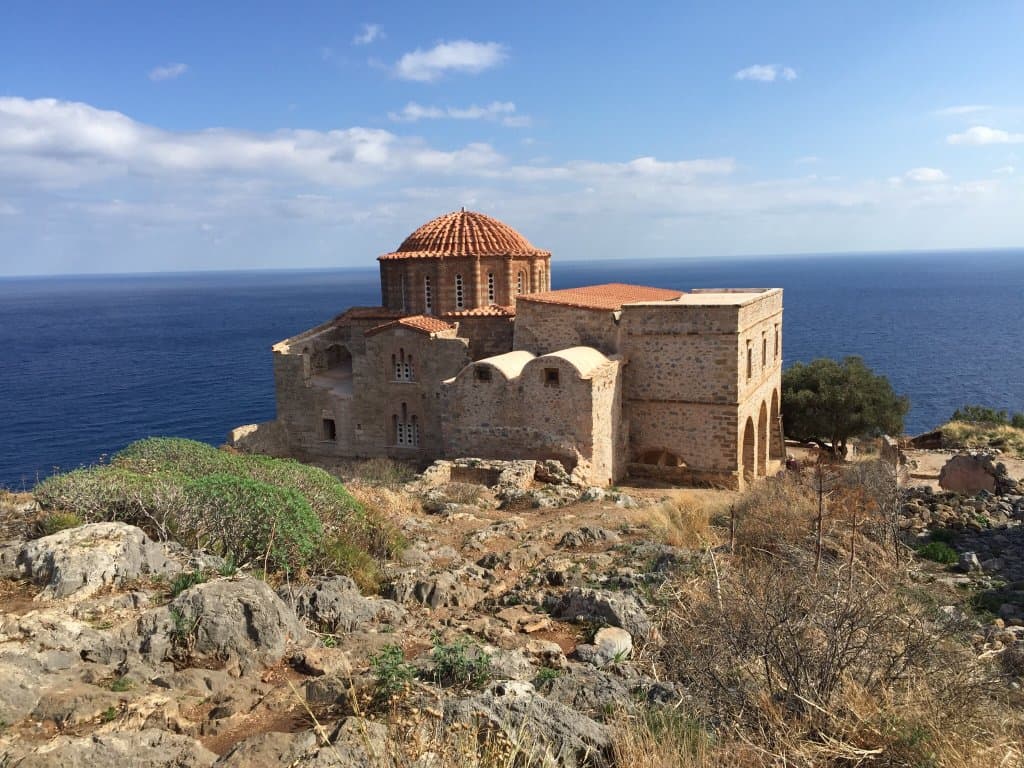
Agia Sofia Church Monemvasia
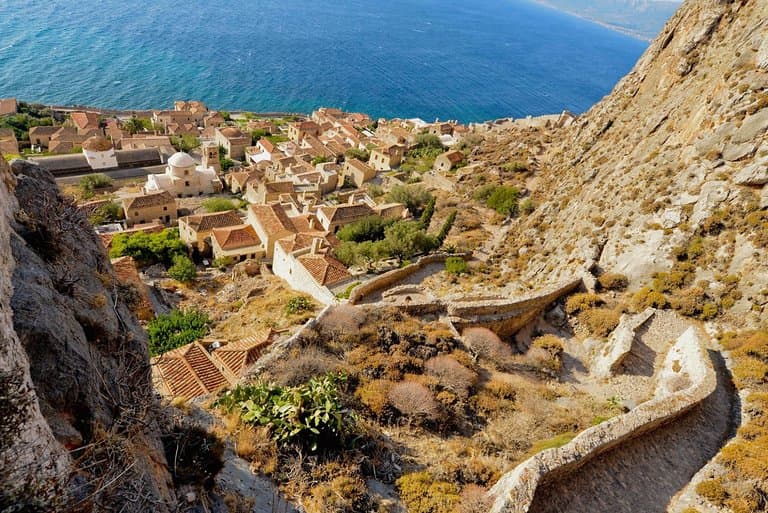
An 11th-century Byzantine church atop Monemvasia's acropolis, offering stunning sea views and a glimpse into medieval history.
Highlights
Must-see attractions

Social
From TikTok & Reddit
Best Time
Beat the heat and crowds
Agia Sofia Church Monemvasia
Best Time
Beat the heat and crowds
Highlights
Must-see attractions
An 11th-century Byzantine church atop Monemvasia's acropolis, offering stunning sea views and a glimpse into medieval history.
"The vistas and beauty on top of the acropolis are truly breathtaking!"
Wear Comfortable Shoes
Sturdy footwear is essential for the hike up to the church and exploring the ruins. :athletic_shoe:
Bring Water
Stay hydrated during your climb, especially during warmer months. :droplet:
Highlights
Discover the most iconic attractions and experiences
Breathtaking Acropolis Views
Top of the Monemvasia Acropolis
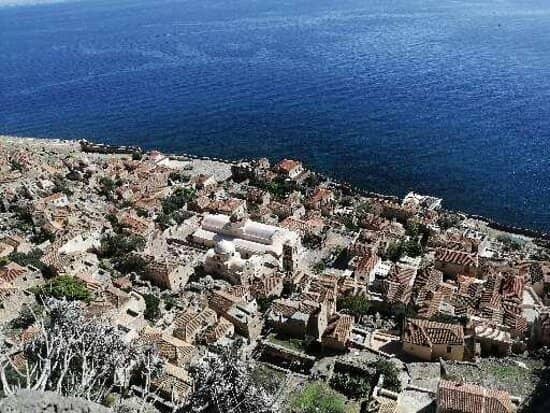
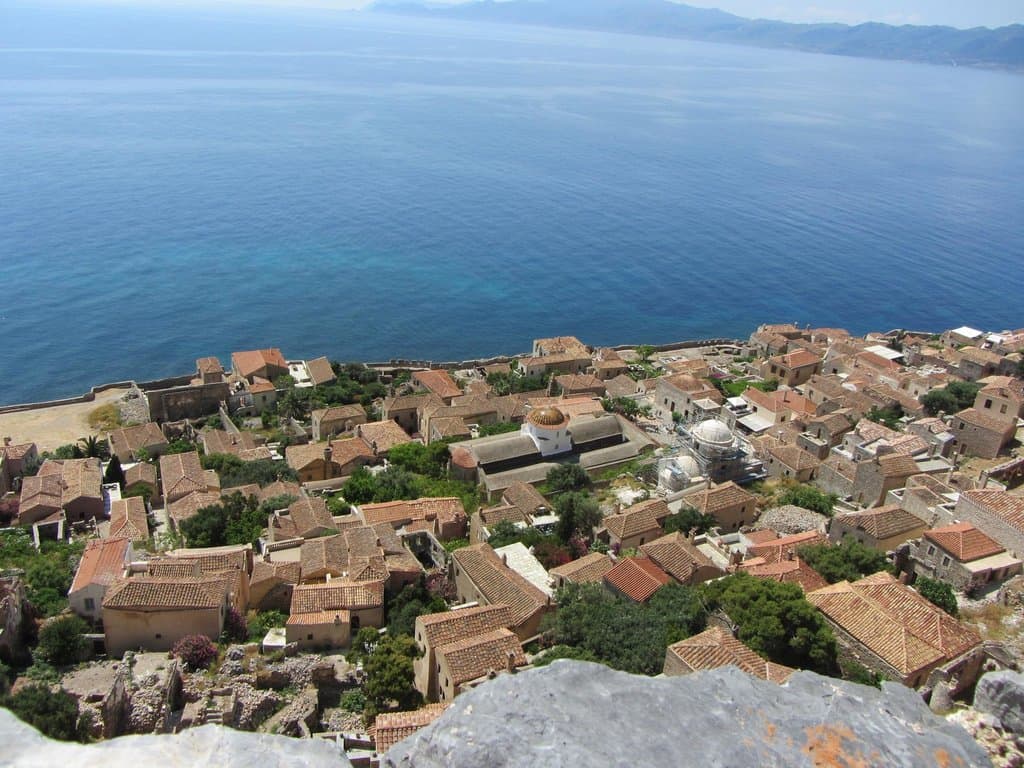
Panoramic vistas of the Aegean Sea and the lower town from this ancient citadel.

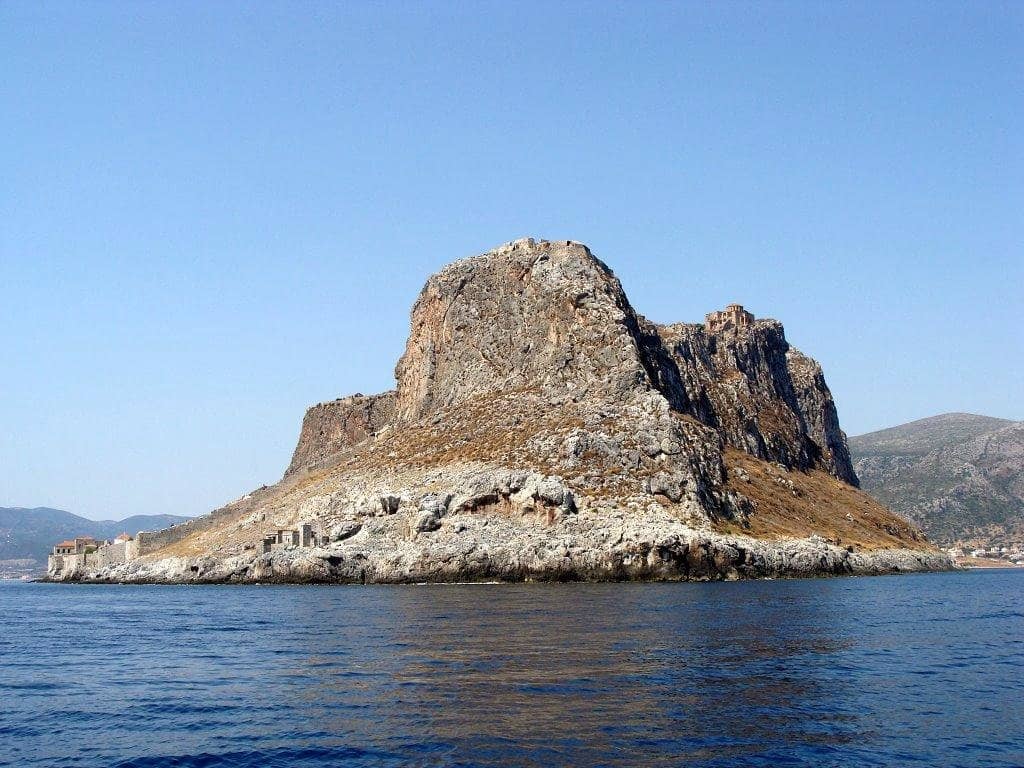
Byzantine Architecture
Agia Sofia Church
Explore the 12th-century Byzantine church, a testament to medieval architectural prowess.
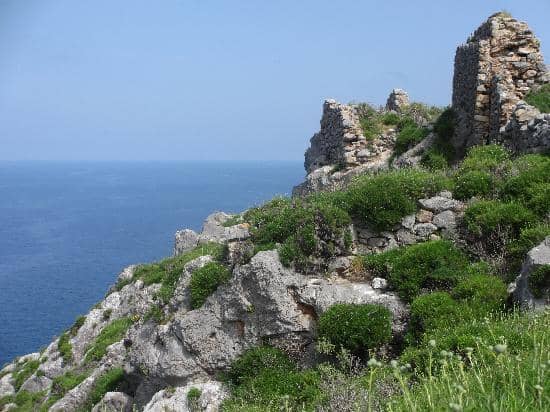
Ruins of the Upper Town
Monemvasia Acropolis
Wander through the mostly ruined upper town, imagining its past as an impregnable medieval fortress.
Plans like a pro.
Thinks like you
Planning Your Visit
The Climb is Worth It
Timing Your Visit
Best Times
Insider Tips
from TikTok, Instagram & Reddit
Wear Comfortable Shoes
Sturdy footwear is essential for the hike up to the church and exploring the ruins. :athletic_shoe:
Bring Water
Stay hydrated during your climb, especially during warmer months. :droplet:
Explore Beyond the Church
Venture past the church to discover more ruins and stunning viewpoints. :compass:
Imagine the Past
Envision the fortified city to fully appreciate the historical significance of the ruins. :brain:
Tips
from all over the internet
Wear Comfortable Shoes
Sturdy footwear is essential for the hike up to the church and exploring the ruins. :athletic_shoe:
Bring Water
Stay hydrated during your climb, especially during warmer months. :droplet:
Explore Beyond the Church
Venture past the church to discover more ruins and stunning viewpoints. :compass:
Imagine the Past
Envision the fortified city to fully appreciate the historical significance of the ruins. :brain:
What Travellers Say
Reviews Summary
Visitors consistently praise the breathtaking panoramic views from Agia Sofia Church and the surrounding acropolis, calling it a must-see. The historical significance and Byzantine architecture are also highly appreciated. However, some find the climb demanding and note that the church's opening hours can be inconveniently limited to the hottest part of the day. +1
"Would be great if it was opened a little earlier in the day. It hardly makes sense to trek up the mountain in the heat of the day - the only time it is open. It’s beautiful from the outside though."
Thomas Meyer
"We arrived at Hagia Sophia on a windy day with strong gusts, nevertheless, it’s worth the hardship 🤣 After admiring the interior and exterior, go beyond the church premise and surrounding as there is much more to relish following the shrubbery and overgrown passes that further lead to the walls and citadels. The vistas and beauty on top of the acropolis are truly breathtaking!"
Lingmei Lin
"Wonderful monument, magnificent view. The ascent may be somewhat demanding, but both the site and the scenery are very well worth the effort for those with love for antiquities and with adventurous nature.
If you prefer easy routes, the lower town in itself has so much to offer that you may just as well stay there and enjoy a refreshment or go shopping.
The upper town, though mostly in ruins today, was among the most impregnable 'and thus safe- fortifications of the Middle Ages. Its natural defenses are insurmountable and obvious. The human touch is also decisive.
Walls and ramparts were built all along the top of the rock, ensuring that the defenders would retain the advantage even if some incredibly skilled hikers made it up to the top from some unexpected route.
Cisterns -along with a water collection network- were built in abundance and were maintained attentively, ensuring an ample supply of water.
The city never fell by attack. An almost four year long siege forced the city to surrender in the 1250's to the crusader state of the principality of Achaea, and even in this case, under quite favorable terms.
Even this mild subjugation lasted for less than a decade, as the city was given back to the Byzantines for the release of the captured Latin nobility after their disastrous defeat in the battle of Pelagonia in 1259.
So, while walking along the shrubbery-strewn ruins, allow yourself to envisage the city as it was. If you can not reconstruct the walls with your mind's eye, you'll be missing much of what this magnificent place has to offer... but even then, you still have the view to enjoy, which is well worth the effort in itself."
George Syros
What People Like
What People Dislike
Frequently Asked Questions
🚇 🗺️ Getting There
Agia Sofia Church is located in the upper town of Monemvasia. You'll need to park in the lower town and walk up through the ancient citadel. The path is steep and involves many steps, so wear comfortable shoes.
Parking is available in the mainland area before crossing the causeway to Monemvasia. You cannot drive into the medieval town itself.
No, you cannot drive directly to Agia Sofia Church. It is located within the pedestrian-only medieval town of Monemvasia, requiring a walk up to the acropolis.
The most common way is to walk from the lower town through the main gate and follow the winding paths upwards. It's a significant climb but offers incredible views.
The hike is considered moderate to demanding due to the steepness and numerous stone steps. It's best suited for those with a reasonable level of fitness.
🎫 🎫 Tickets & Entry
Entry to Agia Sofia Church and the upper town of Monemvasia is generally free.
The church is typically open during the hotter parts of the day. It's advisable to check locally for the most up-to-date hours, as they can vary.
Due to its location on the acropolis and the steep, uneven terrain, it may not be fully accessible for individuals with mobility issues.
Agia Sofia Church in Monemvasia dates back to the 12th century, making it a significant example of Byzantine architecture.
It was the main church of the upper town and a symbol of Byzantine power. The acropolis itself was a formidable medieval fortress.
📸 📸 Photography
The views from the church's location on the acropolis are spectacular. Capture the panoramic vistas of the sea and the lower town.
Drone usage regulations can vary. It's best to check local rules before flying a drone in the area.
Early morning or late afternoon offers beautiful light for photography, with the golden hour providing a magical glow.
Try framing the church with the sea in the background or capturing its silhouette against the sky during sunrise or sunset.
A camera with good low-light capabilities and a wide-angle lens would be ideal for capturing both the church's architecture and the expansive views.
For Different Travelers
Tailored advice for your travel style
👨👩👧 Families with Kids
The expansive views from the top can be captivating for older children, offering a sense of adventure and discovery. 🚶♀️ History Enthusiasts
📸 Photographers
Capture the church against the backdrop of the Aegean Sea, or focus on the intricate details of the ancient stonework. The panoramic views from the acropolis are particularly stunning during the golden hours of sunrise and sunset. +1 Remember to bring a wide-angle lens to encompass the vastness of the scenery and a sturdy tripod for low-light shots. Deep Dives
In-depth insights and expert knowledge
The Ascent to Agia Sofia
It's crucial to wear appropriate footwear, such as sturdy hiking shoes or trainers, as the stone surfaces can be uneven and slippery. Bringing ample water is also highly recommended, especially during the warmer months, as there are limited facilities on the way up. The effort invested in the climb is consistently praised by visitors, who emphasize that the panoramic vistas are well worth the exertion.
While the climb is a highlight, some visitors note that the church is only open during the hottest part of the day. If you prefer to avoid the midday sun, an early morning visit might be ideal, though it's important to verify opening times as they can fluctuate.
Historical Significance and Architecture
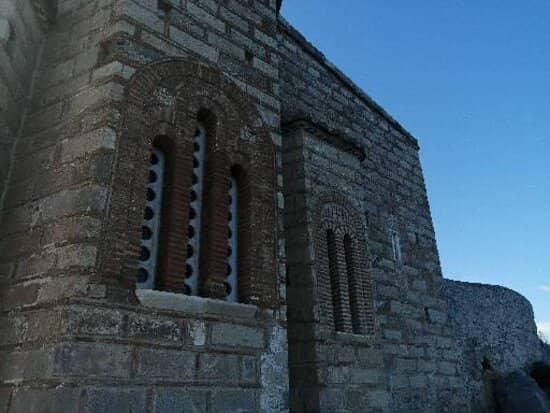
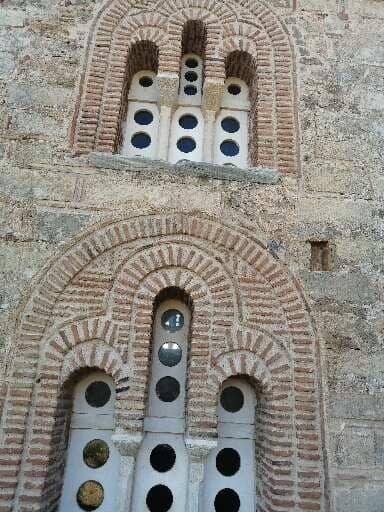
Its construction dates back to the 12th century, making it a significant example of Byzantine architecture and a testament to the region's rich history. The acropolis itself was designed with incredible natural defenses, augmented by extensive walls and ramparts. This strategic location ensured that defenders held a significant advantage. The city's resilience is highlighted by the fact that it rarely fell to direct attack; its surrenders were often due to prolonged sieges or political maneuvering.
While the church itself is a marvel, the surrounding ruins of the upper town offer a glimpse into medieval life. The presence of numerous cisterns and a sophisticated water collection network underscores the ingenuity of its inhabitants in ensuring a consistent water supply, crucial for survival during sieges.

Social
from TikTok, Instagram & Reddit