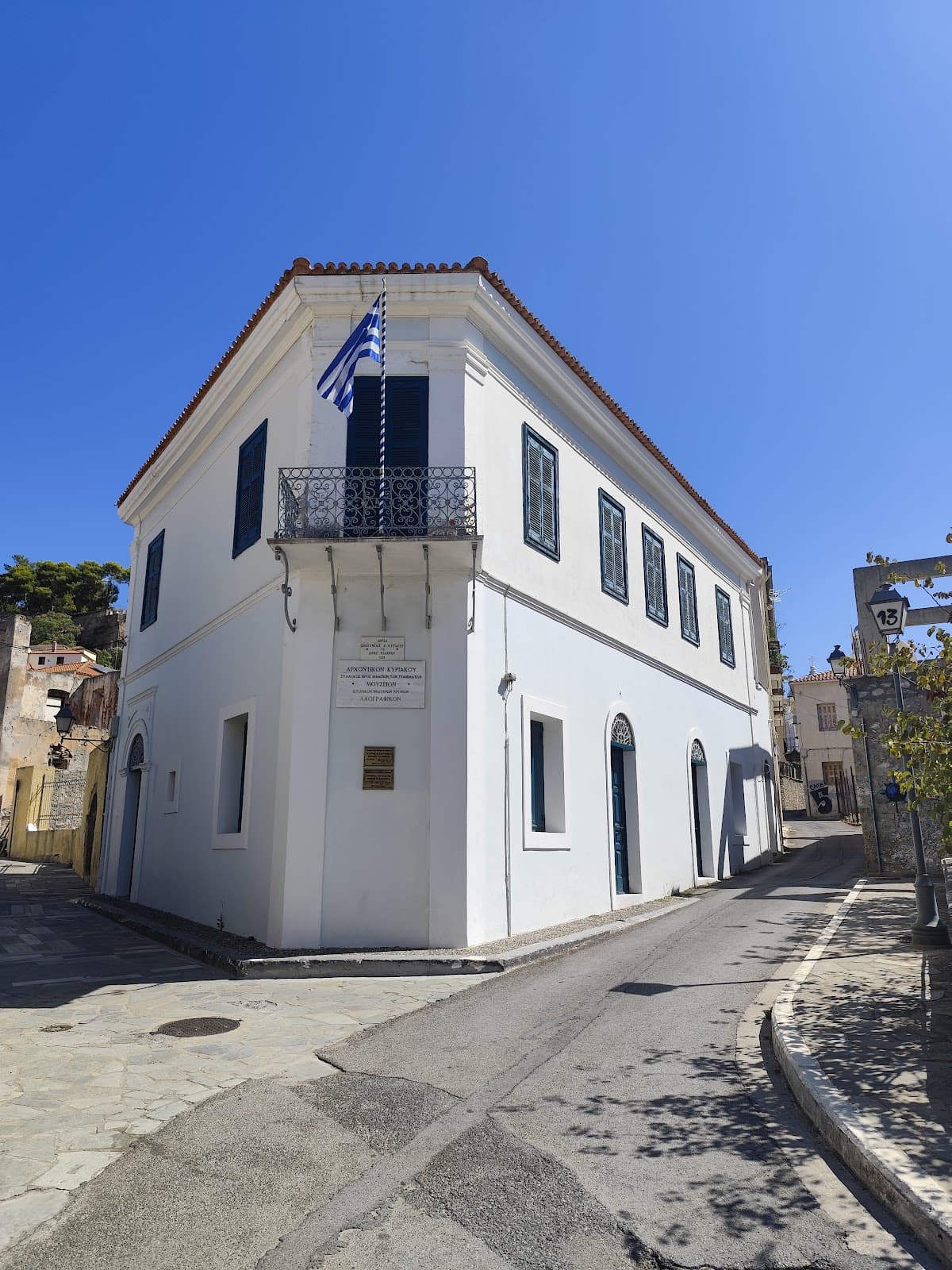
Historical and Folklore Museum Kalamata
Discover Kalamata's rich cultural tapestry, from traditional crafts to its pivotal role in Greek independence, in this charming historic house museum.
Highlights
Must-see attractions

Social
From TikTok & Reddit
Best Time
Fewer crowds, more personal
Historical and Folklore Museum Kalamata
Best Time
Fewer crowds, more personal
Highlights
Must-see attractions
Discover Kalamata's rich cultural tapestry, from traditional crafts to its pivotal role in Greek independence, in this charming historic house museum.
"A fantastic little museum with incredibly important history and a warm welcome!"

Warm Welcome Awaits
Expect a friendly reception! Staff are often praised for their helpfulness and passion for sharing Kalamata's story. :heart:
English Signs Available
Don't worry about language barriers; many exhibits now have English translations. :flag_gb:
Highlights
Discover the most iconic attractions and experiences
Revolutionary History
Exhibits on Greek Independence
Discover Kalamata's crucial role in the 1841 revolution against Turkish rule. A powerful journey through local bravery.
Local Crafts & Agriculture
Folklore Displays
See traditional tools and artifacts showcasing Kalamata's heritage in crafts and farming. A true taste of local life.

Historic House Setting
Museum Interior
Experience a step back in time within the beautifully preserved historic house that hosts the museum's collections.
Plans like a pro.
Thinks like you
Planning Your Visit
Embrace the Local Charm
Language & Accessibility
Best Times
Insider Tips
from TikTok, Instagram & Reddit
Warm Welcome Awaits
Expect a friendly reception! Staff are often praised for their helpfulness and passion for sharing Kalamata's story. :heart:
English Signs Available
Don't worry about language barriers; many exhibits now have English translations. :flag_gb:
Combine with Church Visit
Visit the church downhill; it ties into the museum's displays about the 1841 revolution. :church:
Quick & Insightful
This museum is compact, making it perfect for a focused visit without taking up your whole day. :stopwatch:
Tips
from all over the internet
Warm Welcome Awaits
Expect a friendly reception! Staff are often praised for their helpfulness and passion for sharing Kalamata's story. :heart:
English Signs Available
Don't worry about language barriers; many exhibits now have English translations. :flag_gb:
Combine with Church Visit
Visit the church downhill; it ties into the museum's displays about the 1841 revolution. :church:
Quick & Insightful
This museum is compact, making it perfect for a focused visit without taking up your whole day. :stopwatch:
What Travellers Say
Reviews Summary
Visitors consistently praise the Historical and Folklore Museum of Kalamata for its warm welcome and insightful exhibits on local history, crafts, and the 1841 revolution. The addition of English translations is a significant plus for international guests. While small, its charm and the passion of the curators make it a highly recommended stop for a glimpse into Kalamata's heritage.
"It was raining outside but the warm welcome from the reception lady made our day. The museum has interesting displays of Kalamata cultural and social history. Well worth a visit - also go to the church just down the hill as this ties in with the mueum displays about the revolution of 1841"
Clare Rhys Davies
"Nice little museum about the local area and its crafts and agriculture and about the local involvement in the revolution to gain independence from Turkey. Nothing about the earthquake of 1986. Nothing about local music."
Rod Carter
"Fantastic little museum! The lady curator was so helpful and appreciated us visiting. Only small but some fantastic exhibits about the incredibly important history of Kalamata. For the people complaining the museum is in Greek,maybe don't visit Greece or learn a little of the language and move away from ignorance."
Phil White
What People Like
What People Dislike
Frequently Asked Questions
🚇 🗺️ Getting There
The museum is centrally located in Kalamata. It's easily accessible on foot if you're staying in the city center. Local buses also serve the area. Parking might be limited in the immediate vicinity, so walking or public transport is recommended.
Yes, it's quite straightforward to find within Kalamata's historic district. Many visitors mention its proximity to other points of interest, making it a convenient stop.
If arriving by car, use GPS to navigate to the city center. If using public transport, check local bus routes that stop near the museum. Taxis are also readily available.
🎫 🎫 Tickets & Entry
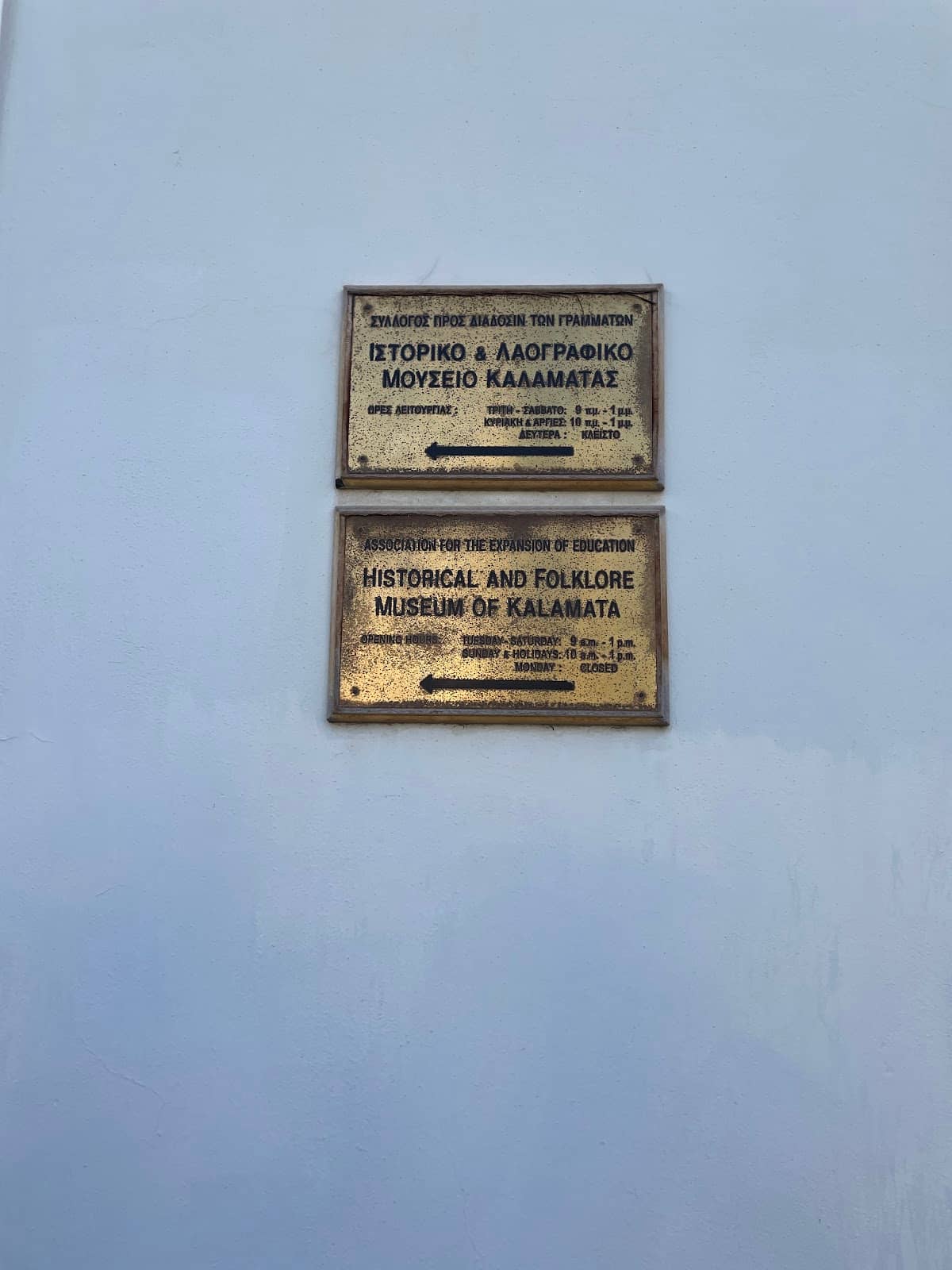
Opening hours can vary, so it's best to check locally or online before your visit. Generally, it's open during typical daytime museum hours on weekdays and sometimes weekends.
Admission is typically very affordable, reflecting its status as a small, community-focused museum. Prices are usually a few euros, making it a budget-friendly option.
Advance booking is generally not required for this museum due to its size and nature. You can usually purchase tickets upon arrival at the reception.
Often, there are reduced or free admission policies for children, though this can vary. It's advisable to confirm the specific pricing for younger visitors when you arrive.
🎫 🧭 Onsite Experience
Most visitors find that an hour is sufficient to explore the museum thoroughly. It's a compact space, perfect for a quick yet insightful cultural stop.
While the primary language is Greek, many exhibits have been updated with English translations, making them understandable for international visitors. Reviews highlight this effort.
You'll find displays on Kalamata's social history, local crafts, agricultural tools, and significant historical events, particularly the 1841 revolution. The museum is housed in a historic building itself.
Yes, it can be a good experience for families, offering a glimpse into local history and culture. The manageable size makes it less overwhelming for children.
Photography policies can vary. It's best to check with the staff upon arrival. Often, non-flash photography is permitted for personal use.
🍽️ 🍽️ Food & Dining
Absolutely! The museum is located in Kalamata's city center, which is brimming with tavernas, cafes, and restaurants offering delicious local cuisine. You'll have plenty of options nearby.
Typically, food and drinks are not allowed inside the exhibition areas of museums to preserve the artifacts. There are usually no dining facilities within the museum itself.
📸 📸 Photography
The historic house setting itself offers charming architectural details. Key exhibits related to the revolution and traditional crafts also make for interesting shots. The exterior of the building can also be picturesque.
Flash photography is generally discouraged or prohibited in museums to protect delicate exhibits. Always check the museum's specific policy or ask staff before using your camera flash.
For Different Travelers
Tailored advice for your travel style
👨👩👧 Families with Kids
💰 Budget Travelers
🏛️ History Enthusiasts
Deep Dives
In-depth insights and expert knowledge
A Window into Kalamata's Past
The museum's collection focuses on key aspects of Kalamata's identity. You'll find displays detailing the region's traditional crafts and agricultural practices, providing insight into the daily lives of its people throughout history. A significant portion of the exhibits is dedicated to Kalamata's pivotal role in the Greek War of Independence in 1841, highlighting the bravery and strategic importance of the city during this crucial period. While it doesn't cover more recent events like the 1986 earthquake, its focus on foundational history is compelling.
Many reviewers appreciate that the museum has made efforts to be inclusive, adding English signs to its displays. This ensures that international visitors can fully engage with the history and folklore presented. The overall experience is often described as insightful and manageable, taking about an hour to explore, making it an ideal stop for those seeking a deeper understanding of Kalamata's unique past.
Navigating Your Visit: Practicalities and Perspectives
When it comes to timing, visiting during weekday mornings is often recommended to avoid the largest crowds, allowing for a more personal and unhurried exploration. The museum's location in the heart of Kalamata means you're never far from excellent dining options. Many visitors suggest combining your museum visit with a trip to the nearby church, as the two are thematically linked through the city's revolutionary history. This synergy between different historical sites enriches the overall understanding of Kalamata's past.
Community feedback consistently highlights the exceptional hospitality of the museum staff. Their enthusiasm and willingness to share information are frequently mentioned as a standout aspect of the visit. While the museum may not cover every single aspect of Kalamata's history, its dedication to preserving and presenting its core cultural and revolutionary heritage makes it a highly worthwhile stop for anyone interested in the region's story.
Social
from TikTok, Instagram & Reddit