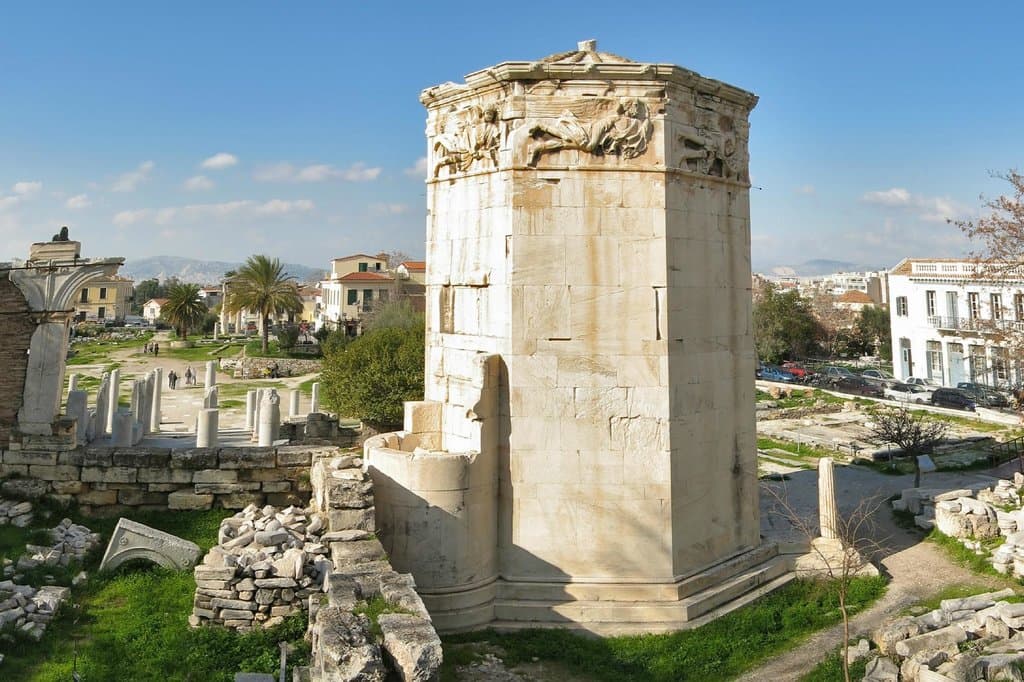
Tower of the Winds Athens
An ancient octagonal marble tower in Athens, serving as the world's first meteorological station and clocktower.
Highlights
Must-see attractions

Social
From TikTok & Reddit
Best Time
Fewer crowds, soft light
Tower of the Winds Athens
Best Time
Fewer crowds, soft light
Highlights
Must-see attractions
An ancient octagonal marble tower in Athens, serving as the world's first meteorological station and clocktower.
"An impressive ancient structure that used to be a clock tower to keep time."
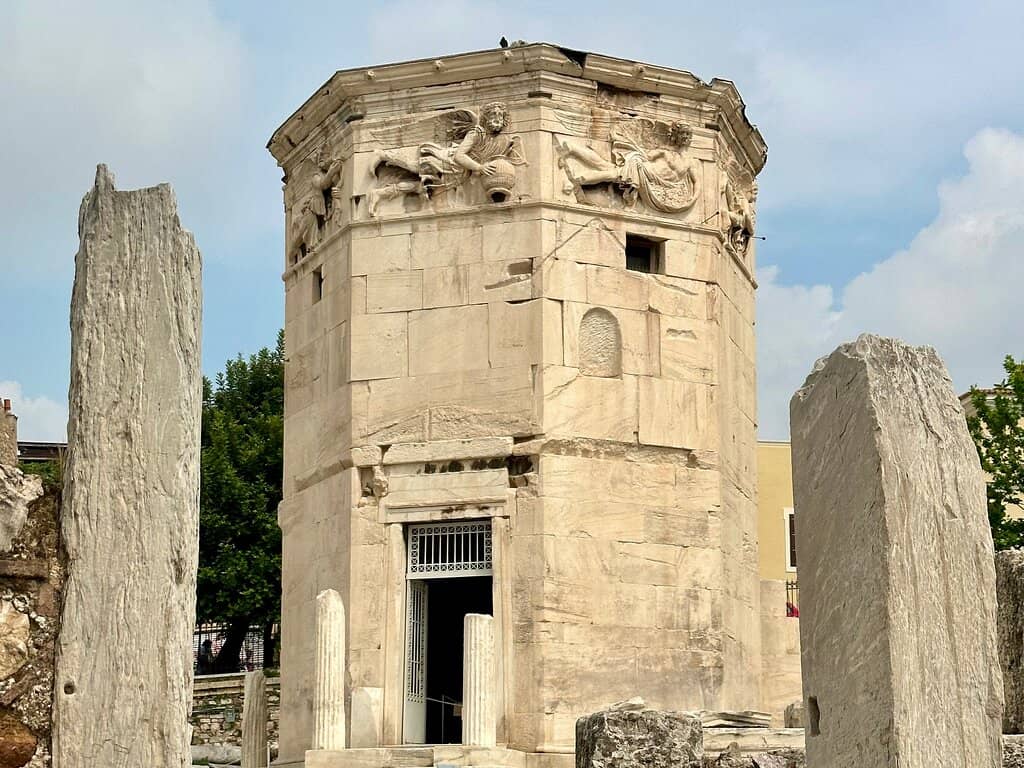
Combine with Roman Agora
The Tower is within the Roman Agora. Get a combined ticket for more value! :ticket:
Look for the Madrasah Gate
Don't miss the adjacent Madrasah Gate, a remnant of an old Islamic school. :camerawithflash:
Highlights
Discover the most iconic attractions and experiences
Octagonal Marvel
Roman Agora
An ancient, eight-sided marble tower that served as a sophisticated clock and weather station.
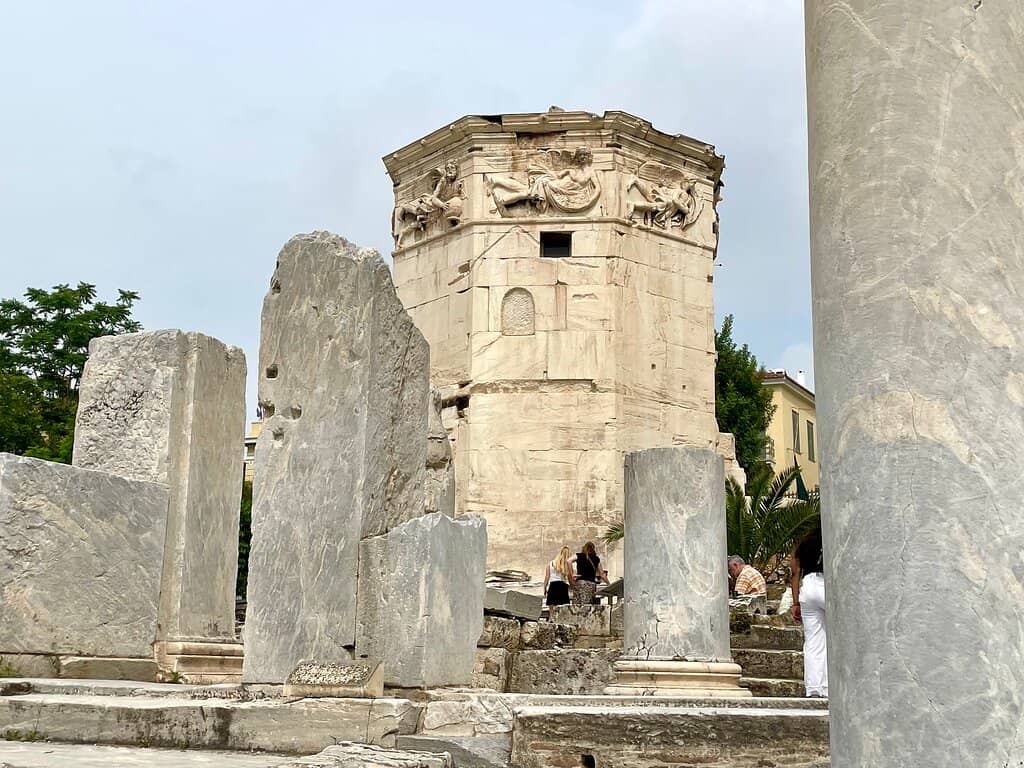
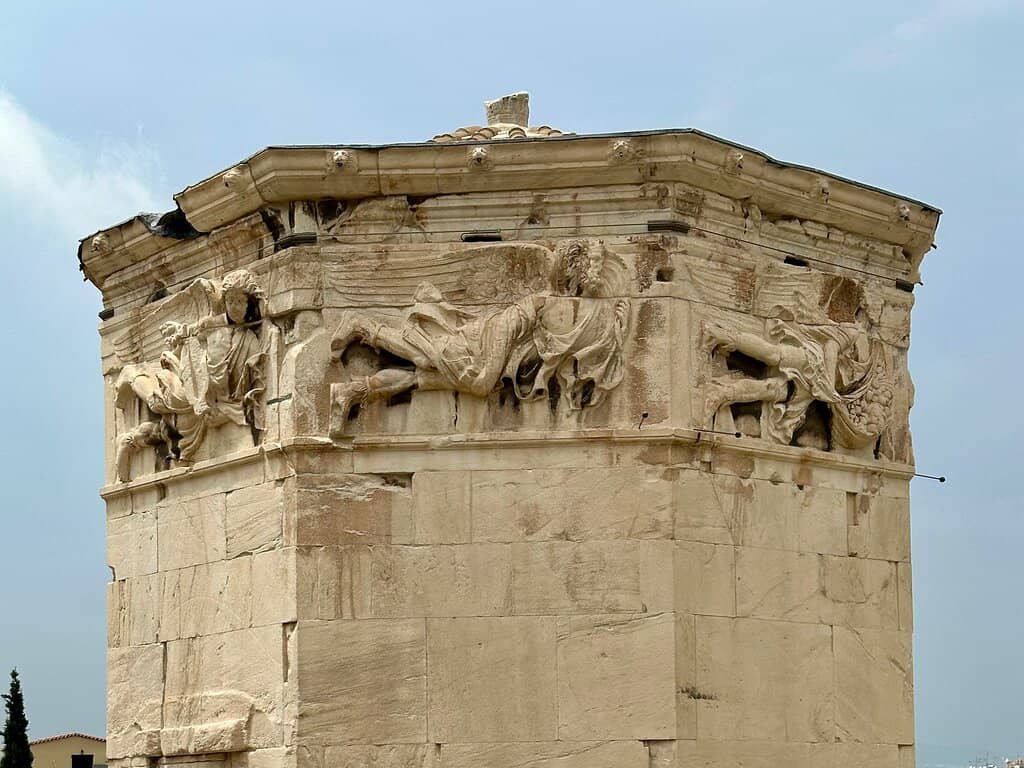
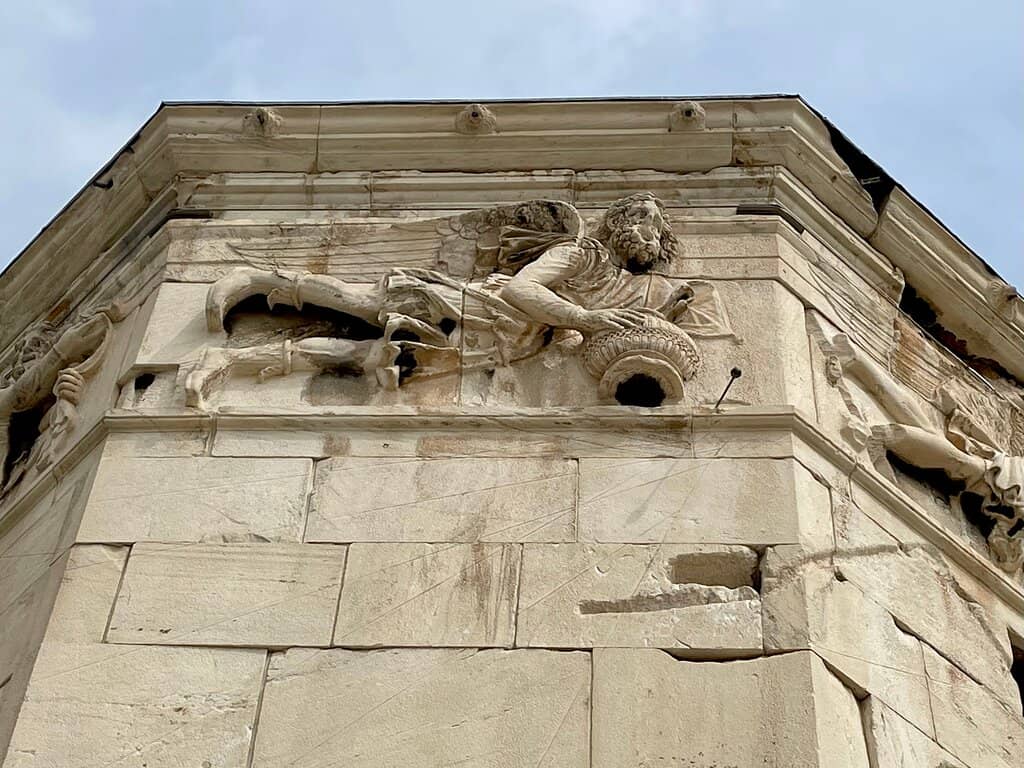
Wind God Reliefs
Exterior of the tower
Intricate carvings depicting the eight wind deities, showcasing ancient artistry and astronomical knowledge.
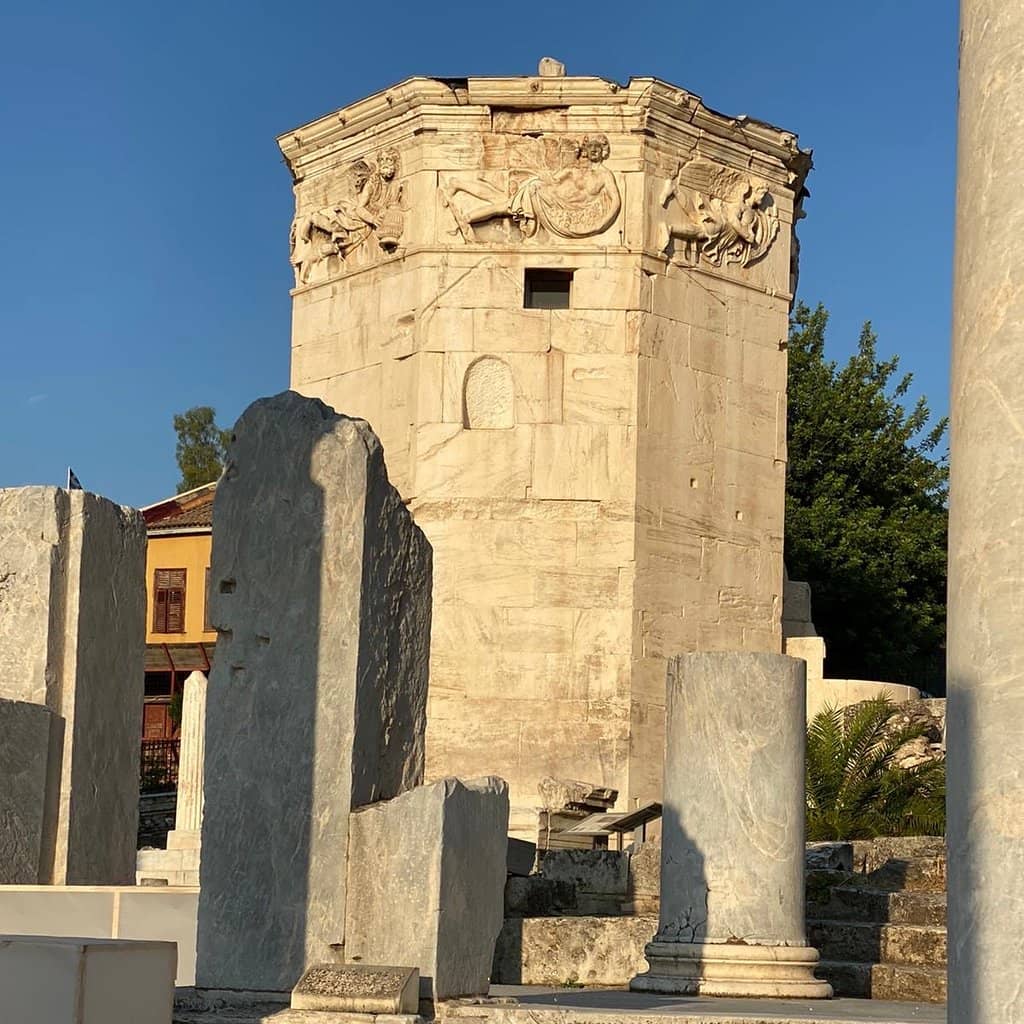
Ancient Timekeeping
Tower interior (if accessible)
Discover the ingenious mechanisms of sundials and a water clock that kept time over 2,000 years ago.
Plans like a pro.
Thinks like you
Planning Your Visit
Timing is Everything
Access and Views
Best Times
Insider Tips
from TikTok, Instagram & Reddit
Combine with Roman Agora
The Tower is within the Roman Agora. Get a combined ticket for more value! :ticket:
Look for the Madrasah Gate
Don't miss the adjacent Madrasah Gate, a remnant of an old Islamic school. :camerawithflash:
Best Views from University
For a unique perspective, try viewing from the university roof for sunset. :city_sunset:
Appreciate the Details
Focus on the well-preserved marble carvings of the wind gods. They're stunning! :sparkles:
Tips
from all over the internet
Combine with Roman Agora
The Tower is within the Roman Agora. Get a combined ticket for more value! :ticket:
Look for the Madrasah Gate
Don't miss the adjacent Madrasah Gate, a remnant of an old Islamic school. :camerawithflash:
Best Views from University
For a unique perspective, try viewing from the university roof for sunset. :city_sunset:
Appreciate the Details
Focus on the well-preserved marble carvings of the wind gods. They're stunning! :sparkles:
Check Interior Access
The interior might be locked. Manage expectations and enjoy the exterior details. :information_desk:
What Travellers Say
Reviews Summary
Visitors praise the Tower of the Winds for its remarkable preservation and unique historical significance as an ancient weather station and clocktower. The intricate marble carvings of wind gods are a highlight, offering a fascinating glimpse into ancient scientific knowledge. While the interior access can be limited, its exterior beauty and context within the Roman Agora make it a worthwhile stop.
"The Tower of the Winds is a cool octagonal tower made of Pentelic marble, right in the Roman Agora in Athens. It’s an impressive ancient structure that’s about 2000 years old and used to be a clock tower to keep time. The carvings on the top of the tower are really well done and look amazing. It's definitely a well-preserved piece of history."
Bernie
"Beautifully preserved octogonal tower used for weather science. We found we could get a great view from the roof of the university by getting tickets to the post that is presented there. A great sunset view and a great History lesson if you watch the play."
Jeffrey Dorwart
"The Tower of the Winds is one of the most unique ancient structures in Athens. It’s not huge, but the details are fascinating—especially when you realize it’s a 2,000-year-old weather station! Tucked in the Roman Agora, it’s easy to admire from the outside and even better if you have time to step in."
Alec Tseng
What People Like
What People Dislike
Frequently Asked Questions
🚇 🗺️ Getting There
The Tower of the Winds is located within the Roman Agora in Athens, Greece. It's easily accessible by public transport, with several bus and metro lines stopping nearby. Many visitors also walk to it from other central Athens attractions like the Acropolis. :bus: :metro:
The Tower of the Winds is situated in the Roman Agora, not the Ancient Agora. While both are significant archaeological sites in Athens, they are distinct locations. :world_map:
The Roman Agora is centrally located. You can take the metro to Monastiraki station, which is a short walk away. Buses also serve the area frequently. :bus: :metro:
Yes, you can see the Tower of the Winds from the perimeter of the Roman Agora. However, to get closer and appreciate its details, purchasing an entrance ticket to the Roman Agora is recommended. :ticket:
The Tower of the Winds is one of the most prominent structures within the Roman Agora, making it relatively easy to spot once you are inside the site. :compass:
🎫 🎫 Tickets & Entry
Yes, the Tower of the Winds is located within the Roman Agora archaeological site, so you will need a ticket to enter and see it up close. Combined tickets for multiple sites are often available. :ticket:
Opening hours for the Roman Agora, which includes the Tower of the Winds, generally align with other major archaeological sites in Athens. It's best to check the official Hellenic Ministry of Culture and Sports website for the most current hours, as they can vary seasonally. :clock:
The cost is for entry into the Roman Agora. Ticket prices can vary, and discounts may be available for students or seniors. Consider a multi-site archaeological ticket for better value if you plan to visit other Athenian landmarks. :moneybag:
Access to the interior of the Tower of the Winds can be restricted. While you can admire its exterior and details, the inside may not always be accessible to the public. :information_desk:
Many guided tours of Athens's archaeological sites include the Roman Agora and the Tower of the Winds. These tours can offer deeper historical insights and context. :guide_dog:
🎫 🏛️ Onsite Experience
The Tower of the Winds is famous for being an ancient octagonal marble clocktower and the world's first meteorological station. It ingeniously used sundials and a water clock to tell time and predict weather. :wind_chime: :clock:
Its most striking features are its octagonal shape, its construction from Pentelic marble, and the eight large reliefs of wind gods around its top. It also housed a water clock and sundials. :marble: :wind_chime:
Yes, the Tower of the Winds is remarkably well-preserved, especially considering its age of over 2,000 years. It's considered one of the best-preserved ancient structures of its kind. :star:
The Roman Agora site includes the Tower of the Winds, the Gate of Athena Archegetis, and the remains of shops and public buildings. It offers a glimpse into Roman-era Athenian life. :ancient_ruins:
Absolutely! The unique octagonal shape and the detailed reliefs make for excellent photo opportunities. The surrounding Roman Agora also provides context. Try visiting during the golden hours for beautiful light. :camerawithflash:
📸 📸 Photography
Try capturing the full octagonal structure from a distance within the Roman Agora. Close-ups of the wind god reliefs are also highly recommended. Consider shooting from slightly elevated positions if possible. :camerawithflash:
Early morning or late afternoon offer the best light for photography, minimizing harsh shadows and creating a warm, golden glow. This also helps avoid peak crowds. :sunrise: :sunset:
Tripod policies can vary at archaeological sites. It's advisable to check the specific regulations for the Roman Agora before your visit. :camerawithflash:
For the reliefs, use a moderate aperture for good depth of field. For the overall structure, a wider lens can capture its entirety. Adjust ISO based on lighting conditions, especially for low-light photography. :iphone: :camera:
Some visitors suggest that viewing from the roof of a nearby university building can offer a unique perspective, especially for sunset shots. :city_sunset:
For Different Travelers
Tailored advice for your travel style
👨👩👧 Families with Kids
While the interior might be inaccessible, the exterior details are still engaging. Consider bringing a simple compass to demonstrate wind direction, linking it to the tower's function. Visiting the Roman Agora alongside the tower provides more space for kids to explore and learn about ancient marketplaces. :ancient_ruins: :compass:
🏛️ History Buffs

Delve into its context within the Roman Agora, understanding its role in Roman-era Athens. Researching Andronicus of Cyrrhus and the mechanics of ancient water clocks and sundials before your visit will greatly enhance the experience. The tower's remarkable preservation makes it a prime subject for detailed study and appreciation of ancient engineering.
📸 Photographers
To achieve the best shots, aim for early morning or late afternoon when the light is softer and the crowds are thinner. Consider the surrounding Roman Agora for framing your shots, adding context and depth. Some photographers find elevated viewpoints, like nearby rooftops, offer compelling perspectives, particularly for sunset. :sunset:
Deep Dives
In-depth insights and expert knowledge
The Ingenuity of Ancient Timekeeping
The eight large reliefs adorning the tower's exterior depict the personifications of the eight principal winds. These artistic representations were not just decorative; they served as a visual calendar and indicator of atmospheric conditions. The precision and foresight in its design highlight the advanced scientific understanding of the Hellenistic period.
+1While the internal mechanisms of the water clock are no longer intact, the tower's structure and the surviving reliefs offer a profound glimpse into the scientific and architectural achievements of antiquity. It stands as a unique monument, predating modern weather forecasting and timekeeping devices by centuries. Its preservation is remarkable, making it a key site for understanding ancient technology.
Beyond the Tower: The Roman Agora
Exploring the Roman Agora allows visitors to see the Gate of Athena Archegetis, a monumental entrance that once stood proudly at the Agora's eastern end. You can also observe the foundations and remnants of various shops and administrative buildings that lined the courtyard. This site provides a fascinating contrast to the classical Greek architecture found elsewhere in Athens, showcasing the layers of history present in the city.
+1Adjacent to the Roman Agora, and often overlooked, is the Madrasah Gate. This structure is a remnant of an Ottoman-era Islamic theological school built in 1721. It later served as a prison, adding a layer of more recent, albeit somber, history to the area. Visiting these combined sites offers a comprehensive historical narrative, from ancient Greece and Rome to the Ottoman period.
Social
from TikTok, Instagram & Reddit