Ancient Corinth Museum Corinth
Explore the rich history of Ancient Corinth through its museum and sprawling archaeological site, from prehistoric times to Roman grandeur.
Highlights
Must-see attractions

Social
From TikTok & Reddit
Best Time
Pleasant weather, fewer crowds
Ancient Corinth Museum Corinth
Best Time
Pleasant weather, fewer crowds
Highlights
Must-see attractions
Explore the rich history of Ancient Corinth through its museum and sprawling archaeological site, from prehistoric times to Roman grandeur.
"An incredibly informative and well-curated museum! The Archaeological Museum of Ancient Corinth brings history to life."

Wear Comfortable Shoes
You'll be walking on uneven terrain at the archaeological site. :athletic_shoe:
Combine with Corinth Canal
Many visitors stop at the Corinth Canal on the way. :ferry:
Highlights
Discover the most iconic attractions and experiences
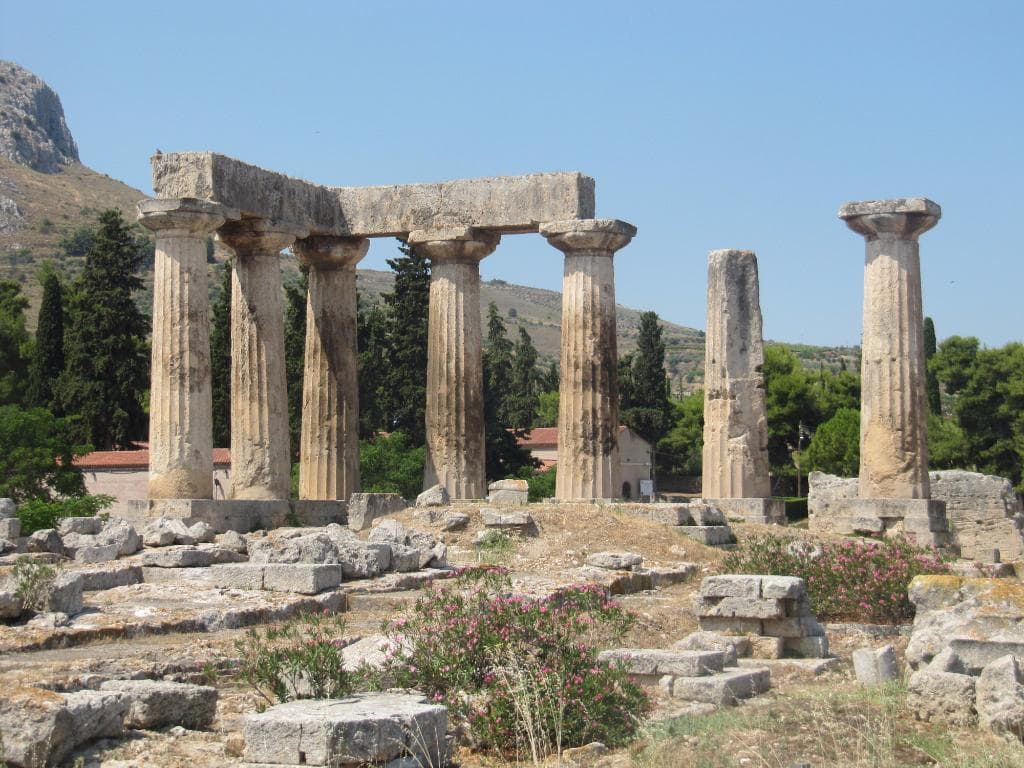
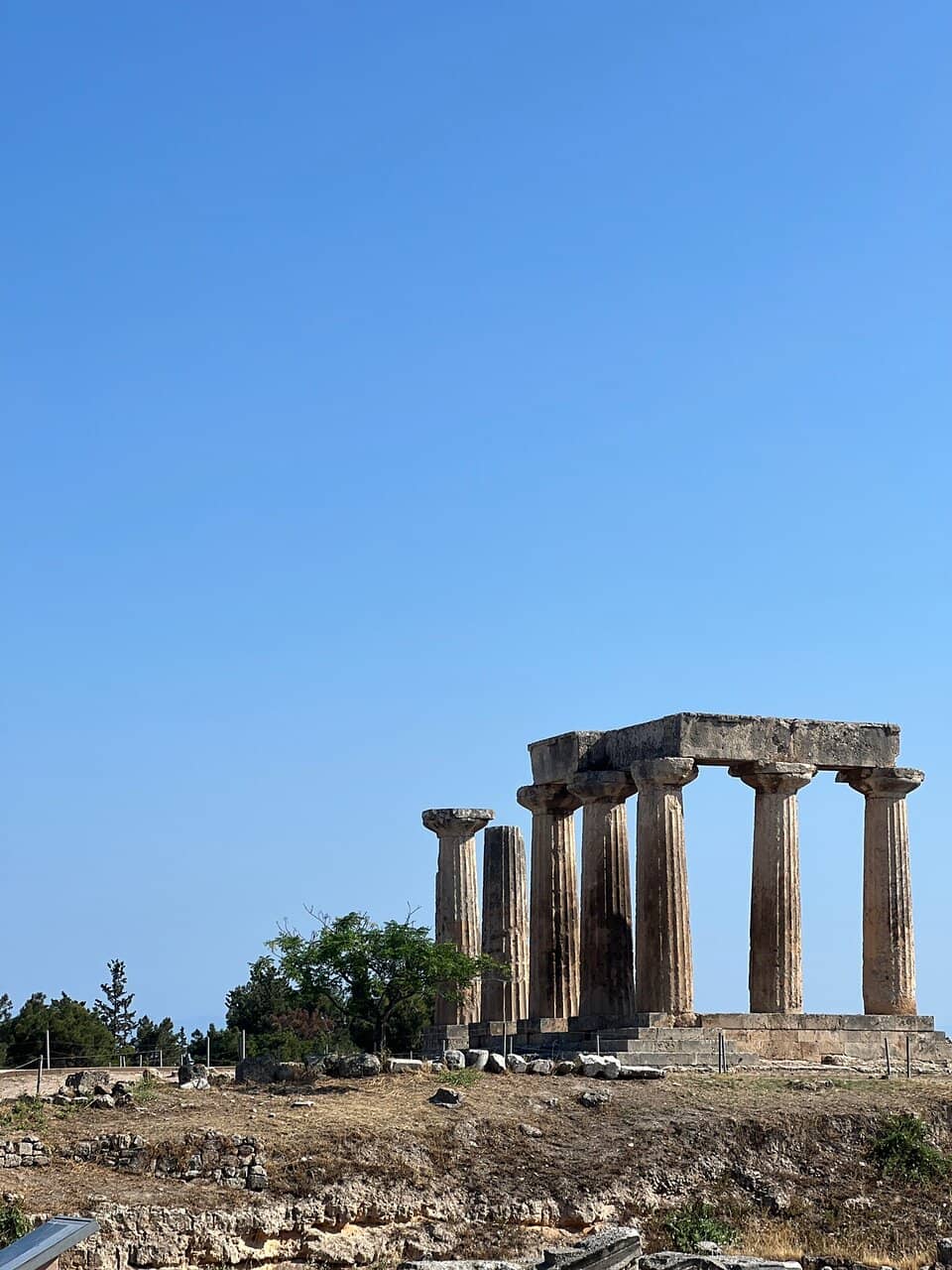
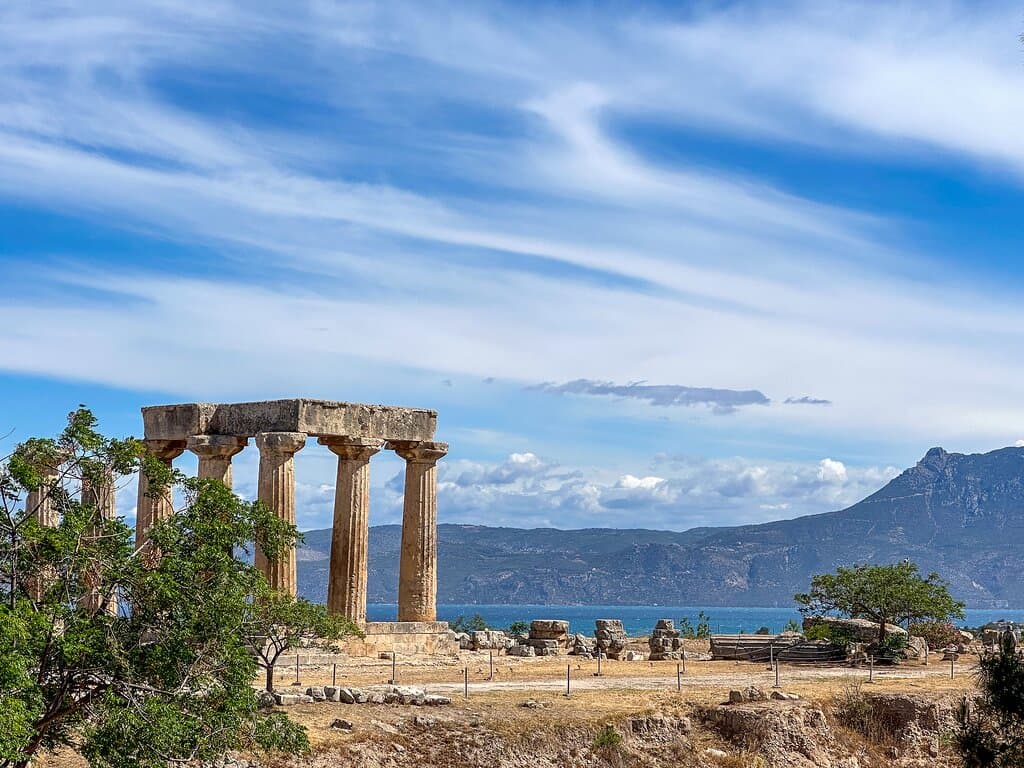
Temple of Apollo
Archaeological Site
Majestic Doric columns standing for millennia, a testament to ancient architectural prowess.
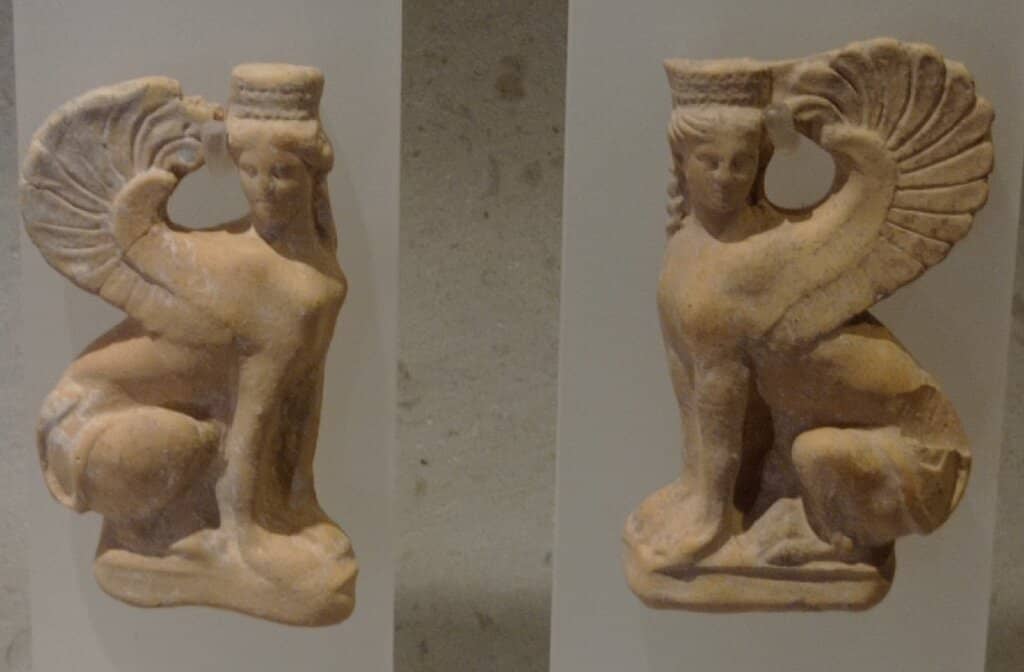
Aryballos Collection
Museum
Discover ancient ceramic bottles used by athletes to hold oil, showcasing exquisite artistry.

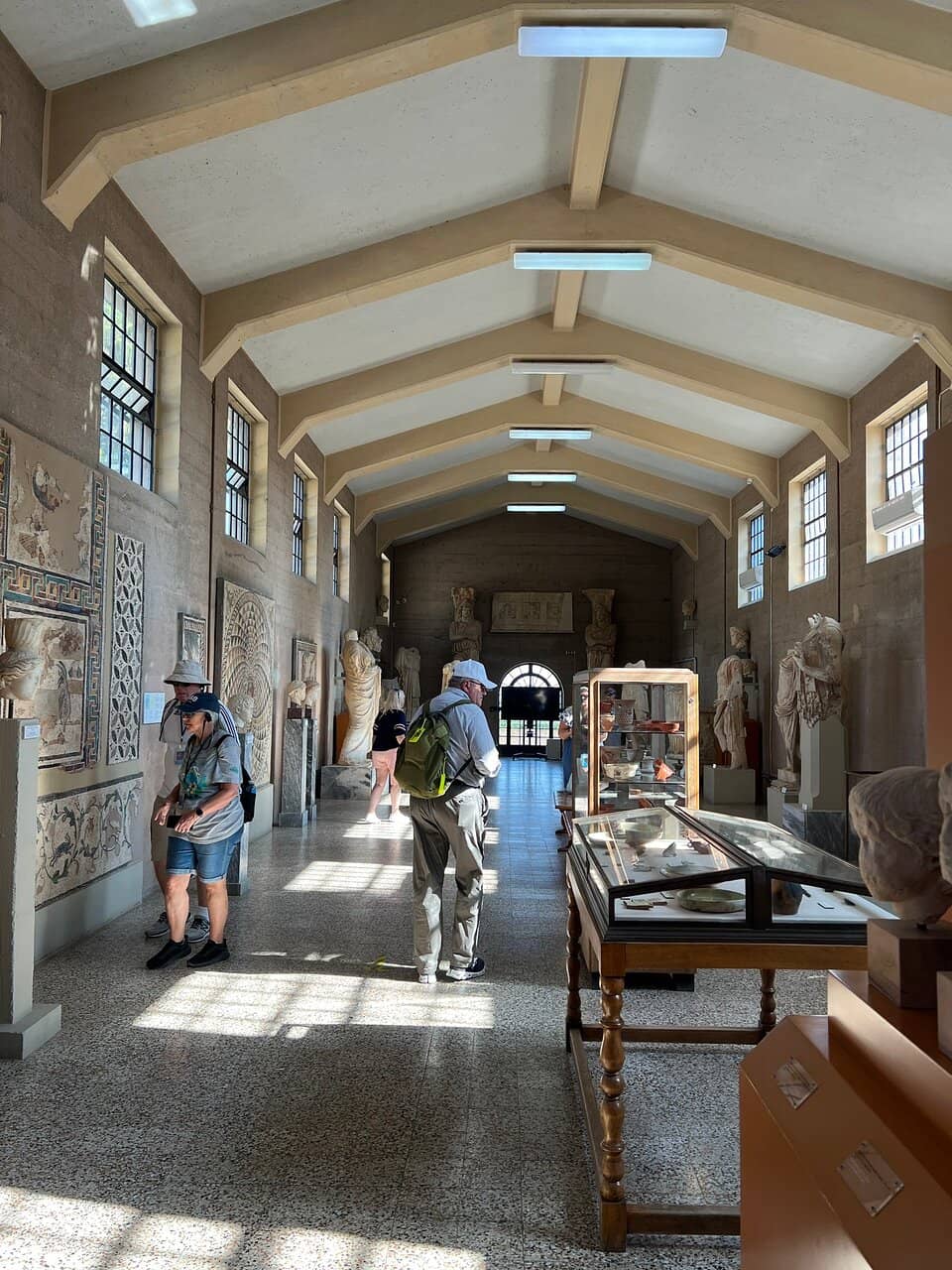
Roman Statues and Mosaics
Museum
Marvel at detailed Roman statues and vibrant mosaics that bring the ancient city to life.
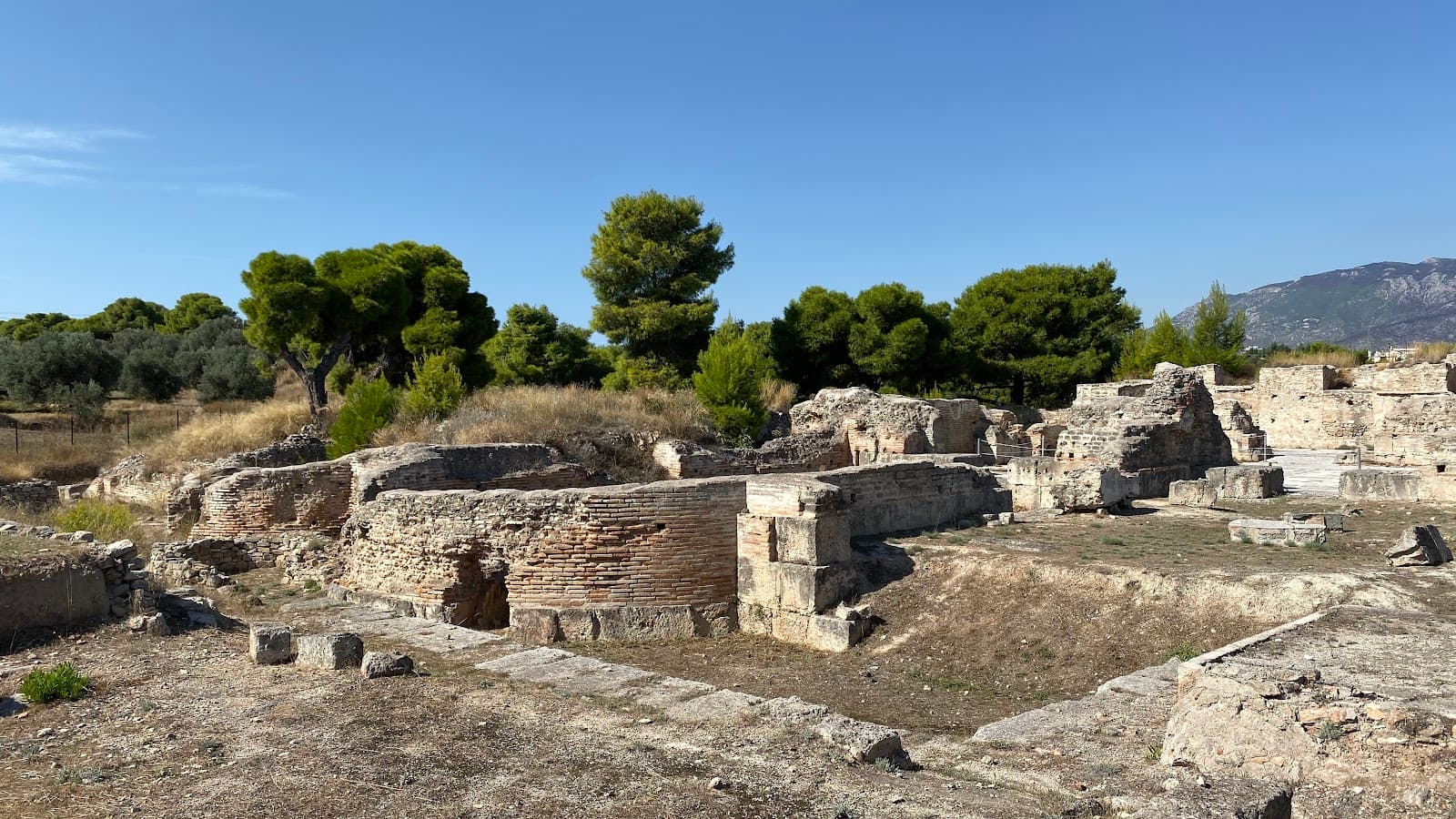
Fountain of Glauke
Archaeological Site
Explore this ancient fountain, a significant feature within the sprawling ruins of Corinth.
Plans like a pro.
Thinks like you
Planning Your Visit
Timing Your Visit
Understanding the Site
Best Times
Insider Tips
from TikTok, Instagram & Reddit
Wear Comfortable Shoes
You'll be walking on uneven terrain at the archaeological site. :athletic_shoe:
Combine with Corinth Canal
Many visitors stop at the Corinth Canal on the way. :ferry:
Read Exhibit Descriptions
Informative displays enhance understanding of Corinth's rich past. :book:
Follow St. Paul's Footsteps
Consider the site's significance in early Christian history. :pray:
Tips
from all over the internet
Wear Comfortable Shoes
You'll be walking on uneven terrain at the archaeological site. :athletic_shoe:
Combine with Corinth Canal
Many visitors stop at the Corinth Canal on the way. :ferry:
Read Exhibit Descriptions
Informative displays enhance understanding of Corinth's rich past. :book:
Follow St. Paul's Footsteps
Consider the site's significance in early Christian history. :pray:
Allow ample time
Explore both the museum and the extensive outdoor ruins for a full experience. :clock:
What Travellers Say
Reviews Summary
Visitors consistently praise the Ancient Corinth Museum and its adjacent archaeological site for their well-curated exhibits and historical significance. The site offers a comprehensive look at Corinth's rich past, from prehistoric times to the Roman era, with impressive artifacts and informative displays. While some reviews mention minor issues like staff disputes, the overall experience is highly recommended for history enthusiasts. +1
"Having been to quite a few museums in Greece, it's truly spectacular that each one we go to is very different to the next and to see new things from each area of Greece. This place was a great addition to our visit. It was a great setup of the museum, very well layed out with beautiful pieces to show. The history of the Corinth was great to read from the writing on the walls."
Nick Zandes
"The Archaeological Museum of Ancient Corinth is a must-see, covering the city’s fascinating history from prehistoric times to the Roman era. The exhibits are beautifully presented, and the frescoes are particularly impressive — vibrant, detailed, and unforgettable. The only drawback was an unpleasant quarrel between museum guards over their working shifts, which disrupted the atmosphere. Staff should show more respect for the site and its visitors. Otherwise, an excellent and highly recommended museum."
Barbara K
"Corinth was never the most powerful city in ancient Greece, but it was the wealthiest for a considerably long run.
Its history is lengthy and rich as well, running deep into mythology and to the roots of historical recordings.
The museum exhibits a spectacular collection that reflects the long journey of the city through the ages. Unfortunately its size cannot accommodate the immense volume of potential exhibits the excavations of this ancient land have to offer. On the other hand, this makes it easier to fit into your schedule. Enjoy!"
George Syros
What People Like
What People Dislike
Frequently Asked Questions
🚇 🗺️ Getting There
You can reach Ancient Corinth by car (approx. 1 hour 15 minutes) or by bus from Athens' Liosion Bus Terminal. The archaeological site and museum are located together.
Yes, there is parking available near the archaeological site and museum, which is convenient for visitors arriving by car.
Absolutely! Ancient Corinth is a popular day trip from Athens, often combined with a visit to the Corinth Canal.
The museum is located within the archaeological site, so you can easily walk between them.
KTEL buses operate from Athens to Corinth, and local buses or taxis can take you from Corinth town to the archaeological site.
🎫 🎫 Tickets & Entry
Opening hours can vary seasonally. It's best to check the official Hellenic Ministry of Culture and Sports website for the most up-to-date information before your visit.
There is typically a combined ticket for the archaeological site and the museum. Prices can change, so check official sources for current admission fees.
While not always available, it's worth checking for online ticket purchasing options to save time, especially during peak season.
Visiting early in the morning or later in the afternoon, especially on weekdays, can help you avoid the largest crowds.
Discounts may be available for students, seniors, and EU citizens. Be sure to have valid identification with you.
🎫 🏛️ Onsite Experience
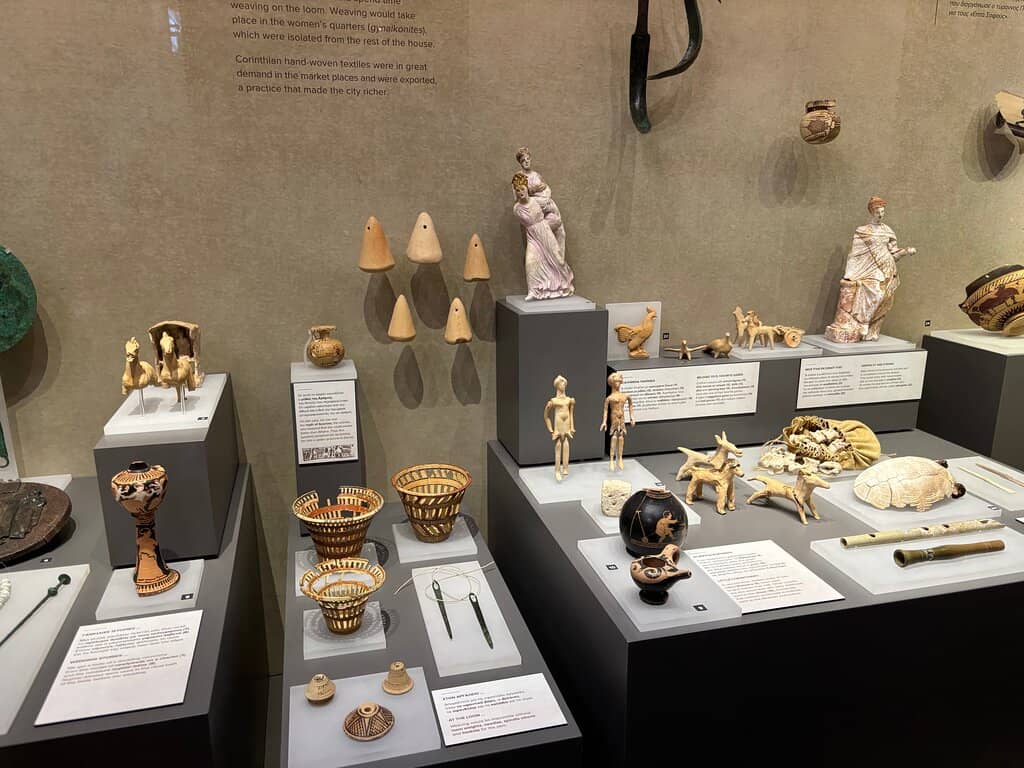
Don't miss the Aryballos collection, Roman statues, mosaics, and artifacts from the prehistoric to Byzantine eras.
Explore the ruins of temples (like the Temple of Apollo), a theater, baths, workshops, and the Fountain of Glauke.
The museum is generally accessible, but the archaeological site has uneven terrain, which may pose challenges for those with mobility issues.
Plan for at least 2-3 hours to comfortably explore both the museum and the archaeological site.
Guided tours are often available, providing deeper insights into the history and significance of the site. Inquire at the ticket office.
🍽️ 🍽️ Food & Dining
There are typically cafes and tavernas located near the entrance of the archaeological site, offering refreshments and meals.
You can expect traditional Greek cuisine, including fresh seafood, local produce, and regional specialties.
Picnics are generally allowed in designated areas, but it's always good to check site regulations. Bringing water is highly recommended.
There are many local tavernas in the nearby town of Corinth offering authentic Greek dishes.
Prices are generally reasonable, especially if you opt for local tavernas away from the most tourist-heavy spots.
📸 📸 Photography
The Temple of Apollo ruins, the Acrocorinth (if you visit), and panoramic views of the site offer excellent photo opportunities.
Photography is usually allowed inside the museum, but flash photography might be restricted to protect the artifacts. Check for signage.
Early morning or late afternoon light provides beautiful golden hour illumination for your photos.
Drone usage is typically restricted at archaeological sites and museums. It's best to check local regulations before flying.
Focus on the scale of the ruins, the details of the artifacts, and the interplay of light and shadow on the ancient stones.
For Different Travelers
Tailored advice for your travel style
👨👩👧 Families with Kids
Tips for families: Bring plenty of water and snacks, as facilities can be limited. Consider visiting during cooler parts of the day to keep energy levels up. The Temple of Apollo ruins are particularly impressive and can be a great focal point for younger imaginations.
🏛️ History Buffs & Archaeology Enthusiasts
The archaeological site is equally compelling, allowing you to walk through the remnants of a once-thriving city. The Temple of Apollo and the Fountain of Glauke are highlights. Consider hiring a local guide or using an audio guide to fully appreciate the historical significance of each structure and artifact.
✝️ Religious Pilgrims
+1The museum may contain artifacts or information relevant to the early Christian community. Standing on this historical ground offers a profound connection to biblical narratives and the early spread of Christianity.
Deep Dives
In-depth insights and expert knowledge
The Significance of Ancient Corinth
The Archaeological Museum of Ancient Corinth serves as a gateway to understanding this rich past. It houses artifacts unearthed from the extensive excavations, providing tangible links to the city's inhabitants. From everyday pottery to elaborate sculptures, each piece tells a story of daily life, religious practices, and artistic achievements. The museum's layout is designed to guide visitors through different historical periods, offering a comprehensive narrative of Corinth's evolution.
Beyond the museum, the archaeological site itself is a sprawling testament to Corinth's former glory. Visitors can wander among the remains of temples, public buildings, and residential areas, imagining the bustling city it once was. The iconic Temple of Apollo, with its surviving Doric columns, is a particularly striking landmark. Exploring these ruins allows for a deeper appreciation of the scale and complexity of ancient urban planning and architecture.
Following in Apostle Paul's Footsteps
+1The Archaeological Museum of Ancient Corinth and the surrounding site provide a tangible connection to this biblical narrative. Visitors can stand on ground where Paul walked, preached, and perhaps even faced trials. The museum may house artifacts or inscriptions that shed light on the social and religious context of his time in Corinth. This aspect draws many visitors, including pilgrims, seeking to connect with the historical roots of Christianity.
Exploring the site with this historical lens adds another layer of meaning to the visit. Understanding Corinth's role in the spread of Christianity allows visitors to appreciate not only its ancient pagan past but also its profound impact on religious history. It's a journey that bridges archaeology, history, and faith.
The Artistry of Ancient Corinthian Pottery
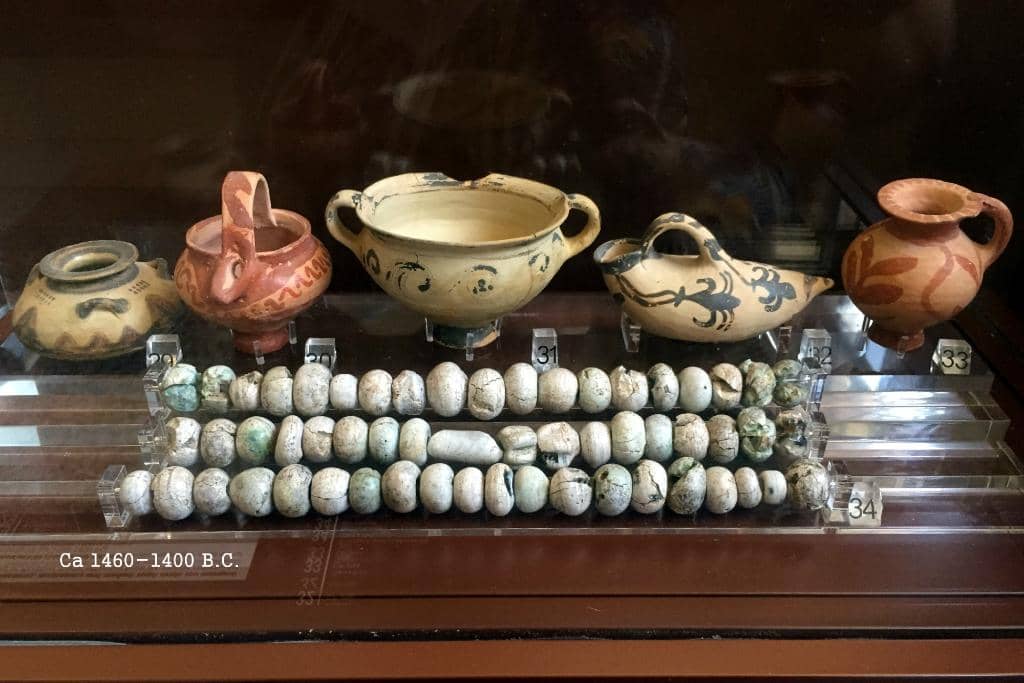
Beyond the Aryballos, the museum displays a variety of other ceramic finds, including vases, bowls, and storage jars. These artifacts reveal different decorative techniques, from geometric patterns to figurative scenes. The quality and quantity of pottery found at Corinth underscore its importance as a center for ceramic production and trade in the ancient world.
Studying these pottery pieces allows archaeologists and visitors alike to understand trade routes, social customs, and artistic trends of the era. They are not just utilitarian objects but also valuable historical documents, providing insights into the lives and beliefs of the people who created and used them.



Social
from TikTok, Instagram & Reddit