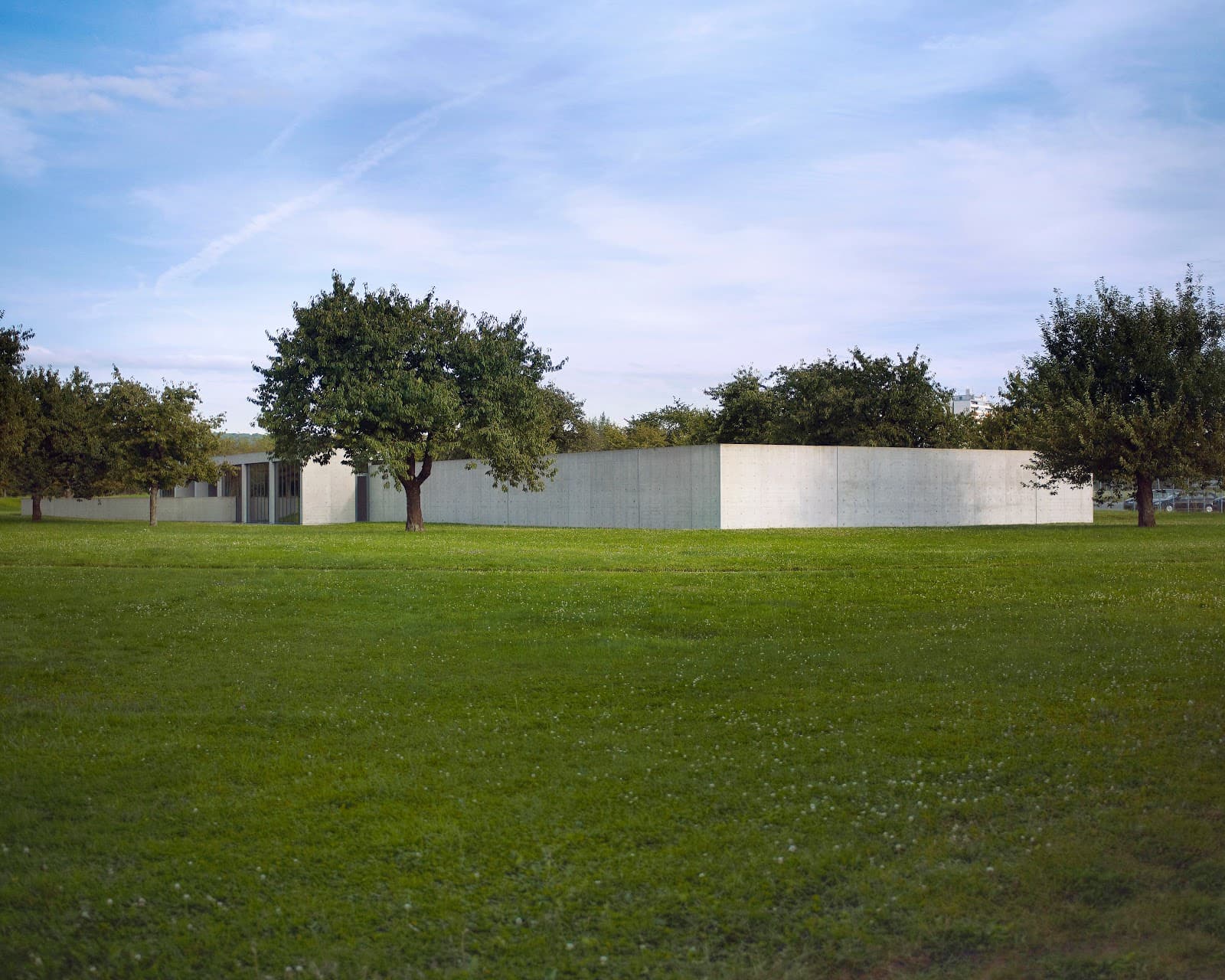
Vitra Conference Pavilion Tadao Ando
Tadao Ando's first international masterpiece, a minimalist concrete sanctuary where light and shadow create profound serenity.
Highlights
Must-see attractions

Social
From TikTok & Reddit
Best Time
Only way to access
Vitra Conference Pavilion Tadao Ando
Best Time
Only way to access
Highlights
Must-see attractions
Tadao Ando's first international masterpiece, a minimalist concrete sanctuary where light and shadow create profound serenity.
"A pearl of concrete architecture, bringing serenity and rest. "

🎯 Book Guided Tours Early
Access is limited to guided tours. Book well in advance to guarantee your visit.
🤫 Embrace the Silence
The pavilion is designed for quiet contemplation. Respect the serene atmosphere.

Highlights
Discover the most iconic attractions and experiences
Tadao Ando's First International Work
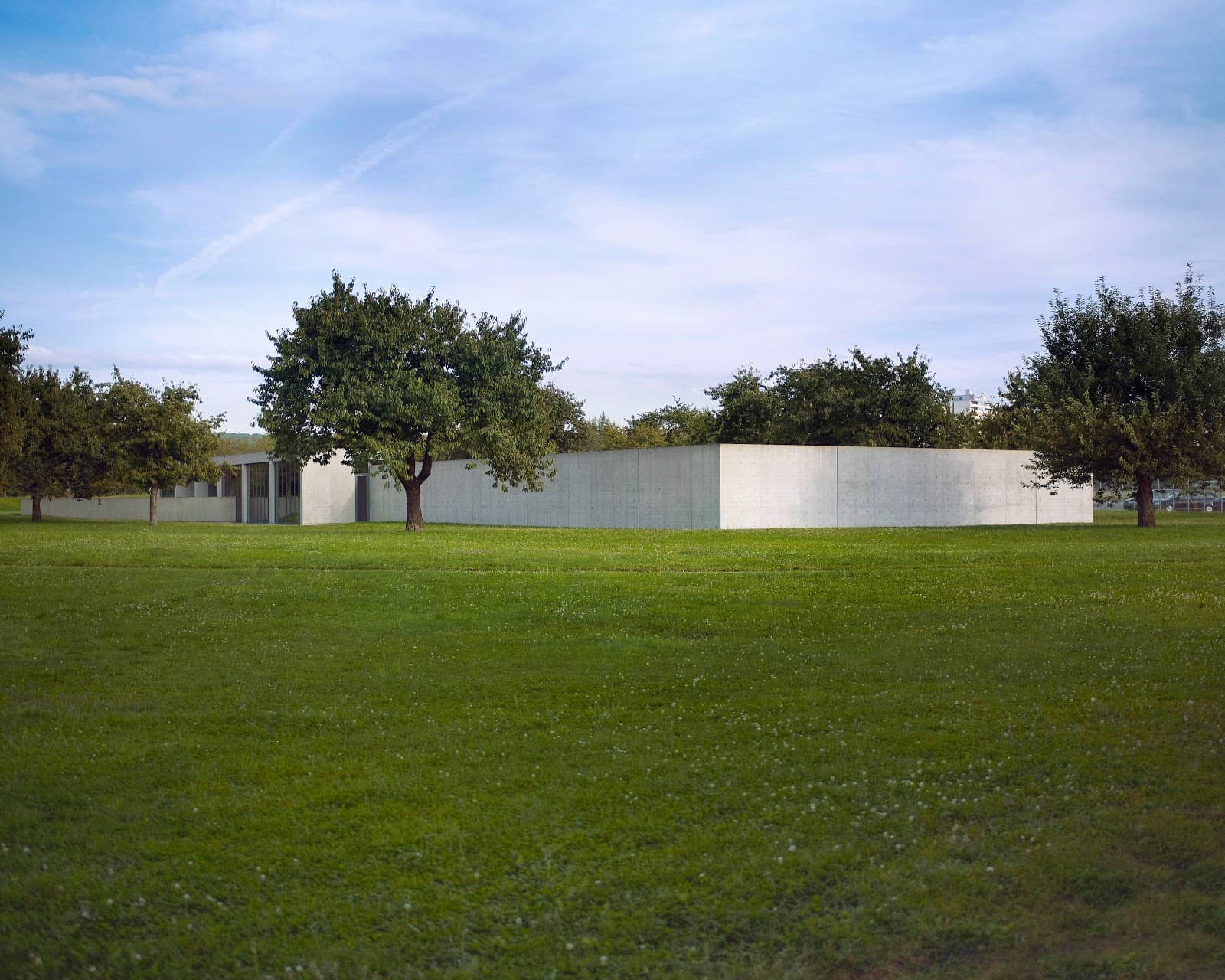
Experience the iconic Japanese architect's minimalist concrete masterpiece, his first project outside Japan.

The Courtyard's Serenity
A tranquil inner courtyard designed for contemplation, often enhanced by seasonal elements like cherry blossoms.
Play of Light and Shadow
Witness Ando's masterful manipulation of natural light, creating dynamic and serene interior atmospheres.
+1Plans like a pro.
Thinks like you
Planning Your Visit
Access & Tours
Architectural Immersion
+1Best Times
Insider Tips
from TikTok, Instagram & Reddit
🎯 Book Guided Tours Early
Access is limited to guided tours. Book well in advance to guarantee your visit.
🤫 Embrace the Silence
The pavilion is designed for quiet contemplation. Respect the serene atmosphere.
🚶♂️ Prepare for Minimalist Design
Appreciate the stark beauty of concrete and the intentional use of light and shadow.
🌸 Springtime Views
Visiting in spring offers the added beauty of cherry blossoms in the courtyard.
Tips
from all over the internet
🎯 Book Guided Tours Early
Access is limited to guided tours. Book well in advance to guarantee your visit.
🤫 Embrace the Silence
The pavilion is designed for quiet contemplation. Respect the serene atmosphere.
🚶♂️ Prepare for Minimalist Design
Appreciate the stark beauty of concrete and the intentional use of light and shadow.
🌸 Springtime Views
Visiting in spring offers the added beauty of cherry blossoms in the courtyard.
📍 Entrance Can Be Tricky
Some visitors find the entrance a bit hard to locate within the campus.
What Travellers Say
Reviews Summary
Visitors consistently praise the Vitra Conference Pavilion for its serene atmosphere and masterful minimalist design by Tadao Ando. The interplay of light, shadow, and concrete is a highlight, offering a deeply contemplative experience. Some find it challenging to locate the entrance and note that access is exclusively via guided tours.
"As part of the guided tour, we got to experience this nice architecture. It’s well designed with versatile functionality with a mixed of Japanese culture, such as the step after the door and the walkway to a bathroom."
Oom N.
"Subtle interplay of light, shade, heavy materials and open spaces. Interesting connections with views of the cherry trees, surrounding hills and landscape."
Zeglar “Zeg” Fergus
"Looks great, but hard to find the entrance."
KM
What People Like
What People Dislike
Frequently Asked Questions
🚇 🗺️ Getting There
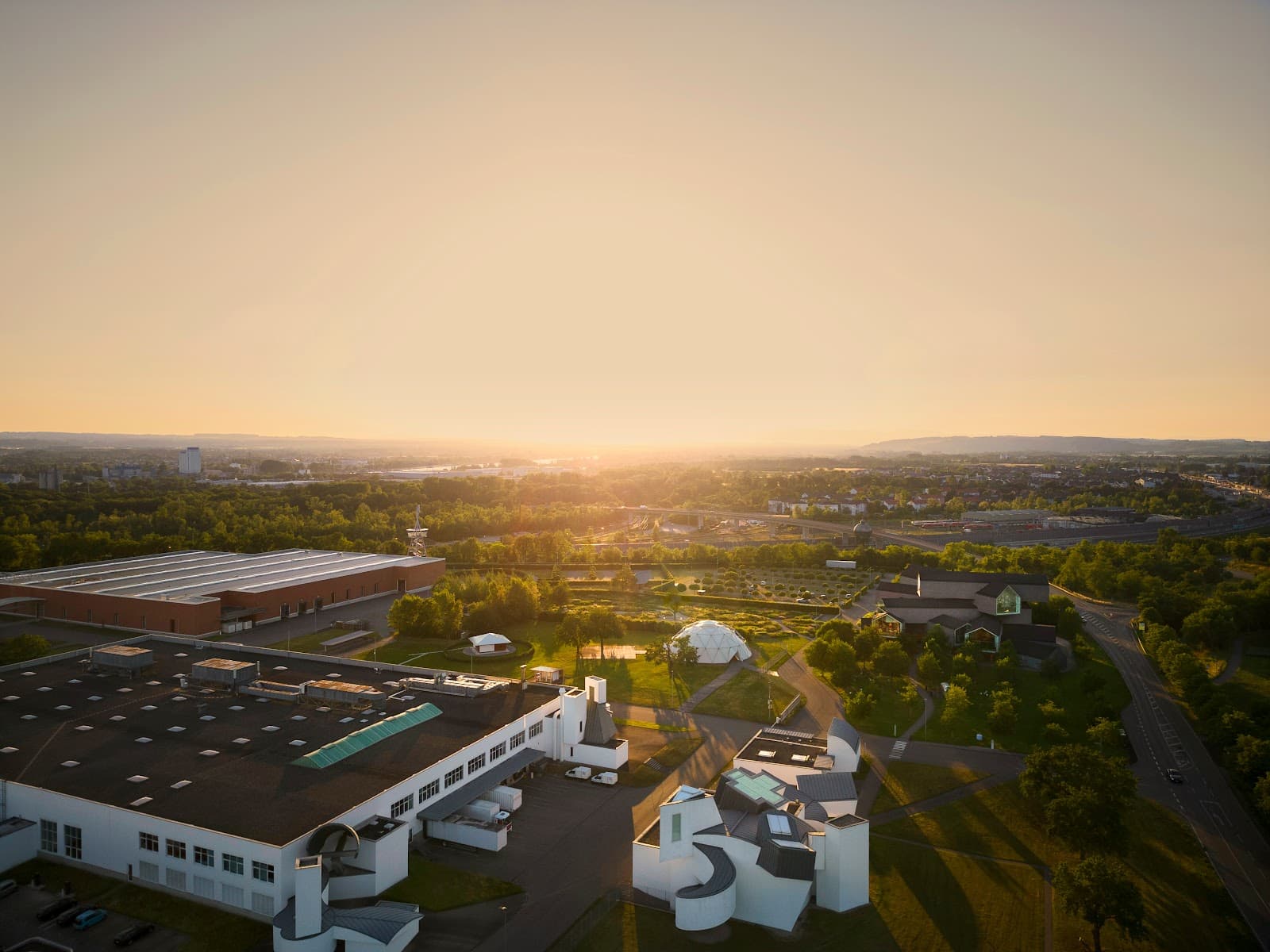
The Vitra Conference Pavilion is located on the Vitra Campus in Weil am Rhein, Germany. The most common way to access it is by booking a guided tour of the Vitra Campus, as independent entry is not typically permitted. Check the official Vitra website for tour schedules and booking information.
While the Vitra Campus is well-marked, some visitors have noted that finding the specific entrance to the Conference Pavilion can be a little tricky. Following your tour guide or campus signage is key.
Generally, no. Access to the Vitra Conference Pavilion is usually restricted to participants of the guided Vitra Campus tours. This ensures a curated experience and helps manage visitor flow.
You can reach the Vitra Campus by car, train, or bus. The nearest major city is Basel, Switzerland, which has good public transport connections. From Basel, you can take a tram or bus to Weil am Rhein.
Yes, there is parking available for visitors at the Vitra Campus. Follow the signs upon arrival.
🎫 🎫 Tickets & Entry
Tickets are not sold separately for the Conference Pavilion. You must book a guided tour of the Vitra Campus, which includes a visit to the pavilion. It's advisable to book these tours online in advance, especially during peak seasons.
The cost is associated with the guided Vitra Campus tour. Prices vary depending on the type of tour and duration. Check the official Vitra website for current pricing.
The pavilion is accessible during scheduled guided tours. The Vitra Campus itself has opening hours, but access to specific buildings like the Conference Pavilion is typically managed by the tour schedule.
Photography is generally allowed inside the pavilion, but it's always good practice to be mindful of other visitors and the serene environment.
There is no strict dress code, but comfortable walking shoes are recommended as you'll be exploring the Vitra Campus. Given the minimalist aesthetic, dressing in a way that respects the architectural environment is appreciated.
🎫 🏛️ Onsite Experience
The pavilion is a prime example of Tadao Ando's signature minimalist style, characterized by the extensive use of exposed concrete, geometric forms, and a profound engagement with natural light.
Its uniqueness lies in being Tadao Ando's first major architectural work outside of Japan, showcasing his distinct approach to creating serene, contemplative spaces through simple materials and precise design.
The inner courtyard is a central element, designed to bring nature into the building and create a peaceful focal point. It often features elements like water or seasonal planting, enhancing the meditative atmosphere.
Light is a crucial design element. Ando masterfully uses openings and concrete surfaces to control and shape natural light, creating dramatic contrasts between light and shadow that shift throughout the day.
Yes, subtle Japanese influences are present, such as the 'step after the door' (genkan) concept and the overall emphasis on tranquility and harmony with nature, reflecting traditional Japanese aesthetics.
📸 📸 Photography
Focus on the interplay of concrete textures and natural light. The courtyard, the precise lines of the concrete walls, and the way light filters through openings are prime subjects.
Early morning or late afternoon often provides the most dramatic lighting conditions, with softer shadows and a warmer glow. Midday can create harsh contrasts.
Drone usage is typically restricted on the Vitra Campus for safety and privacy reasons. Always check Vitra's official guidelines before flying any aerial equipment.
A wide-angle lens is useful for capturing the architectural scale, while a prime lens can be great for details. A tripod can help with low-light shots, but be mindful of tour group movements.
Emphasize clean lines, geometric shapes, and negative space. Look for moments where light and shadow create strong graphic compositions.
For Different Travelers
Tailored advice for your travel style
👨👩👧 Families with Kids
Focus on making the guided tour an adventure. Explain that they are visiting a special 'quiet house' designed by a famous architect. The interplay of light and shadow might be fascinating for younger minds. However, be prepared for the pavilion's minimalist and serene nature, which might not hold the attention of very young children for extended periods.
🏛️ Architecture Enthusiasts
+1Pay close attention to the material honesty of the concrete, the precise joinery, and the way Ando sculpts light. The pavilion is a masterclass in minimalist design, demonstrating how simple forms and materials can evoke profound emotional responses. Consider booking a comprehensive Vitra Campus tour to contextualize this building within the works of other architectural giants.
🧘♀️ Solo Travelers Seeking Serenity
Embrace the quietude. Find a spot to sit and observe the subtle shifts in light and shadow throughout your visit. The pavilion encourages introspection and a mindful appreciation of space and form. It's a perfect place to disconnect and recharge.
Deep Dives
In-depth insights and expert knowledge
Tadao Ando's Architectural Philosophy
+1Ando believes that architecture should engage the senses and foster a connection between the inhabitant, the building, and its surroundings. The Vitra Conference Pavilion, his first project outside Japan, exemplifies this philosophy. It's not just a building; it's an experience designed to quiet the mind and encourage reflection.
Key elements in his design include the precise manipulation of light and shadow, the use of simple, unadorned materials, and the integration of natural elements like water and vegetation. This creates a unique atmosphere that is both austere and profoundly moving.
Experiencing the Vitra Campus
Beyond the architectural marvels, the campus offers insights into Vitra's furniture design heritage. Guided tours are the best way to navigate the site and gain context for each structure. These tours often highlight the design intentions and the unique features of each building, including the Conference Pavilion.
Allow ample time to explore the entire campus. Wear comfortable shoes, as there's a fair amount of walking involved. The experience is a journey through architectural innovation and design history, with the Conference Pavilion serving as a serene anchor point.
Social
from TikTok, Instagram & Reddit