
Zentrum für verfolgte Künste
A vital center showcasing art by persecuted individuals, offering profound insights into history, resilience, and the power of expression.
Highlights
Must-see attractions

Social
From TikTok & Reddit
Best Time
Fewer crowds for reflection
Zentrum für verfolgte Künste
Best Time
Fewer crowds for reflection
Highlights
Must-see attractions
A vital center showcasing art by persecuted individuals, offering profound insights into history, resilience, and the power of expression.
"An intellectual extraordinary place. Great artistic collections and dynamically active museum."
Allocate ample time
Give yourself enough time to absorb the profound and often challenging exhibits. It's a place for deep contemplation. :clock1:
Engage with guides
If available, young guides can offer unique perspectives, like a Ukrainian artist sharing insights into an exhibition. :bustsinsilhouette:
Highlights
Discover the most iconic attractions and experiences
The Art of Memory Exhibition
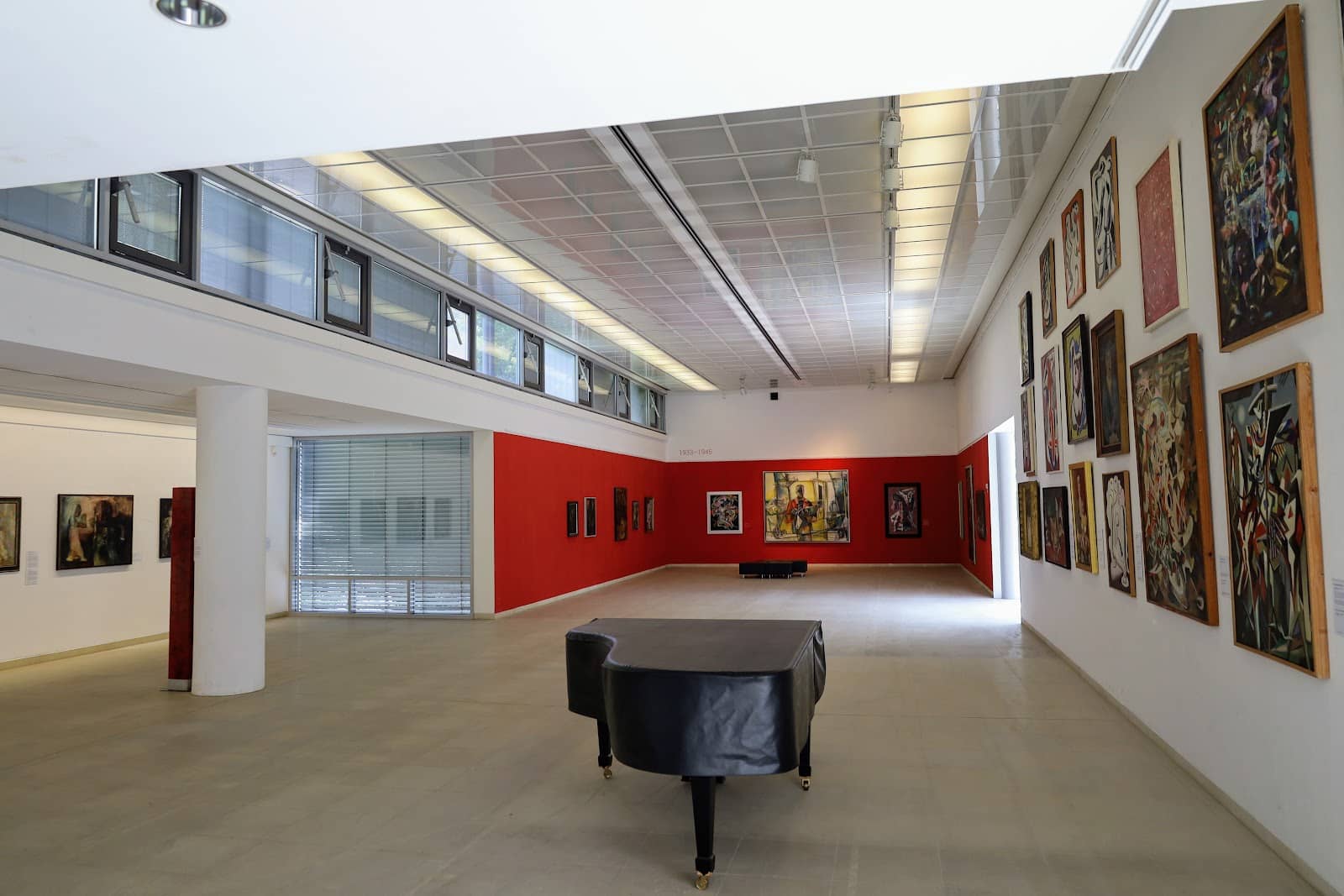
Marian Ruzamski's powerful portraits of concentration camp prisoners, deeply moving and historically significant.
Freedom of the Press Exhibition
An impactful display exploring the vital role of journalism and the challenges faced by reporters worldwide.
Permanent Exhibition
A comprehensive overview of artists persecuted by various regimes, offering profound insights into their struggles.
Plans like a pro.
Thinks like you
Planning Your Visit
Understand the Focus
Check for Special Events
Best Times
Insider Tips
from TikTok, Instagram & Reddit
Allocate ample time
Give yourself enough time to absorb the profound and often challenging exhibits. It's a place for deep contemplation. :clock1:
Engage with guides
If available, young guides can offer unique perspectives, like a Ukrainian artist sharing insights into an exhibition. :bustsinsilhouette:
Check event schedule
Look for special events like choir performances or lectures to enhance your visit. :microphone:
Consider the Rwanda section
Be aware that some visitors find the Rwanda section questionable and recommend critical engagement. :warning:
Tips
from all over the internet
Allocate ample time
Give yourself enough time to absorb the profound and often challenging exhibits. It's a place for deep contemplation. :clock1:
Engage with guides
If available, young guides can offer unique perspectives, like a Ukrainian artist sharing insights into an exhibition. :bustsinsilhouette:
Check event schedule
Look for special events like choir performances or lectures to enhance your visit. :microphone:
Consider the Rwanda section
Be aware that some visitors find the Rwanda section questionable and recommend critical engagement. :warning:
What Travellers Say
Reviews Summary
Visitors praise the Zentrum für verfolgte Künste for its intellectual depth and extraordinary artistic collections, offering a unique glimpse into the lives of persecuted artists. The exhibitions are described as thought-provoking and impactful, providing a valuable alternative to mainstream art. However, some reviews point to controversial programming choices and specific exhibition content that warrants critical consideration.
"Intellectual extraordinary place. Great artistic collections and dynamically active museum."
Talal Nayer
"Today I visited Marian Ruzamski's exhibition "The Art of Memory," which I found very impressive. A young Ukrainian artist was the guide, and that alone was interesting!
Before, the name Ruzamski meant nothing to me, despite the impressive images. Then it dawned on me: he was Jewish and considered homosexual. A no-go both then and after the war. The portraits of concentration camp prisoners he painted in Auschwitz hang in the hall—they really get under your skin!
Do I want to see Gerhard Richter or the Impressionists again? No! Here, I'm given a glimpse into an artist and his paintings that would otherwise have remained inaccessible to me.
Thank you very much!"
Susanne Oehler
"Yes. I was here. There are always good events here that make you think. Here you can see a children's choir. They sang Roma songs."
Monika Maus
What People Like
What People Dislike
Frequently Asked Questions
🚇 🗺️ Getting There
Information on public transport options, parking availability, and general accessibility would be helpful here. As specific transport details are not provided in the input, this section would typically be populated with local transit advice.
Typically, cultural institutions in urban areas are well-served by public transport. It's advisable to check local transit maps or apps for the most direct routes.
Information on nearby parking garages or street parking regulations would be beneficial for visitors arriving by car.
🎫 🎫 Tickets & Entry
Opening hours can vary, so it's best to check the official website or call ahead. Some visitors noted specific events happening on certain days.
Admission fees are not specified in the provided reviews. It's recommended to check the official website for current ticket prices and any potential discounts.
For general admission, booking in advance might not be necessary, but for special events, it's often a good idea to secure your spot early.
While not explicitly stated, the mention of a young Ukrainian artist acting as a guide suggests that guided experiences or talks might be available.
Typically, admission grants access to all open exhibitions. However, it's wise to confirm this upon arrival or on their website.
🎫 🧭 Onsite Experience
The atmosphere is described as intellectual, extraordinary, and deeply impressive, fostering reflection and thought.
Expect powerful portraits, art from persecuted artists, and exhibitions focusing on themes like memory, freedom of the press, and historical injustices.
Marian Ruzamski's 'The Art of Memory' and the 'No Freedom Without Freedom of the Press' exhibition are highly recommended for their impact. +1
While the themes can be heavy, the center hosts events like children's choirs, suggesting some aspects might be accessible. However, the core content is mature.
This exhibition likely addresses the historical suppression and destruction of literature and knowledge, a significant theme for the center.
🍽️ 🍽️ Food & Dining
Information regarding on-site cafes or restaurants is not provided in the reviews. Visitors may need to plan for dining before or after their visit.
Generally, most museums have policies against consuming outside food and drinks in exhibition areas. It's best to check their specific guidelines.
📸 📸 Photography
Photography policies can vary. It's common for personal photography without flash to be permitted in general areas, but specific exhibition rules may apply. Check signage or ask staff.
Focus on capturing the emotional impact of the artwork and the thoughtful presentation of the exhibitions. The powerful portraits and thematic displays offer compelling visual narratives.
For Different Travelers
Tailored advice for your travel style
👨👩👧 Families with Kids
🤔 Thoughtful Travelers
Deep Dives
In-depth insights and expert knowledge
Thematic Focus: Persecution and Resilience
Visitors often find themselves deeply moved by the personal stories and the raw emotion conveyed through the artworks. The center aims to bring these often-forgotten narratives to light, ensuring that the voices of persecuted artists are heard. This commitment to historical preservation and remembrance makes the Zentrum a vital cultural institution.
Exhibitions That Resonate
Key exhibitions, such as Marian Ruzamski's powerful portraits of concentration camp prisoners, leave a lasting impression.
Community Perspectives and Criticisms
However, the reviews also reveal a nuanced view, with some visitors raising specific concerns. One review critically examined the inclusion of a memorial event for Willi Dickhut, whom Wikipedia describes as a Stalinist and Maoist, questioning the museum's broad definition of tolerance or potential practical constraints.
Furthermore, the section dedicated to Rwanda faced strong criticism, with an appeal made to the museum and Reporters Without Borders to revise or remove it due to concerns about perpetuating a false image of Rwanda as a stable democracy.
Social
from TikTok, Instagram & Reddit