Documentation Center Schwerin Former Stasi Prison
A former Stasi prison turned powerful documentation center, offering free admission to explore the history of political imprisonment in Germany.
Highlights
Must-see attractions

Social
From TikTok & Reddit
Best Time
Fewer crowds for reflection
Documentation Center Schwerin Former Stasi Prison
Best Time
Fewer crowds for reflection
Highlights
Must-see attractions
A former Stasi prison turned powerful documentation center, offering free admission to explore the history of political imprisonment in Germany.
"A very interesting museum, free admission, and very informative. Anyone in Schwerin who's interested in history must visit."
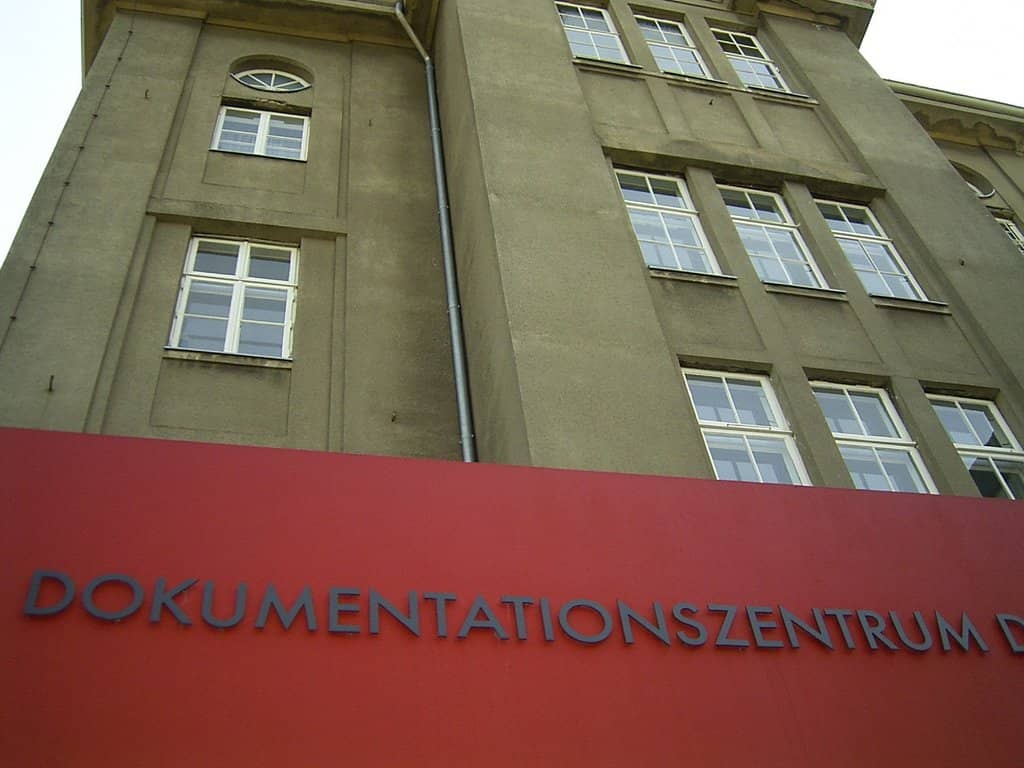
Ring the Bell to Enter
Admission is free, but you must ring the doorbell to gain entry. :bell:
Allow Ample Time
You could spend 1-2 hours reading exhibits, or more if you're deeply interested. :clock:
Highlights
Discover the most iconic attractions and experiences
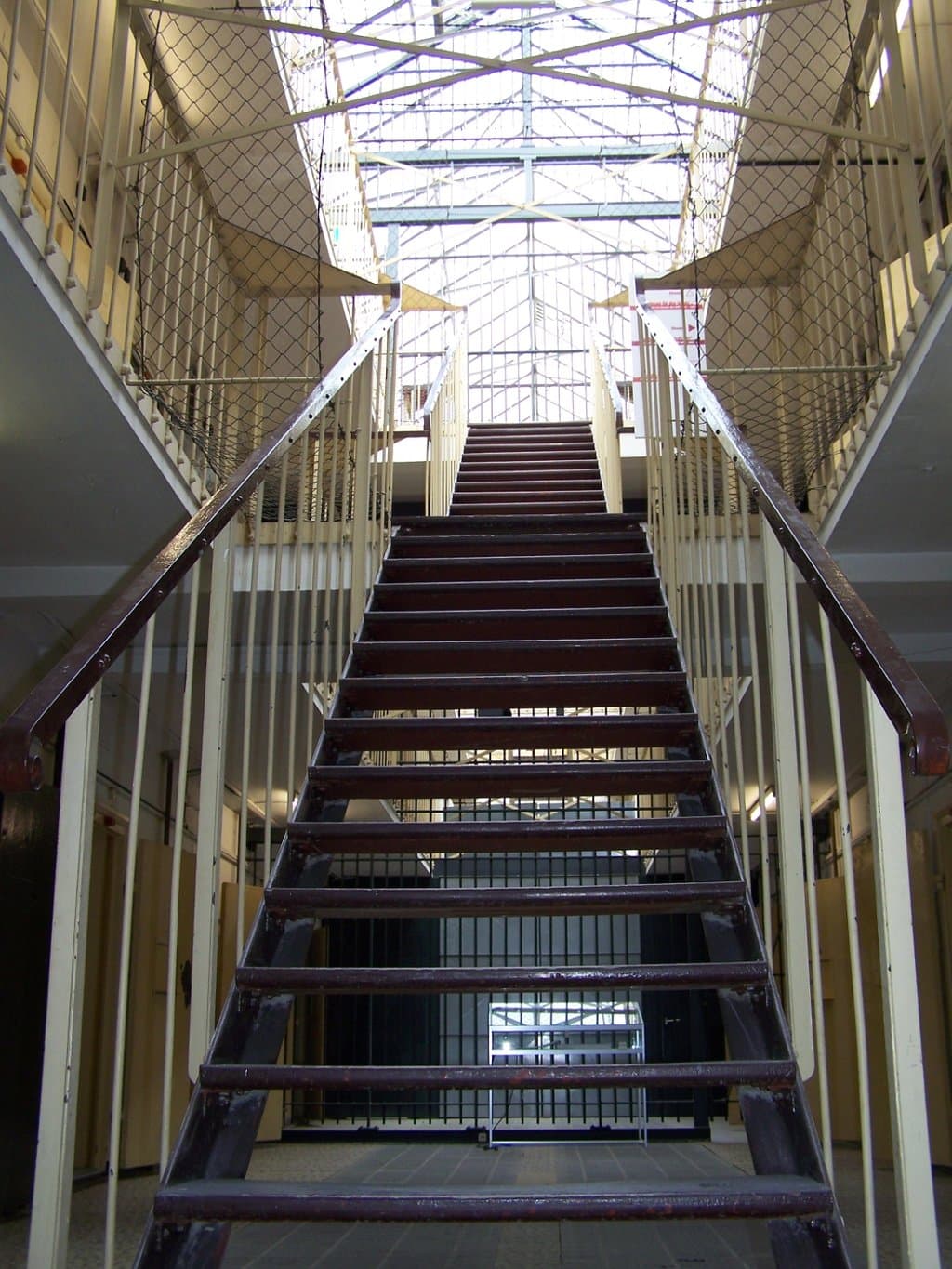
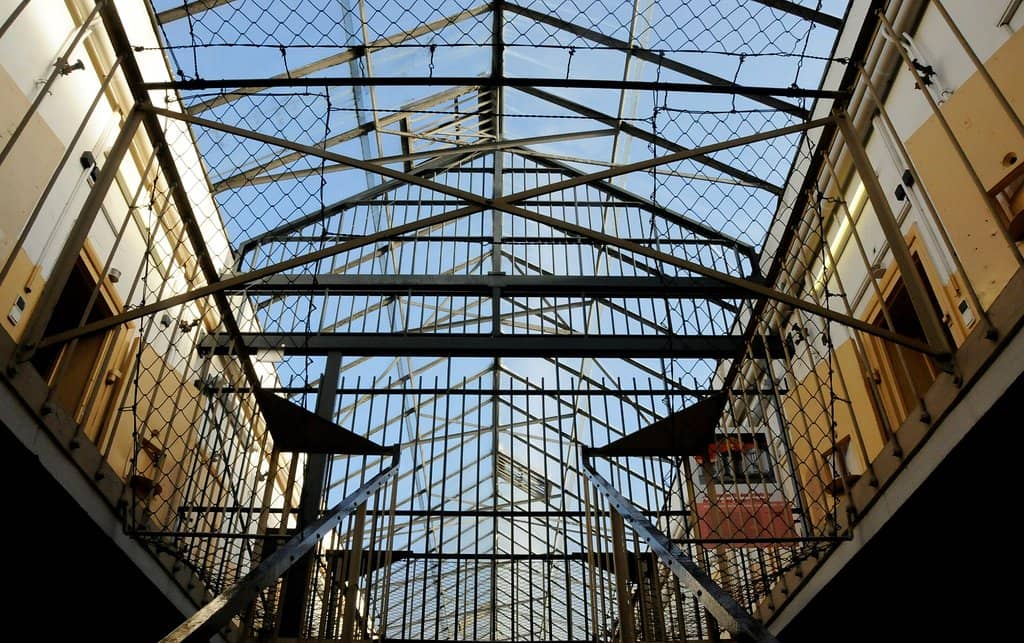
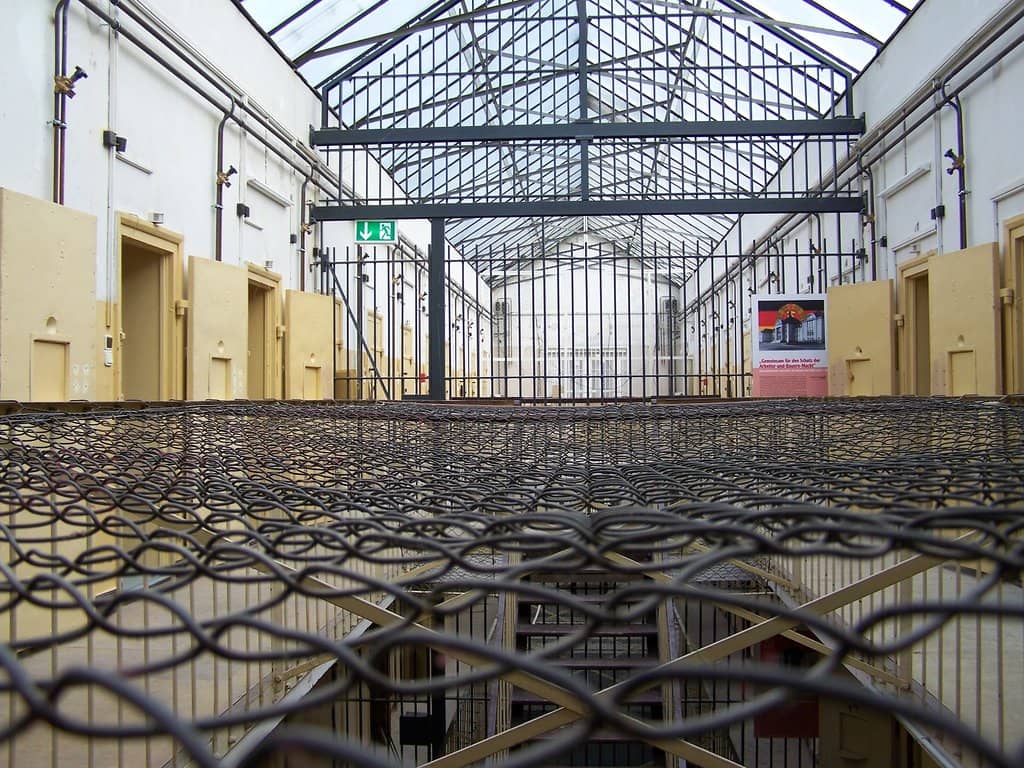
The Prison Cells
Inside the former prison
Step into the preserved cells that once held political prisoners, offering a stark glimpse into their confinement.
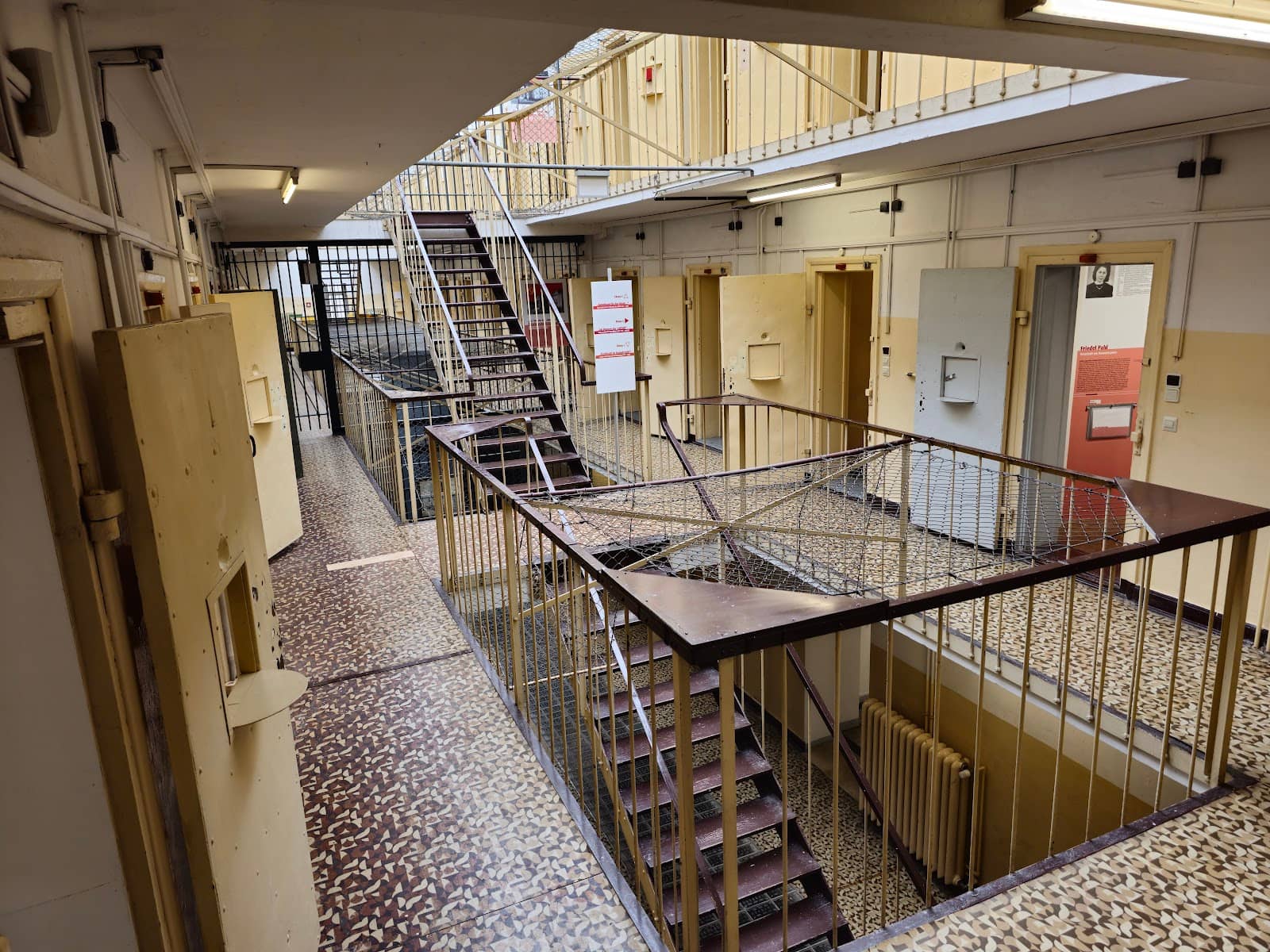
Biographical Exhibits
Exhibition halls
Learn the personal stories of individuals who were imprisoned, highlighting their resilience and struggles.
Methods of Repression
Exhibition halls
Understand the systematic methods of surveillance and repression employed by the Stasi regime.
Plans like a pro.
Thinks like you
Planning Your Visit
Plan Your Visit
Historical Context
Best Times
Insider Tips
from TikTok, Instagram & Reddit
Ring the Bell to Enter
Admission is free, but you must ring the doorbell to gain entry. :bell:
Allow Ample Time
You could spend 1-2 hours reading exhibits, or more if you're deeply interested. :clock:
Engage with Staff
The dedicated staff have great insights and new ideas. Ask them questions! :speech_balloon:
Reflect on History
This is a place for remembrance. Take your time to absorb the powerful stories. :pray:
Tips
from all over the internet
Ring the Bell to Enter
Admission is free, but you must ring the doorbell to gain entry. :bell:
Allow Ample Time
You could spend 1-2 hours reading exhibits, or more if you're deeply interested. :clock:
Engage with Staff
The dedicated staff have great insights and new ideas. Ask them questions! :speech_balloon:
Reflect on History
This is a place for remembrance. Take your time to absorb the powerful stories. :pray:
What Travellers Say
Reviews Summary
Visitors consistently praise the Documentation Center Schwerin for its informative and educational exhibits, highlighting the powerful personal stories of political prisoners. The free admission and dedicated staff are frequently mentioned positives, making it a highly recommended historical site for those interested in German history.
"A small city museum. Free to get in but you must ring the door bell to get the front door opened. Used from before Ww2 till the fall of the DDR it tells and shows the lives of some people who made it and some that did not. I spent 2 and a half hours reading as much as I could but you could visit it in an hour on a rainy day"
Vince Prince
"a small court prison built in 1914 and abused for political prisoners 1933 to 1989 and now a very impressive and educational memorial depicting methods and biographies"
Runamile Czyborra
"Very informative"
Jason Murray
What People Like
What People Dislike
Frequently Asked Questions
🚇 🗺️ Getting There
The Documentation Center Schwerin is located in the city. Public transport options are available, and it's often accessible by foot from the city center. Check local transport schedules for the most convenient routes.
Parking availability can vary. It's advisable to check for nearby public parking garages or street parking regulations before your visit.
🎫 🎫 Tickets & Entry
Opening hours can vary, and it's best to check the official website or call ahead. Remember to ring the doorbell to be let in.
No, admission to the Documentation Center Schwerin is free. This makes it an accessible historical site for everyone.
Advance booking is generally not required as admission is free. However, for group visits or special events, it's always a good idea to inquire.
🎫 🧭 Onsite Experience
Most visitors find that 1 to 2 hours is sufficient to explore the exhibits thoroughly. However, history enthusiasts might want to spend longer reading the detailed accounts.
The content can be intense due to the historical subject matter. It's recommended for older children and teenagers who can understand and process the sensitive historical context.
Information on guided tours may be available. It's best to contact the center directly to inquire about tour schedules and booking options.
Photography policies can vary. It's advisable to check for signage or ask staff members if photography is permitted within the exhibition areas.
🍽️ 🍽️ Food & Dining
Typically, historical documentation centers do not have on-site dining facilities. However, there are usually many cafes and restaurants in the surrounding city area.
It's generally not permitted to consume food and drinks inside exhibition spaces to preserve the artifacts and exhibits. Please check for designated areas if available.
📸 📸 Photography
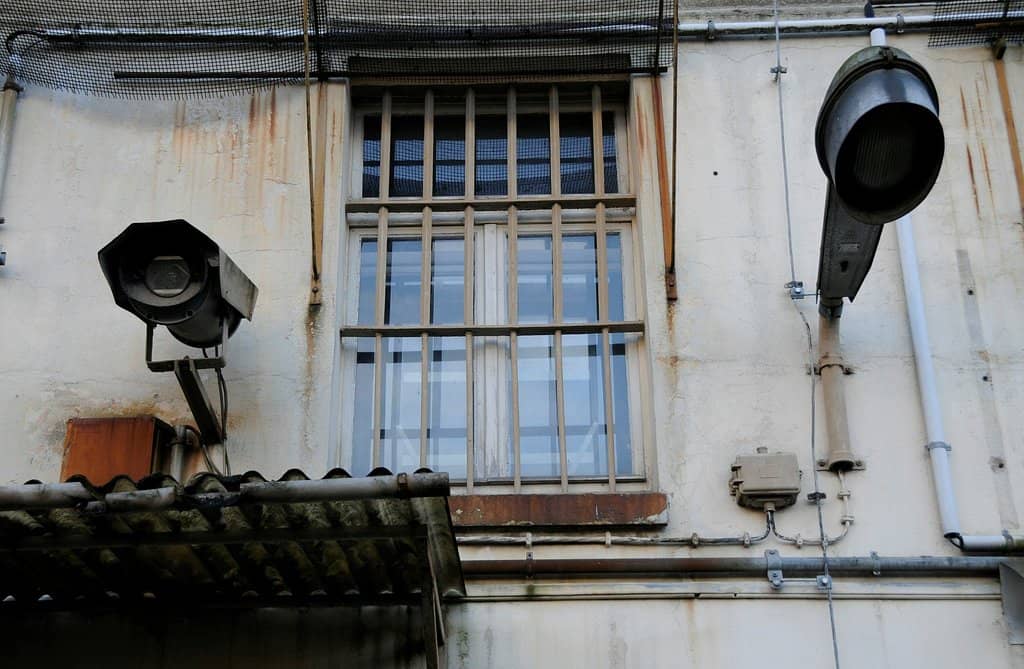
While photography might be restricted inside, the exterior architecture and any designated outdoor areas can offer good photo opportunities. Focus on capturing the atmosphere of the historical site.
For Different Travelers
Tailored advice for your travel style
History Enthusiasts
Consider dedicating at least two hours to fully absorb the information. The staff are noted for their dedication and willingness to share knowledge, so don't hesitate to engage with them for a richer understanding of the historical context.
Educational Groups
It's recommended to prepare students beforehand about the sensitive nature of the content. The staff's engagement and 'great new ideas' suggest they are well-equipped to support educational visits. Ensure you ring the bell to gain entry and allow ample time for thorough exploration.
Deep Dives
In-depth insights and expert knowledge
Understanding the Stasi's Role
Visitors can explore exhibits that showcase the Stasi's methods, including their vast network of informants, sophisticated surveillance technology, and interrogation techniques. The personal biographies of prisoners provide a human face to the statistics, illustrating the devastating impact of the Stasi's actions on individuals and families. The center emphasizes the importance of remembering this period to prevent future abuses of power.
This historical site serves as a crucial reminder of the fragility of freedom and the importance of vigilance against authoritarianism. It's a place for reflection on the past and a commitment to democratic values.
Navigating the Exhibits
Key areas include the preserved prison cells, which offer a visceral experience of confinement. The biographical exhibits are particularly moving, presenting detailed accounts of the lives, struggles, and fates of those who were incarcerated. These personal stories are often the most impactful part of a visit, humanizing the historical events.
Pay close attention to the displays detailing the methods of repression used by the Stasi. These exhibits often include artifacts, documents, and explanations of surveillance techniques, providing a comprehensive understanding of the regime's control mechanisms. The staff's dedication and new ideas are also highlighted, suggesting an ongoing effort to make the history accessible and relevant.


Social
from TikTok, Instagram & Reddit