Peenemünde Historical Technical Museum
Explore the birthplace of rockets and the complex history of WWII technology and space exploration at this unique museum.
Highlights
Must-see attractions

Social
From TikTok & Reddit
Best Time
Fewer crowds, more focus
Peenemünde Historical Technical Museum
Best Time
Fewer crowds, more focus
Highlights
Must-see attractions
Explore the birthplace of rockets and the complex history of WWII technology and space exploration at this unique museum.
"An exquisite museum showing the history of this place and deadly rockets in a comprehensive way."
Allocate Ample Time
Plan for at least 2.5-3 hours to explore the extensive exhibits and read the information panels.
Audio Guide Recommended
Enhance your understanding with the informative audio guide, available in multiple languages.
Highlights
Discover the most iconic attractions and experiences
The Power Station Museum
Main Museum Building
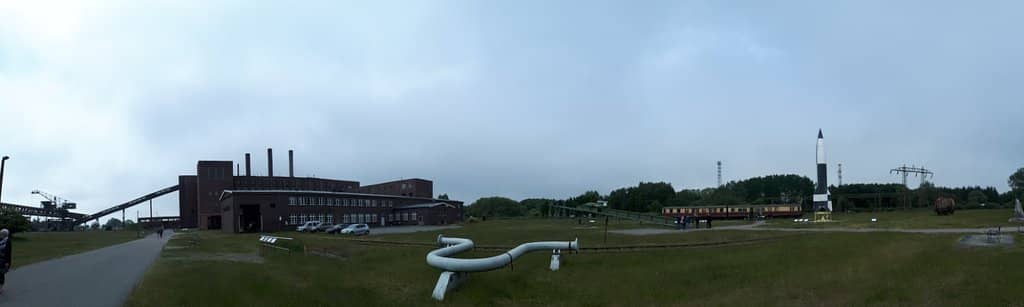
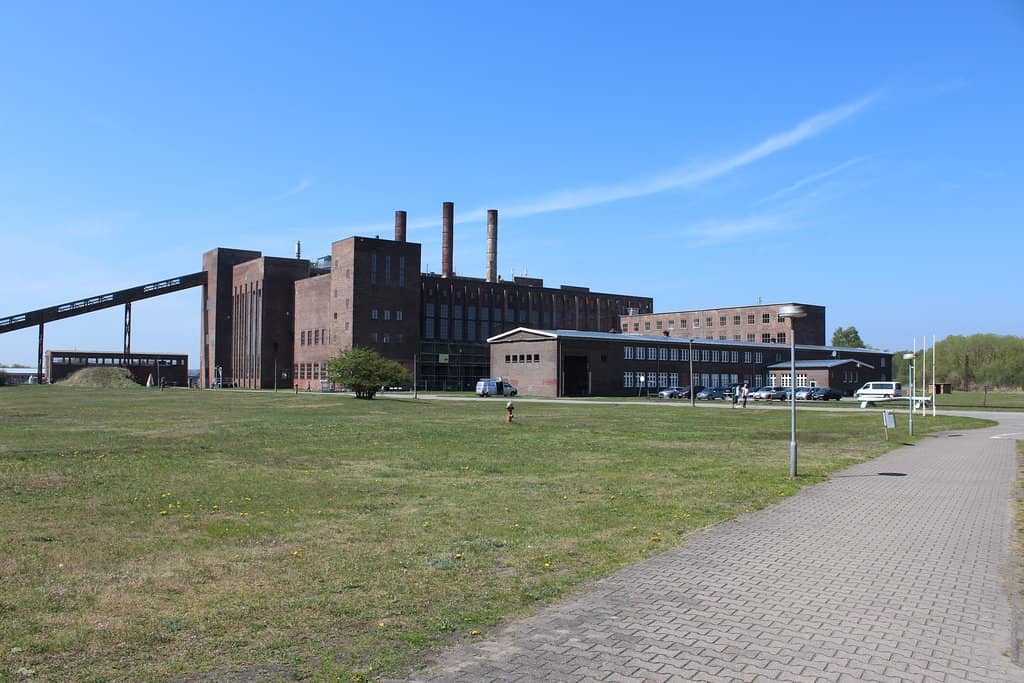
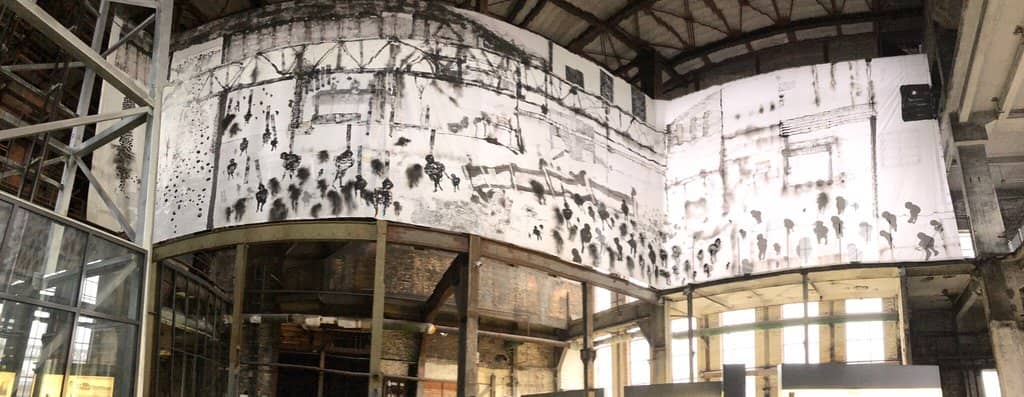
Explore the preserved power station, the heart of the former rocket development site, now housing extensive exhibits.
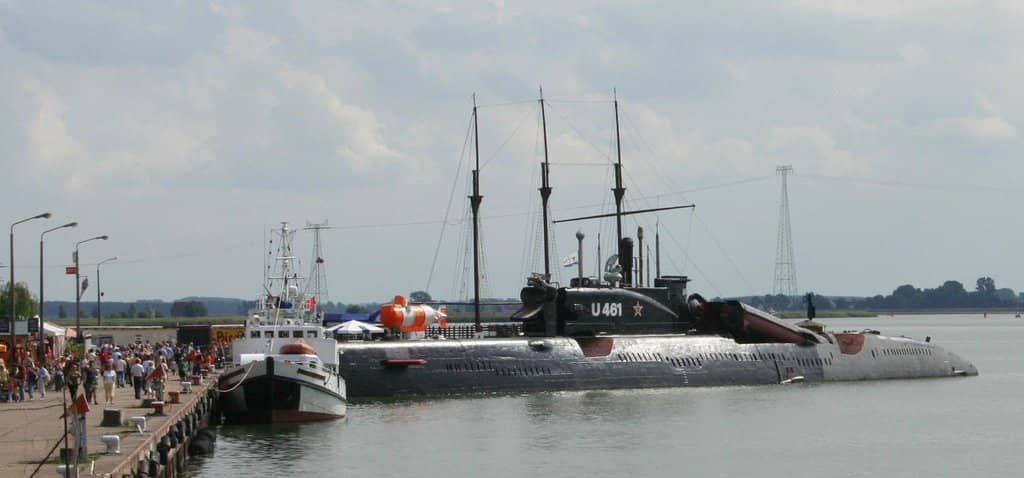
U-461 Submarine
Harbor Docks
Step inside a massive Soviet-era submarine, offering a stark contrast to the rocket history.
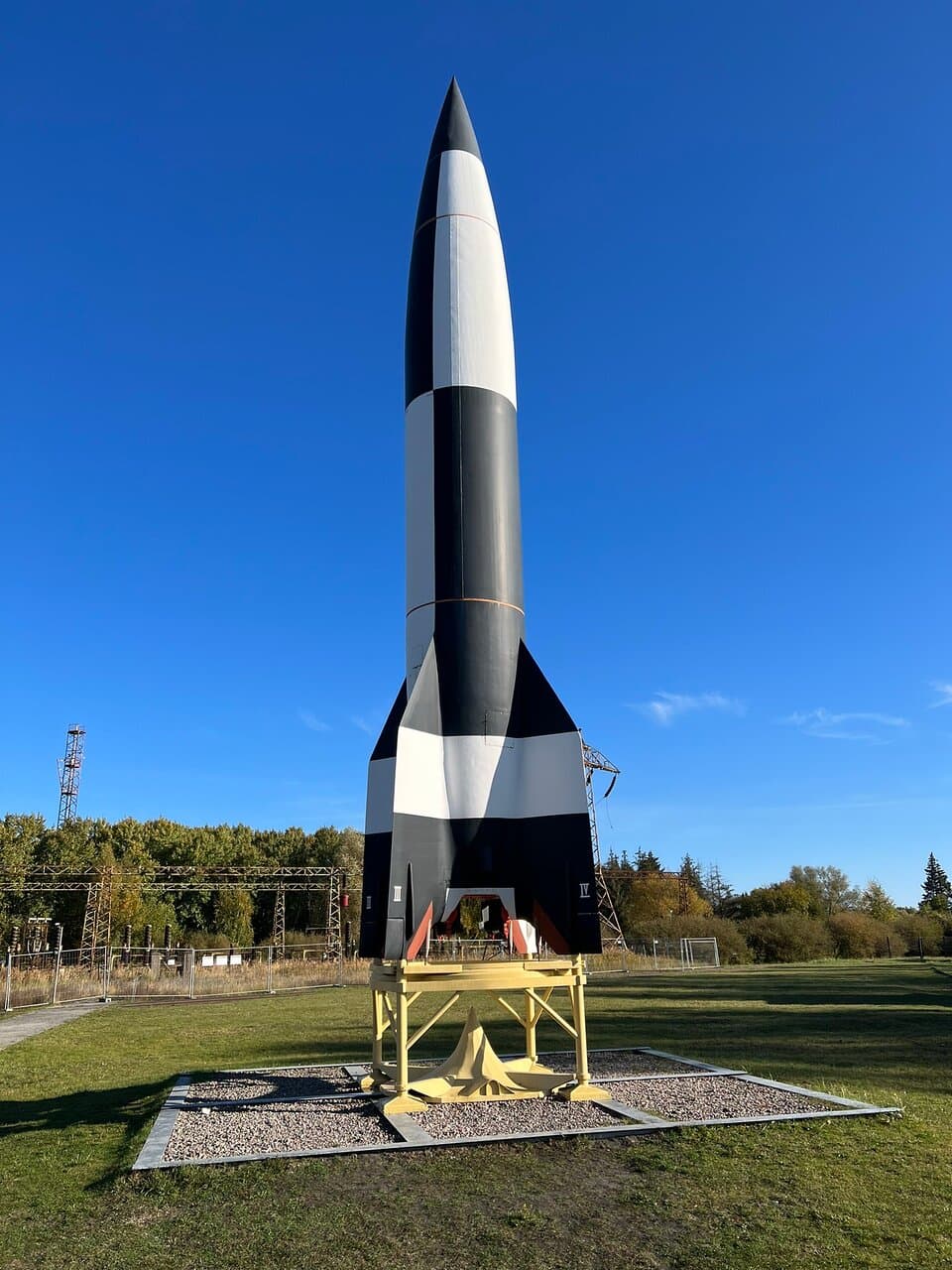
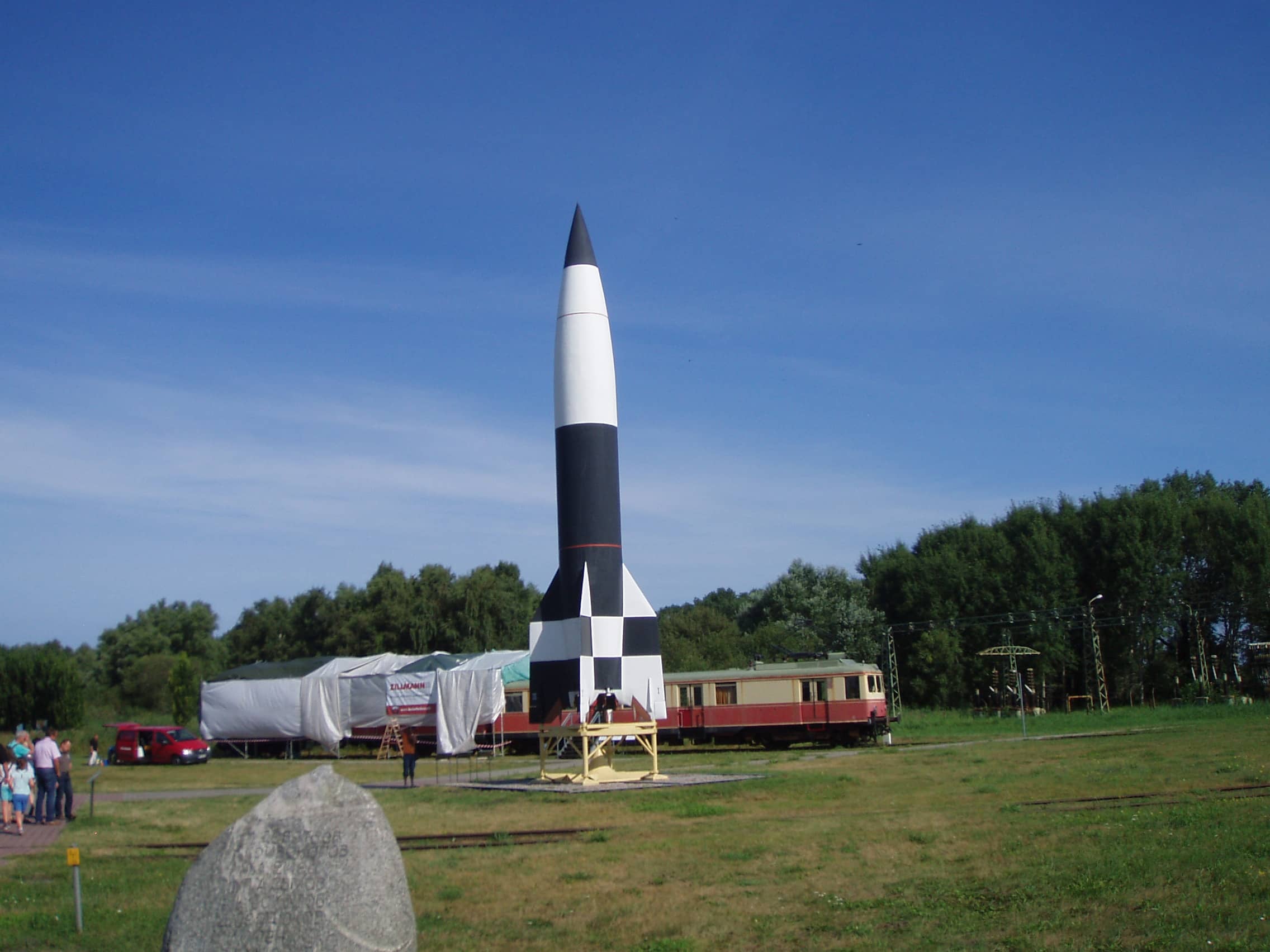
V-2 Rocket Exhibits
Various Exhibition Halls
Discover the story of the V-2 rocket, from its development to its impact, a key part of space travel history.
Viewing Platform
Elevator Access
Ascend for panoramic views of the Baltic Sea and the historical grounds, a recommended addition to your visit.
Plans like a pro.
Thinks like you
Planning Your Visit
Timing Your Visit for Deeper Understanding
Beyond the Museum Walls
Best Times
Insider Tips
from TikTok, Instagram & Reddit
Allocate Ample Time
Plan for at least 2.5-3 hours to explore the extensive exhibits and read the information panels.
Audio Guide Recommended
Enhance your understanding with the informative audio guide, available in multiple languages.
Combine with Submarine Visit
Your ticket often includes access to the U-461 submarine and a German military ship.
Rooftop View Bonus
Pay the small fee for the rooftop elevator for amazing sea views!
Tips
from all over the internet
Allocate Ample Time
Plan for at least 2.5-3 hours to explore the extensive exhibits and read the information panels.
Audio Guide Recommended
Enhance your understanding with the informative audio guide, available in multiple languages.
Combine with Submarine Visit
Your ticket often includes access to the U-461 submarine and a German military ship.
Rooftop View Bonus
Pay the small fee for the rooftop elevator for amazing sea views!
Parking Convenience
Parking is available on-site, charged hourly or a daily flat rate.
Kid-Friendly Zone
There's a dedicated museum area specifically designed for children.
Historical Significance
Understand the site's role in WWII and the dawn of space travel. 
What Travellers Say
Reviews Summary
Visitors consistently praise the Peenemünde Historical Technical Museum for its comprehensive and well-presented history of rocket development and its impact. The preserved power station and the inclusion of the U-461 submarine are frequently highlighted as major draws. While the depth of information is appreciated, some find the sheer volume requires significant time to absorb.
"The entrance ticket currently costs €13.50, with an additional €2.50 for the audio guide and €1.50 for admission to the viewing platform. Parking costs €1 per hour or €5 for the whole day.
There are lots of information panels in the museum, so the length of your visit will depend mainly on how much you want to read them. There is also a cinema where a documentary is shown. My visit, during which I only read a small part of the panels, lasted 2½ hours.
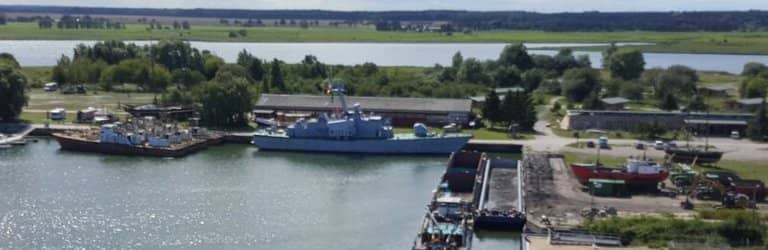
In addition to this, you can take a walk along the harbor docks and visit the interior of a submarine abandoned here by the Soviet Union and a German military ship; there is also a museum particularly aimed at children.
All the large buildings and missile launch pads have been destroyed, with the sole exception of the power station, which remained in operation until 1990 and was then converted into this museum.
Once upon a time, there was a quiet fishing and farming village with about 500 inhabitants, who certainly never imagined that in the future it would become one of the most important places in a world war and for the conquest of the Moon.
Due to its isolation and geographical characteristics, in 1935 Peenemünde was identified as the ideal location for secret missile research, and by 1937 it had already been transformed into a small town.
Scientists working on two separate projects were brought together there: the first was the Fielser flying bomb, renamed V-1 (“Vergeltungswaffen 1”), of which about 30,000 were produced.
The second was the Aggregat missile, which was designed in 10 different versions; almost 5,800 units of the Aggregat 4, renamed V-2, were mass-produced.
Upon discovering the existence of the secret base, the British RAF decided to destroy it completely with an attack carried out by 596 bombers on the night of August 17-18, 1943, but some of the targets were missed and the concentration camps where prisoners assigned to forced labor lived were also hit.
Weapons production was moved to less vulnerable locations, but in 1944 there were three more bombings.
In February 1945, the Third Reich military demolished what they considered important to prevent it from falling into the hands of the advancing Soviet troops, who conquered the base three months later. In turn, under international agreements, the Soviet military dismantled or transported what was left to the USSR, saving the power plant and the airport.
The missiles that had not been launched became spoils of war, and the scientists who did not die in the bombings went to work in the research centers of the victorious nations.
Wernher von Braun, the brilliant mind who designed the V-2 rockets, had been appointed major in the SS even though he had devoted himself solely to scientific work. Nevertheless, in 1944 he was arrested by the Gestapo for crimes against the state, but given his importance to the project, he was rehabilitated and allowed to return to lead it.
At the end of the war, SS troops were ordered to kill him, but he managed to escape by crossing Germany with false documents to surrender to the Americans.
In the United States, Von Braun, together with other German scientists from the Aggregat project and US scientists, designed the Jupiter-C rocket that put the first American satellite into Earth orbit. They then built the Saturn V rocket, which, as part of the Apollo program, enabled man to reach the Moon.
Thanks to its beautiful beach, Peenemünde has become a seaside resort, with remnants of World War II scattered across a vast area. Only with a guided tour can you access the fenced-off area where the “Prüfstand VII” launch base was located."
Fabio Da Roit
"This is an exquisite museum! I was really surprised that the authors of the exposition show the history of this place and the history of this deadly rocket in such a comprehensive way. I recommend taking the audio guide (available in different languages, including Polish) - it's very informative and interesting."
Łukasz Czechowski
"This museum is fantastic! So much information and the way it has being layered out is very impressive. I spent almost three hours and unfortunately could not read all the material! The highlight was being able to visit a power plant! If you love history and engineering, this place is a must!! Entrance tickets can be bought on entrance bunker paid card or cash!"
Virginia L
What People Like
What People Dislike
Frequently Asked Questions
🚇 🗺️ Getting There
The museum is located on the island of Usedom. Driving is a common way to reach it, with parking available on-site. Public transport options might involve buses or ferries depending on your starting point on the island. Check local transport schedules for the most up-to-date information.
Yes, there is parking available at the museum. It is charged per hour or with a daily flat rate, making it convenient for visitors arriving by car.
While driving is popular, public transport options exist. Buses serve the island of Usedom, and you may need to connect to reach Peenemünde. Ferries can also be an option depending on your location. It's advisable to research specific routes from your accommodation.
Usedom Island can be reached by car via bridges or by train to nearby cities, followed by local transport. The nearest major airports are in Heringsdorf and Szczecin. Many visitors arrive by car, especially those on a road trip.
Peenemünde itself is a small area, but the surrounding island of Usedom offers a wide range of accommodations, from hotels and guesthouses to holiday apartments and campsites. Booking in advance is recommended, especially during peak season.
🎫 🎫 Tickets & Entry
The entrance ticket is currently €13.50. Additional fees apply for the audio guide (€2.50) and the viewing platform (€1.50).
Yes, entrance tickets can be bought at the entrance. Payment can be made by card or cash.
Information on specific discounts (e.g., for students, seniors, or groups) is best checked directly with the museum or on their official website. It's always a good idea to inquire about potential concessions.
Opening hours can vary seasonally. It's recommended to check the official website of the Peenemünde Historical Technical Museum for the most current operating times before your visit.
Yes, the museum ticket typically includes access to the interior of the U-461 submarine and a German military ship located nearby.
🎫 🧭 Onsite Experience
A visit typically lasts around 2.5 to 3 hours, depending on how much you read of the extensive information panels.
Yes, an audio guide is available for an additional fee and is highly recommended for a more in-depth understanding of the exhibits. It's available in multiple languages.
Beyond the main power station museum, you can explore the U-461 submarine, a German military ship, and the historical grounds including remnants of launch pads.
Yes, there is a museum area specifically aimed at children, making it a family-friendly destination.
Photography policies can vary. Generally, personal photography for non-commercial use is permitted, but it's always best to check for any specific restrictions within certain exhibits or on the museum's official guidelines.
📸 📸 Photography
The preserved power station building itself offers striking industrial architecture. The U-461 submarine provides unique interior and exterior shots. The viewing platform offers panoramic views of the coast and the historical site.
While personal photography is usually allowed, it's wise to check for any specific prohibitions within certain exhibits or areas. Flash photography might be restricted to protect artifacts.
A wide-angle lens can be useful for capturing the scale of the power station and the submarine. For the viewing platform, a zoom lens might be beneficial. Consider a sturdy tripod if you plan to shoot in lower light conditions.
Generally, yes, but always be mindful of signage indicating 'no photography' zones. The historical context of these artifacts makes for powerful imagery.
The surrounding area offers views of the Baltic Sea and the historical landscape. The remnants of the test site, though largely destroyed, can still be evocative.
For Different Travelers
Tailored advice for your travel style
👨👩👧 Families with Kids
Plan for a visit of at least 2.5 hours, as there's a lot to see. The viewing platform offers a fun way to see the surroundings, and the documentary screenings can provide a visual break. Pack snacks and drinks, as options within the museum might be limited, and ensure comfortable shoes for exploring the various exhibits and vessels.
🤔 History Buffs & Engineering Enthusiasts
Don't miss the opportunity to delve into the post-war impact of this technology on the space race. The U-461 submarine and the military ship offer additional layers of military history. The audio guide is highly recommended to fully appreciate the technical details and historical context. Allocate ample time, as you'll want to absorb the wealth of information presented.
🚗 Road Trippers & Day-Trippers
Combine your visit with exploring the beaches and other attractions on Usedom Island. The museum offers a unique historical perspective that contrasts with the more leisurely seaside activities. Consider purchasing tickets and audio guides in advance if you're on a tight schedule, though on-site purchase is also straightforward.
Deep Dives
In-depth insights and expert knowledge
The Legacy of Peenemünde: From WWII Terror to Space Exploration
+1However, the story doesn't end with WWII. The scientific advancements made at Peenemünde, particularly the V-2 technology, were crucial for the post-war space race. Many of the scientists, including Wernher von Braun himself, were brought to the United States, where they played a pivotal role in developing rockets like the Jupiter-C and the Saturn V, which ultimately enabled humanity to reach the Moon. The museum effectively bridges this narrative, showing how a site of destruction also became a cradle of space travel.
Visitors can explore the preserved power station, which miraculously survived Allied bombings and was operational until 1990. This imposing structure now houses extensive exhibits that chronicle the site's transformation. The museum's comprehensive approach ensures that visitors leave with a profound understanding of Peenemünde's dual legacy – as a symbol of wartime destruction and a foundational element of modern space exploration.
Exploring the Exhibits: Beyond the Rockets
A significant draw is the opportunity to explore the U-461 submarine, a former Soviet vessel docked in the harbor. This provides a tangible contrast to the rocket technology and offers insights into naval warfare of the Cold War era. Additionally, a German military ship is often accessible, further broadening the scope of military history presented.
For younger visitors, a dedicated children's museum area offers interactive and engaging ways to learn about the historical context. The museum also screens documentaries, providing visual context and deeper dives into specific aspects of the site's past. The viewing platform, accessible via an elevator, is a highly recommended addition, offering expansive views of the Baltic coast and the historical grounds.




Social
from TikTok, Instagram & Reddit