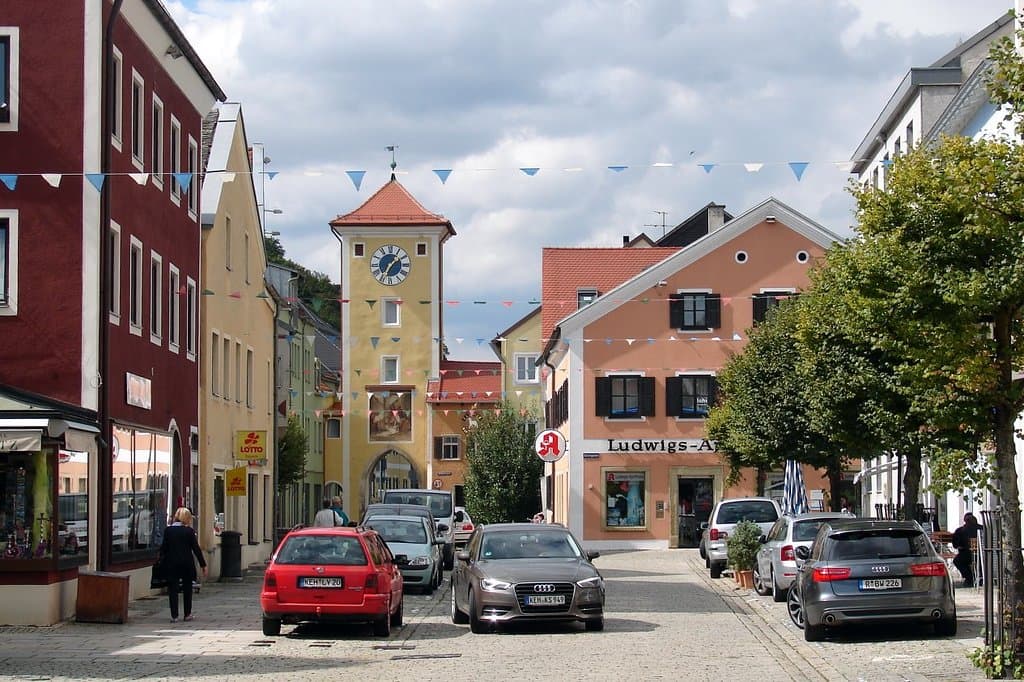
Mittertor City Gate Kelheim
A 14th-century medieval city gate in Kelheim, featuring a striking fresco commemorating a local historical revolt.
Highlights
Must-see attractions

Social
From TikTok & Reddit
Best Time
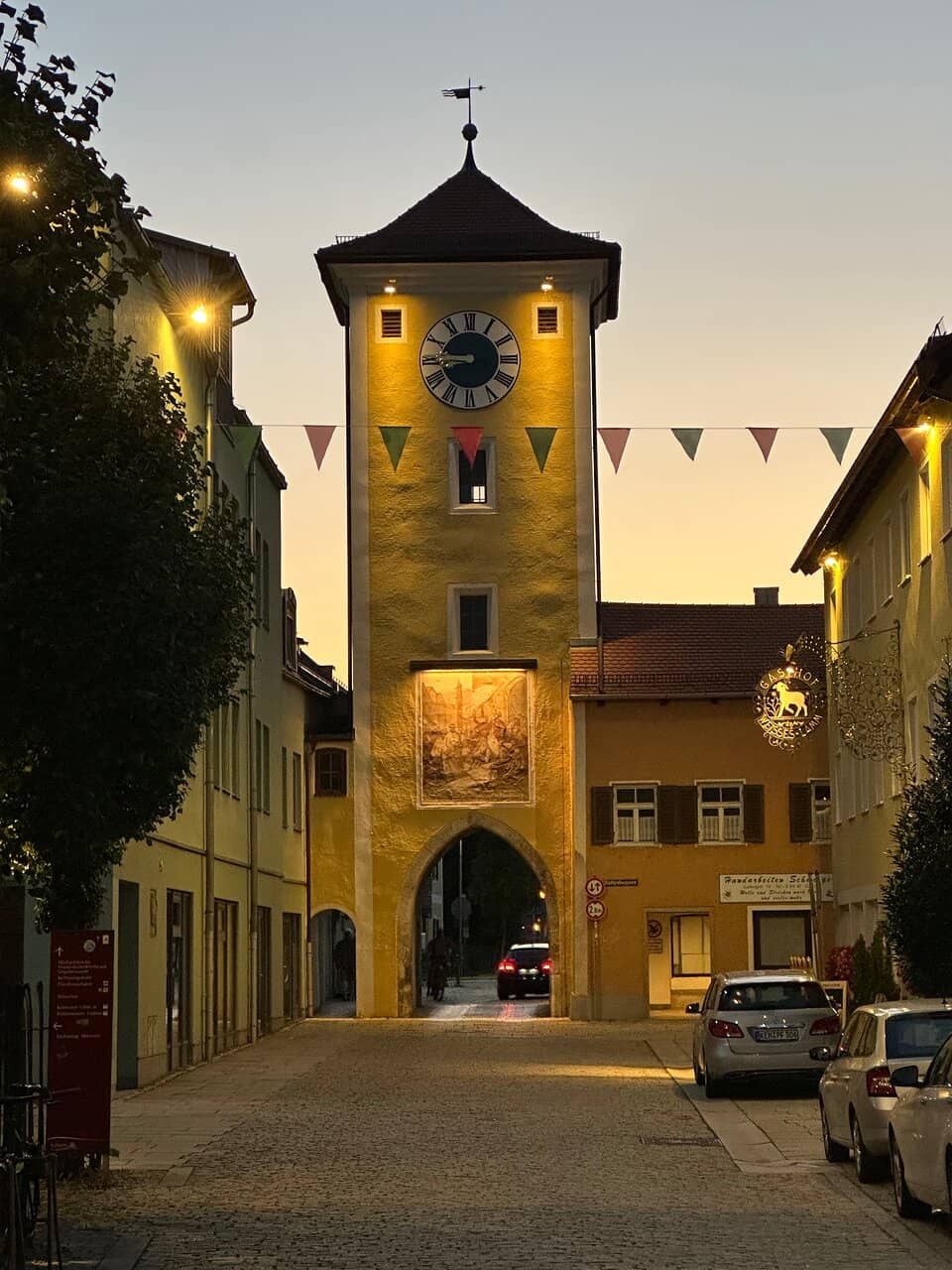
Golden hour light on fresco
Mittertor City Gate Kelheim
Best Time
Golden hour light on fresco
Highlights
Must-see attractions
A 14th-century medieval city gate in Kelheim, featuring a striking fresco commemorating a local historical revolt.
"The Mittertor impresses with its clear lines and a beautiful fresco honoring a key figure in city history."
📸 Capture the Fresco
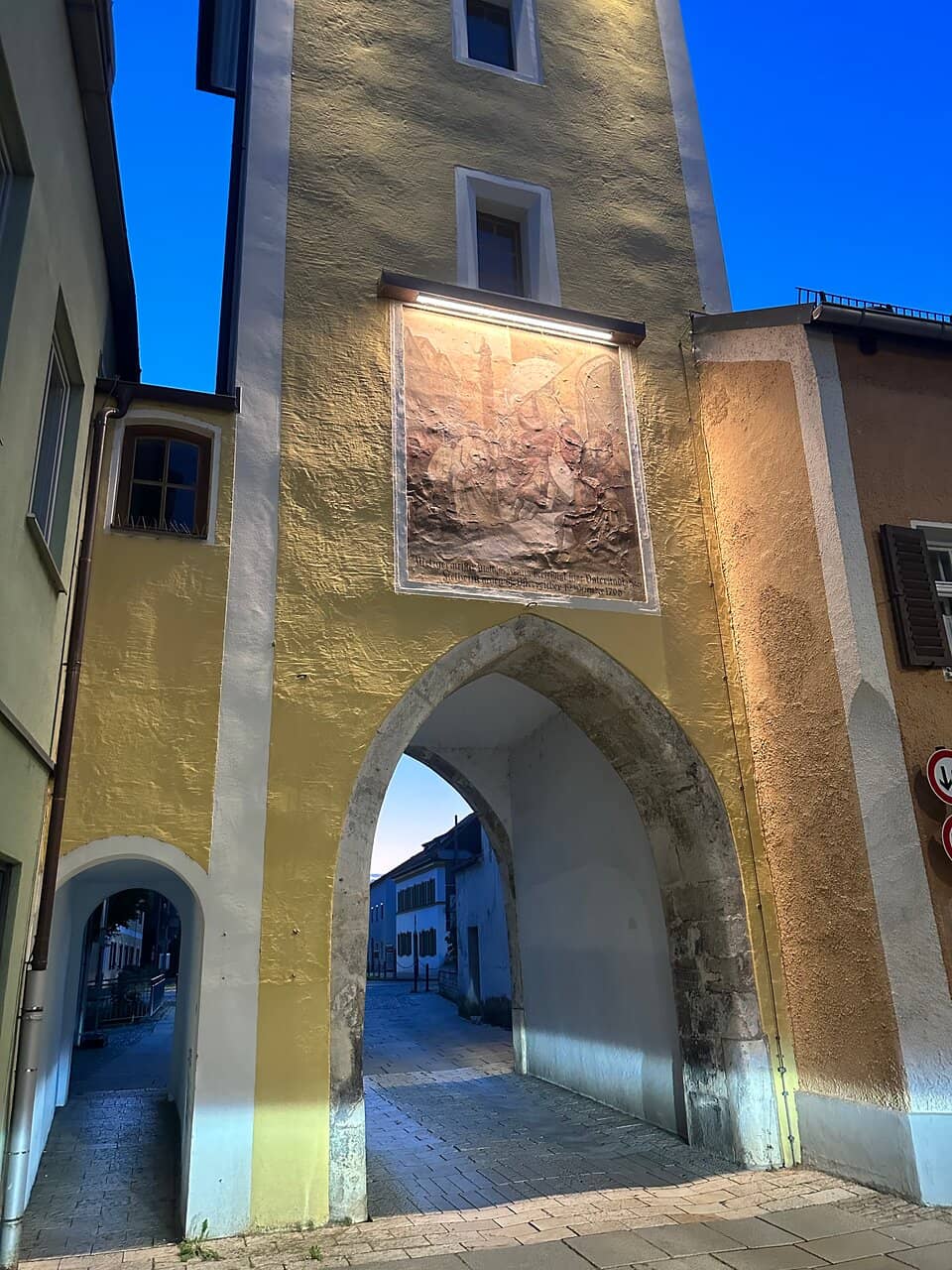
The inner fresco is a highlight; try to get a good angle for photos during daylight.
🚶♂️ Explore the Old Town
The Mittertor is a gateway to Kelheim's historic center, so plan time to wander.
Highlights
Discover the most iconic attractions and experiences
The Matthias Kraus Fresco
Inner side of the tower
A vibrant 1904 fresco commemorating local hero Matthias Kraus and his revolt.
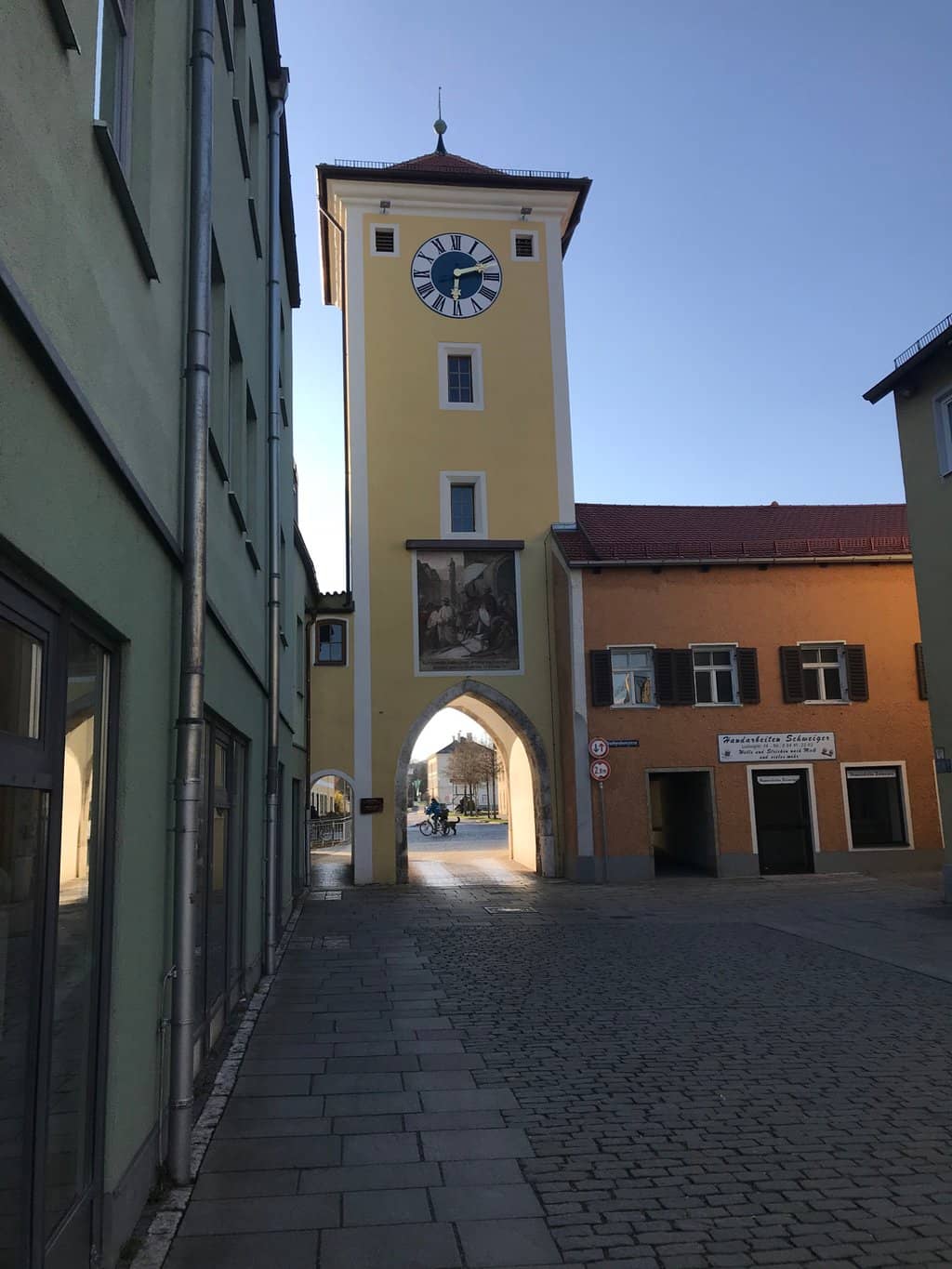
Medieval Architecture
City Gate
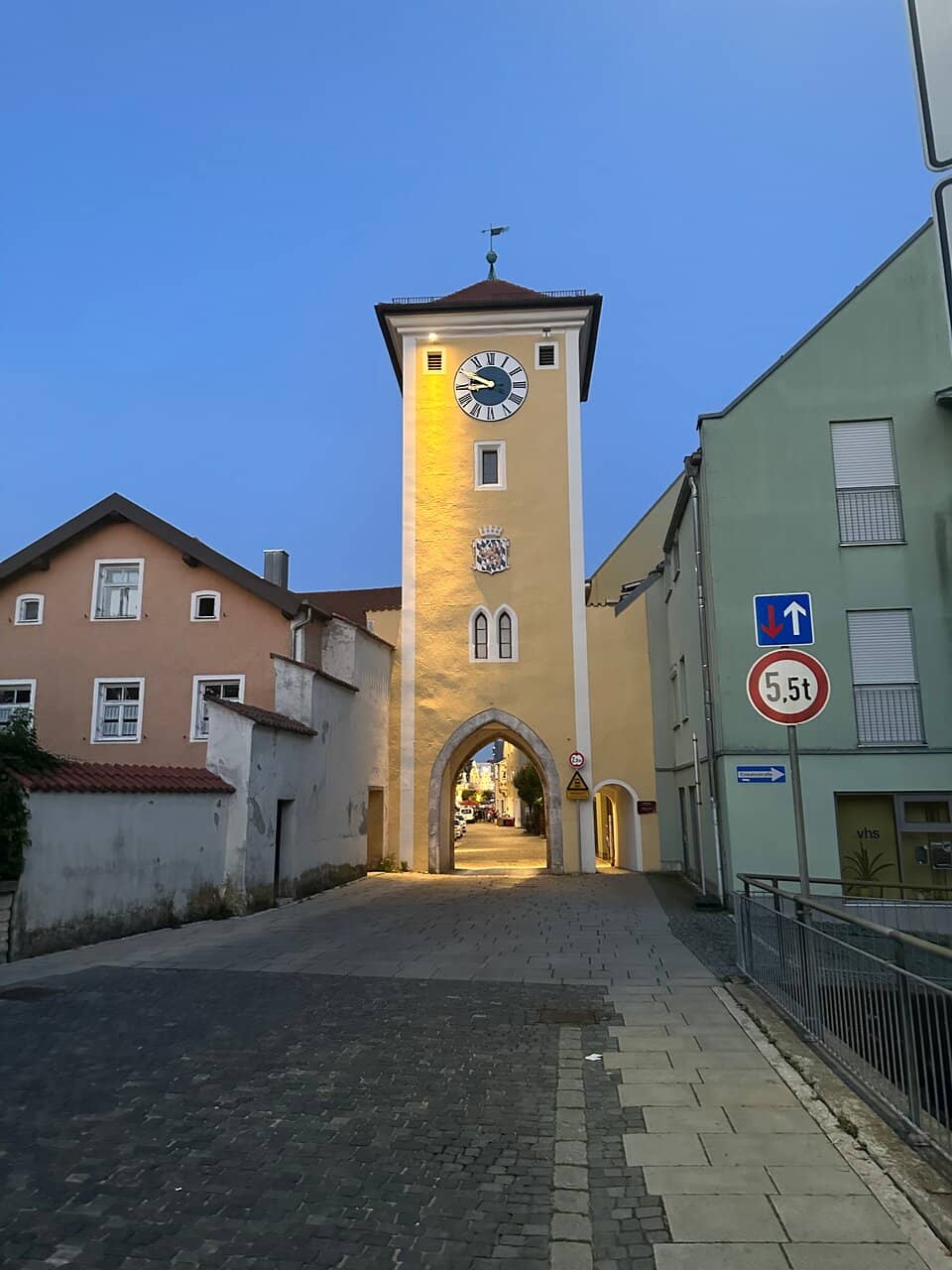
Admire the 14th-century fortified tower, a testament to Kelheim's historical defenses.
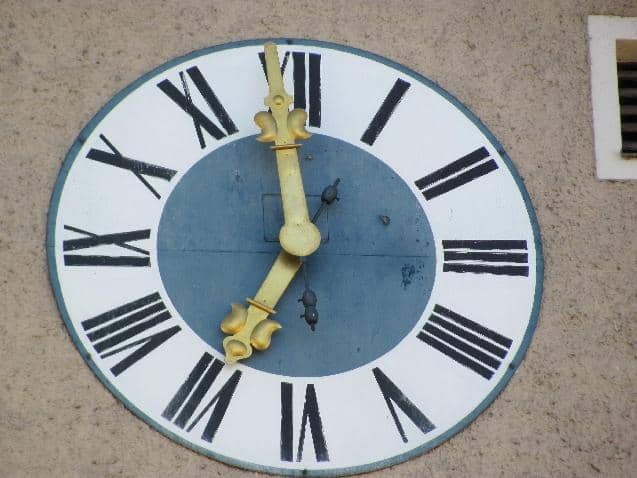
Tent-Style Roof
Top of the tower
Note the distinctive tent-style roof, a later addition that distinguishes it from its original saddle-shaped design.
Plans like a pro.
Thinks like you
Planning Your Visit
Timing Your Visit
Understanding the Fresco
Best Times
Insider Tips
from TikTok, Instagram & Reddit
📸 Capture the Fresco
The inner fresco is a highlight; try to get a good angle for photos during daylight.
🚶♂️ Explore the Old Town
The Mittertor is a gateway to Kelheim's historic center, so plan time to wander.
💡 Learn the History
Research Matthias Kraus beforehand to fully appreciate the fresco's significance.
Tips
from all over the internet
📸 Capture the Fresco
The inner fresco is a highlight; try to get a good angle for photos during daylight.
🚶♂️ Explore the Old Town
The Mittertor is a gateway to Kelheim's historic center, so plan time to wander.
💡 Learn the History
Research Matthias Kraus beforehand to fully appreciate the fresco's significance.
What Travellers Say
Reviews Summary
Visitors praise the Mittertor for its well-preserved medieval architecture and the striking fresco depicting local history. It's often highlighted as a beautiful and significant landmark in Kelheim's old town, offering a glimpse into the past.
"The Mittertor is one of Kelheim’s three medieval city gates, originally constructed in the 13th century as part of the town’s fortifications. This defensive tower once featured a saddle-shaped roof; in the early 19th century it was rebuilt with a tent-style roof, similar to those on the other gates.
A striking feature of the Mittertor is the fresco painted on the inner side of the tower in 1904 by Georg Lickleder. It commemorates local butcher Matthias Kraus, who led a revolt against Austrian occupiers on December 12, 1705. The original painting is now preserved in the Bavarian National Museum in Munich."
Anna Krzak
"A beautiful city gate from the 14th century and with a fresco"
Benseer Mohamed
"The Mittertor impresses with its clear lines. Here too, a beautiful fresco honors Matthias Kraus, who shaped the history of the city in his time. For us the most beautiful of the 3 goals in Kelheim"
Marco
What People Like
What People Dislike
Frequently Asked Questions
🚇 🗺️ Getting There
The Mittertor is centrally located in Kelheim's old town, easily accessible on foot from most accommodations. If arriving by car, look for public parking in the vicinity. It's a key landmark, so asking locals for directions is also an option.
Kelheim has a bus network, and many routes will bring you close to the old town center where the Mittertor is situated. Check local bus schedules for the most convenient stops.
Yes, the Mittertor is a short and pleasant walk from the Danube River promenade in Kelheim, making it an easy addition to a riverside stroll.
🎫 🎫 Tickets & Entry
No, the Mittertor is a historical monument and a public thoroughfare. You can view the exterior and the interior fresco freely without purchasing a ticket.
As an outdoor city gate, the Mittertor is accessible at all times. However, the fresco is best viewed during daylight hours for optimal visibility.
There is no entrance fee to visit the Mittertor City Gate. It's a free historical site for all visitors to enjoy.
🎫 🧭 Onsite Experience
Inside the Mittertor, you'll find a significant fresco painted in 1904 by Georg Lickleder, depicting the local butcher Matthias Kraus leading a revolt. The original painting is now in Munich, but the replica is still impressive.
A quick visit to admire the architecture and the fresco can take around 15-20 minutes. If you plan to read about its history or explore the surrounding old town, allocate more time.
The exterior of the Mittertor is generally accessible. However, the interior passage and the fresco area might have uneven surfaces or steps, so caution is advised for those with mobility challenges.
The Mittertor is one of Kelheim's original medieval city gates, built in the 14th century as part of the town's fortifications. It played a role in the town's defense and history, notably through the fresco commemorating a local uprising.
📸 📸 Photography
For exterior shots, frame the gate with the charming old town streets. Inside, focus on capturing the details and scale of the Matthias Kraus fresco. Late afternoon light can enhance the colors.
Yes, photography of the fresco inside the Mittertor is generally permitted for personal use. Be mindful of other visitors and avoid using flash if it might disturb them.
For Different Travelers
Tailored advice for your travel style
👨👩👧 Families with Kids
🚶 History Buffs & Architecture Enthusiasts
Deep Dives
In-depth insights and expert knowledge
A Glimpse into Kelheim's Defenses
Beyond its defensive purpose, the Mittertor holds a special place in local lore due to the fresco adorning its inner wall. Painted in 1904 by Georg Lickleder, this artwork commemorates a pivotal moment in Kelheim's history: the revolt led by local butcher Matthias Kraus against Austrian occupiers on December 12, 1705. While the original fresco is now preserved in the Bavarian National Museum in Munich, the replica at the Mittertor continues to tell this compelling story, making the gate a site of both architectural and historical interest for visitors.
The Story Behind the Fresco
Travelers often find the fresco to be a striking visual element, offering a direct link to a specific, dramatic event in Kelheim's past. Although the original artwork has been moved to the Bavarian National Museum in Munich for preservation, the replica at the Mittertor remains a powerful testament to the town's spirit and its historical struggles. It's a detail that many visitors find particularly memorable, adding a layer of depth to their exploration of the city gate.
Social
from TikTok, Instagram & Reddit