
German Wine Route
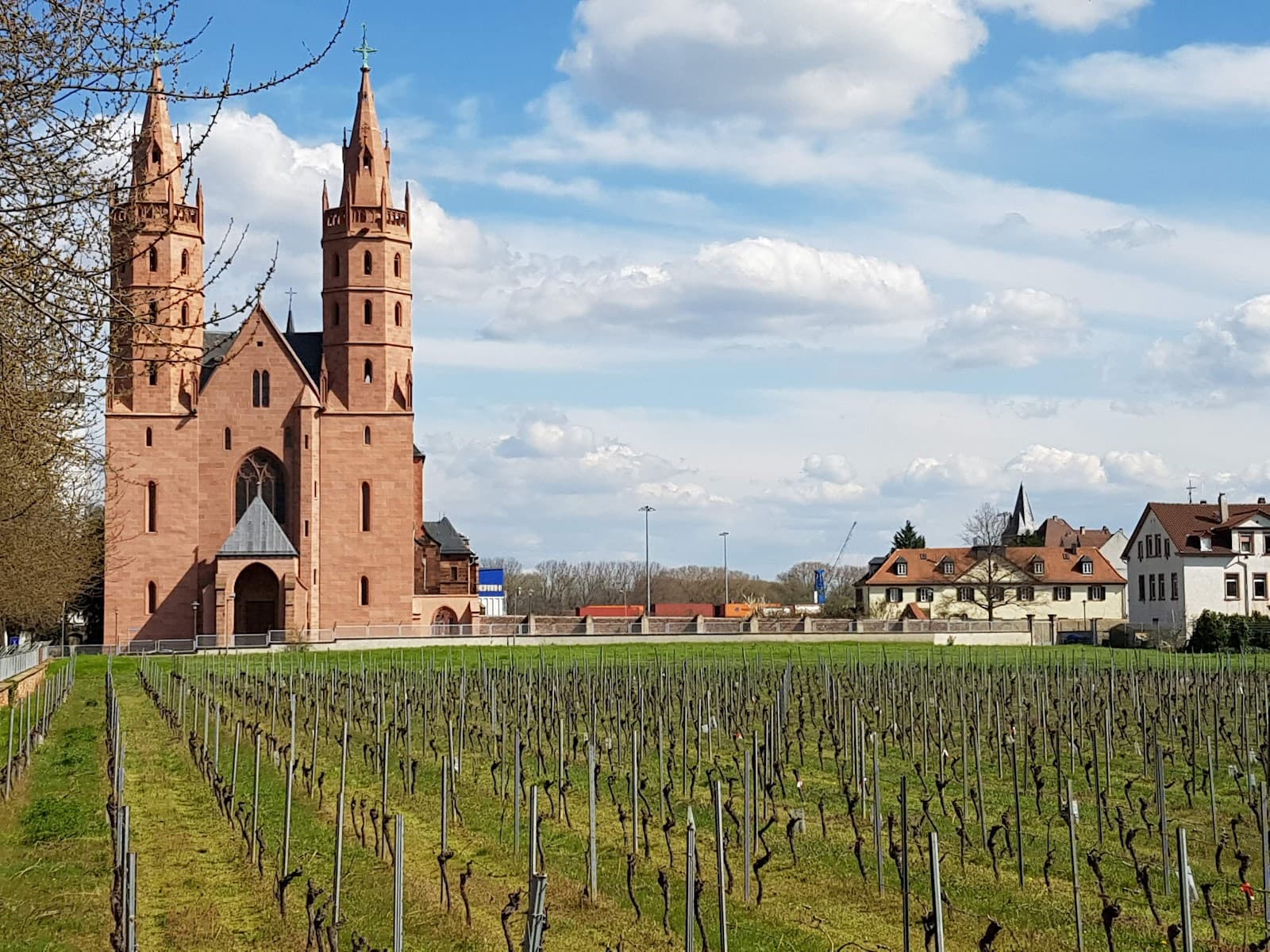
Germany's oldest tourist route, winding through vineyards and charming villages, famed for its exceptional Riesling and wine festivals.

Highlights
Must-see attractions

Social
From TikTok & Reddit
Best Time
Blooming vineyards, mild weather
German Wine Route
Best Time
Blooming vineyards, mild weather
Highlights
Must-see attractions
Germany's oldest tourist route, winding through vineyards and charming villages, famed for its exceptional Riesling and wine festivals.

🚗 Rent a Car for Freedom
A car offers the most flexibility to explore the German Wine Route and its many wineries at your own pace. 🚗
🍷 Book Winery Tours Ahead
Popular wineries can get busy, especially during peak season. Booking tours and tastings in advance is recommended. :wine_glass:

Quick Facts
Highlights
Discover the most iconic attractions and experiences
Charming Wine Villages
Various towns along the route
Explore picturesque villages like Deidesheim and Bernkastel-Kues, known for their half-timbered houses and historic charm.

Vineyard Hikes
Surrounding hills and vineyards
Trek through rolling vineyards, enjoying breathtaking views and the scent of grapes. Many trails lead to scenic overlooks.

Wine Festivals
Throughout the route, seasonal
Immerse yourself in local culture at vibrant wine festivals, celebrating harvest and regional wines with music and food.
Plans like a pro.
Thinks like you
Planning Your Visit
Best Time to Visit
Getting Around
Best Times
Insider Tips
from TikTok, Instagram & Reddit
🚗 Rent a Car for Freedom
A car offers the most flexibility to explore the German Wine Route and its many wineries at your own pace. 🚗
🍷 Book Winery Tours Ahead
Popular wineries can get busy, especially during peak season. Booking tours and tastings in advance is recommended. :wine_glass:
🚴 Cycle Between Villages
For a scenic and active experience, consider cycling. Many routes are well-maintained and offer beautiful vineyard views. :athletic_shoe:
🗺️ Get a Detailed Map
A good German Wine Route map is essential for navigating between charming towns and finding hidden wineries. 🗺️
Tips
from all over the internet
🚗 Rent a Car for Freedom
A car offers the most flexibility to explore the German Wine Route and its many wineries at your own pace. 🚗
🍷 Book Winery Tours Ahead
Popular wineries can get busy, especially during peak season. Booking tours and tastings in advance is recommended. :wine_glass:
🚴 Cycle Between Villages
For a scenic and active experience, consider cycling. Many routes are well-maintained and offer beautiful vineyard views. :athletic_shoe:
🗺️ Get a Detailed Map
A good German Wine Route map is essential for navigating between charming towns and finding hidden wineries. 🗺️
What Travellers Say
Reviews Summary
Visitors rave about the picturesque scenery, charming villages, and exceptional quality of the wines, particularly Riesling. The route offers a perfect blend of natural beauty, cultural exploration, and culinary delights. Some find navigating between smaller wineries challenging without a car, and festival times can lead to higher crowds and prices.
What People Like
What People Dislike
Frequently Asked Questions
🚇 🗺️ Getting There
The German Wine Route is accessible by car, with major airports like Frankfurt (FRA) and Stuttgart (STR) within driving distance. Many towns along the route are also connected by regional train services, making it possible to explore without a car, though a vehicle offers the most flexibility for visiting wineries. Consider using a German Wine Route map to plan your journey.
Driving on the German Wine Route is generally straightforward. Roads are well-maintained, and signage is clear. However, be aware of narrow village streets and potential for slow-moving agricultural vehicles. A good German Wine Road map will be invaluable.
Yes, you can use public transport. Trains connect many of the larger towns, and local buses can help you reach smaller villages. However, accessing more remote wineries might be challenging without a car or organized tour. Planning with a German Wine Route map is key.
For maximum flexibility, driving is recommended. Cycling is a popular and scenic option for shorter distances between villages. Trains are efficient for longer hops between major towns on the German Wine Road.
Yes, numerous guided tours are available, ranging from day trips to multi-day itineraries. These tours often include transportation, winery visits, and tastings, taking the stress out of planning your German Wine Road itinerary.
🎫 🎫 Tickets & Entry
There are no general admission tickets required to drive or walk along the German Wine Route itself. However, individual wineries may charge for tours, tastings, or special events. It's wise to check in advance, especially for popular spots.
Winery opening hours vary greatly. Many are open daily during tasting season, often from late morning to early evening. Some smaller producers may have limited hours or require appointments, so checking their specific times is advised.
No, the villages themselves are public spaces and do not have entrance fees. You are free to wander through their streets and admire the architecture. Fees typically only apply to specific attractions within the villages, like museums or certain wine cellars.
Wine tasting costs can range from €5 to €20 per person, depending on the number of wines tasted and the prestige of the winery. Some wineries offer complimentary tastings with a purchase, while others include it in a guided tour price.
It is highly recommended to book wine tastings in advance, especially during peak season (summer and harvest time) or if you are visiting on a weekend. This ensures availability and can sometimes secure you a better experience. 🎟️
🍽️ 🍷 Wine & Dining
The region is renowned for its Riesling, which comes in various styles from dry to sweet. Also, look out for Pinot Blanc (Weissburgunder), Pinot Gris (Grauburgunder), and Dornfelder for red wine enthusiasts. Exploring local specialties is part of the fun!
Absolutely! The German Wine Route boasts excellent dining options, from traditional 'Weinstuben' (wine taverns) serving hearty regional cuisine to upscale restaurants offering modern interpretations. Many feature local produce and, of course, local wines.
German wines, especially Riesling, pair wonderfully with a variety of dishes. Try them with pork dishes, poultry, seafood, and even spicy Asian cuisine. The acidity of Riesling cuts through richness and complements many flavors.
Yes, purchasing wine directly from the vineyards is a highlight of visiting the German Wine Route. Most wineries have a 'Straußwirtschaft' or 'Besenwirtschaft' (seasonal wine taverns) where you can taste and buy their wines, often with simple food offerings.
'Straußwirtschaften' are seasonal wine taverns run by vintners. They are typically open for a few weeks each year, offering their own wines and simple, homemade food. Look for a broom (Strauß) hanging outside, indicating they are open.
📸 📸 Photography
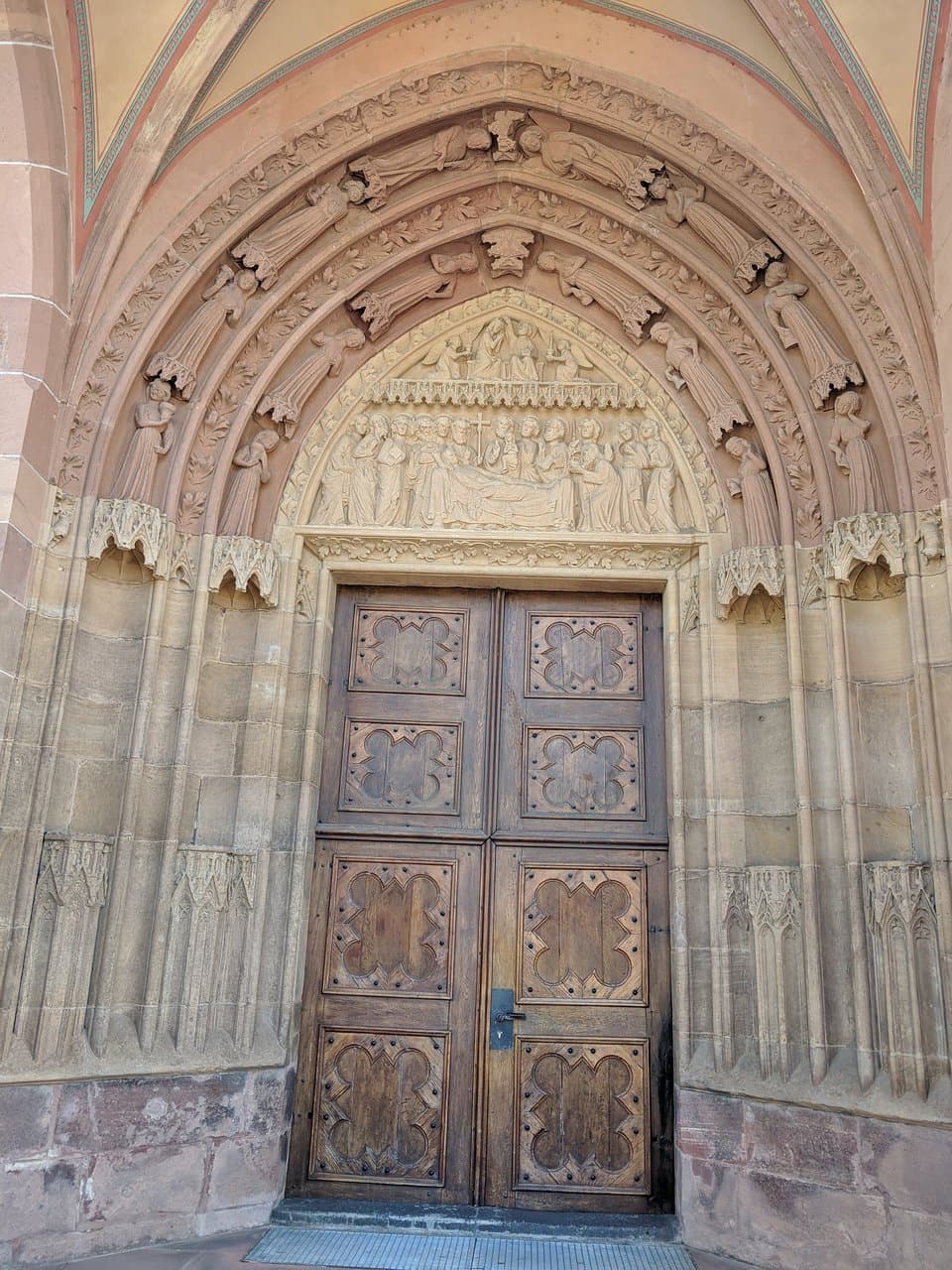
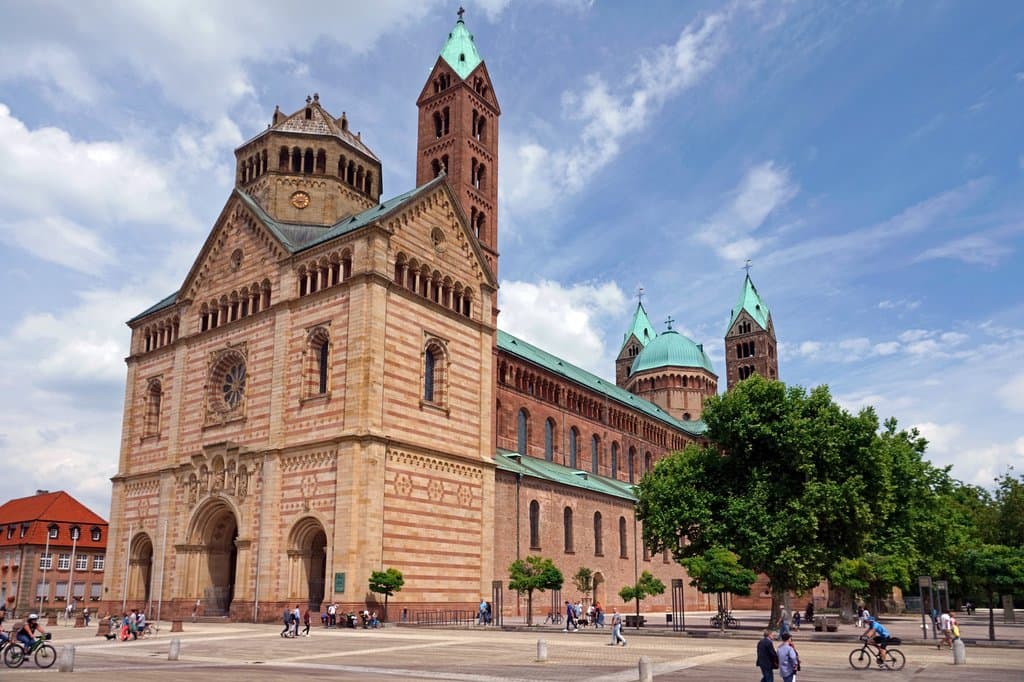
Charming villages like Bernkastel-Kues with its medieval market square, the vineyards during golden hour, and scenic overlooks offer fantastic photo opportunities. Don't miss the picturesque half-timbered houses and the winding roads through the vines.
The 'golden hours' – shortly after sunrise and before sunset – provide the most beautiful, soft light for photographing the vineyards and villages. Midday sun can be harsh, so consider indoor activities or shaded spots during that time.
Drone regulations in Germany are strict. You generally need permission to fly drones, especially over populated areas or private property. Always check local regulations and respect privacy before flying.
A versatile lens (like a 24-70mm) is great for landscapes and village shots. A wide-angle lens can capture expansive vineyard views. A tripod is useful for low-light conditions or capturing long exposures of vineyards at sunrise/sunset.
Most wineries are happy for you to take photos, especially of the cellar or tasting room. However, it's always polite to ask permission before taking extensive photos, particularly if it might disrupt other guests or the winemaking process.

Social
from TikTok, Instagram & Reddit