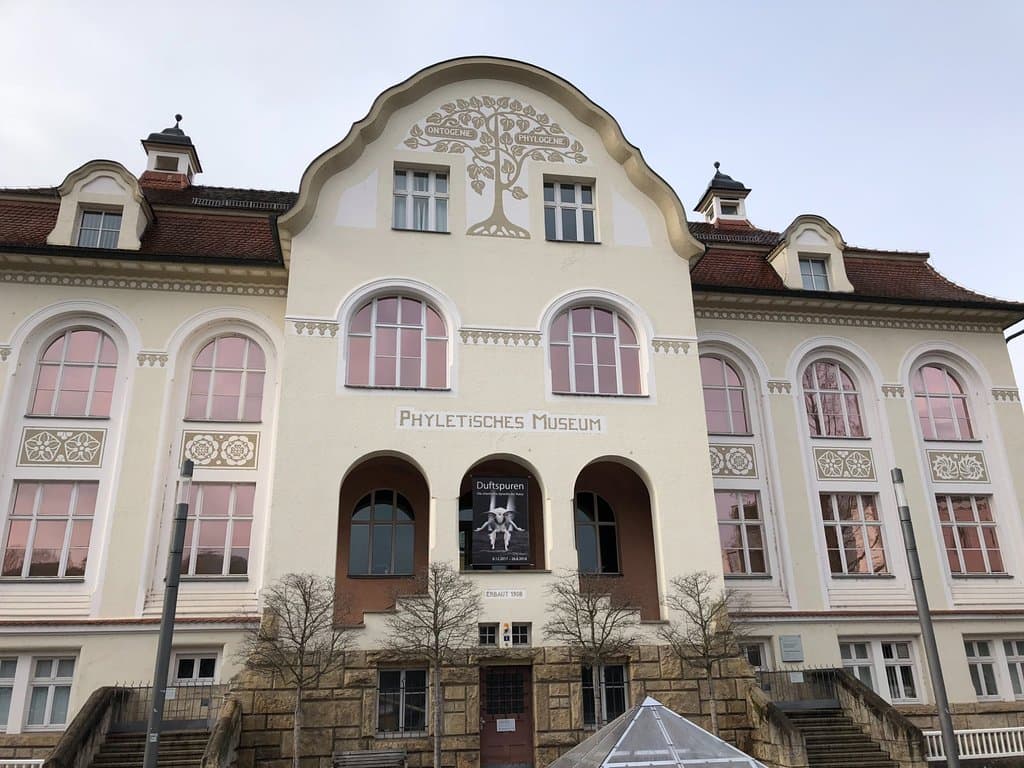
Phyletisches Museum Jena
Explore evolution and life's development in a stunning Art Nouveau building, featuring a unique amber collection and Ernst Haeckel's legacy.
Highlights
Must-see attractions

Social
From TikTok & Reddit
Best Time
Fewer crowds, more focus
Phyletisches Museum Jena
Best Time
Fewer crowds, more focus
Highlights
Must-see attractions
Explore evolution and life's development in a stunning Art Nouveau building, featuring a unique amber collection and Ernst Haeckel's legacy.
"This place is amazing. They actually present science! You learn things!"
📸 Capture the Details
The detailed models and specimens are incredibly photogenic. Don't forget your camera! :camerawithflash:
📚 Brush up on German
While amber exhibits are bilingual, other displays are in German. A little knowledge goes a long way! :books:
Highlights
Discover the most iconic attractions and experiences
Amber Collection
Main exhibition hall
Marvel at ancient life preserved in amber, with bilingual descriptions for key specimens.
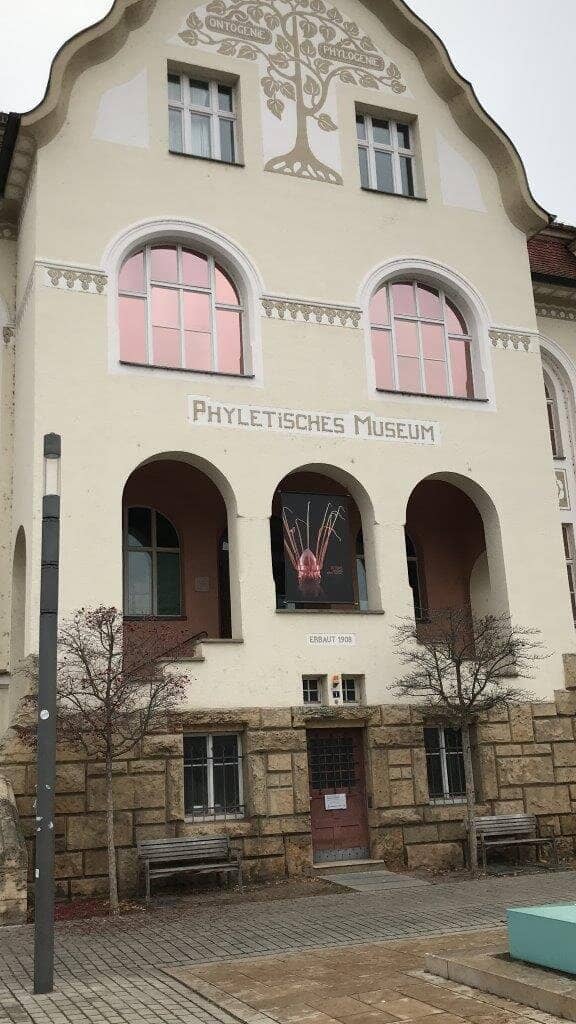
Haeckel's Legacy
Throughout the museum
Explore exhibits dedicated to Ernst Haeckel's pioneering work in ecology and evolution.
Art Nouveau Architecture
Exterior and interior
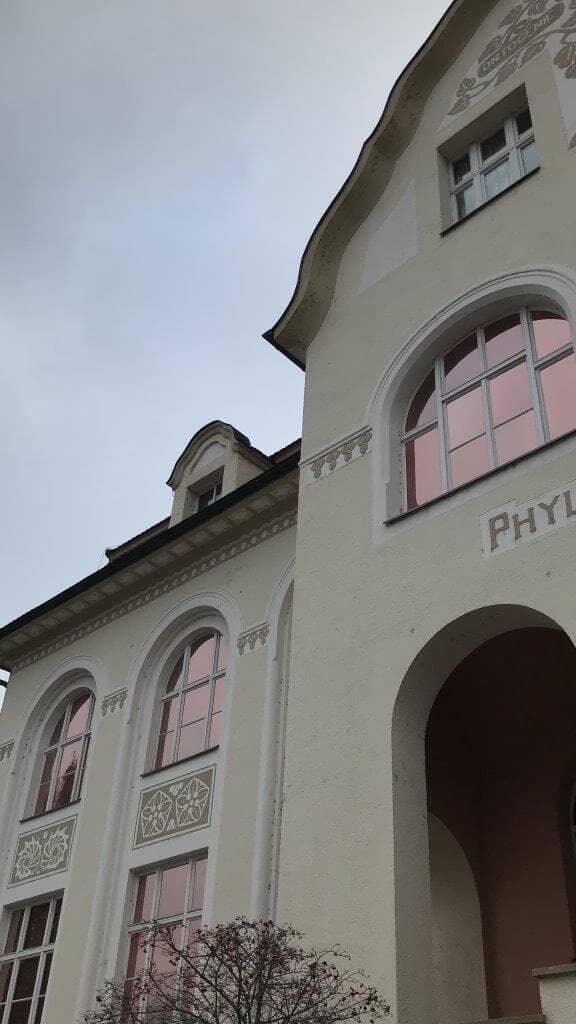
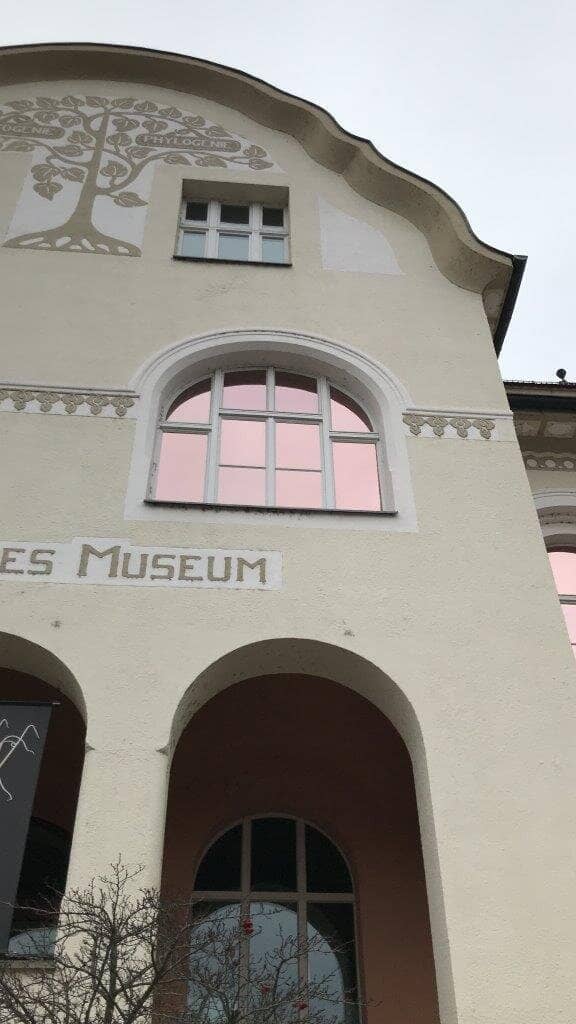
Admire the stunning Art Nouveau building, a cultural monument adorned with key evolutionary terms.
Plans like a pro.
Thinks like you
Planning Your Visit
Timing Your Visit
Understanding the Exhibits
Best Times
Insider Tips
from TikTok, Instagram & Reddit
📸 Capture the Details
The detailed models and specimens are incredibly photogenic. Don't forget your camera! :camerawithflash:
📚 Brush up on German
While amber exhibits are bilingual, other displays are in German. A little knowledge goes a long way! :books:
⏳ Allow ample time
Don't rush! This museum is smaller but rich in information. Give yourself 2-3 hours. :stopwatch:
💡 Embrace the visuals
Even without full German comprehension, the exhibits are visually stunning and informative. :light_bulb:
Tips
from all over the internet
📸 Capture the Details
The detailed models and specimens are incredibly photogenic. Don't forget your camera! :camerawithflash:
📚 Brush up on German
While amber exhibits are bilingual, other displays are in German. A little knowledge goes a long way! :books:
⏳ Allow ample time
Don't rush! This museum is smaller but rich in information. Give yourself 2-3 hours. :stopwatch:
💡 Embrace the visuals
Even without full German comprehension, the exhibits are visually stunning and informative. :light_bulb:
What Travellers Say
Reviews Summary
Visitors praise the Phyletisches Museum Jena for its unique focus on phylogeny and evolution, particularly its stunning amber collection and the beautiful Art Nouveau architecture. The informative exhibits and the legacy of Ernst Haeckel are frequently highlighted. Some note that ticket prices could be slightly lower and that many exhibits are primarily in German.
"Historically tied to Ernst Haeckel who is considered the father of ecology. They have a wonderful collection of specimens preserved in amber. The amber collection has boards describing them in both German and English. However the rest of the
collections only have German labels. The specimens and models are beautifully curated in an informative manner. May be the ticket prices could have been slightly lower considering how small the museum actually is. Overall an enjoyable way to spend a couple of hours in Jena."
Dr. Aditya J. Basak
"This place is amazing. They actually present science! You learn things! Fantastic exhibits, lots of wonderful models and specimens to illustrate comparative physiology, with respect for the less famous parts of the tree of life."
Jenny Shipway
"Beautiful building! Haeckel’s museum is what my husband calls this place. It reminded me of the natural history museum at Harvard, Massachusetts, but Jena has more space for their dead-zoo artifacts. Interesting to visit this place after reading Andrea Wulf’s Inventing Nature book."
SuzDurk
What People Like
What People Dislike
Frequently Asked Questions
🚇 🗺️ Getting There
The Phyletisches Museum Jena is centrally located and easily accessible. Visitors can reach it by public transport, with several tram and bus lines stopping nearby. Walking from the city center is also a pleasant option. Parking in the immediate vicinity might be limited, so public transport is often recommended.
Parking near the Phyletisches Museum can be challenging due to its central location. While some street parking might be available, it's often metered and limited. It's advisable to check for nearby parking garages or consider using public transportation to avoid parking hassles.
From Jena's main train station (Jena Paradies), you can take a short tram ride or enjoy a pleasant walk to the Phyletisches Museum. Trams heading towards the city center will get you close. The walk is scenic and takes about 15-20 minutes.
🎫 🎫 Tickets & Entry
The Phyletisches Museum Jena typically has set opening hours, often from Tuesday to Sunday. It's always best to check their official website or social media for the most up-to-date information on opening times and any potential closures before your visit.
Ticket prices for the Phyletisches Museum Jena are generally considered reasonable, though some visitors have noted they could be slightly lower given the museum's size. Check their official website for current admission fees, and inquire about any discounts for students, seniors, or families.
While advance ticket purchase might not always be necessary for smaller museums like the Phyletisches Museum Jena, it can be a good option during peak seasons or if you want to guarantee entry. Check their website for online booking options.
Information on guided tours at the Phyletisches Museum Jena can usually be found on their official website. They may offer tours in German, and sometimes in English, focusing on the museum's unique collections and the legacy of Ernst Haeckel.
🎫 🧭 Onsite Experience
The Phyletisches Museum Jena's main attractions include its globally unique collection illustrating the development of life, with a strong focus on phylogeny and evolution. Highlights are the beautifully curated specimens preserved in amber and the detailed models showcasing comparative physiology.
The Phyletisches Museum Jena has bilingual (German and English) descriptions for its impressive amber collection. However, many other exhibits primarily feature German labels, so a basic understanding of German or a translation app can enhance the experience.
Yes, the Phyletisches Museum Jena is considered a great place for a family hangout. It offers a lot to learn through its fantastic exhibits and wonderful models, making it an engaging and educational experience for children and adults alike.
Visitors generally find that 2-3 hours is an enjoyable amount of time to spend at the Phyletisches Museum Jena. This allows for a thorough exploration of the exhibits and appreciation of the detailed displays without feeling rushed.
Ernst Haeckel, considered the father of ecology, founded the Phyletisches Museum Jena. The museum is dedicated to illustrating his work on phylogeny and evolution, and the Art Nouveau building itself is adorned with terms he coined, such as 'Ontogenie' and 'Phylogenie'.
📸 📸 Photography
Photography policies can vary, but generally, personal photography for non-commercial use is permitted inside the Phyletisches Museum Jena. However, it's always wise to check for any specific signage or ask museum staff to confirm current regulations, especially regarding flash photography.
The Phyletisches Museum Jena offers excellent photo opportunities, particularly with its stunning amber collection, intricate scientific models, and the beautiful Art Nouveau architecture of the building. The detailed specimens and the historical ambiance make for memorable shots.
While personal photography is usually allowed, flash photography might be restricted to protect the delicate specimens. Tripods or professional equipment may also require special permission. Always be mindful of other visitors and the exhibits themselves.
For Different Travelers
Tailored advice for your travel style
👨👩👧 Families with Kids
While some labels are in German, the visual nature of the displays and the bilingual amber descriptions mean there's still plenty for kids to learn and enjoy. It's a great opportunity to spark curiosity about the natural world and scientific concepts in a fun, accessible way. Plan for about 2-3 hours to explore without rushing.
🤓 Science Enthusiasts & Students
While the museum is not extensive, its curated collections are highly informative. Students of biology or related fields will appreciate the historical context and the scientific rigor. The Art Nouveau setting adds an extra layer of appreciation for the intersection of science and art. Consider brushing up on German terms to get the most out of exhibits beyond the amber collection.
🏛️ History & Architecture Buffs
Visitors interested in the history of science will also find value here, delving into the legacy of Ernst Haeckel and his foundational contributions to ecology and evolutionary theory. The museum provides a tangible connection to a pivotal era in scientific thought, all within a visually stunning and historically rich environment.
Deep Dives
In-depth insights and expert knowledge
The Legacy of Ernst Haeckel
His influence is palpable throughout the museum, from the exhibits themselves to the very architecture. The striking Art Nouveau building is a cultural monument, its facade bearing two crucial terms Haeckel coined in Jena: Ontogenie (the development of an individual organism) and Phylogenie (the evolutionary development of a species or group). Visitors can feel his passion for understanding the interconnectedness of life and the beauty of the natural world.
Many visitors are inspired to visit after reading about Haeckel, such as in Andrea Wulf’s book 'Inventing Nature,' highlighting his enduring impact on scientific thought and public understanding of nature. The museum serves as a testament to his vision, presenting science in an engaging and visually rich manner that respects even the less-celebrated parts of the tree of life.
A Unique Amber Collection
The museum has thoughtfully curated these specimens, providing bilingual descriptions in both German and English. This makes the amber collection particularly accessible and informative for international visitors, allowing them to learn about the geological and biological significance of each piece. The preservation quality is often astonishing, showcasing the natural process of fossilization in a tangible way.
This collection is not just about showcasing old objects; it's about illustrating evolutionary history and the continuity of life. The amber pieces serve as direct evidence of past ecosystems and the organisms that inhabited them, making the abstract concepts of phylogeny and paleontology come alive for museum-goers.
Art Meets Science in Art Nouveau
The building's facade is not just aesthetically pleasing; it's inscribed with key terms like Ontogenie and Phylogenie, directly linking the structure to Ernst Haeckel's scientific contributions. This integration of art and science is a recurring theme, with the museum's exhibits often described as beautifully curated and informative, blending scientific accuracy with visual appeal.
This harmonious blend of art and nature creates a unique atmosphere for visitors. It’s reminiscent of other grand natural history museums, like the one at Harvard, but with its own distinct charm and focus. The museum's presentation style, with its wonderful models and specimens, makes it an enjoyable and educational experience, even for those who might not be deeply versed in evolutionary biology.
Social
from TikTok, Instagram & Reddit