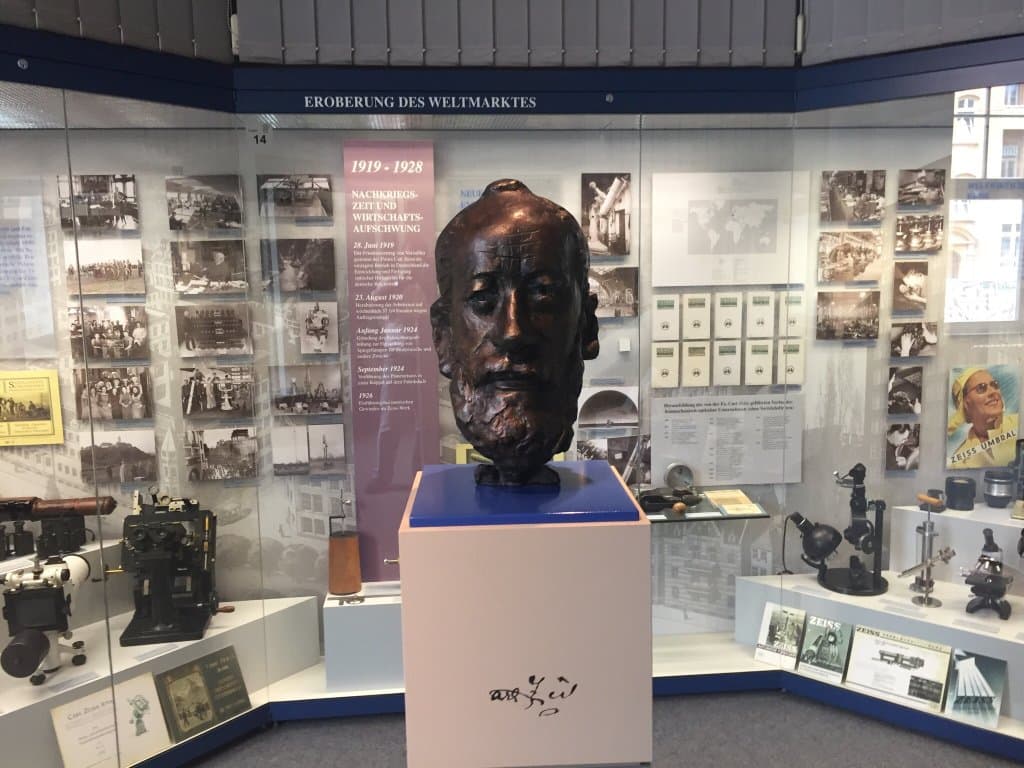
Optical Museum Jena
Explore Jena's optical heritage, from antique microscopes to vintage cameras, tracing the evolution of vision and imaging.
Highlights
Must-see attractions

Social
From TikTok & Reddit
Best Time
Fewer crowds, more focused viewing
Optical Museum Jena
Best Time
Fewer crowds, more focused viewing
Highlights
Must-see attractions
Explore Jena's optical heritage, from antique microscopes to vintage cameras, tracing the evolution of vision and imaging.
"A good piece of optics development history, especially if you're into photography."
Ask the Experts! :telescope:
For antique Zeiss microscopes, the museum is the place to ask. They're specialists and might even be interested in your piece!
Translation App Ready :iphone:
Most descriptions are in German. Have a translation app handy to unlock the full story of the exhibits.
Highlights
Discover the most iconic attractions and experiences
Zeiss Microscope Collection
Deutsches Optisches Museum
Explore the evolution of microscopy with a stunning display of antique Zeiss instruments.
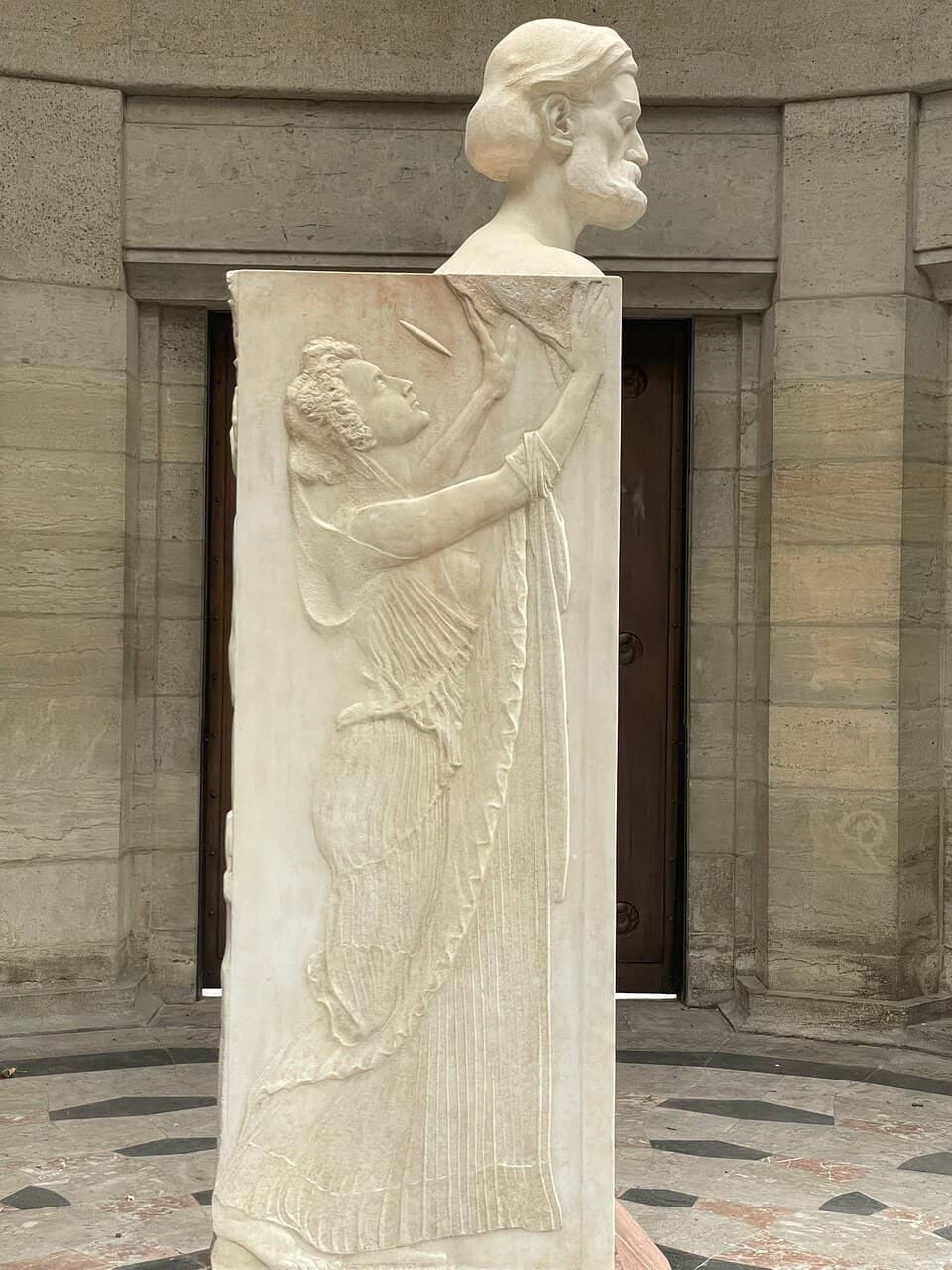
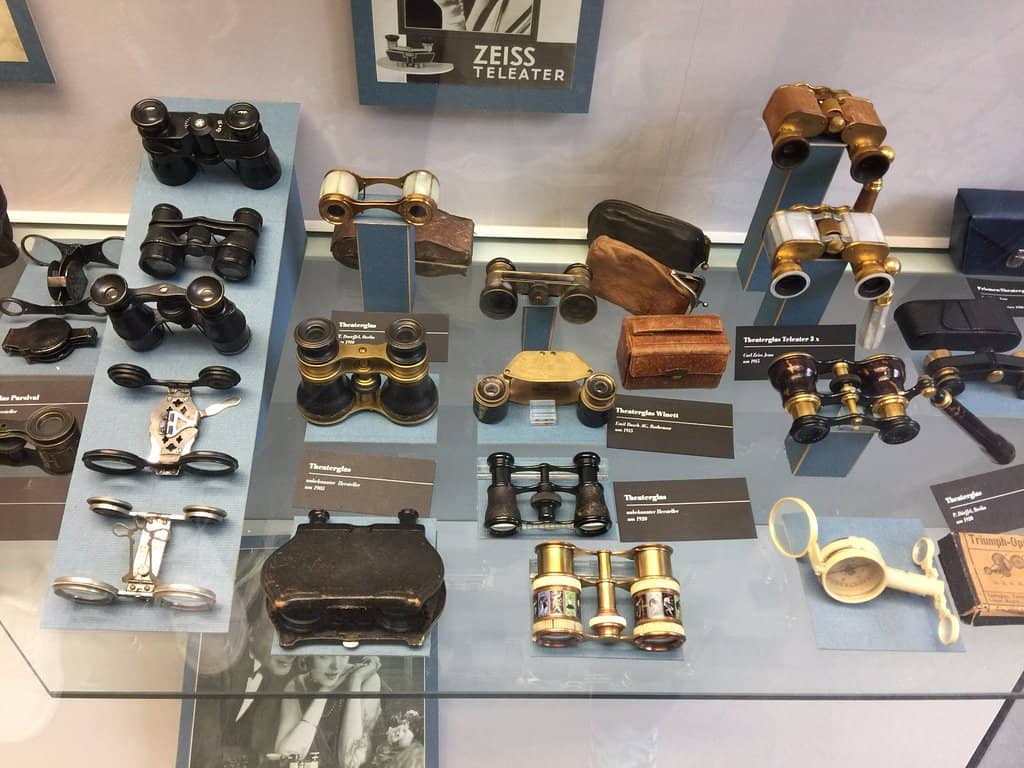
Camera and Lens Evolution
Deutsches Optisches Museum
Trace the fascinating journey of photography through vintage cameras and innovative lens designs.
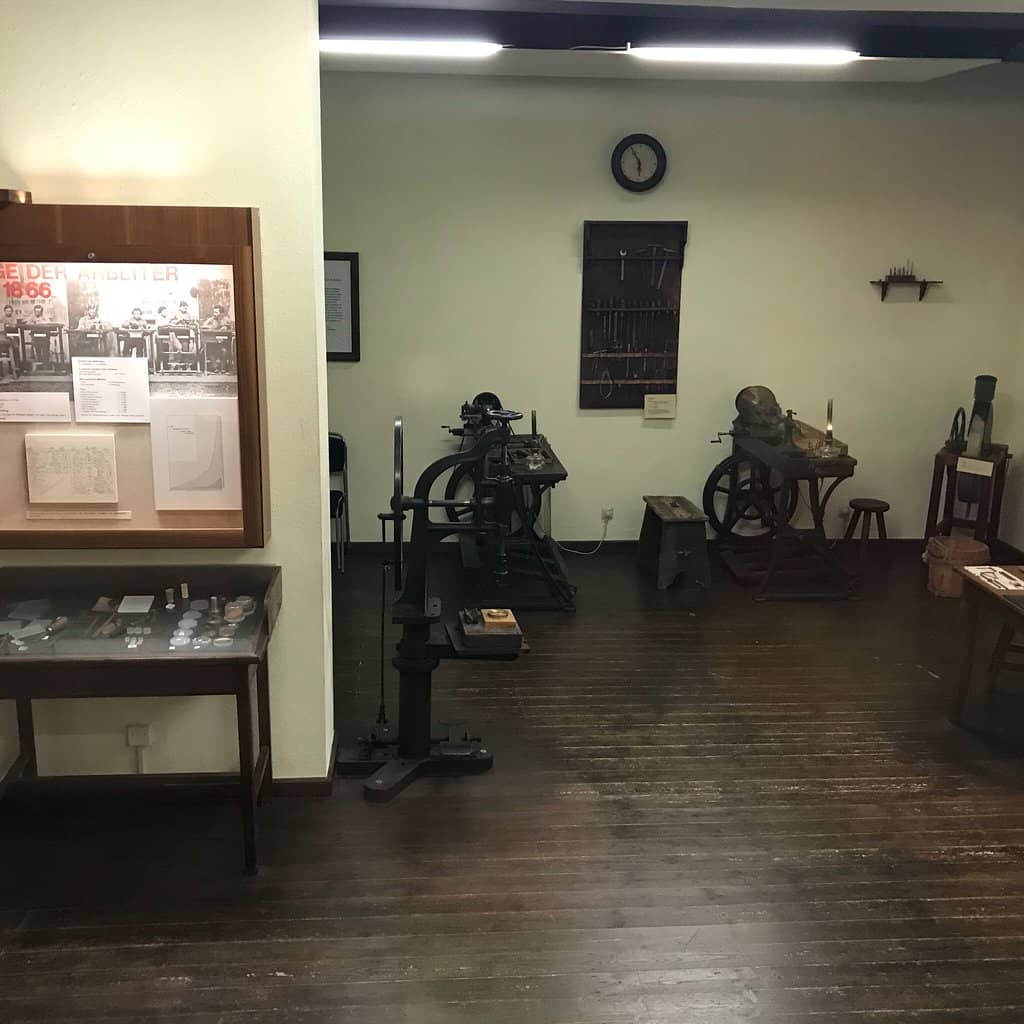
History of Eyeglasses
Deutsches Optisches Museum
Discover the surprisingly rich history of vision correction and the development of glasses.
Plans like a pro.
Thinks like you
Planning Your Visit
Language Barrier Alert
Manage Expectations
Best Times
Insider Tips
from TikTok, Instagram & Reddit
Questions about an antique Zeiss microscope
Ask the Experts! :telescope:
For antique Zeiss microscopes, the museum is the place to ask. They're specialists and might even be interested in your piece!
Translation App Ready :iphone:
Most descriptions are in German. Have a translation app handy to unlock the full story of the exhibits.
Photography Enthusiast's Dream :camera:
If you're into photography, this museum is a must-visit to see the evolution of cameras and lenses.
Don't Miss Eyewear History :eyeglasses:
The exhibition on the history of glasses is surprisingly captivating, even if you wear them!
Tips
from all over the internet
Ask the Experts! :telescope:
For antique Zeiss microscopes, the museum is the place to ask. They're specialists and might even be interested in your piece!
Translation App Ready :iphone:
Most descriptions are in German. Have a translation app handy to unlock the full story of the exhibits.
Photography Enthusiast's Dream :camera:
If you're into photography, this museum is a must-visit to see the evolution of cameras and lenses.
Don't Miss Eyewear History :eyeglasses:
The exhibition on the history of glasses is surprisingly captivating, even if you wear them!
What Travellers Say
Reviews Summary
Visitors find the Optical Museum Jena to be a historically rich experience, particularly for its extensive collection of optical instruments and the legacy of Carl Zeiss. While many appreciate the educational value and the fascinating exhibits on cameras, microscopes, and eyewear, some note that the presentation style is a bit dated and primarily in German, which can limit accessibility for international visitors.
"A good piece of optics development history. Numerous exhibits, unfortunataly described only in german. Really positive impression althoug feeling a little bit unfulfilled."
Andrzej Ligienza
"It was a very interesting learning experience about the evolution of microscopes, cameras and lens. There is also a tour guide in English language for those who don't understand German.."
Chikezie Ugokwe
"Great place to spend a day. Specially if you’re into photography."
Romeu Peitinho
What People Like
What People Dislike
Frequently Asked Questions
🚇 🗺️ Getting There
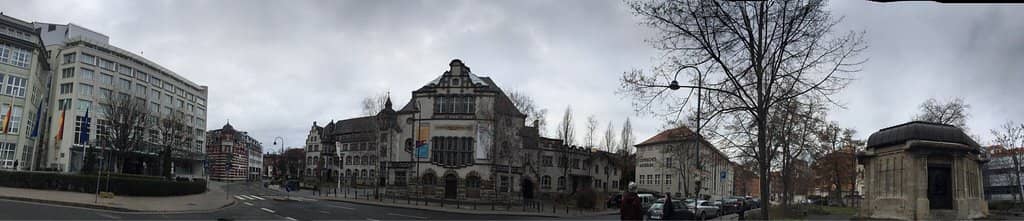
The Optical Museum Jena is centrally located in Jena. It's easily accessible by public transport, with several tram and bus lines stopping nearby. If driving, check local parking options as street parking can be limited.
Parking near the museum can be challenging. It's recommended to use public transportation or check for nearby parking garages.
Yes, the museum is within walking distance of Jena's city center, making it convenient for exploring the area on foot.
🎫 🎫 Tickets & Entry
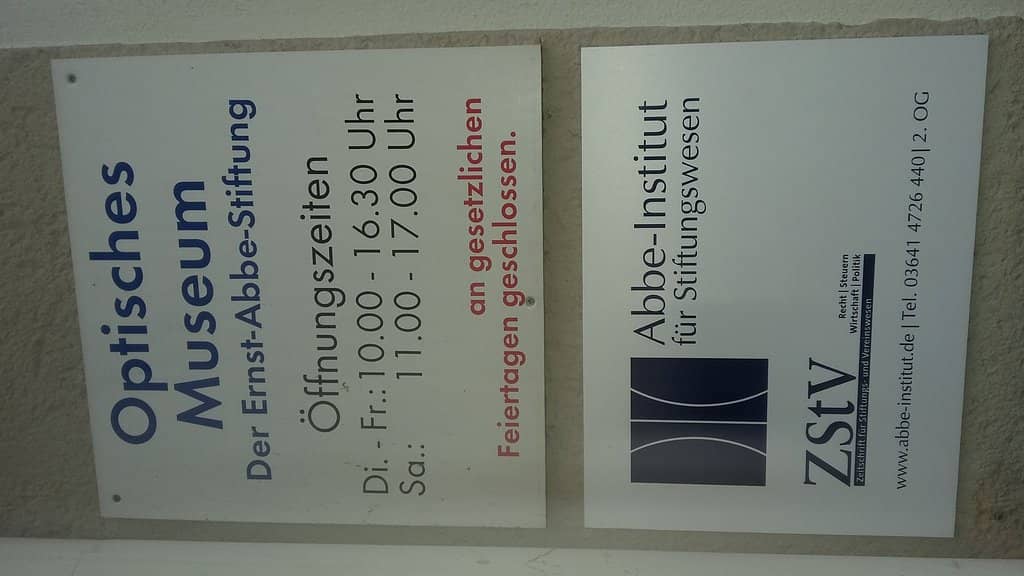
Opening hours can vary, so it's best to check the official website before your visit. Generally, it's open during typical museum hours on weekdays and weekends.
Admission fees are usually quite reasonable. Check the museum's official website for the most current pricing for adults, children, and potential group discounts.
For general admission, booking in advance is often not required, but it's a good idea during peak seasons or if you plan to join a specific guided tour.
Yes, guided tours are available, and importantly, English language tours are sometimes offered for international visitors. Inquire about schedules upon arrival or check their website.
Information on accessibility can be found on the museum's website. Efforts are usually made to accommodate visitors with mobility challenges.
🎫 🧭 Onsite Experience
The museum showcases a wide range of optical instruments, including microscopes, telescopes, cameras, lenses, and historical eyeglasses, detailing the evolution of optical technology. +1
While the museum houses many fascinating artifacts, some visitors note that the presentation style is more traditional and less interactive than modern museums.
Photography policies can vary. It's generally advisable to check for signage or ask museum staff if photography is permitted, especially without flash.
A visit can take anywhere from 1.5 to 3 hours, depending on your interest level and whether you join a guided tour.
Utilize a translation app for exhibit descriptions, or inquire about English-language guided tours for a more comprehensive understanding.
🍽️ 🍽️ Food & Dining
The museum itself typically does not have a full-service restaurant. However, there are usually vending machines for snacks and drinks.
Jena's city center, which is a short walk away, offers numerous cafes, restaurants, and eateries catering to various tastes and budgets.
It's generally not permitted to consume outside food and drinks within the exhibition areas. Check the museum's specific policy.
📸 📸 Photography
Photography rules can vary. Always look for signs or ask staff. Flash photography is usually prohibited to protect the artifacts.
Focus on the intricate details of the historical instruments like microscopes and cameras. The unique designs offer great photographic opportunities.
Commercial photography typically requires special permission. For personal use, casual photos are usually allowed, but always confirm with staff.
For Different Travelers
Tailored advice for your travel style
👨👩👧 Families with Kids
To enhance the experience for children, prepare them beforehand by discussing what they might see. If an English tour is available, it can help bridge the language gap and make the information more accessible. Pack snacks and drinks for before or after your visit, as in-museum options are limited.
📸 Photography Enthusiasts
Pay close attention to the details of early camera designs and the ingenuity behind their lenses. While photography inside the museum might have restrictions, the visual inspiration from these historical pieces is immense. This museum offers a unique perspective on the art and science of capturing images.
🤓 History & Science Buffs
Delve into the stories behind Carl Zeiss and his collaborators, understanding their impact on scientific progress. The detailed exhibits offer a rich learning experience, even if some descriptions are in German. Prepare to be impressed by the precision and innovation on display.
Deep Dives
In-depth insights and expert knowledge
The Legacy of Carl Zeiss
Many of the exhibits, particularly the antique microscopes, highlight the collaborative spirit of the era. Zeiss worked closely with renowned scientists like Ernst Abbe and Otto Schott, whose contributions were crucial to developing high-quality optical glass and improving microscope performance. The museum provides context for these partnerships, showcasing how scientific inquiry and industrial application converged in Jena to create groundbreaking optical technologies. Exploring these connections offers a deeper appreciation for the scientific heritage housed within the museum.
For those interested in the history of scientific instruments, the Zeiss collection is a major draw. It's not just about the objects themselves, but the story of innovation, precision engineering, and the pursuit of clearer vision that they represent. The museum serves as a testament to Jena's enduring legacy as a global center for optical science and industry.
Navigating the Exhibits: A Visitor's Perspective
Some reviews mention that the museum's format feels a bit dated, with a lack of interactive elements that are common in contemporary museums. The focus is largely on static displays and factual information, which, while informative, might not appeal to everyone. Despite this, the optical museum jena is still considered a valuable learning experience, especially for those with a keen interest in the evolution of optics and photography.
Despite the presentation style, the optical museum jena offers a unique glimpse into a crucial field of scientific and technological development. The personal connection to the history of glasses, for instance, resonates with many visitors. The friendly staff also contribute to a positive overall impression, making it a worthwhile visit for enthusiasts.

Social
from TikTok, Instagram & Reddit