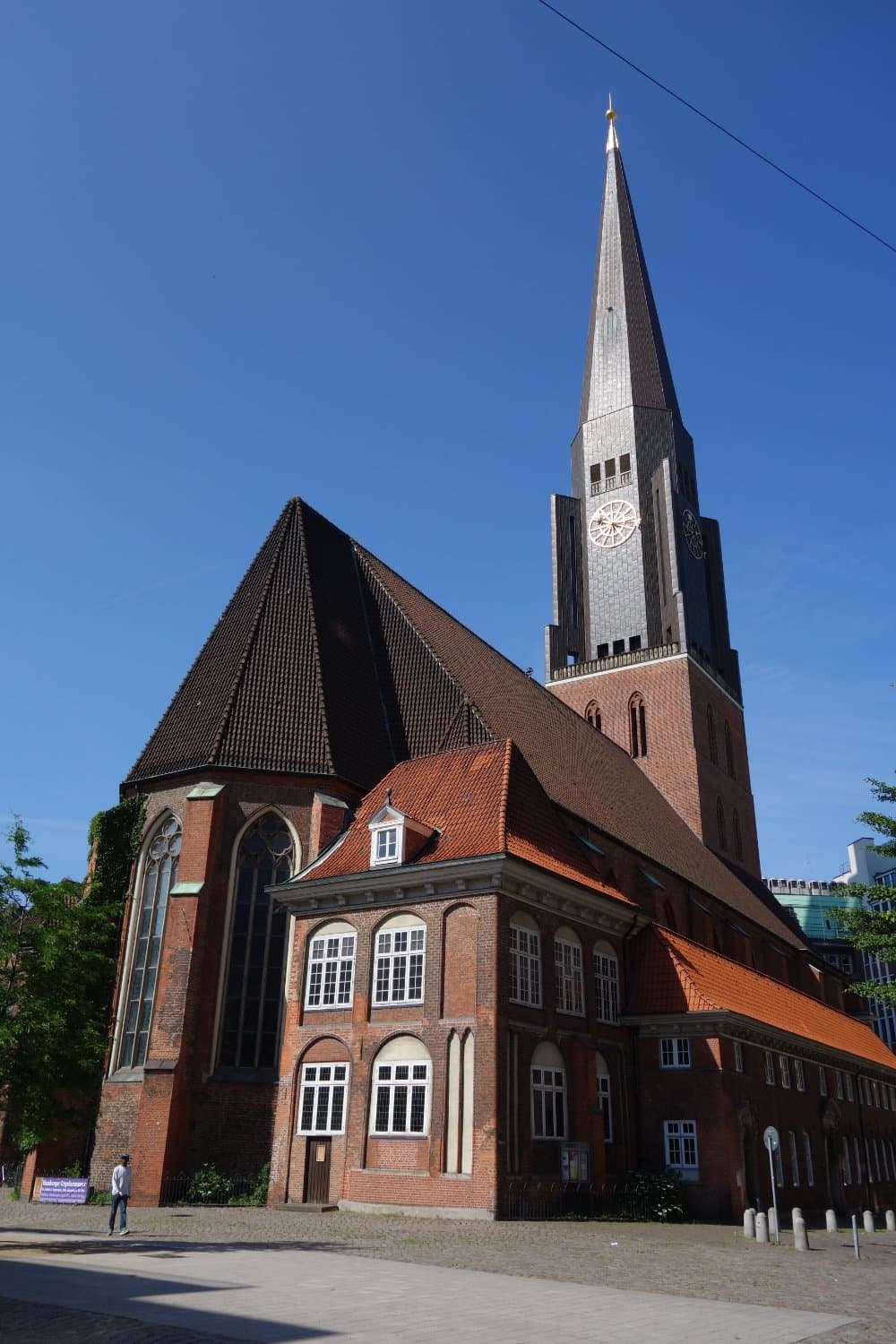
St. Jacobi Church
A historic Gothic brick church renowned for its magnificent 17th-century Arp Schnitger Organ, offering stunning concerts and a peaceful atmosphere.

Highlights
Must-see attractions

Social
From TikTok & Reddit
Best Time
Hear the organ demonstration
St. Jacobi Church
Best Time
Hear the organ demonstration
Highlights
Must-see attractions
A historic Gothic brick church renowned for its magnificent 17th-century Arp Schnitger Organ, offering stunning concerts and a peaceful atmosphere.
"Don't miss the weekly organ concerts on Thursdays at noon – a truly magnificent experience!"
🎶 Attend an Organ Concert
Weekly Thursday concerts & summer Tuesday evening performances are a must-hear! :musical_score:
🕰️ Check Organ Demo Times
Organ demonstrations are held Thursdays at noon. Arrive early for a good spot! :clock:
Highlights
Discover the most iconic attractions and experiences
Arp Schnitger Organ
Main Nave
Experience the grandeur of a 17th-century masterpiece, one of the most significant organs in Northern Europe.

Historic Altars & Pulpit
Chapels
Admire three altars dating back to around 1500 and a richly decorated pulpit from 1609/10.

Gothic Brick Architecture
Exterior and Interior
Marvel at the imposing Gothic brick structure, a testament to medieval craftsmanship.
Plans like a pro.
Thinks like you
Planning Your Visit
Organ Concerts & Organ Tours
Historic Architecture & Art
Best Times
Insider Tips
from TikTok, Instagram & Reddit
🎶 Attend an Organ Concert
Weekly Thursday concerts & summer Tuesday evening performances are a must-hear! :musical_score:
🕰️ Check Organ Demo Times
Organ demonstrations are held Thursdays at noon. Arrive early for a good spot! :clock:
🚶♀️ Peaceful Atmosphere
Enjoy the calm and quiet inside, a welcome respite from the city bustle. :pray:
📍 Convenient Location
Easily accessible on the way from the main station to Speicherstadt. :round_pushpin:
Tips
from all over the internet
🎶 Attend an Organ Concert
Weekly Thursday concerts & summer Tuesday evening performances are a must-hear! :musical_score:
🕰️ Check Organ Demo Times
Organ demonstrations are held Thursdays at noon. Arrive early for a good spot! :clock:
🚶♀️ Peaceful Atmosphere
Enjoy the calm and quiet inside, a welcome respite from the city bustle. :pray:
📍 Convenient Location
Easily accessible on the way from the main station to Speicherstadt. :round_pushpin:
What Travellers Say
Reviews Summary
Visitors praise St. Jacobi Church for its magnificent Arp Schnitger Organ, often highlighting the weekly concerts and demonstrations as a must-do experience. The church's historical architecture, including its altars and pulpit, is also appreciated, offering a peaceful and culturally rich visit. Some note that while the interior is historically significant, it might appear basic compared to more ornate churches, and the modern spire is a point of contrast.
"Beautiful old church . St. James' Church, built from 1340 onwards. South Aisle completed c. 1500.
Sacristy 1434, "Masters' Hall" with decorations from 1710. Damaged in 1944, rebuilt 1951-63. Three altars dating back to c.1500, pulpit 1609/10.
Organ by Arp Schnitger, built 1689-93."
Sudarshan Pise
"This church is also free entrance, but it had some kind of restaurant inside ? I did not really understand. It’s also pretty basic from the inside except for some artifacts and the organ."
Mike Aoun
"One of the 5 main Hamburg churches. Located on the way from the main train station to the Kontorhaus District and Speicherstadt.
Interesting fact that it's located on the place of an old small chapel on the Way of St James.
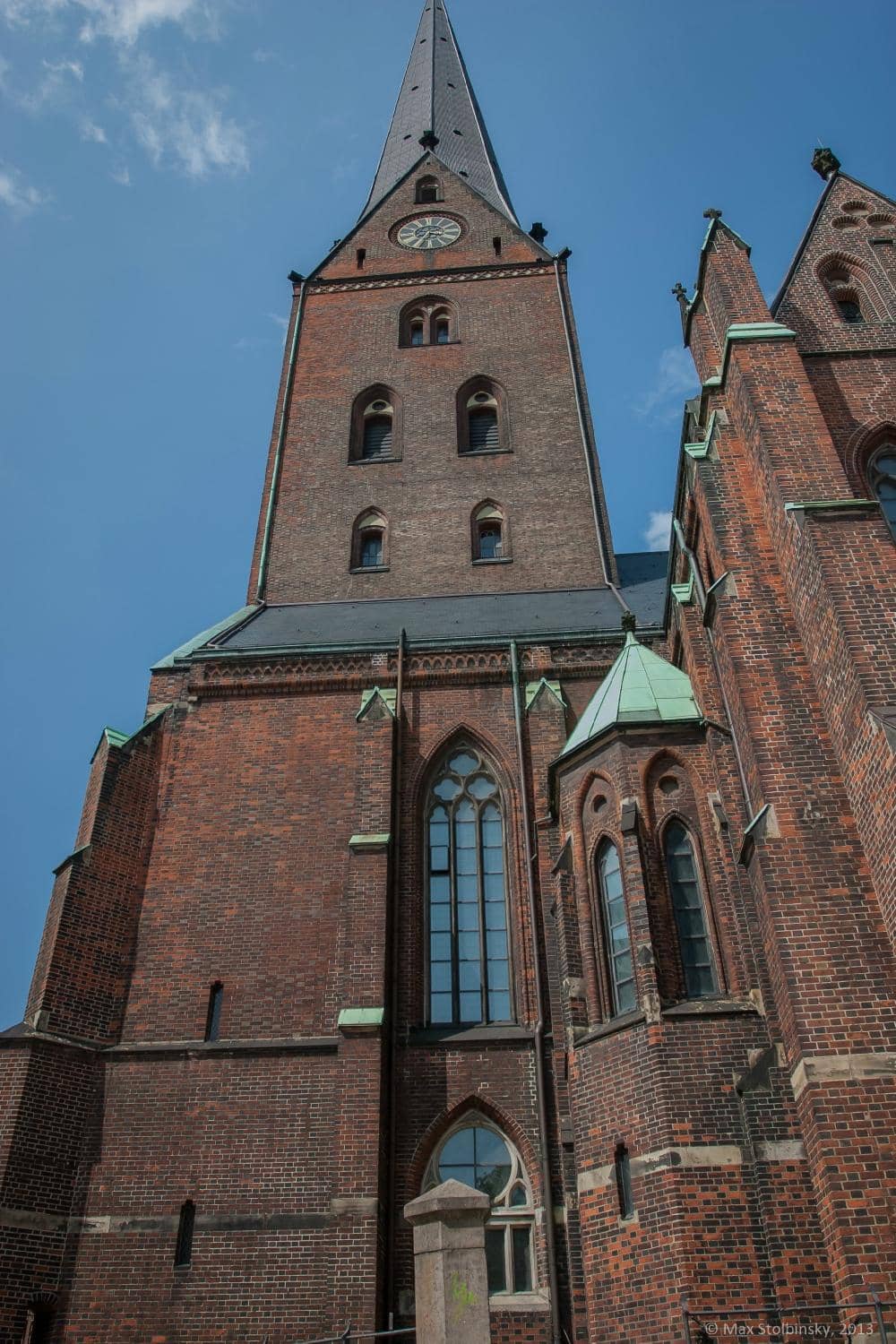
During re-construction, the spire was re-built to a modern one - and it looks too moderns in comparison to the whole look of the church.
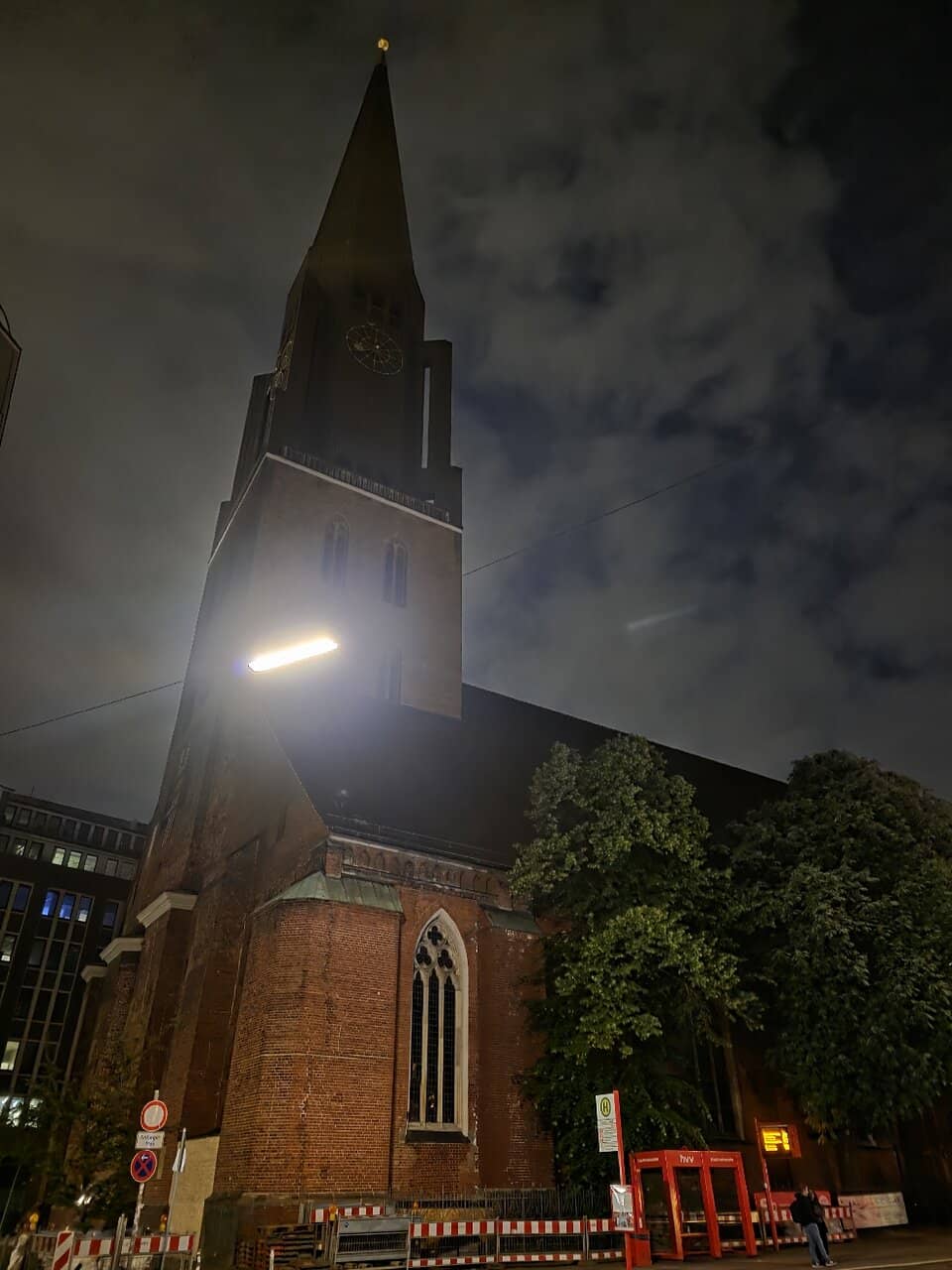
Spire of the church is visible from the streets around."
Irina Kravchuk
What People Like
What People Dislike
Frequently Asked Questions
🚇 🗺️ Getting There
St. Jacobi Church is conveniently located on the route from Hamburg's main train station (Hauptbahnhof) towards the Kontorhaus District and Speicherstadt. You can easily walk there from the station or use public transport. :train: :bus:
Yes, it's situated in a prime location, making it easy to combine with visits to the Speicherstadt, Miniatur Wunderland, and the Elbphilharmonie. :city_sunrise:
🎫 🎫 Tickets & Entry
Entry to St. Jacobi Church is generally free, allowing everyone to experience its beauty and history. However, special concerts may have an admission fee. :ticket:
Opening hours can vary, but the church is typically open daily. It's best to check the official website or inquire locally for the most up-to-date information, especially regarding services or events. :calendar:
Visitors are usually welcome to enter St. Jacobi Church outside of active service times. If a service is in progress, it's respectful to observe quietly or return later. :church:
🎫 🧭 Onsite Experience
The church boasts a magnificent 17th-century organ built by the renowned Arp Schnitger between 1689 and 1693. It's considered one of the most important historical organs in Northern Europe and is still played regularly. :musical_score:
While formal guided tours might not always be available, you can attend organ demonstrations (Orgelführung) on Thursdays at noon. The church's historical significance is evident throughout its architecture and furnishings. :magnifyingglasstilted_right:
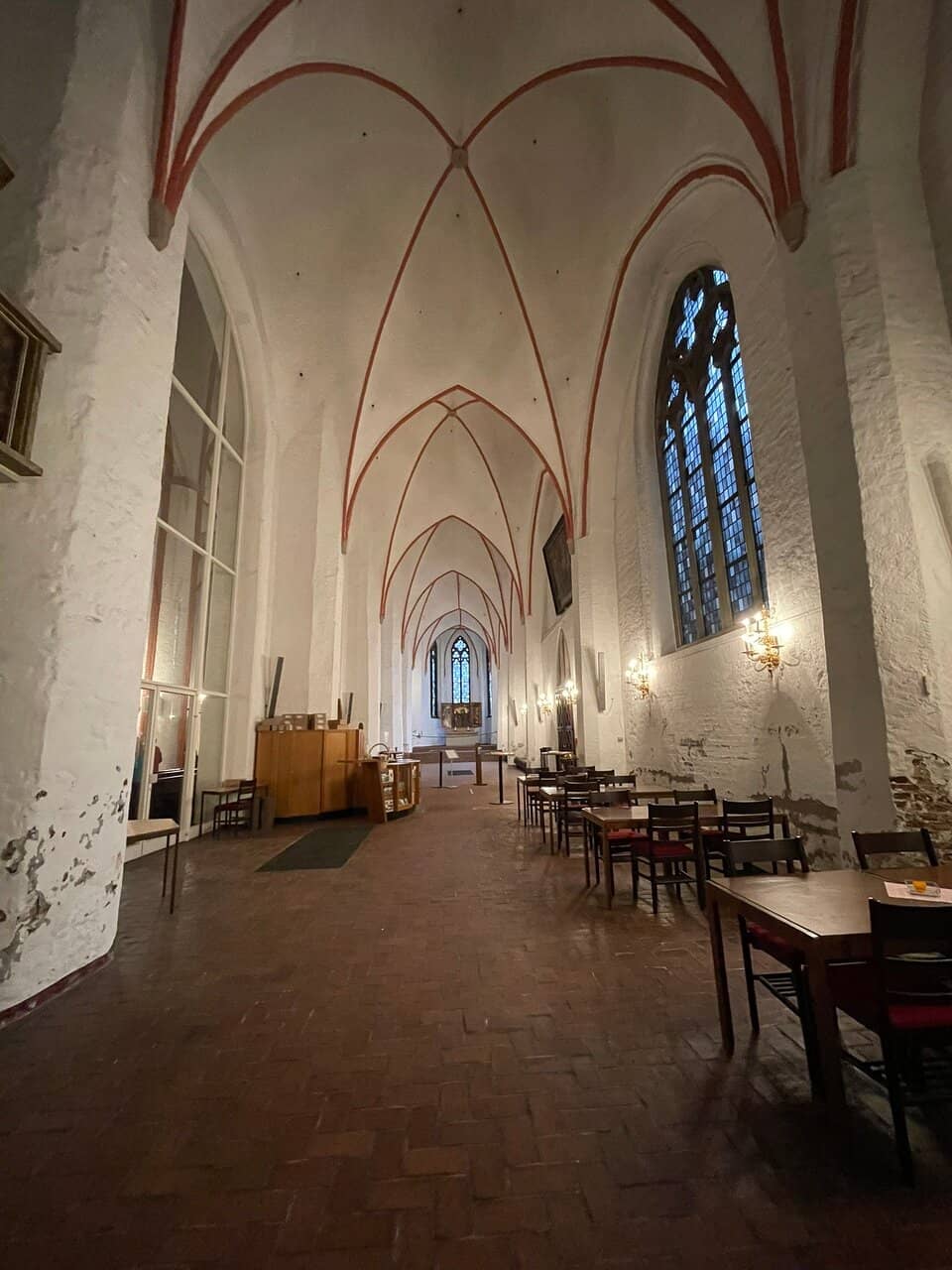
Inside, you'll find three altars dating back to around 1500, a pulpit from 1609/10, and various other historical artifacts. The Gothic brick architecture is impressive, though some parts, like the spire, have been modernized. :art:
Accessibility can be a concern in older buildings. While the main areas might be accessible, it's advisable to contact the church directly to inquire about specific needs and facilities for visitors with mobility challenges. :wheelchair:
🍽️ 🍽️ Food & Dining
Some visitors have noted a restaurant or cafe-like area within the church premises, though its exact nature and offerings might vary. It's not a typical dining experience but could offer refreshments. :coffee:
The area around St. Jacobi Church, especially towards the Kontorhaus District and Speicherstadt, offers numerous cafes and restaurants catering to various tastes and budgets. :forkandknife:
📸 📸 Photography
Photography is generally permitted inside St. Jacobi Church for personal use, but it's always best to be discreet and respectful, especially during services. Avoid using flash, as it can be disruptive. :camerawithflash:
The imposing Gothic exterior, the intricate details of the altars and pulpit, and the magnificent Arp Schnitger organ are prime subjects. The spire is also a prominent landmark visible from surrounding streets. :cityscape:
For Different Travelers
Tailored advice for your travel style
🎶 Music Lovers
Beyond the organ, the church's acoustics are superb, making any musical performance within its walls a special experience. The sheer scale and historical context of the organ itself are awe-inspiring, even when not being played.

🏛️ History Buffs & Architecture Enthusiasts
Pay attention to the details: the surviving medieval elements, the reconstruction efforts after WWII, and the church's original role on the Way of St. James. While the modern spire might be a point of discussion, it doesn't detract from the overall historical significance of the structure.
Deep Dives
In-depth insights and expert knowledge
The Majestic Arp Schnitger Organ
These performances offer a chance to experience the organ's rich tonal palette and powerful acoustics. The organ's preservation and ongoing use are a testament to its historical and artistic importance. Attending an organ concert or demonstration is often cited as a highlight of visiting St. Jacobi Church, providing an unforgettable auditory experience.
Beyond its musical prowess, the organ is an integral part of the church's visual splendor. Its intricate pipework and grand facade contribute to the overall aesthetic of the nave, making it a must-see for both music enthusiasts and admirers of historical artistry.
A Glimpse into Gothic History
Inside, visitors can admire three altars that date back to approximately 1500, showcasing the artistic styles of the late Gothic period. The pulpit, dating from 1609/10, is another notable feature, adorned with intricate decorations. These elements, along with the overall structure, offer a tangible connection to centuries of history and religious devotion.
The church's location on the historic Way of St. James (Jakobsweg) adds another layer to its historical significance. It served as a spiritual waypoint for pilgrims, and its very name, St. Jacobi, reflects this connection. Exploring these historical aspects provides a deeper appreciation for the church's enduring legacy.


Social
from TikTok, Instagram & Reddit