Holy Spirit Hospital Church
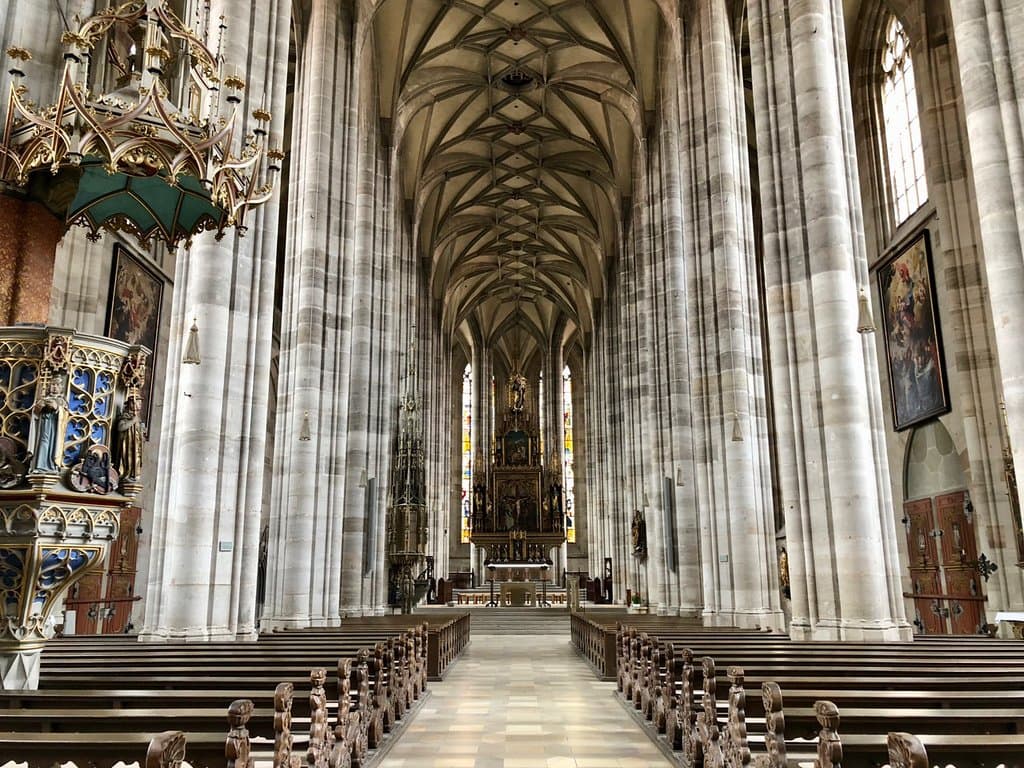
A breathtaking late Gothic church with a Romanesque tower, showcasing centuries of architectural and artistic heritage.
Highlights
Must-see attractions

Social
From TikTok & Reddit
Best Time
Fewer crowds, peaceful atmosphere
Holy Spirit Hospital Church
Best Time
Fewer crowds, peaceful atmosphere
Highlights
Must-see attractions
A breathtaking late Gothic church with a Romanesque tower, showcasing centuries of architectural and artistic heritage.
"Truly impressive to be in this church looking at all the details of architecture."
📸 Capture the Details
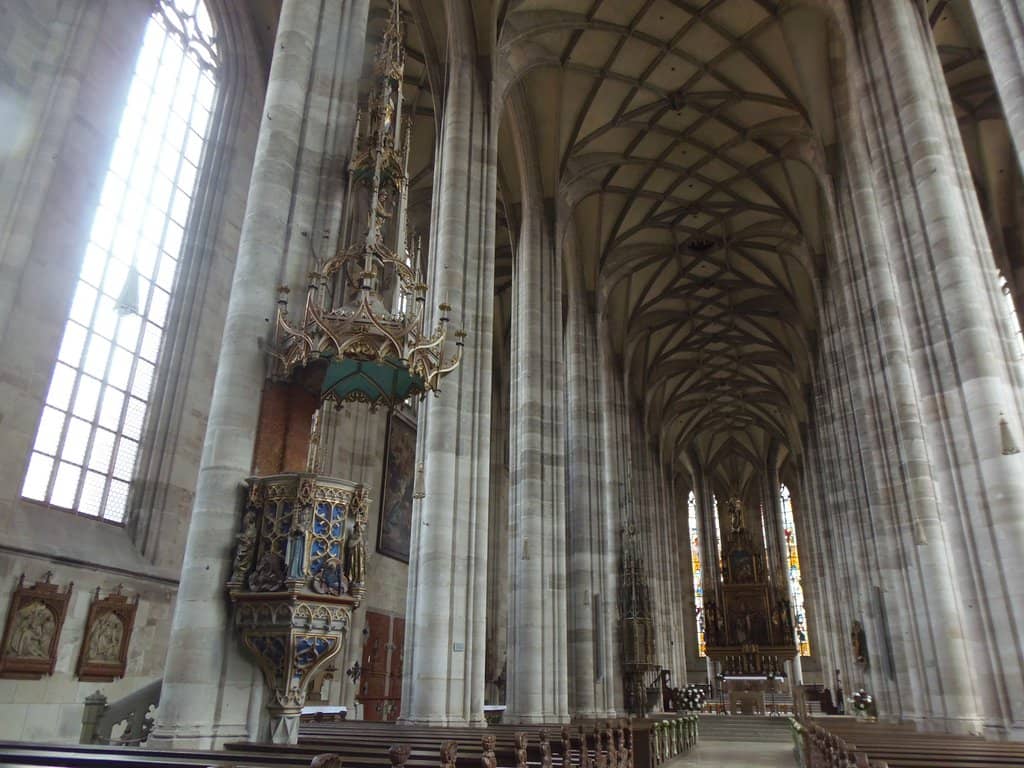
Take your time to photograph the intricate stonework and artistic details. Photos don't do it justice!
🎶 Imagine the Organ
Close your eyes and imagine the grand sounds of the 3939-pipe organ filling the spacious sanctuary.
Highlights
Discover the most iconic attractions and experiences
Late Gothic Architecture
Marvel at the intricate ribbed vaulting and soaring arches of this 15th-century masterpiece.
Romanesque Tower
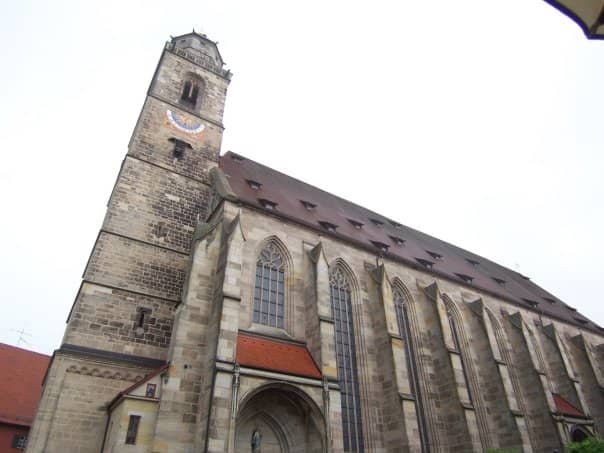
Admire the free-standing Romanesque tower, a striking contrast to the Gothic sanctuary.
High Altar and Shrine
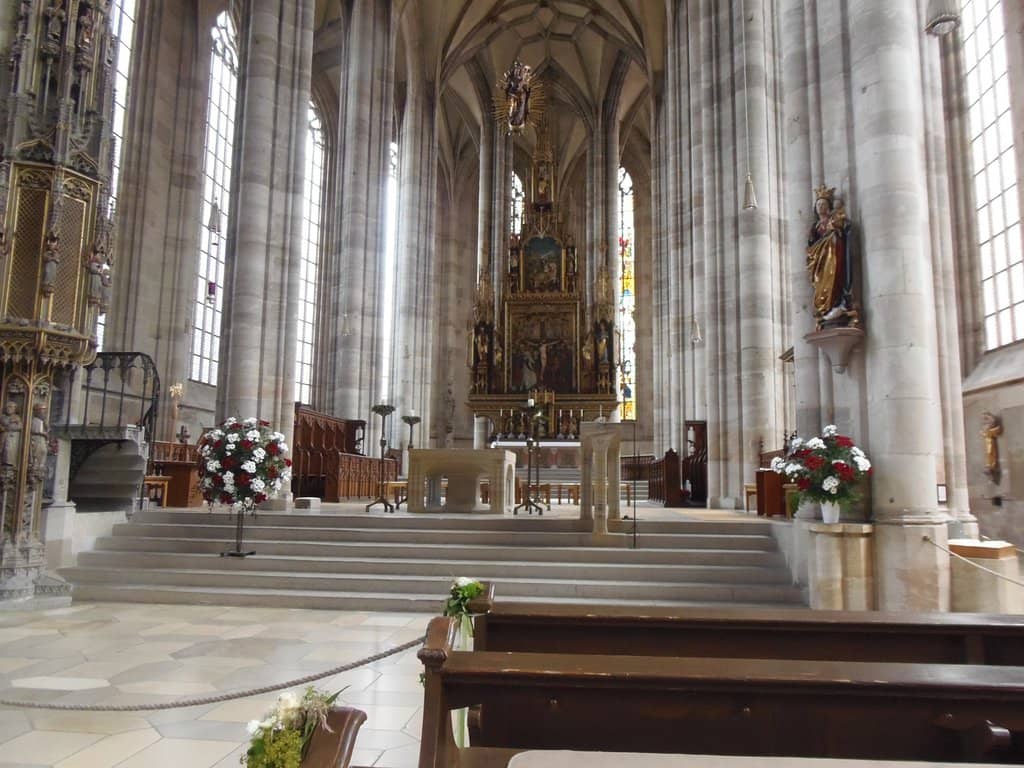
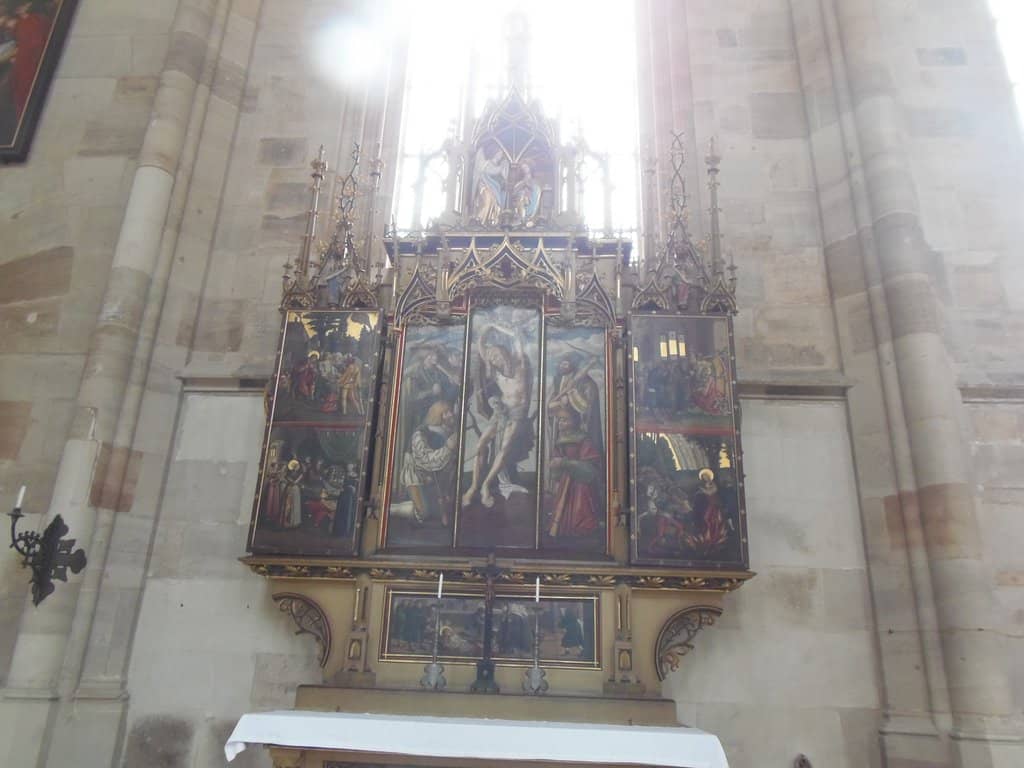
Be moved by the crucifixion scene on the large shrine tablet, dating back to around 1490.
Pretzel Window
Spot the unique 'pretzel window,' a charming nod to the bakers' guild's patronage.
Plans like a pro.
Thinks like you
Planning Your Visit
Timing Your Visit
Architectural Marvel
Best Times
Insider Tips
from TikTok, Instagram & Reddit
📸 Capture the Details
Take your time to photograph the intricate stonework and artistic details. Photos don't do it justice!
🎶 Imagine the Organ
Close your eyes and imagine the grand sounds of the 3939-pipe organ filling the spacious sanctuary.
📍 Central Location
Conveniently located in the old town, surrounded by cafes and restaurants.
🚶♂️ Explore the Aisles
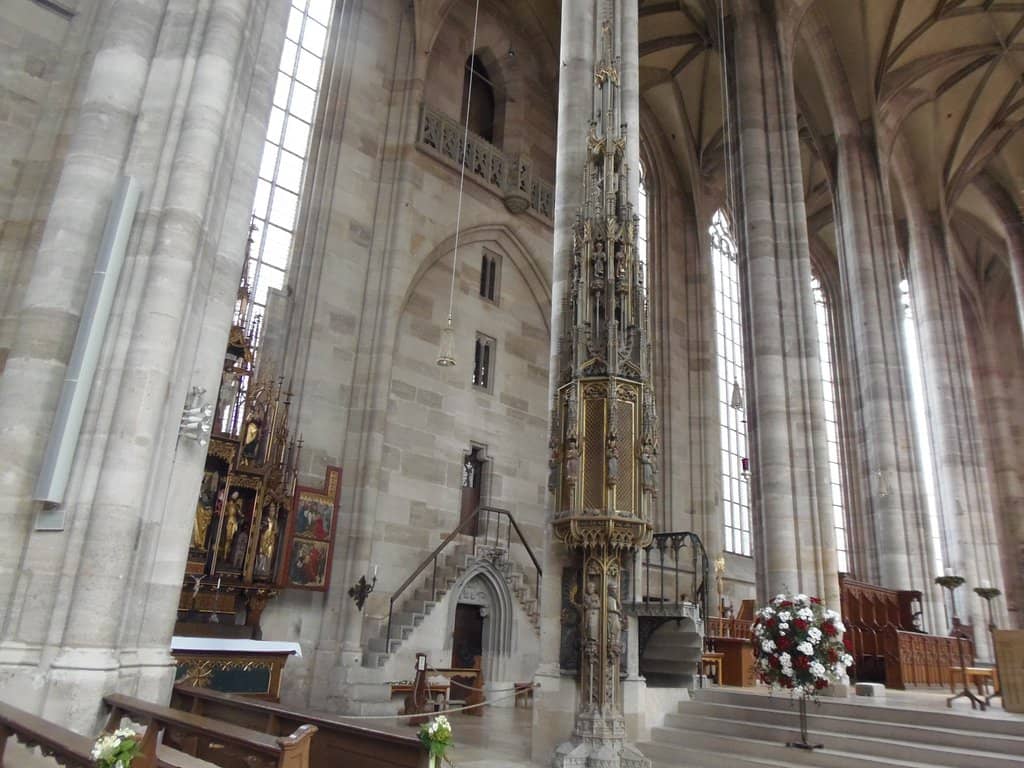
Don't miss the Sebastian and Trinity altars in the south aisle, and the cross altar in the north nave.
Tips
from all over the internet
📸 Capture the Details
Take your time to photograph the intricate stonework and artistic details. Photos don't do it justice!
🎶 Imagine the Organ
Close your eyes and imagine the grand sounds of the 3939-pipe organ filling the spacious sanctuary.
📍 Central Location
Conveniently located in the old town, surrounded by cafes and restaurants.
🚶♂️ Explore the Aisles
Don't miss the Sebastian and Trinity altars in the south aisle, and the cross altar in the north nave.
What Travellers Say
Reviews Summary
Visitors consistently praise the Holy Spirit Hospital Church for its stunning late Gothic architecture and the impressive details within its sanctuary. Many highlight the beauty of the ribbed vaulting, the significant altars, and the unique Romanesque tower. It's considered a must-see historical and religious centerpiece of the old town.
"The Catholic church, that we see now, was built in the middle and end of the 16th century and was built for 51 years. Before that, it is assumed, that the church of St. Ursula stood on this site, which was built here 400 years earlier, around the middle of the 12th century. The church is certainly interesting primarily from an architectural point of view and it is national treasure since 2018. If you are in the city you will never pass by."
I' Lo
"Prominently located in the center of the old city, this is one of the most beautiful late Gothic churches in southern Germany built during 1448-1499 with a free-standing Romanesque tower portal built earlier than the current sanctuary during 1220/30. It was extended and connected with the church in 1238. Eleven pairs of pillars support a varied ribbed vault inside. The high altar with a large shrine tablet (crucifixion scene, around 1490).
It's really impressive to be in this church looking at all the details of architecture. I was attempting to imagine the great sounds of the pipe organ (3939 pipes) in this spacious sanctuary...
Altars: The Sebastian altar (1520) and Trinity altar (1500) in the south aisle, the cross altar (after 1470) and the neo-Gothic Joseph altar in the north nave, the ciborium altar with Pieta in the ambulatory (1490) was in the 17th century destination of numerous pilgrims. The baptismal font, pulpit and sacraments house are artistic stonemasonry from the time it was built. The famous "pretzel window" indicates a foundation of the bakers' guild.
If you are in Dinklesbühl, this is a must stop. You will be amazed to see all the details of this medieval church...photos will give you some ideas, but they really don't justify the real thing IMHO."
Michael Nish
"Beautiful cathedral, a little out of the ordinary. Well-located, surrounded by several Cafés and restaurants in the middle of old town."
Lena Berg
What People Like
What People Dislike
Frequently Asked Questions
🚇 🗺️ Getting There
Holy Spirit Hospital Church is prominently located in the center of the old city. If you are visiting Dinkelsbühl, it's a must-stop and easily accessible on foot within the historic town center.
While there isn't direct parking at the church itself, there are several public parking lots available in the vicinity of the old town. It's best to park and then walk to the church.
Dinkelsbühl is a charming medieval town, and the church is a central landmark. Public transport options would typically involve arriving in Dinkelsbühl and then walking to the church.
🎫 🎫 Tickets & Entry
Entry to the Holy Spirit Hospital Church is generally free, as it is a place of worship and a national treasure. Donations are often appreciated to help with its upkeep.
As a functioning church, it is typically open during daylight hours, though specific times may vary. It's advisable to check local listings or inquire upon arrival for any special services or events that might affect access.
There is no admission fee to enter the Holy Spirit Hospital Church. It's a historical and religious site open to visitors to explore its architecture and history.
Visitors are welcome to attend mass, but it's respectful to remain quiet and observe the service. If you wish to explore the architecture without disruption, visiting outside of mass times is recommended.
Photography is generally permitted inside the Holy Spirit Hospital Church, but it's important to be respectful of worshippers and avoid using flash. Always check for any posted signs regarding photography restrictions.
🎫 🏛️ Onsite Experience
The church is a prime example of late Gothic architecture, built between 1448 and 1499. It also features a free-standing Romanesque tower portal from an earlier period (1220/30).
Key highlights include the impressive ribbed vaulting, the high altar with a crucifixion scene (c. 1490), various side altars like the Sebastian and Trinity altars, and the unique 'pretzel window.'
To fully appreciate the details, allow at least 30-60 minutes. If you're interested in the history and architecture, you might want to spend a bit longer.
The main areas of the church are generally accessible, but some older structures may have uneven flooring or steps. It's advisable to inquire about specific accessibility details if needed.
Guided tours may be available, especially during peak tourist seasons. Inquiring at the local tourist information center or directly at the church could provide more information on tour availability and schedules.
🍽️ 🍽️ Food & Dining
Yes, the church is located in the heart of the old town, which is surrounded by numerous cafes and restaurants offering local Bavarian cuisine.
You can expect traditional German and Bavarian dishes, including sausages, schnitzel, pretzels, and local beers. Many establishments offer a cozy and historic dining experience.
📸 📸 Photography
Focus on the intricate ribbed vaulting, the altar pieces, and the unique stained-glass windows. The contrast between the Romanesque tower and the Gothic nave also makes for great exterior shots.
Absolutely! The church's prominent location in the old town provides excellent vantage points for exterior photography, especially with the Romanesque tower as a focal point.
Late afternoon can offer beautiful light filtering through the windows, creating a warm ambiance inside. Early mornings might provide fewer crowds for exterior shots.
For Different Travelers
Tailored advice for your travel style
👨👩👧 Families with Kids
Keep the visit concise to maintain younger children's attention. Focus on the most visually striking elements, such as the large altars and the impressive tower. Explain that it's a very old building where people used to worship, making it a living history lesson. Remember to be mindful of any ongoing services and maintain a respectful, quieter demeanor.
🏛️ History Buffs & Architecture Enthusiasts
Delve into the church's past, from its origins as part of a hospital to its designation as a national treasure. Study the various altars, each representing different artistic movements and historical contexts, and appreciate the detailed stonemasonry of the baptismal font and pulpit. The "pretzel window" is a unique detail that speaks to the social history and guild patronage of the time.
Deep Dives
In-depth insights and expert knowledge
A Journey Through Time: Architecture and History
Beyond its architectural significance, the church has served as a national treasure since 2018, highlighting its importance to German heritage. It was originally part of a hospital complex, underscoring its historical role in community care. The interior is adorned with several significant altars, including the high altar with a crucifixion scene, the Sebastian altar, and the Trinity altar, each offering insights into the religious art and devotion of their respective periods. The famous "pretzel window" is a unique detail, signifying the patronage of the local bakers' guild, adding a touch of local flavor to its rich history.
Visitors often remark on the sheer impressiveness of the details within the church, with many finding that photographs, while helpful, cannot fully capture the grandeur and atmosphere of the space. The presence of a large pipe organ, with 3939 pipes, further enhances the sense of awe, inviting visitors to imagine the powerful acoustics within the spacious sanctuary.
Artistic Treasures Within
In the south aisle, the Sebastian altar (1520) and the Trinity altar (1500) are notable examples of Renaissance influences beginning to emerge. The north nave houses the cross altar (after 1470) and a neo-Gothic Joseph altar, showcasing a range of artistic styles and periods. A particularly significant piece is the ciborium altar with a Pieta in the ambulatory, which was a destination for numerous pilgrims in the 17th century, highlighting its spiritual importance.
Beyond the altars, the church's original furnishings are also noteworthy. The baptismal font, pulpit, and sacraments house are all exquisite examples of artistic stonemasonry from the time of the church's construction. The "pretzel window," a unique feature, serves as a visual testament to the historical connection between the church and the bakers' guild, adding a charming local narrative to the overall artistic experience.

Social
from TikTok, Instagram & Reddit