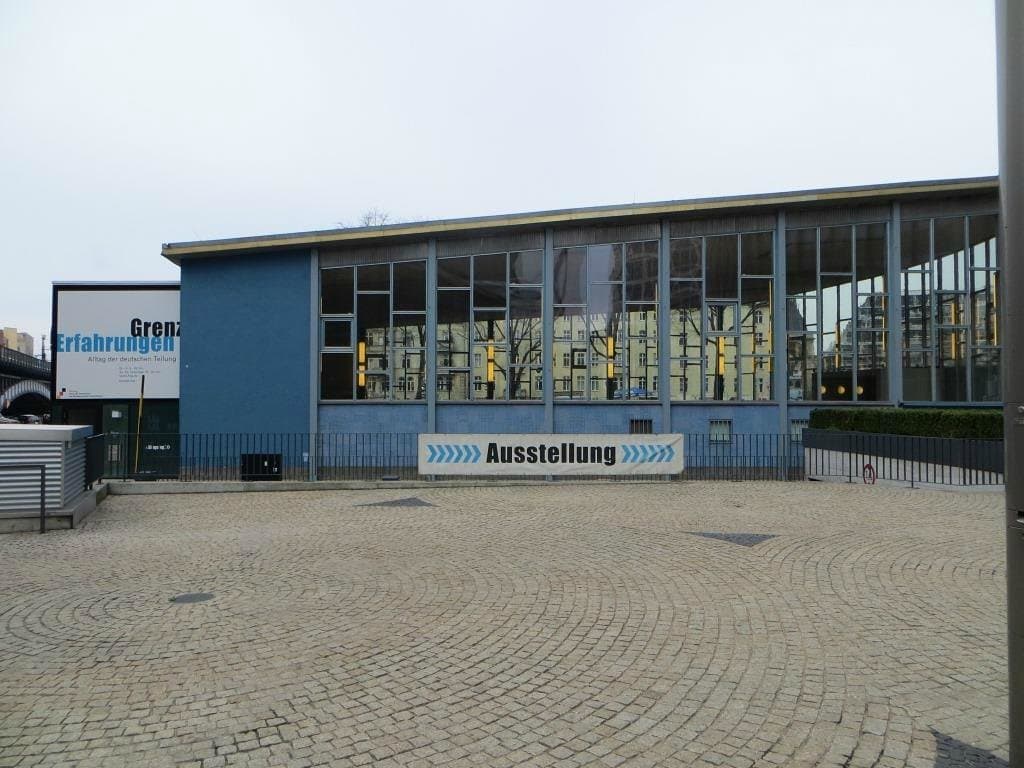
Tränenpalast Berlin
Tränenpalast: A free museum at Friedrichstraße Station detailing the heartbreaking farewells of divided Berlin.
Highlights
Must-see attractions

Social
From TikTok & Reddit
Best Time
Fewer crowds, more reflection
Tränenpalast Berlin
Best Time
Fewer crowds, more reflection
Highlights
Must-see attractions
Tränenpalast: A free museum at Friedrichstraße Station detailing the heartbreaking farewells of divided Berlin.
"A powerful, free museum offering a poignant glimpse into the emotional farewells of divided Berlin."
Free Admission! 🎉
Entry to Tränenpalast is completely free, making it an accessible historical experience.
Allow an Hour ⏳
While not huge, the exhibits are dense. Give yourself at least an hour to read and absorb.
Highlights
Discover the most iconic attractions and experiences
The Farewell Hall
Main exhibition area
Witness the poignant exhibits detailing heartbreaking goodbyes between East and West Berliners.
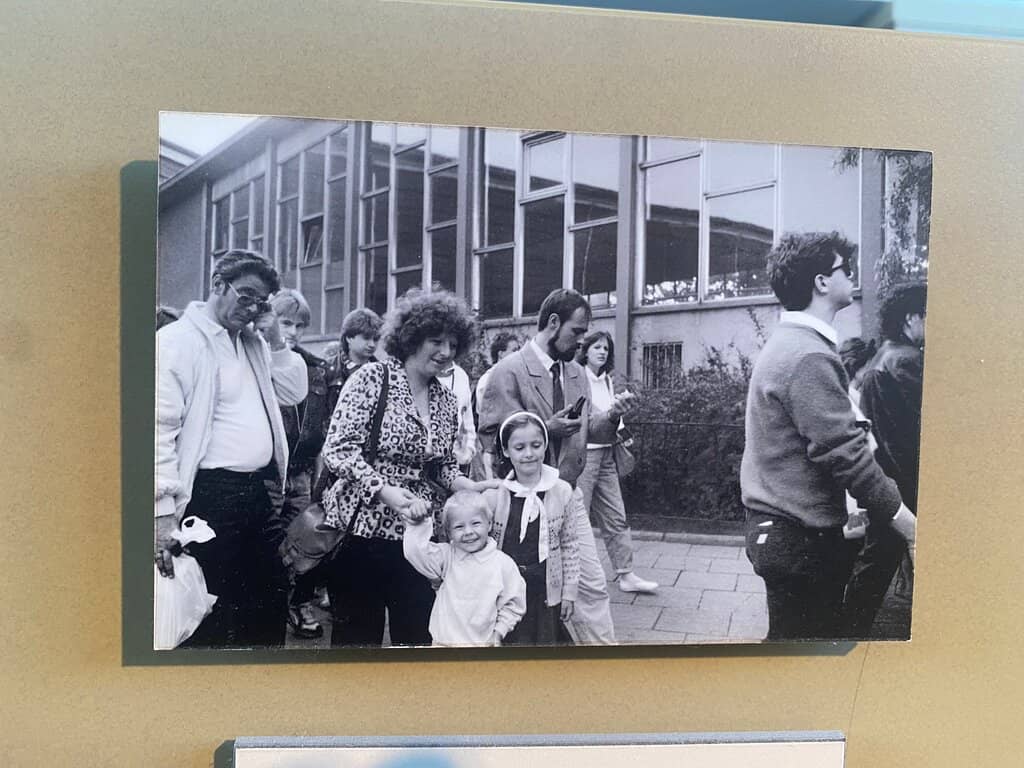
Original Border Control
Exhibition displays
See authentic passport control booths and learn about the strict procedures of the divided city.
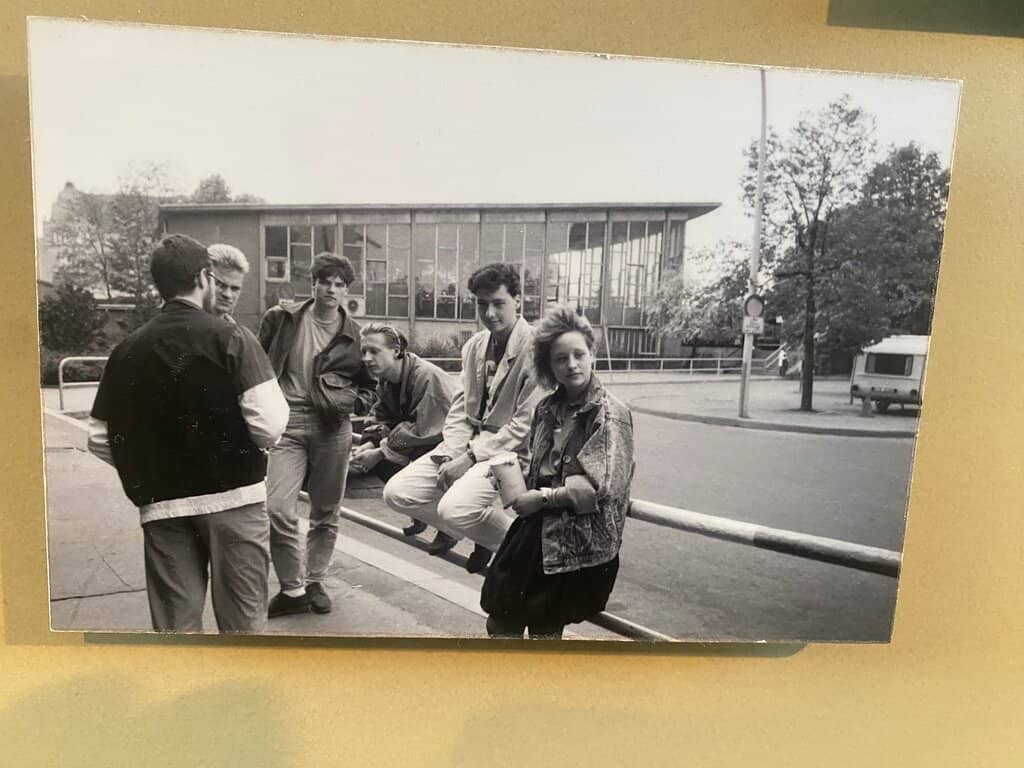
Personal Stories
Audio-visual exhibits
Hear firsthand accounts and read anecdotes from those separated by the Berlin Wall.
Plans like a pro.
Thinks like you
Planning Your Visit
Free Entry, Big Impact
Location & Context
Best Times
Insider Tips
from TikTok, Instagram & Reddit
Free Admission! 🎉
Entry to Tränenpalast is completely free, making it an accessible historical experience. +1
Allow an Hour ⏳
While not huge, the exhibits are dense. Give yourself at least an hour to read and absorb.
Bag Lockers Available 🔒
You'll need to use the lockers for bags before entering the exhibition.
Audio Guide Option 🎧
Consider using the audio guide (often via your phone) for deeper insights into the history.
Tips
from all over the internet
Free Admission! 🎉
Entry to Tränenpalast is completely free, making it an accessible historical experience. +1
Allow an Hour ⏳
While not huge, the exhibits are dense. Give yourself at least an hour to read and absorb.
Bag Lockers Available 🔒
You'll need to use the lockers for bags before entering the exhibition.
Audio Guide Option 🎧
Consider using the audio guide (often via your phone) for deeper insights into the history.
Connects to History 📍
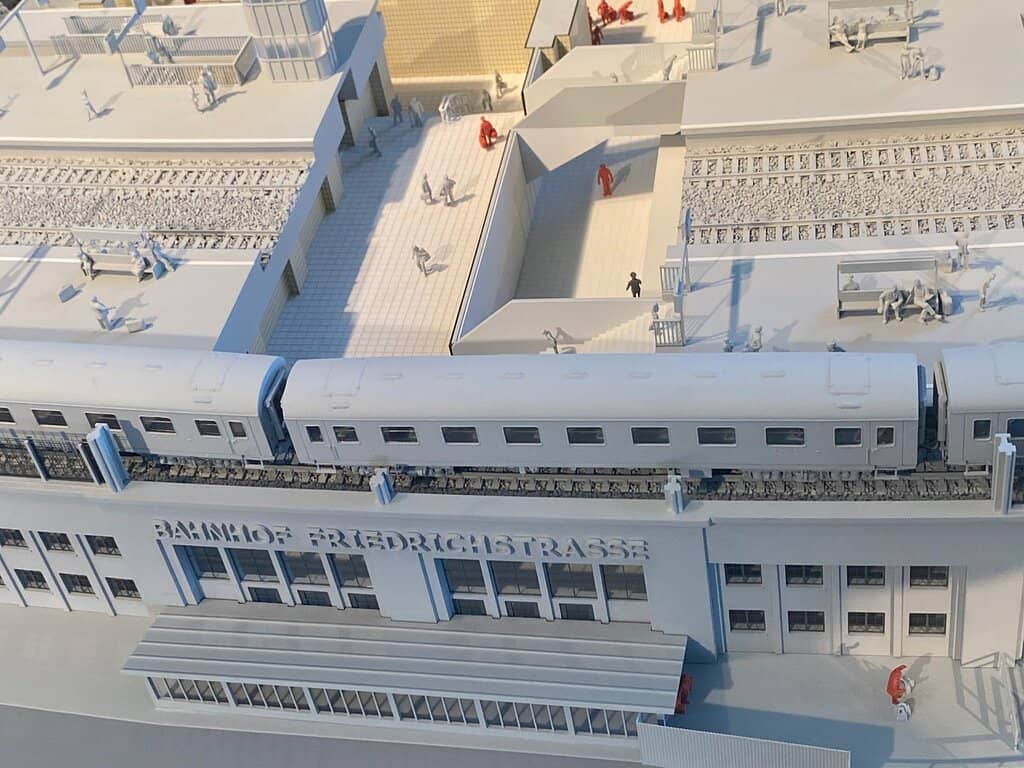
Located at Friedrichstraße Station, it's a key point in understanding Berlin's divided past.
What Travellers Say
Reviews Summary
Visitors consistently praise Tränenpalast for its powerful, free exhibition on the emotional impact of Berlin's division. Many highlight the personal stories and historical artifacts as deeply moving and informative, offering a crucial glimpse into the Cold War era. While some wish for more interactive elements, the overall consensus is that it's a highly worthwhile and poignant experience.
"I remember coming to East Berlin here in 1980. This great museum gives all the story of this station and the crossing between West and East Berlin.
Ii’s free to enter and I highly recommend to visit it.
Let’s hope it’s a symbol of unification and freedom to the whole world!"
Ron Paran
"Located next to Friedrichstraße Station, this historic site was once a border crossing between East and West Berlin during the division of Germany. Families and loved ones said their tearful goodbyes here, not knowing if they would ever see each other again. Today, it stands as a museum with a free entry, offering a glimpse into the struggles, restrictions, and emotional farewells of that era. Walking through the exhibits, you can see original passports, border control booths, and hear real stories from those who lived through it. It’s a powerful reminder of Berlin’s history and resilience."
Doğa
"A must visit in Berlin! Fascinating insight into the Cold War and the previous use of this building. Recommend using the QR codes to listen to the audio guide. Museum is free to enter with bag storage and toilets."
Christina Greenway
What People Like
What People Dislike
Frequently Asked Questions
🚇 🗺️ Getting There
Tränenpalast is conveniently located at Friedrichstraße Station, a major transport hub in Berlin. You can easily reach it via U-Bahn (U2, U6), S-Bahn (S1, S2, S25, S26), and various bus lines.
Yes, it's right at Friedrichstraße Station, making it easy to combine with visits to other historical sites or explore the surrounding area. 
Public transport is highly recommended. The U-Bahn and S-Bahn lines serving Friedrichstraße Station offer quick and efficient access from most parts of the city.
Parking in this central Berlin area can be challenging and expensive. It's best to rely on public transportation to avoid hassle.
If you are already in the Mitte district, walking might be an option. It's a central location, so check a map for walking distances from your starting point.
🎫 🎫 Tickets & Entry
The permanent exhibition at Tränenpalast has free admission, making it a highly accessible historical site. +1
The museum typically opens around 10 AM and closes at 6 PM, but it's always a good idea to check the official website for the most current hours, especially on holidays.
No, advance booking is not required as entry is free. You can usually just walk in.
The content deals with the difficult history of division and separation, which might be sensitive for very young children. However, it's generally suitable for older children and adults interested in history.
The main focus is the permanent exhibition on daily life in divided Germany. Information on temporary exhibitions, if any, would be available on their official website.
🎫 🧭 Onsite Experience
You'll find exhibits detailing the history of the border crossing, personal stories of separation, original documents like passports, and displays about life in East and West Berlin. +1
Most visitors spend around an hour to an hour and a half to fully engage with the exhibits and read the information provided.
Yes, an audio guide is often available, which can enhance your understanding of the historical context and personal narratives.
No, large bags and backpacks must be stored in the provided locker facilities before you enter the exhibition area.
Information on accessibility for visitors with mobility issues should be confirmed with the museum directly, but many modern exhibitions aim for good accessibility.
📸 📸 Photography
Photography rules can vary, but generally, personal photos for non-commercial use are often permitted in exhibition spaces, though flash photography might be restricted. It's best to check for signage or ask staff.
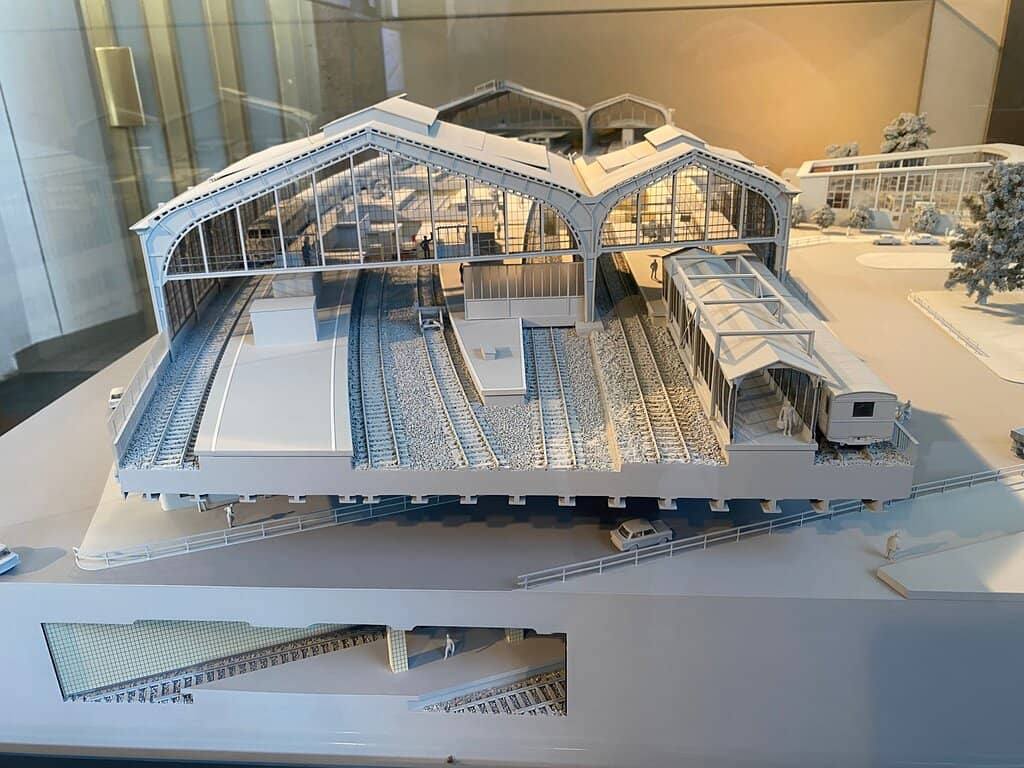
The exterior architecture of the station and the poignant displays within the exhibition, like the passport control booths, offer compelling photographic opportunities.
The recreated border control areas and displays of historical documents like DDR passports offer unique visual elements that capture the essence of the divided era.
Visitors often capture the emotional weight of the place, focusing on the historical artifacts and the stark reminder of past divisions.
Yes, if you enjoy historical photography or want to document your visit to this significant site, bringing a camera or using your smartphone is recommended.
For Different Travelers
Tailored advice for your travel style
👨👩👧 Families with Kids
Consider preparing children beforehand by explaining the historical context of a divided city. The personal stories and visual exhibits can be very impactful. While there aren't many 'hands-on' activities in the traditional sense, the authentic artifacts and recreated border control areas can help younger visitors visualize the past.
📚 History Enthusiasts
The personal testimonies and detailed narratives offer a nuanced perspective beyond textbook accounts. Its location at Friedrichstraße Station, a historically significant transport hub, adds another layer to the experience. You can spend an hour or more delving into the emotional and political landscape of divided Berlin. The free entry allows for in-depth exploration without financial barriers, making it an essential stop for a comprehensive understanding of Berlin's complex history.
Deep Dives
In-depth insights and expert knowledge
The History of the Tränenpalast
This location was a crucial, albeit somber, part of daily life for many during the division of Germany. It represented not just a physical barrier but also the deep emotional and familial rifts created by the Cold War. The exhibitions within the Tränenpalast today aim to bring these personal stories and the broader historical context to life, offering visitors a profound understanding of this era.
Today, the Tränenpalast serves as a permanent exhibition managed by the German Historical Museum. It stands as a memorial and a place of remembrance, ensuring that the experiences of those separated by the Wall are not forgotten. Its free admission makes it an accessible and essential stop for anyone wanting to grasp the human impact of Berlin's divided past.
Experiencing the Exhibition
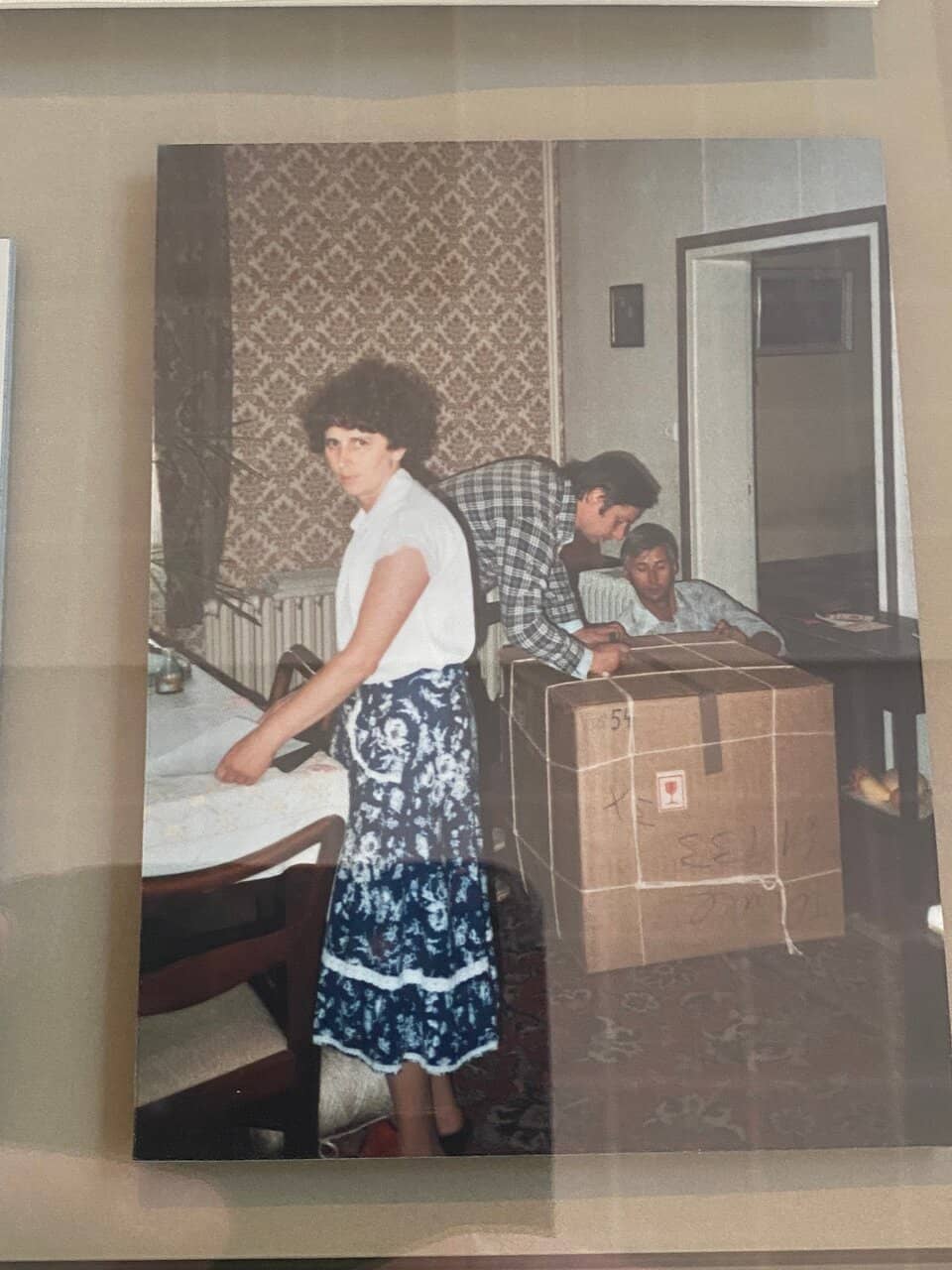
The displays also feature personal anecdotes and photographs from individuals who experienced these farewells, making the history relatable and emotionally resonant. The layout of the exhibition often includes recreated elements of the border crossing, allowing you to visualize the environment where these significant goodbyes took place. Many visitors find the audio guide particularly helpful, as it provides detailed context and personal testimonies that enrich the understanding of the exhibits.
It's important to note that while the experience is powerful, some visitors mention that a more interactive element could enhance engagement. However, the free entry and the profound historical insights make it a highly recommended visit for anyone interested in Berlin's Cold War history.
Social
from TikTok, Instagram & Reddit