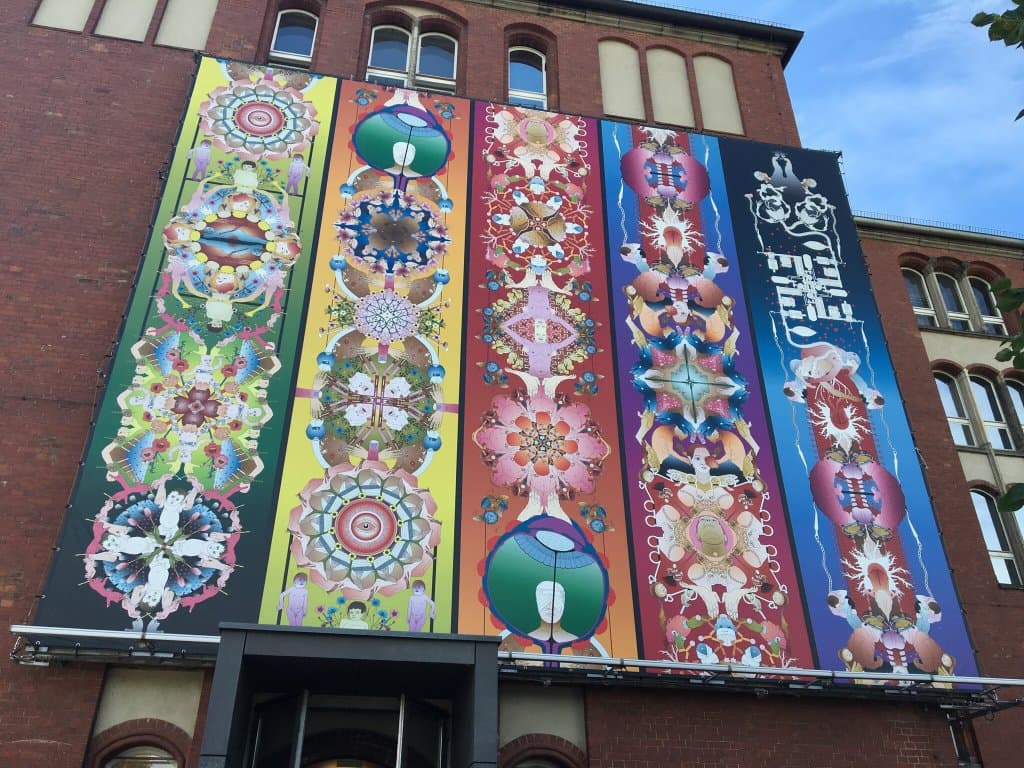
Museum of Medical History
Explore centuries of medical advancements and human anatomy in this unique museum within Berlin's historic Charité hospital.
Highlights
Must-see attractions

Social
From TikTok & Reddit
Best Time
Fewer crowds, more focused visits
Museum of Medical History
Best Time
Fewer crowds, more focused visits
Highlights
Must-see attractions
Explore centuries of medical advancements and human anatomy in this unique museum within Berlin's historic Charité hospital.
"A truly human and educational experience, even for those initially nervous about medical exhibits."

🎯 Respectful Exploration
While fascinating, some exhibits are graphic. Approach with an open mind and respect for the human stories behind them. :pray:
🗺️ Navigate the Charité
The museum is within the hospital complex. Allow extra time to find it and familiarize yourself with the campus. :hospital:

Highlights
Discover the most iconic attractions and experiences
The 'Slime' Exhibition
Explore the fascinating biological, historical, and cultural aspects of mucus in an engaging and educational way.
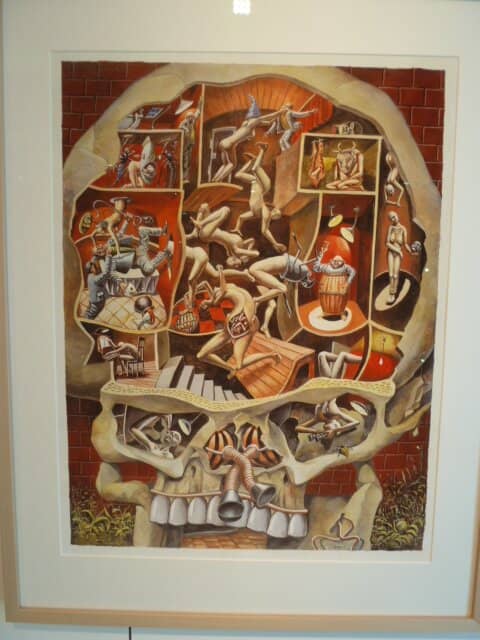
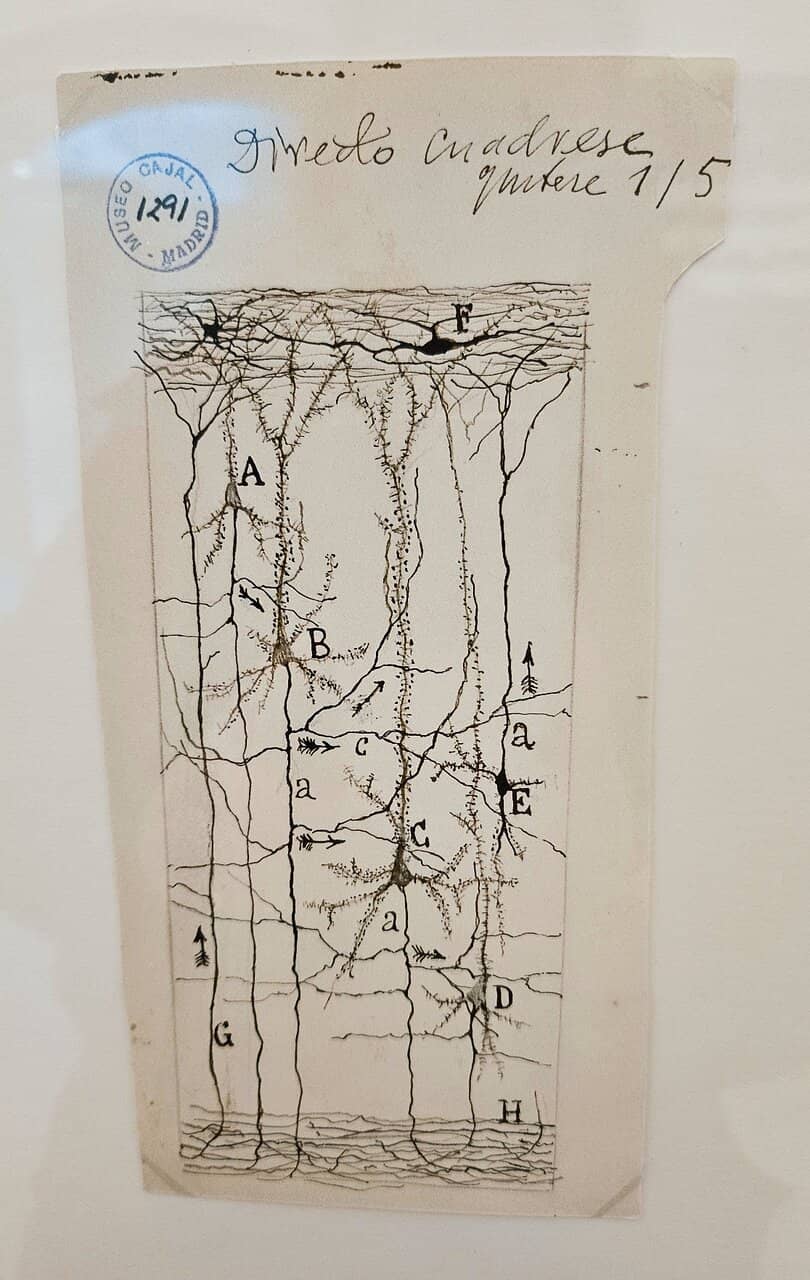
Anatomical Collections
Discover a wealth of unique knowledge, including insights into rare conditions and pathological changes.
Historic Ward Reconstruction
Step back in time and experience a meticulously recreated historical medical ward.
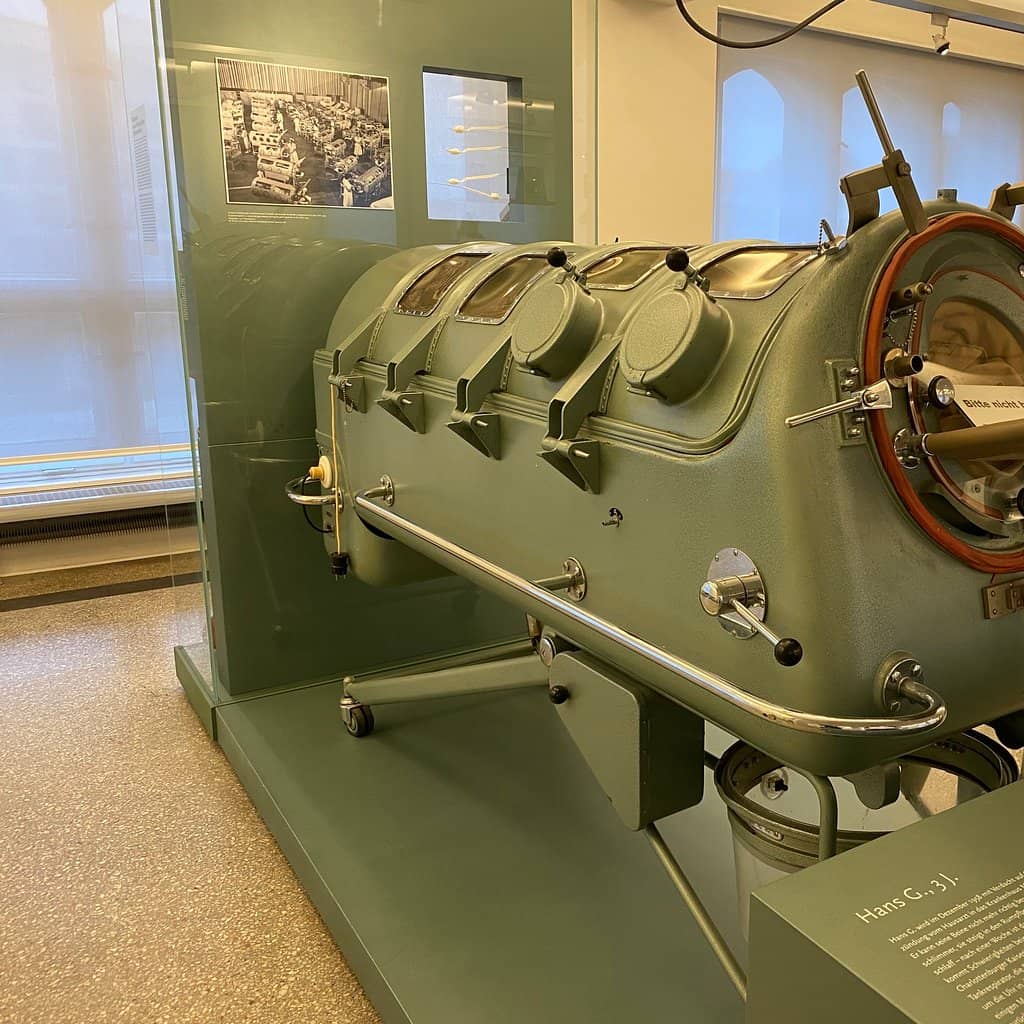
Iron Lung
See a striking example of historical medical technology designed to assist breathing.
Plans like a pro.
Thinks like you
Planning Your Visit
Embrace the Unconventional
Location & Access
Best Times
Insider Tips
from TikTok, Instagram & Reddit
🎯 Respectful Exploration
While fascinating, some exhibits are graphic. Approach with an open mind and respect for the human stories behind them. :pray:
🗺️ Navigate the Charité
The museum is within the hospital complex. Allow extra time to find it and familiarize yourself with the campus. :hospital:
📸 Photo Restrictions
Photography may be restricted in certain areas, especially for privacy. Be mindful of signage. :camerawithflash:
💡 Educational Value
Great for students and anyone interested in medicine. The exhibits are detailed and informative. :mortar_board:
Tips
from all over the internet
🎯 Respectful Exploration
While fascinating, some exhibits are graphic. Approach with an open mind and respect for the human stories behind them. :pray:
🗺️ Navigate the Charité
The museum is within the hospital complex. Allow extra time to find it and familiarize yourself with the campus. :hospital:
📸 Photo Restrictions
Photography may be restricted in certain areas, especially for privacy. Be mindful of signage. :camerawithflash:
💡 Educational Value
Great for students and anyone interested in medicine. The exhibits are detailed and informative. :mortar_board:
✨ Special Exhibitions
Don't miss temporary exhibits like 'Slime' – they're often highlights! :sparkles:
What Travellers Say
Reviews Summary
Visitors are consistently impressed by the museum's unique and educational exhibits, particularly the 'Slime' exhibition and the detailed anatomical collections. The respectful curation of sensitive material is frequently praised, making it accessible even for those initially hesitant. While the location within a hospital complex requires some navigation, the overall experience is highly recommended for its fascinating insights into medical history.
"I was absolutely marveled by the Slime exhibition!
I had the wonderful opportunity to attend the special exhibition “Slime – Secrets of an Underestimated Bodily Fluid” 🐌at the Berliner Medizinhistorisches Museum🐚🏣, and I was genuinely captivated by the experience.
The exhibition exceeded all my expectations in the most delightful way.
What particularly impressed me was how curators Beate Kunst and Susanne Wedlich managed to transform a subject that many initially find uncomfortable into a fascinating scientific and cultural journey.
The biological, historical, and cultural traces of mucus are presented in a manner that is both educational and visually engaging💁♀️"
Pablicy de Souza Nobre
"What an inspiring and interesting place to be. Initially I was skeptical about entering a Medical world and seeing parts of bodies on formaldehyde. However, it was truly human through stories shared associated with a disease or treatment."
Jasna Tholens
"I was just a little nervous bringing my kids because there is a warning of course but the museum is so fantastically and respectfully curated. My 11 year old has kidney disease and we all found it so educational to be able to observe those structures and many more. My 6 year old was completely fine also but we are very matter of fact in our discussions of life/death and medical things in general. We all learned so much."
Amanda McTeer
What People Like
What People Dislike
Frequently Asked Questions
🚇 🗺️ Getting There
The Museum of Medical History is located within the Charité - Universitätsmedizin Berlin campus. You can reach it via public transport, with several tram and bus lines stopping nearby. It's recommended to use a navigation app to find the specific building within the large hospital complex. +1
Parking within the Charité complex can be limited and is often reserved for patients and staff. It's advisable to use public transportation to avoid parking hassles.
While possible, it's a significant distance. Public transport is the most efficient way to reach the museum from central Berlin.
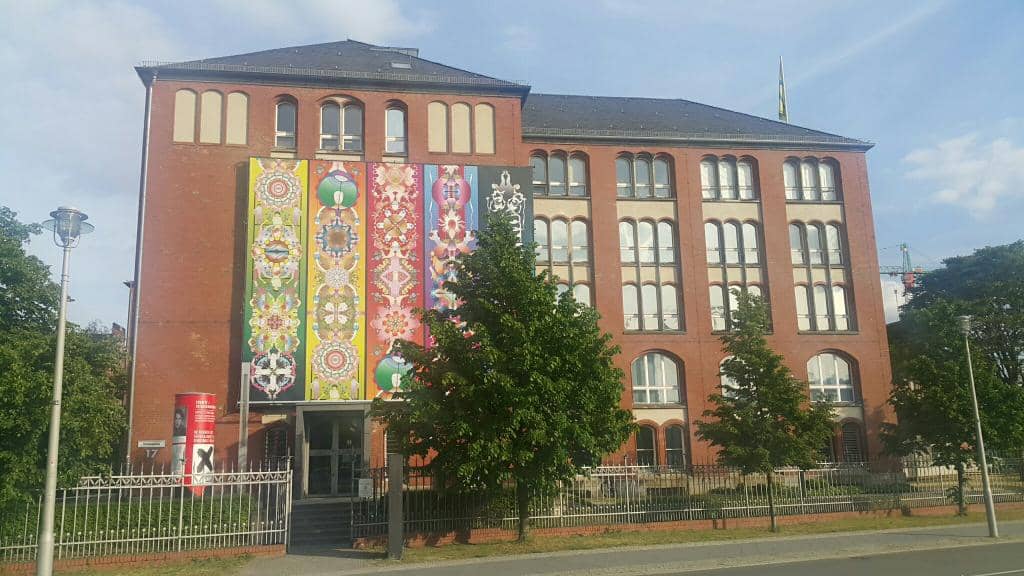
The museum is situated in a building constructed by Rudolf Virchow for his Pathological Museum. Look for signage within the Charité grounds directing you to the Medizinhistorisches Museum.
As it's part of a large hospital, the immediate surroundings are focused on medical facilities. However, Berlin offers numerous other attractions accessible via public transport after your visit.
🎫 🎫 Tickets & Entry
Opening hours can vary, and it's best to check the official website or recent visitor information before your visit. Some sources suggest it's open on weekdays.
Admission fees are typically reasonable. Check the museum's official website for the most current pricing information.
For general admission, advance booking might not be strictly necessary, but it's always a good idea, especially for special exhibitions or during peak times.
The museum is generally considered educational for older children, but some exhibits are graphic. Parents should use discretion based on their child's sensitivity.
Information on guided tours, especially for specific exhibitions like 'Slime,' can be found on the museum's official website.
🎫 🧭 Onsite Experience
Expect a diverse collection including anatomical specimens, historical medical equipment, books, and reconstructions of historic wards. Special exhibitions, like 'Slime,' offer unique thematic dives. +2
Some exhibits feature anatomical specimens and discussions of diseases, which can be intense. Visitors with a sensitive disposition should be prepared.
Photography policies can vary by exhibit. It's important to respect any restrictions in place to protect privacy and the artifacts.
The 'Slime' exhibition explores the biological, historical, and cultural significance of mucus, presented in an educational and engaging manner. +1
To fully appreciate the collections and any special exhibitions, plan for at least 1.5 to 2 hours.
🍽️ 🍽️ Food & Dining
As the museum is located within the Charité hospital complex, there are likely cafeteria or dining facilities available within the hospital itself.
It's generally best to consume food and drinks outside of exhibition areas. Check for designated areas if available.
Hospital cafeterias typically offer a range of options, from quick snacks to more substantial meals, catering to staff, patients, and visitors.
The Charité campus is in a part of Berlin with various dining establishments. You can find cafes and restaurants a short walk from the hospital grounds.
There might be outdoor seating areas or nearby parks where a picnic could be enjoyed, depending on the weather and hospital regulations.
📸 📸 Photography
Photography policies can vary. While some areas might permit it, others, especially those with sensitive exhibits or for privacy reasons, may prohibit it. Always check for signs.
Flash photography is generally discouraged or prohibited in museums to protect artifacts from light damage. It's best to assume it's not allowed unless explicitly stated otherwise.
Exhibits featuring human remains or particularly sensitive historical items are often areas where photography is restricted.
The museum's official website and social media channels are the best places to find high-quality, approved images of their collections. +1
While respecting restrictions, the historic ward reconstructions and unique medical equipment can make for striking photographs. The 'Slime' exhibition also offers visually interesting displays. +1
For Different Travelers
Tailored advice for your travel style
👨👩👧 Families with Kids
It's advisable to gauge your children's sensitivity to medical themes before visiting. The museum offers a unique opportunity to discuss life, death, and medical advancements in an informative setting. Consider focusing on the historical aspects and the 'Slime' exhibition, which is often described as engaging and less confronting.
🧑⚕️ Medical Professionals & Students
The museum's connection to the renowned Charité hospital further enhances its appeal, offering a glimpse into the legacy of medical innovation and teaching. Special exhibitions, like the 'Slime' exhibition, also provide unique scientific and cultural perspectives relevant to various medical disciplines.
🤔 Curious Travelers
Be prepared for exhibits that are both fascinating and potentially confronting, but the respectful curation ensures an educational and thought-provoking visit. It's a place that sparks curiosity and offers a deeper understanding of the human body and the history of medicine.
Deep Dives
In-depth insights and expert knowledge
Exploring the 'Slime' Exhibition
The exhibition is praised for being both educational and visually engaging, managing to make a potentially uncomfortable topic accessible and fascinating. It delves into the biological, historical, and cultural traces of mucus, offering a fresh perspective on this underestimated substance. The presentation is described as inspiring and interesting, making it a standout experience for many visitors.
This exhibition is a testament to the museum's ability to present complex scientific topics in an innovative way, appealing to a broad audience beyond just medical professionals. It highlights the museum's commitment to exploring the multifaceted nature of medical history and human biology.
The Charité's Medical History Legacy
Visitors can explore the history that shaped this renowned institution, gaining insights into anatomical understanding and teaching practices over centuries. The museum's collections reflect the evolution of medicine, showcasing historical milestones and the development of medical knowledge. This provides a unique context for understanding modern healthcare.
The museum's setting within a working hospital also offers a unique perspective, blending historical exhibits with the ongoing advancements in medicine. It's a place where the past and present of medical science converge, offering a comprehensive view of the field's progression.
Navigating the Museum and Campus
Social media content often highlights the unique setting, with some videos showcasing the building's architecture and its integration into the hospital environment. It's recommended to use a reliable navigation app or consult campus maps to locate the specific building, which was originally built for the Pathological Museum.
Given its location, public transportation is the most convenient way to reach the museum. Parking can be challenging within the hospital grounds, so planning your journey via tram, bus, or U-Bahn is advisable.
Social
from TikTok, Instagram & Reddit