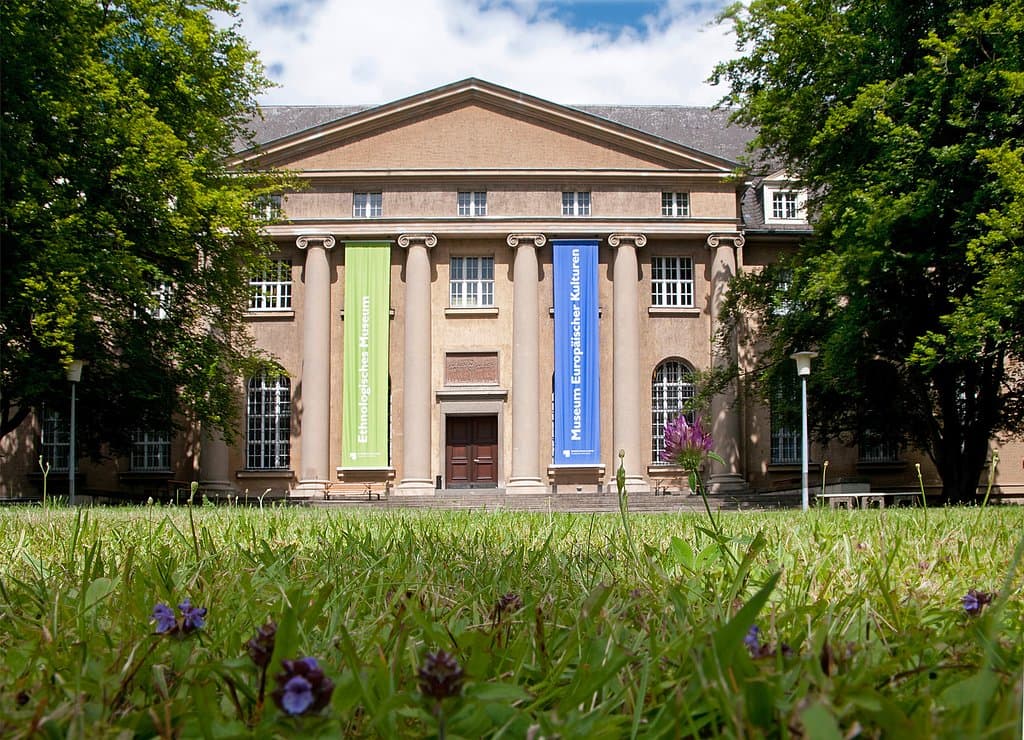
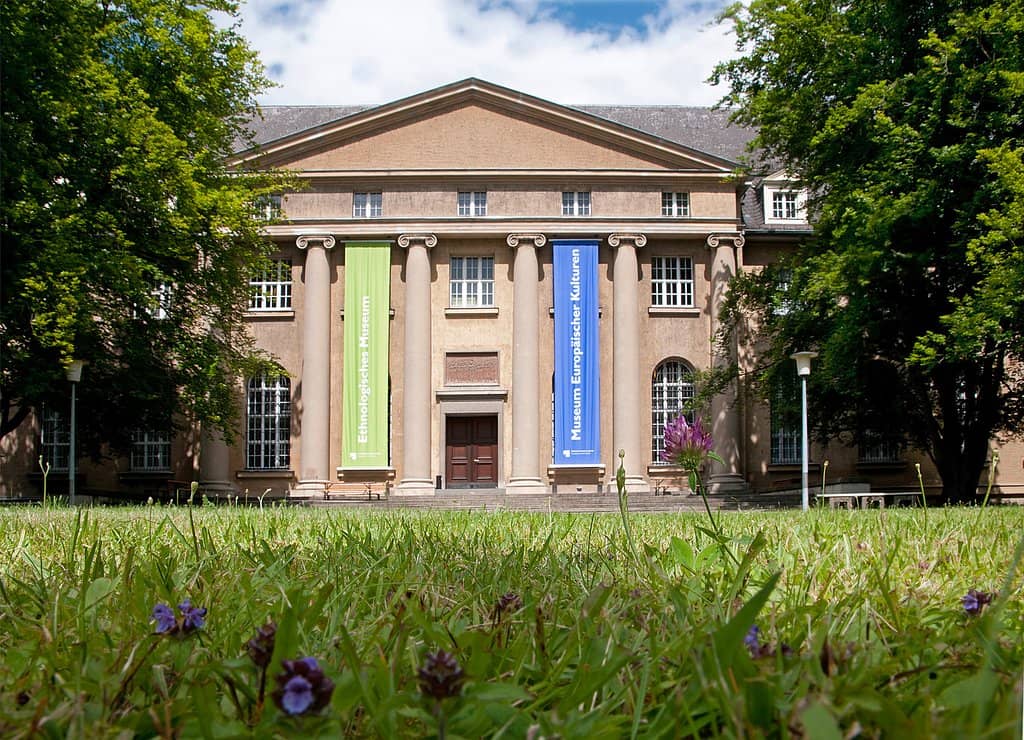
Museum Europäischer Kulturen Berlin
Explore Europe's everyday life through a vast collection of artifacts, from 18th-century domestic items to modern cultural phenomena.
Highlights
Must-see attractions

Social
From TikTok & Reddit
Best Time
Fewer crowds, more relaxed viewing
Museum Europäischer Kulturen Berlin
Best Time
Fewer crowds, more relaxed viewing
Highlights
Must-see attractions
Explore Europe's everyday life through a vast collection of artifacts, from 18th-century domestic items to modern cultural phenomena.
"Total Hidden Gem in all senses of the word. An absolute must-see with something more unique to offer than the traditional museum."
Hidden Gem Alert! 💎
Often overlooked, this museum offers unique insights into everyday European life. Don't miss it!
Check for Special Exhibits 🎨
Temporary exhibitions like the 'Läuft' on menstruation are highly recommended.
Highlights
Discover the most iconic attractions and experiences
The 'Läuft' Exhibition
Temporary Exhibition Space
An engaging exploration of menstruation, featuring historical products and cultural perspectives. It's been praised for its educational and open approach.
Döner Kebab History
Permanent Exhibition
Discover the fascinating journey of the beloved döner kebab and its cultural significance in Europe.

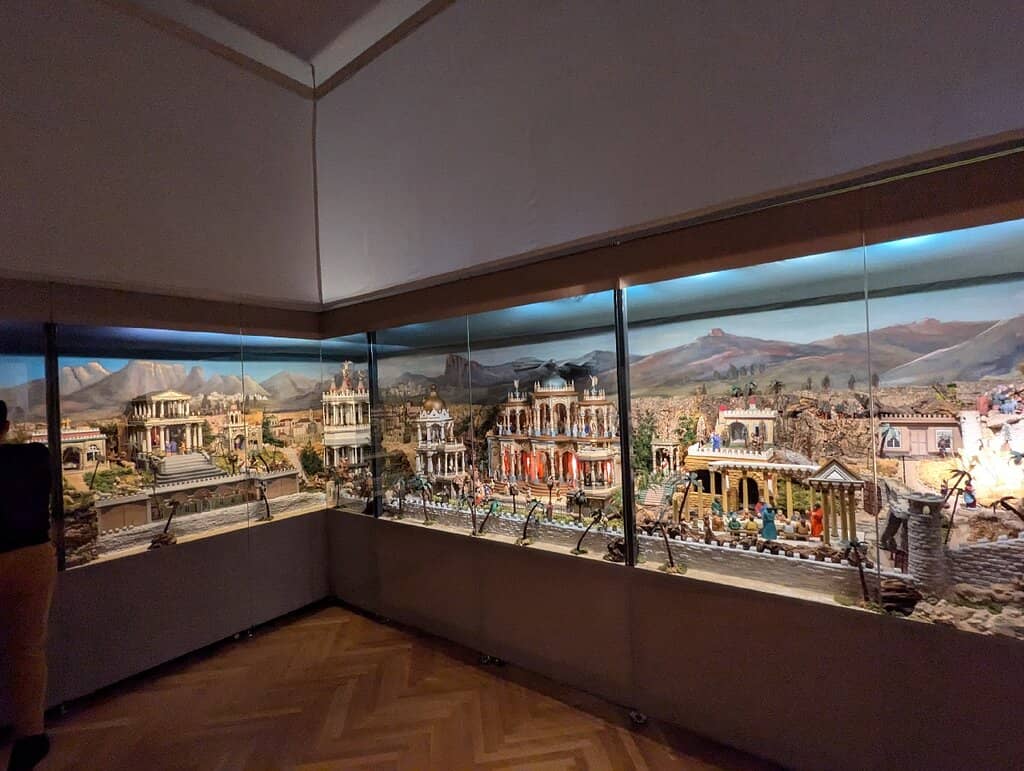
Sicilian Cart
Permanent Exhibition
Admire the intricately decorated 'Carrettu sicilianu', a vibrant symbol of Sicilian folk art.
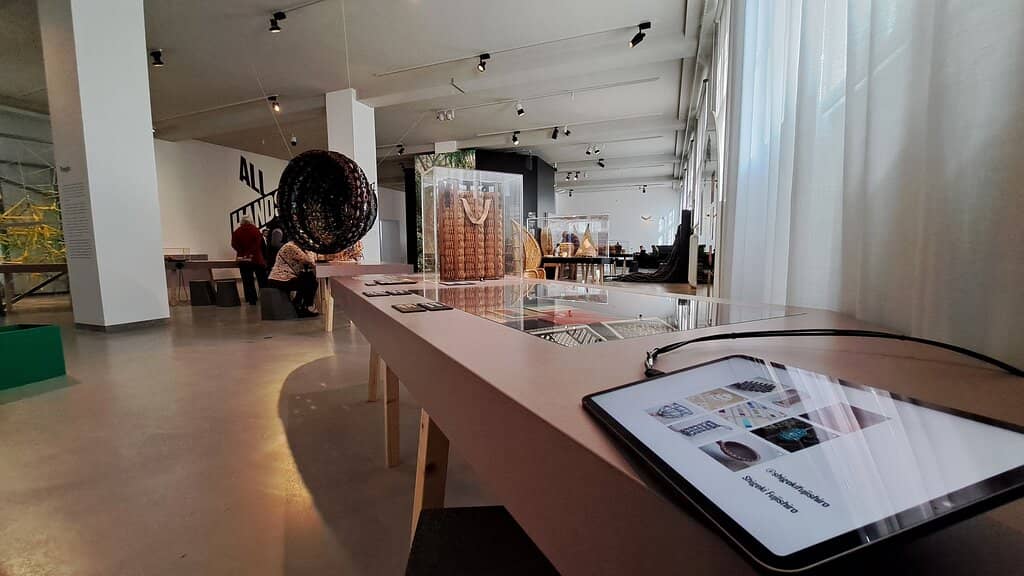
Turkish Cultural Exhibits
Permanent Exhibition
Explore a surprisingly extensive collection showcasing Turkish culture, including nazar boncuğu and coffee traditions.
Plans like a pro.
Thinks like you
Planning Your Visit
Uncover Europe's Everyday Life
Check for Special Exhibitions
Best Times
Insider Tips
from TikTok, Instagram & Reddit
Hidden Gem Alert! 💎
Often overlooked, this museum offers unique insights into everyday European life. Don't miss it!
Check for Special Exhibits 🎨
Temporary exhibitions like the 'Läuft' on menstruation are highly recommended. +1
English Info Available 🌎
Many exhibits have informative boards in English, making it accessible for international visitors.
Free with Berlin Pass 🎟️
If you have a Berlin City Pass, entry is often free.
Tips
from all over the internet
Hidden Gem Alert! 💎
Often overlooked, this museum offers unique insights into everyday European life. Don't miss it!
Check for Special Exhibits 🎨
Temporary exhibitions like the 'Läuft' on menstruation are highly recommended. +1
English Info Available 🌎
Many exhibits have informative boards in English, making it accessible for international visitors.
Free with Berlin Pass 🎟️
If you have a Berlin City Pass, entry is often free.
Turkish Culture Surprise 🌎
Visitors are often delighted by the extensive displays on Turkish culture. +1
What Travellers Say
Reviews Summary
Visitors frequently praise the Museum Europäischer Kulturen as an 'underrated hidden gem' with unique and thoughtfully curated collections that offer a fresh perspective on European life. While some temporary exhibitions might not appeal to everyone, the overall experience is highly regarded for its insightful displays and pleasant atmosphere.
"This meseum was so under rated and I found so many interesting collections there"
Kitty Tam
"The museum is very nice but this particular exhibition (franquismo y turismo) wasn't very entertaining. Still I'd come back to see what's new"
Braian Lugo
"Total Hidden Gem in all senses of the word. An absolute must-see with something more unique to offer than the traditional museum. Brilliant curation with sincere and thoughtful contextualisation of the main exhibition. The döner section on the history of döner kebab was great. Free for those with Berlin city pass and has info boards in English."
Ava van Huyssteen
What People Like
What People Dislike
Frequently Asked Questions
🚇 🗺️ Getting There
The museum is accessible via public transport. You can take the U-Bahn to Dahlem-Dorf (U3) or the bus lines M11, 110, 210, or 622 to the 'Domäne Dahlem' or 'Schloss Dahlem' stops. It's located in the Steglitz-Zehlendorf district.
Limited street parking may be available in the surrounding residential areas, but it's often easier and more reliable to use public transportation.
Information on accessibility for visitors with disabilities can be found on the museum's official website. It's advisable to check in advance for specific needs.
Taking the U3 subway line directly to Dahlem-Dorf is a straightforward option from many central Berlin locations. The journey typically takes around 20-30 minutes.
Yes, taxis and ride-sharing services can drop you off at the museum's entrance. Ensure your driver is familiar with the address in Dahlem.
🎫 🎫 Tickets & Entry
Opening hours can vary, so it's best to check the museum's official website for the most up-to-date information. They are typically open Tuesday through Sunday.
Standard admission fees apply, but check for potential discounts. Entry is often free for those with a Berlin City Pass.
For general admission, booking in advance is usually not required, but it's recommended during peak times or for special exhibitions to guarantee entry.
Yes, the museum participates in 'Museum Sunday' in Berlin, offering free entry on the first Sunday of each month.
Discounts for students, seniors, and other groups are often available. Please inquire at the ticket counter or check the museum's website for details.
🎫 🧭 Onsite Experience
Don't miss the 'Läuft' exhibition on menstruation,+2 the fascinating history of döner kebab,
and the vibrant Sicilian cart. Many visitors also highlight the extensive Turkish cultural displays.
+1
While it focuses on cultural history, some exhibits, like the döner section or interactive elements in special exhibitions, can be engaging for older children. It's more geared towards adults and teens interested in cultural studies.
The museum often offers guided tours, especially for special exhibitions. Check their schedule upon arrival or on their website for availability and languages.
Photography for personal use is generally permitted in permanent exhibitions, but flash photography and tripods are usually prohibited. Special exhibitions may have different rules, so always check signage.
To fully appreciate the collections and any special exhibitions, allocate at least 2-3 hours. If you're a history enthusiast, you might want to spend even longer.
🍽️ 🍽️ Food & Dining
The museum typically has a cafe or bistro where you can grab a coffee, snack, or light meal. It's a good spot to take a break during your visit.
The Dahlem area has several cafes and restaurants, offering various cuisines. You can find options ranging from casual eateries to more traditional German restaurants.
Generally, consuming outside food and drinks is not allowed inside the exhibition halls. There might be designated areas for picnics outside the museum.
Museum cafes usually offer a selection of cakes, pastries, sandwiches, salads, and hot beverages. It's convenient for a quick refreshment.
Most museum cafes and nearby restaurants in Berlin offer vegetarian and often vegan options. It's advisable to check menus or ask staff.
📸 📸 Photography
Yes, personal photography is generally allowed in the permanent collections. However, flash photography and tripods are usually forbidden to protect the exhibits.
Special exhibitions may have stricter photography rules, sometimes prohibiting it entirely. Always look for signs or ask museum staff for clarification.
The 'Carrettu sicilianu' and the displays related to Turkish culture or the döner exhibition are often visually striking and popular for photos.
Yes, phone cameras are perfectly fine for personal photography, provided you adhere to the general rules about flash and tripods.
Absolutely not. Drone photography is strictly prohibited inside and around museum premises for safety and security reasons.
For Different Travelers
Tailored advice for your travel style
👨👩👧 Families with Kids
🤓 Culture Enthusiasts & Students
🌍 Travelers Seeking Unique Insights
Deep Dives
In-depth insights and expert knowledge
Exploring European Cultures Through Everyday Objects
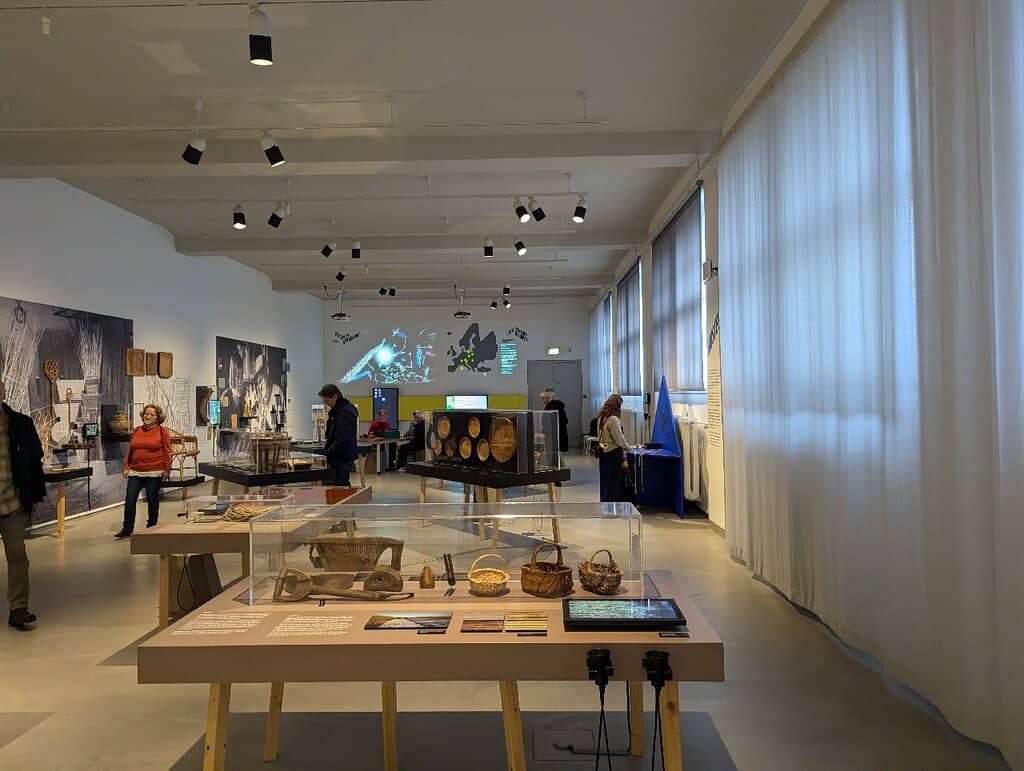
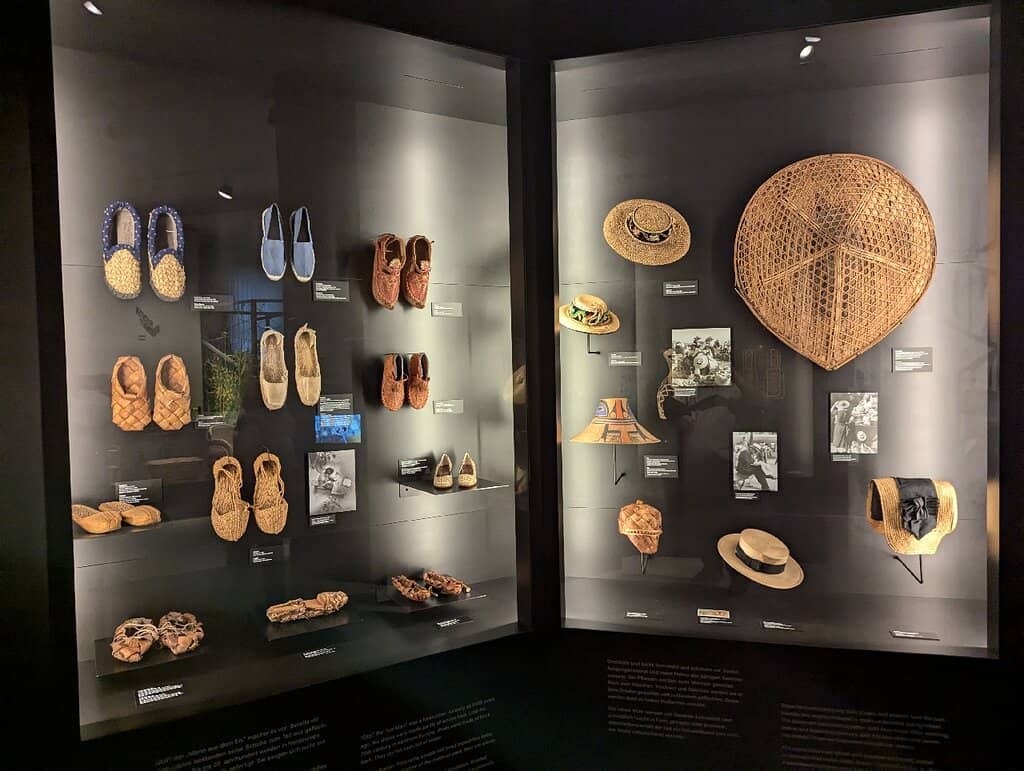
Visitors often express surprise at the depth and breadth of these collections, finding them both relatable and illuminating. The museum's curatorial approach emphasizes context and storytelling, allowing objects to speak volumes about the people who used them. This makes for a highly engaging experience, moving beyond mere display to foster a deeper understanding of shared and distinct European identities.
Recent exhibitions, such as the widely discussed 'Läuft' on menstruation, demonstrate the museum's commitment to tackling contemporary and often taboo subjects through a cultural lens.
A Deep Dive into Turkish Culture at MEK
The inclusion of such a robust collection highlights the historical and ongoing cultural exchange between Turkey and Europe. It provides a valuable opportunity for visitors to learn about the rich heritage of Turkish communities and their contributions to the broader European cultural landscape. The thoughtful presentation allows for an appreciation of both the distinctiveness and the interconnectedness of these cultures.
This aspect of the museum has been a particular delight for many, offering a sense of familiarity and discovery. It underscores the museum's mission to represent the diverse cultural fabric of Europe, acknowledging the significant influence and presence of Turkish heritage within the continent.
The 'Läuft' Menstruation Exhibition
Visitors can expect to see historical menstrual products, learn about different cultural attitudes towards menstruation throughout history, and engage with contemporary discussions. The exhibition has been praised for its informative content and its ability to spark important conversations. Some accounts mention the possibility of trying on historical menstrual products, adding a unique interactive element.
This exhibition is a prime example of the MEK's willingness to explore relevant and often under-discussed social themes. It has been described as 'bloody good' and a 'must-visit' for those interested in women's health, history, and cultural studies.
Social
from TikTok, Instagram & Reddit