Deutsche Kinemathek – Museum für Film und Fernsehen Berlin
Explore German cinema's rich history, from silent films to modern blockbusters, with iconic tributes and interactive exhibits.
Highlights
Must-see attractions

Social
From TikTok & Reddit
Best Time
Fewer crowds, more immersive
Deutsche Kinemathek – Museum für Film und Fernsehen Berlin
Best Time
Fewer crowds, more immersive
Highlights
Must-see attractions
Explore German cinema's rich history, from silent films to modern blockbusters, with iconic tributes and interactive exhibits.
"Amazing museum for cinema and television, with an emphasis on the great star of German cinema, Marlene Dietrich."
Check Website for Hours
Opening times can vary, always check the official website before your visit.
Interactive Viewing Stations
Take advantage of the stations to watch films and experience the collection.
Highlights
Discover the most iconic attractions and experiences
Marlene Dietrich's Star Power
Circular Hall
A stunning tribute to the iconic German actress, featuring her costumes and memorabilia.
Metropolis Masterpiece
Fritz Lang Tribute
Explore the legacy of Fritz Lang and his groundbreaking film 'Metropolis' with impressive models.
Interactive Cinema Journey
Exhibition Halls
Engage with film history through interactive displays and viewing stations showcasing German cinema.
Plans like a pro.
Thinks like you
Planning Your Visit
Film Buff's Paradise
Navigating the Collection
Best Times
Insider Tips
from TikTok, Instagram & Reddit
Check Website for Hours
Opening times can vary, always check the official website before your visit.
Interactive Viewing Stations
Take advantage of the stations to watch films and experience the collection.
Architecture Appreciation
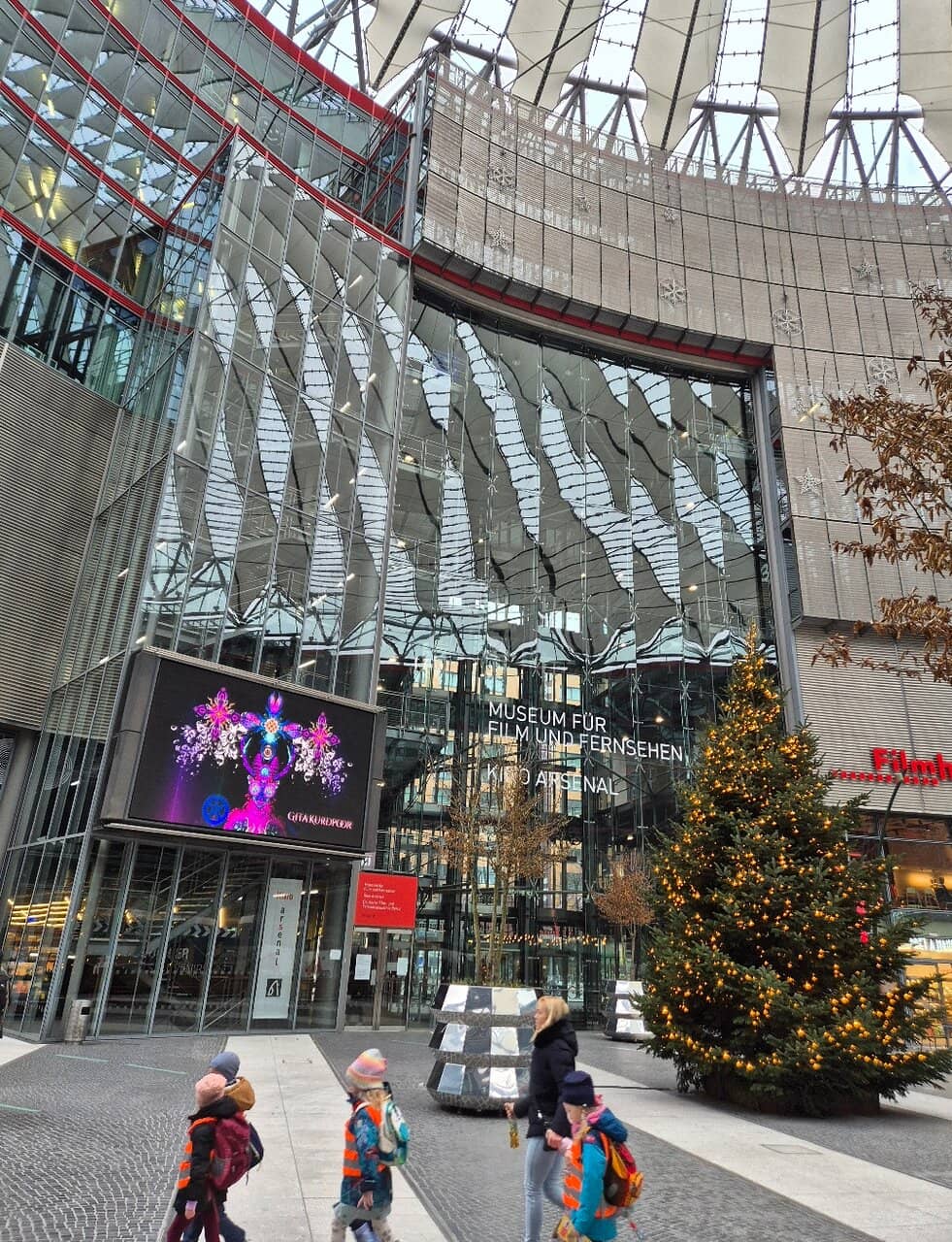
The museum's design itself is a nod to Expressionist cinema.
Film & TV Focus
Ideal for cinephiles and those interested in German television history.
Tips
from all over the internet
Check Website for Hours
Opening times can vary, always check the official website before your visit.
Interactive Viewing Stations
Take advantage of the stations to watch films and experience the collection.
Architecture Appreciation
The museum's design itself is a nod to Expressionist cinema.
Film & TV Focus
Ideal for cinephiles and those interested in German television history.
Plan Your Visit
Allow at least 2-3 hours to fully explore the exhibits.
What Travellers Say
Reviews Summary
Visitors rave about the Deutsche Kinemathek, calling it an 'amazing museum' for cinema and television lovers. Highlights include the stunning tribute to Marlene Dietrich and the impressive 'Metropolis' exhibit. Many appreciate the interactive elements and the museum's architecture, which evokes early film styles. It's considered a must-see for anyone interested in German film history.
"For the openning times look into the website. One service they offer which I like a lot is that you can get movies and watch them there, since they provide watching stations. Also, the collection is very nice."
David Alonso Diaz
"Amazing museum for cinema and television, with an emphasis on the great star of German cinema, Marlene Dietrich. The circular hall with the screens and costumes of the famous actress is stunning.
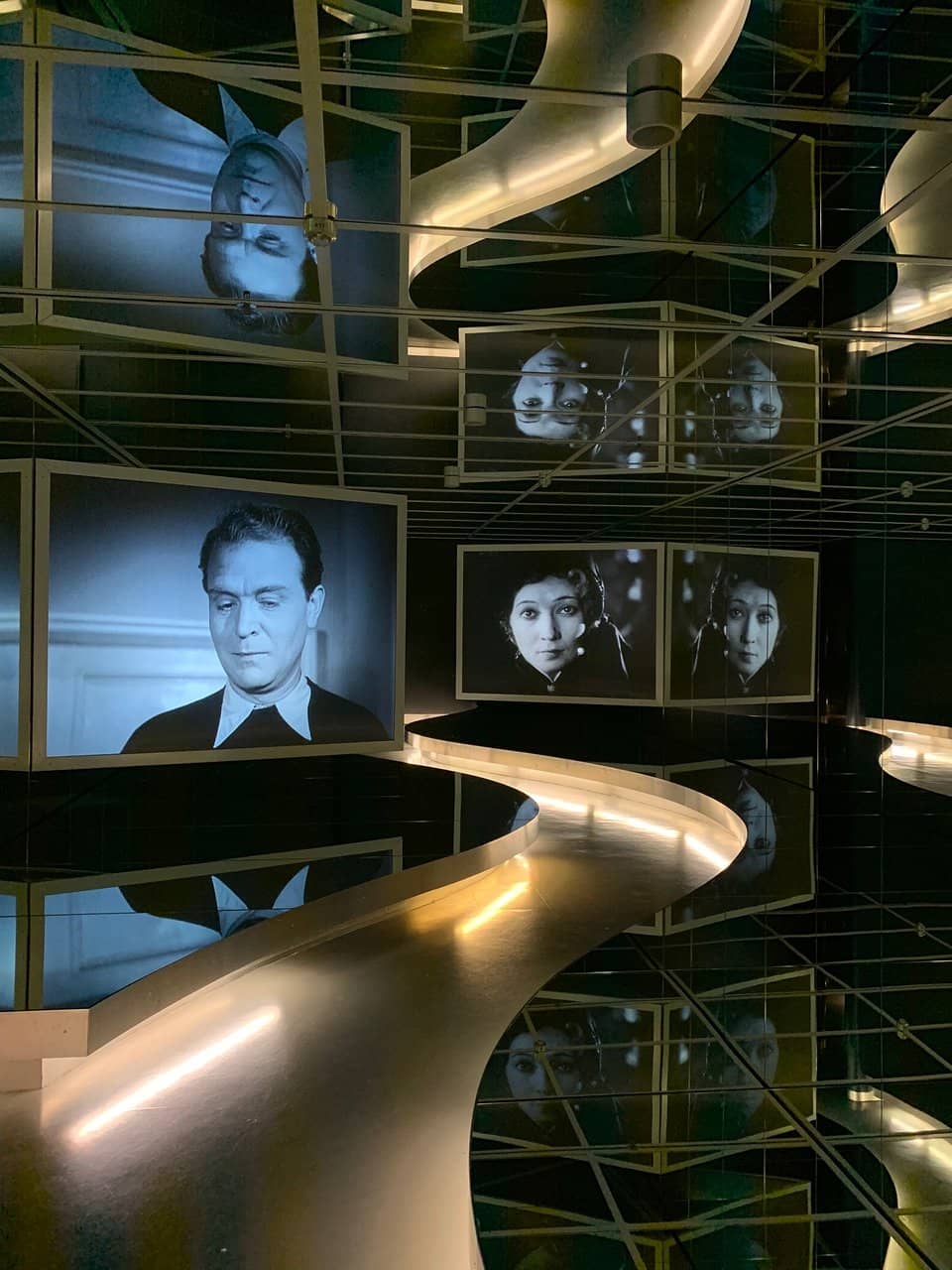
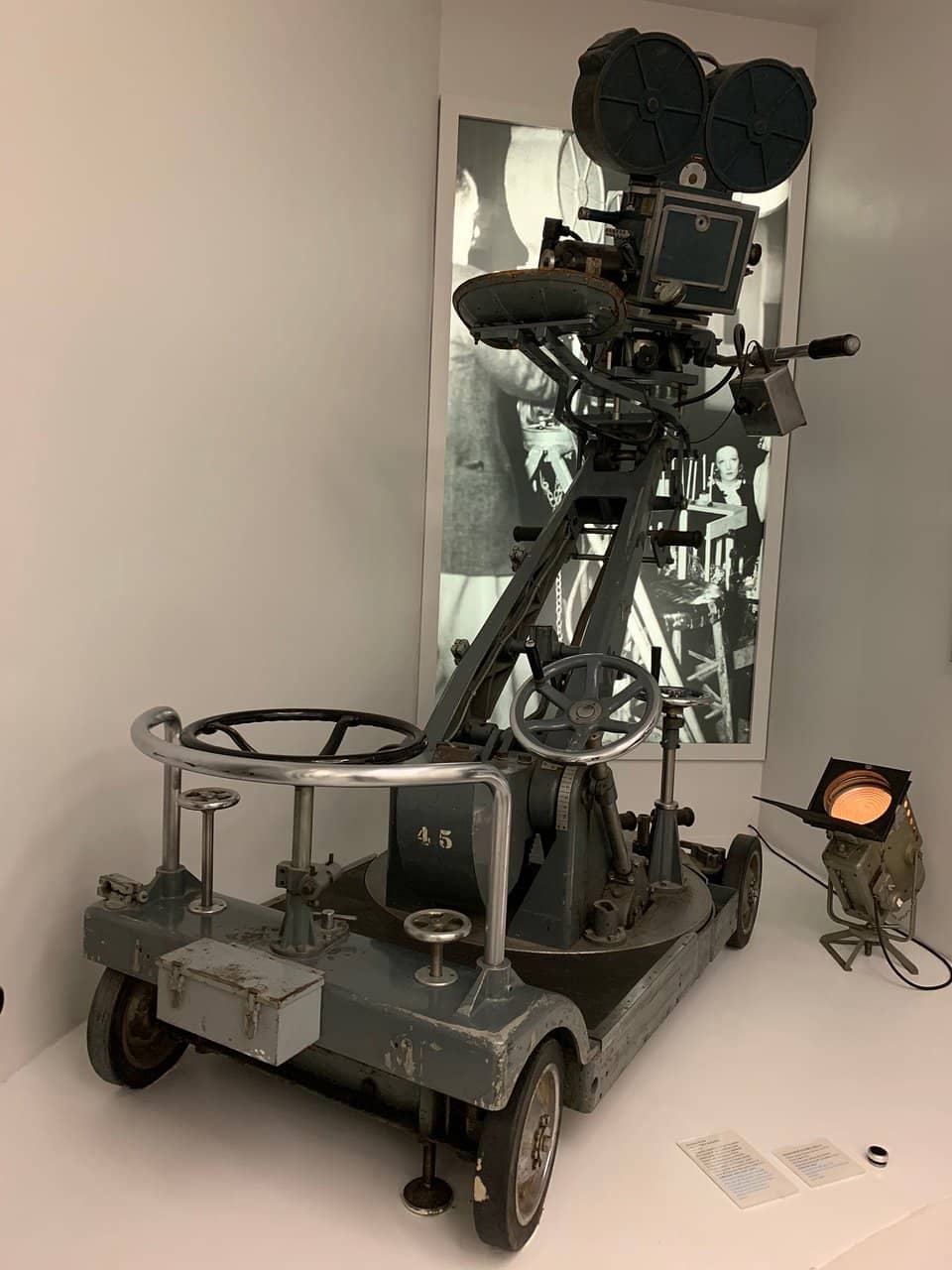
The tribute to the pioneer of German cinema, Fritz Lang, with references to the Metropolis, is unique. The presentation of models from films is impressive. We found the hall with the mirrors and even the metal staircase awesome!
We would definitely like to visit this very modern place. Excitement and many emotions for those who love the 7th art."
Geo Kip
"Loved this museum! A great place to learn about early film history, German Expressionism, the war and subsequent exodus of talent to Hollywood, and their influence on American film.
The architecture and design was amazing, evoking the expressionist style when walking through the early 20th c section."
Amy
What People Like
What People Dislike
Frequently Asked Questions
🚇 🗺️ Getting There
The Deutsche Kinemathek is located at Potsdamer Straße 2, 10785 Berlin. It's easily accessible by public transport. The nearest U-Bahn stations are Potsdamer Platz (U2) and Gleisdreieck (U1, U2, U3). Several bus lines also stop nearby. +1
While street parking might be available, it can be challenging in this area. It's generally recommended to use public transportation to reach the museum.
Information regarding accessibility for visitors with disabilities can be found on the museum's official website. It's always best to check in advance for specific needs.
From BER, you can take the Airport Express train (FEX) to Hauptbahnhof (Central Station) and then transfer to public transport (e.g., S-Bahn or U-Bahn) towards the museum's location. Alternatively, regional trains can also be used.
Yes, the museum is located near Potsdamer Platz, which offers various entertainment options, restaurants, and other cultural sites.
🎫 🎫 Tickets & Entry
The museum is typically open Wednesday to Sunday from 10 AM to 6 PM. However, it's crucial to check their official website for the most up-to-date opening hours and any potential changes. +1
Admission prices can vary, and it's recommended to check the museum's website for current ticket costs. Look out for potential discounts for students, seniors, or groups.
Yes, purchasing tickets online in advance is often recommended, especially during peak seasons, to save time and guarantee entry. Check the museum's official website for online booking options.
The museum frequently hosts special exhibitions that complement its permanent collection. Information about current and upcoming exhibitions is available on their website.
Typically, the last entry is allowed about an hour before closing time. Always confirm this detail on the museum's website to avoid disappointment.
🎫 🎬 Onsite Experience
You'll find extensive collections covering German film and television history, from silent films and German Expressionism to modern digital cinema. Highlights include Marlene Dietrich's costumes and tributes to directors like Fritz Lang.
Yes, the museum features interactive exhibits and viewing stations where you can watch films and engage with the content.
While the content is primarily historical and educational, some interactive elements might appeal to older children. It's best suited for those with an interest in film history.
Most visitors spend around 2-3 hours exploring the permanent and temporary exhibitions. If you're a dedicated film enthusiast, you might want to allocate more time.
Photography policies can vary. Generally, non-flash photography for personal use is permitted in most areas, but it's advisable to check for specific restrictions, especially in temporary exhibition spaces.
🍽️ 🍽️ Food & Dining
The museum may have a small cafe or snack area. For a wider selection of dining options, the surrounding Potsdamer Platz area offers numerous restaurants and cafes.
It's generally not permitted to consume outside food and drinks within the museum galleries. There might be designated areas for this.
The Potsdamer Platz vicinity offers a diverse range of culinary experiences, from casual eateries to more upscale dining, catering to various tastes and budgets.
📸 📸 Photography
Look for visually striking exhibits like the Marlene Dietrich hall with its costumes, the 'Metropolis' models, and areas with unique architectural features. The mirrored hall is also a popular photo spot.
Flash photography is typically not allowed inside museums to protect the exhibits. Always check signage or ask staff if unsure.
Photography for commercial purposes usually requires special permission. For personal use, non-flash photography is generally permitted.
A versatile lens that can handle both wider shots of exhibits and details would be useful. Given the indoor setting, a camera with good low-light performance is beneficial.
While general photography is usually allowed, some sensitive exhibits might have specific restrictions. Always be mindful of signage and other visitors.
For Different Travelers
Tailored advice for your travel style
👨👩👧 Families with Kids
🎬 Cinephiles & Film Enthusiasts
🏛️ Art & Architecture Lovers
Deep Dives
In-depth insights and expert knowledge
A Journey Through German Cinema
Visitors can expect to see original scripts, costumes, props, and set designs that bring cinematic history to life. The museum's architecture itself often complements the exhibits, with some areas designed to evoke the stylistic elements of early 20th-century cinema.
Iconic Tributes and Interactive Experiences
Beyond static displays, the Deutsche Kinemathek excels in offering interactive experiences. The museum provides viewing stations where visitors can watch films and explore archival material, making the learning process engaging and dynamic.
Architectural Echoes of Cinema
Walking through these spaces can feel like stepping onto a film set. The use of materials like metal and mirrors, along with the spatial arrangements, creates an atmosphere that is both modern and reminiscent of historical cinematic aesthetics.
Social
from TikTok, Instagram & Reddit