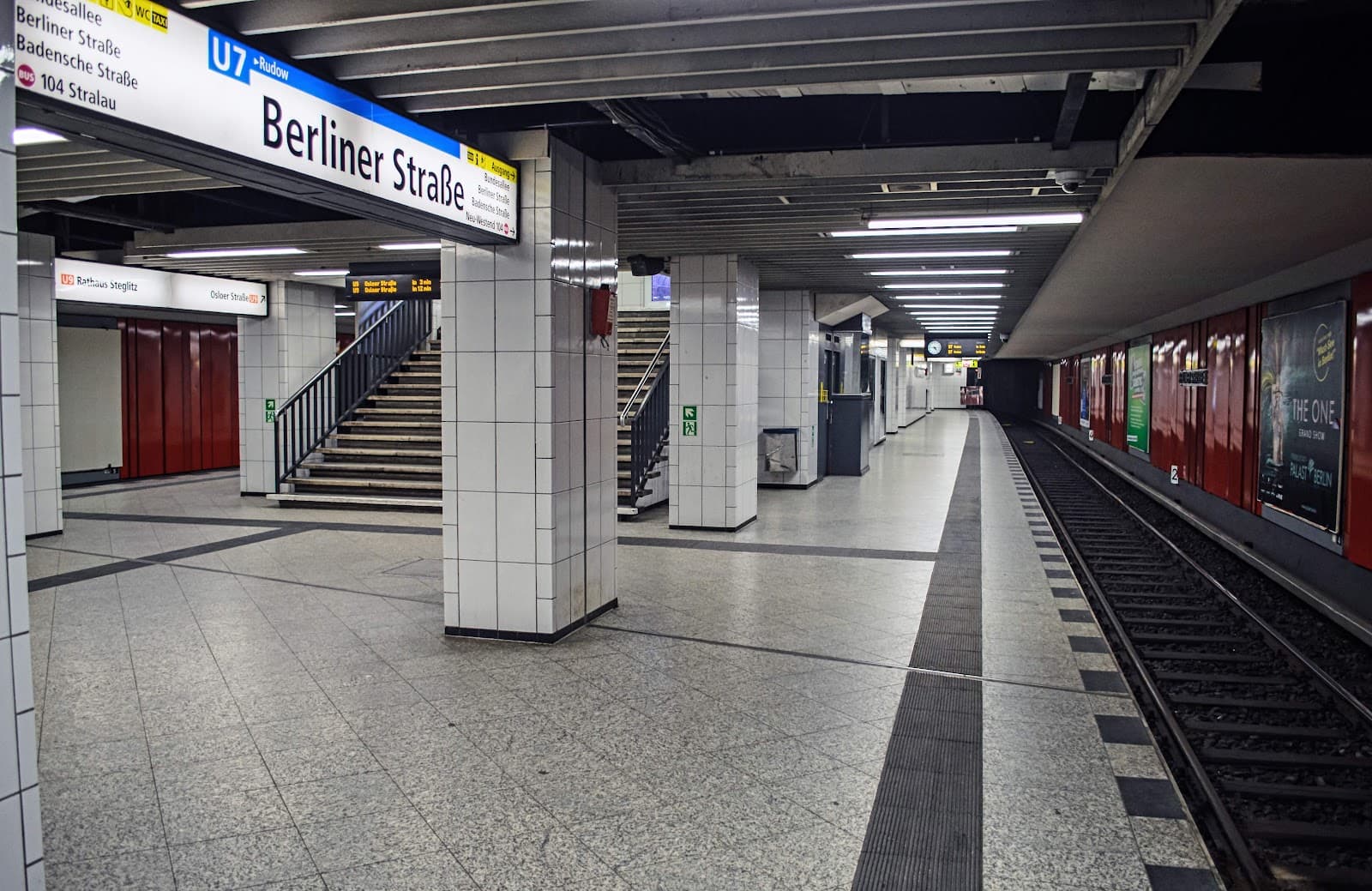
Berlin U-Bahn
Berlin's U-Bahn is an extensive subway network connecting the city, offering efficient and affordable travel with clean stations and helpful signage.
Highlights
Must-see attractions

Social
From TikTok & Reddit
Best Time
Fewer crowds, easier travel
Berlin U-Bahn
Best Time
Fewer crowds, easier travel
Highlights
Must-see attractions
Berlin's U-Bahn is an extensive subway network connecting the city, offering efficient and affordable travel with clean stations and helpful signage.
"Nice as two good lines meet, bit confusing to change as looking just at the line number does not help."
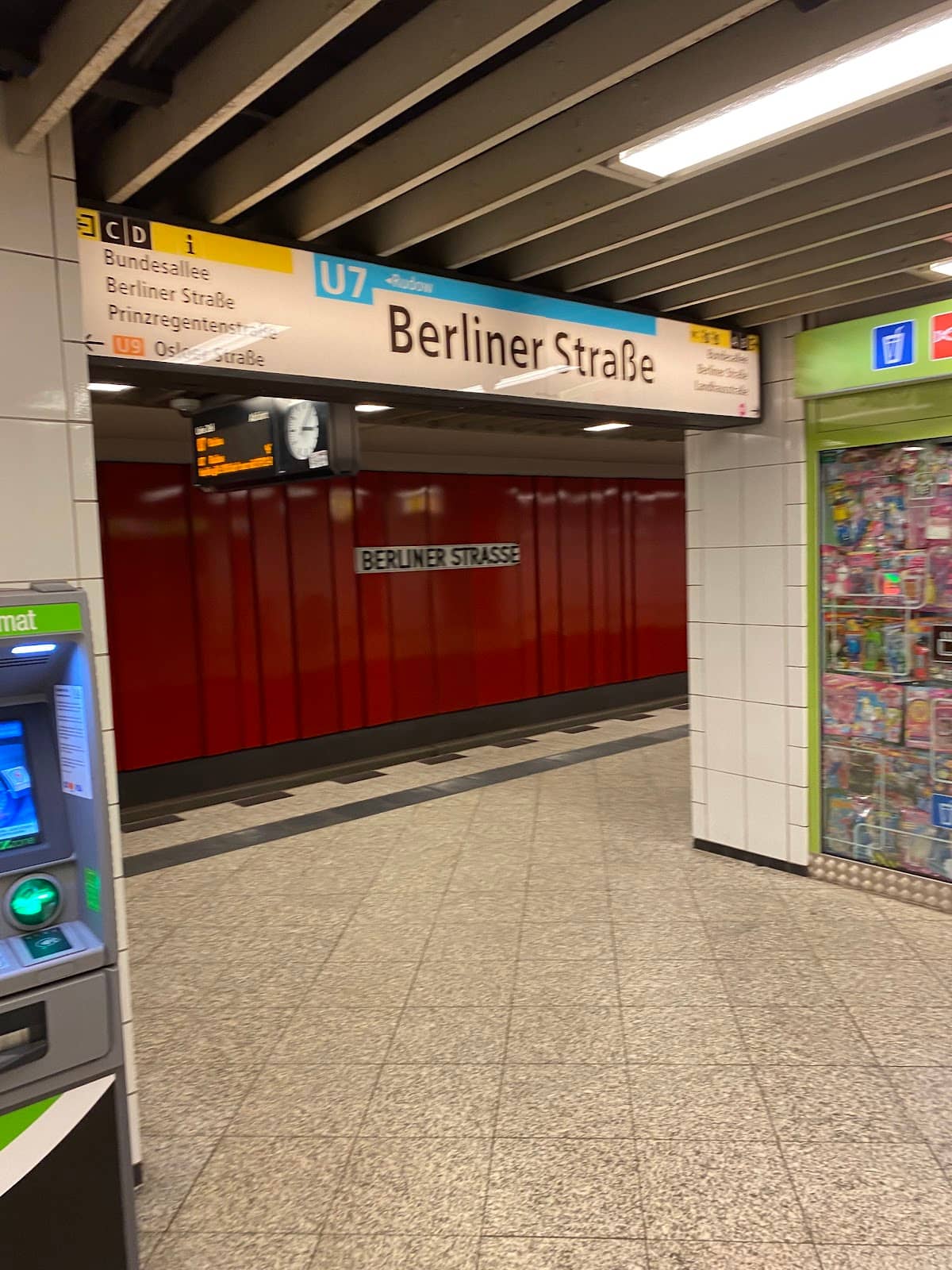
🎯 Understand Ticket Zones
Ensure your ticket covers the zones you're traveling in (AB, BC, or ABC) to avoid fines. :ticket:
↔️ Master Station Transfers
Look for signs indicating direction and line numbers for smooth U-Bahn and S-Bahn changes. :arrow_right:
Highlights
Discover the most iconic attractions and experiences
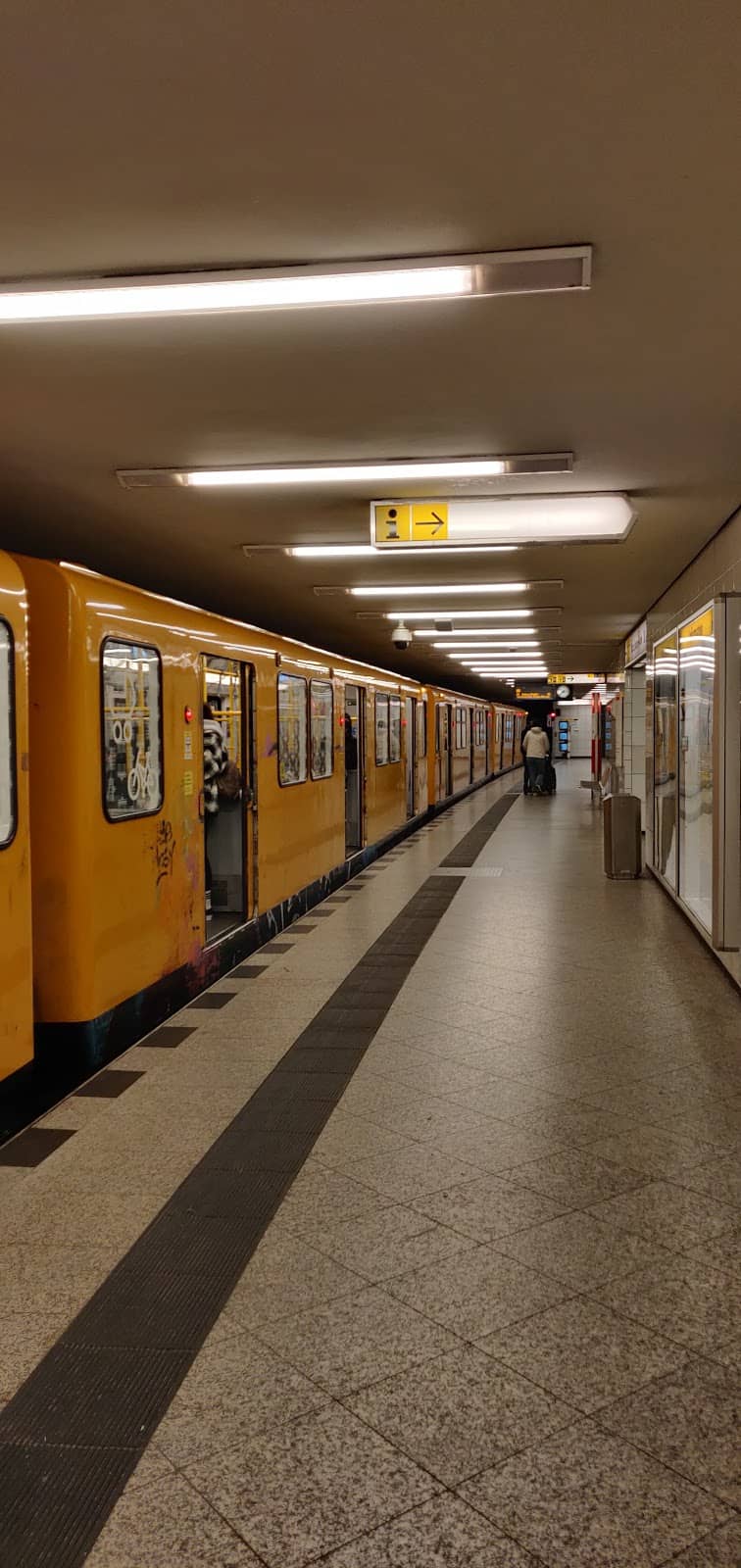
U-Bahn & S-Bahn Network
Efficiently connect to all major attractions across Berlin with this vast underground and overground rail system.
Hallesches Tor Station
Intersection of U1, U3, U6, U7
A key interchange, this station connects you to diverse parts of the city and is noted for its cleanliness and safety.
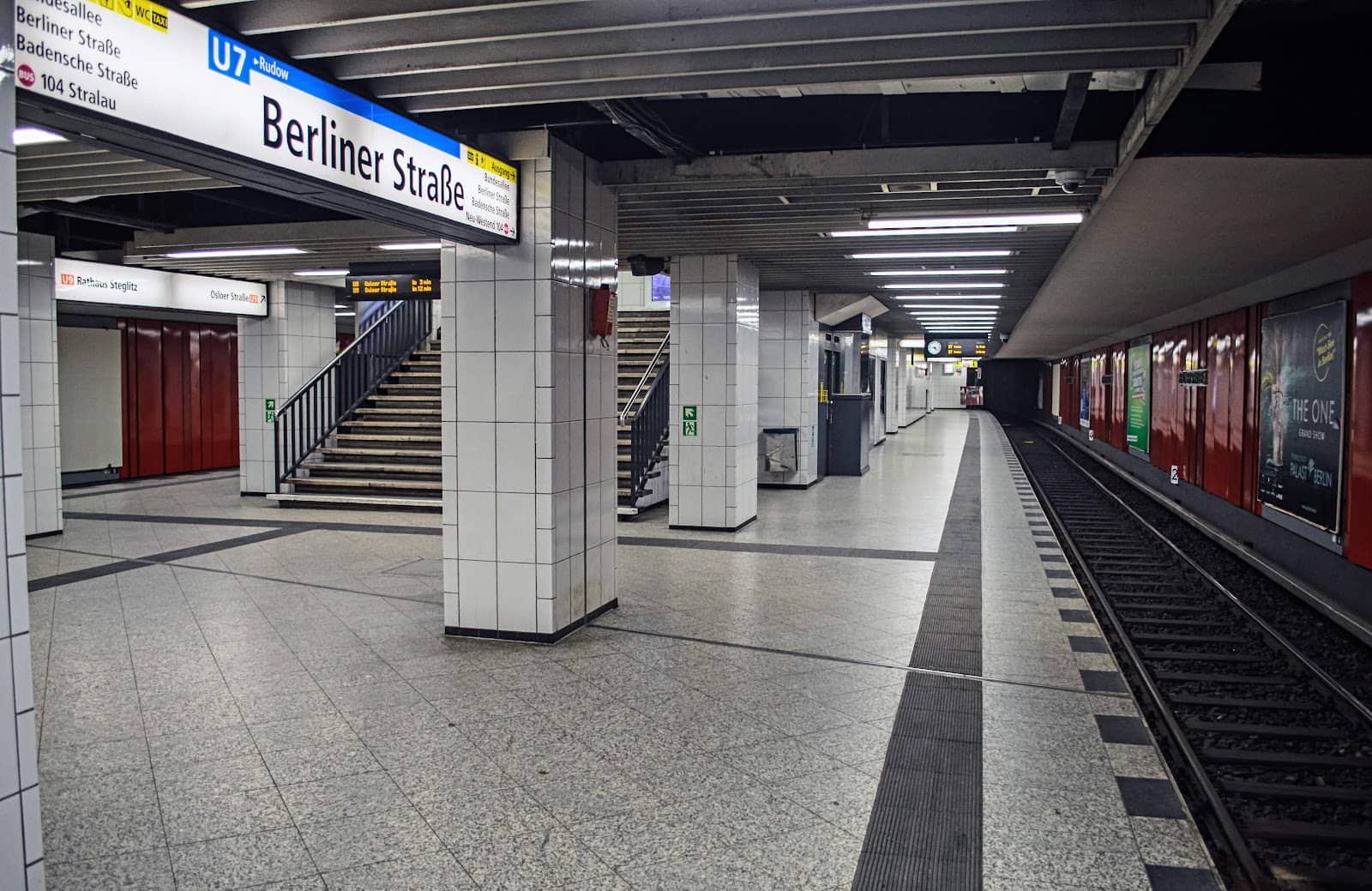
U7 Line & Swedish Church
U7 Line
Ride the U7 to discover hidden gems like the Swedish Church, offering unique cultural experiences and seasonal markets.
Plans like a pro.
Thinks like you
Planning Your Visit
Navigating Berlin's U-Bahn
U-Bahn Hours & Etiquette
Best Times
Insider Tips
from TikTok, Instagram & Reddit
🎯 Understand Ticket Zones
Ensure your ticket covers the zones you're traveling in (AB, BC, or ABC) to avoid fines. :ticket:
↔️ Master Station Transfers
Look for signs indicating direction and line numbers for smooth U-Bahn and S-Bahn changes. :arrow_right:
📱 Use BVG FahrInfo App
Get real-time schedules, route planning, and ticket purchasing with the official BVG app. :iphone:
🚶♀️ Check Exit Signs
Exits can sometimes be confusing; pay attention to signs for your desired street or landmark. :round_pushpin:
Tips
from all over the internet
🎯 Understand Ticket Zones
Ensure your ticket covers the zones you're traveling in (AB, BC, or ABC) to avoid fines. :ticket:
↔️ Master Station Transfers
Look for signs indicating direction and line numbers for smooth U-Bahn and S-Bahn changes. :arrow_right:
📱 Use BVG FahrInfo App
Get real-time schedules, route planning, and ticket purchasing with the official BVG app. :iphone:
🚶♀️ Check Exit Signs
Exits can sometimes be confusing; pay attention to signs for your desired street or landmark. :round_pushpin:
☕ Grab a Coffee Onboard
Some stations have small shops selling coffee and snacks for your journey. :coffee:
What Travellers Say
Reviews Summary
The Berlin U-Bahn is a vital and generally efficient transport system, praised for its cleanliness and safety, especially at stations like Hallesches Tor. While transfers can sometimes be confusing, particularly between lines like U7 and U9, the network effectively connects you to various parts of the city. The U7 line offers unique nearby attractions like the Swedish Church.
"Nice as two good lines meet, bit confusing to change as looking just at the line number does not help.
Look signs for the which direction U9 goes to change.
U7 is no problem"
Vinit kulkarni
"Changing between the line u7 and u9 is not very intuitive while also the exits could be labeled in a better way."
Seve Chen
"As my AirBnb apartment was very near I was constantly using this nice station with 2 lines to reach all interesting places in Berlin. Station was never crowded, clean and safe."
Tonko Lacmanovic
What People Like
What People Dislike
Frequently Asked Questions
🚇 🗺️ Getting There
You can reach BER airport via the U-Bahn by taking the U7 line to Rudow and then transferring to the airport bus X7 or X71. Alternatively, the S-Bahn lines S9 and S45 also serve the airport directly from various city points.
Most major U-Bahn and S-Bahn stations are interconnected. Look for clear signage indicating transfers to the other system. For example, Hallesches Tor station is a key interchange.
Yes, the East Side Gallery is accessible via U-Bahn. The closest stations are Warschauer Straße (U1, U3, S-Bahn) and Ostbahnhof (S-Bahn lines), both within walking distance.
Ostkreuz Station is a major S-Bahn hub and is well-connected to the U-Bahn network through various transfer points. You can reach it using multiple S-Bahn lines.
The U-Bahn typically operates from around 4:00 AM to 1:00 AM on weekdays. On Fridays and Saturdays, services run all night, approximately every 10-15 minutes.
🎫 🎫 Tickets & Entry
U-Bahn tickets can be purchased from ticket machines at most stations, at BVG customer centers, or via the BVG FahrInfo app.
Options include single tickets, 24-hour tickets, weekly passes, and monthly passes. Consider a Berlin WelcomeCard for unlimited travel and discounts.
Ticket prices vary based on the validity period and fare zone (AB, BC, ABC). A single AB ticket is currently around €3.20, with day tickets and weekly passes offering better value for longer stays.
Yes, all tickets must be validated (stamped) before your first journey. Look for the small red or yellow stamping machines at station entrances or on platforms.
Students may be eligible for discounted monthly passes with a valid student ID. The Berlin WelcomeCard is a popular option for tourists, offering travel and attraction discounts.
🎫 🚇 Onsite Experience
The U-Bahn system is generally well-signed, but transfers can be confusing. Pay close attention to line numbers and direction signs. The U7 is straightforward, but changing between U7 and U9 might require extra attention.
Many larger U-Bahn stations have small shops selling snacks, drinks, newspapers, and sometimes coffee.
The U-Bahn is generally considered safe, but it's always wise to be aware of your surroundings, especially during late hours. Stations are usually clean and well-lit.
Bicycles are generally allowed on the U-Bahn outside of peak hours, but there might be specific regulations and ticket requirements. Check the BVG website for current rules.
The 'seat pattern' refers to the typical seating arrangement inside the U-Bahn carriages, which usually involves rows of seats facing each other or along the sides of the car.
🍽️ 🍽️ Food & Dining
Yes, many U-Bahn stations are located near diverse dining options. For instance, near Alt-Tegel station, you can find cafes like Bacys Coffee. Near Pankow, you can find Döner shops like Öz Döner Vision.
Yes, most larger U-Bahn stations have small kiosks or shops where you can purchase snacks, drinks, and coffee for your journey.
The U7 line, for example, passes near the Swedish Church, which offers Swedish foods and hosts a Christmas market.
📸 📸 Photography
Stations with unique architecture or historical significance can be great for photos. Hallesches Tor, with its multiple lines, offers interesting perspectives.
Yes, taking photos inside the U-Bahn trains and stations is generally permitted for personal use. Be mindful of other passengers.
While not explicitly detailed in the provided content, exploring different lines like the U7 or U9 might reveal unique station designs or passenger activity for photography.
For Different Travelers
Tailored advice for your travel style
👨👩👧 Families with Kids
💰 Budget Travelers
🚶♀️ Solo Explorers
Deep Dives
In-depth insights and expert knowledge
Understanding Berlin's Public Transport: U-Bahn vs. S-Bahn
Many travelers find the U-Bahn and S-Bahn systems to be complementary. For instance, reaching the East Side Gallery might involve an S-Bahn ride to Ostbahnhof or Warschauer Straße, which are also connected to U-Bahn lines. Similarly, Hallesches Tor station is a significant interchange where U-Bahn and S-Bahn lines converge, allowing for seamless transitions. While the U-Bahn is more focused on inner-city routes, the S-Bahn's reach extends further, making it indispensable for airport transfers or exploring outer districts.
When planning your journey, it's helpful to use apps like the BVG FahrInfo or Google Maps, which integrate both U-Bahn and S-Bahn routes. This ensures you can find the most efficient way to your destination, whether it's a direct U-Bahn ride or a combination of U-Bahn and S-Bahn services. Remember that while the fare system is unified, understanding which operator manages which line can sometimes be useful for specific inquiries or service updates.
Navigating U-Bahn Tickets and Fares
For tourists, the Berlin WelcomeCard is often a cost-effective option. It includes unlimited travel on public transport (U-Bahn, S-Bahn, trams, buses) within selected zones and offers discounts on various attractions, tours, and restaurants. If you plan on visiting many sights, this card can save you money. For shorter stays or fewer attractions, a 24-hour ticket or a weekly pass might be more suitable.
Be aware that fare inspectors conduct random checks. Traveling without a valid, validated ticket can result in a hefty fine, typically €60. It's always better to be safe and ensure you have the correct fare for your journey. The Berlin U-Bahn ticket prices are subject to change, so it's advisable to check the official BVG website or app for the most up-to-date information.
Exploring Berlin's U-Bahn Stations
While many stations are functional, some offer a glimpse into Berlin's past. For those interested in the Cold War, understanding the historical context of certain lines or stations can add another layer to your journey. Although not explicitly detailed in the provided content, the Berlin U-Bahn system has evolved significantly, with some lines dating back to the early 20th century. Exploring different lines like the U6 or U8 can reveal varied station designs and atmospheres.
Photography enthusiasts can find interesting subjects within the U-Bahn network. The interplay of light, architecture, and passenger movement can create compelling shots. Stations like Hallesches Tor, with its multiple platforms and lines, offer dynamic visual opportunities. Remember to be respectful of other passengers when taking photos.
Social
from TikTok, Instagram & Reddit