
Dzalisi Archaeological Site
Discover Dzalisi, a hidden gem revealing Georgia's rich Roman-era past with stunning mosaics and ancient ruins.
Highlights
Must-see attractions

Social
From TikTok & Reddit
Best Time
Pleasant weather for exploring
Dzalisi Archaeological Site
Best Time
Pleasant weather for exploring
Highlights
Must-see attractions
Discover Dzalisi, a hidden gem revealing Georgia's rich Roman-era past with stunning mosaics and ancient ruins.
"A surprising and inspiring experience, revealing incredible layers of ancient history and advanced civilization."

⏳ Check Museum Hours
The on-site museum is typically open 6 days a week, closed on Mondays. Confirm hours before your visit!
💰 Affordable Entry
Tickets are very reasonably priced at 5 Lari, making it an accessible historical experience.
Highlights
Discover the most iconic attractions and experiences
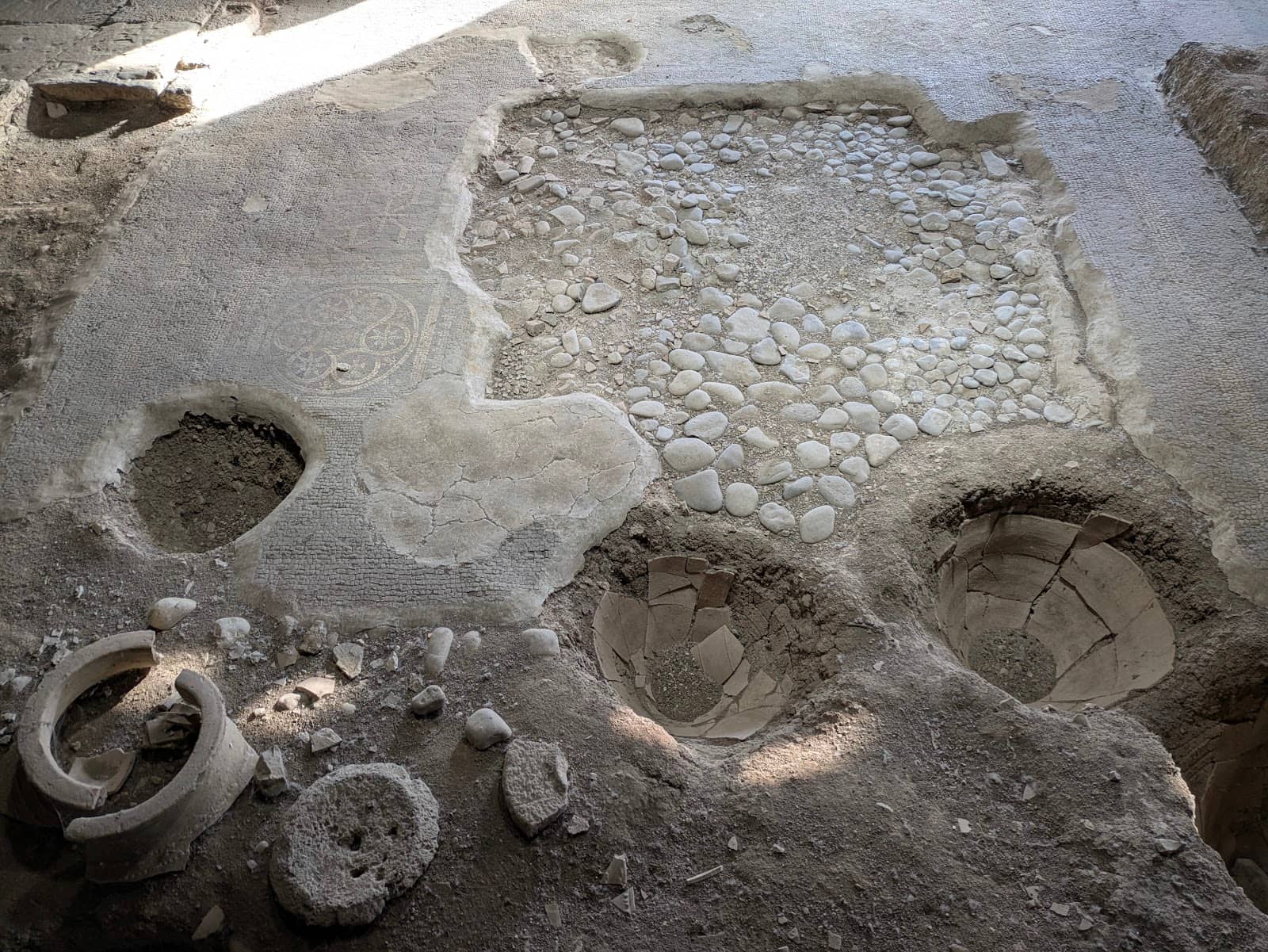
Dionysus Mosaic
Main excavation site
A stunning, colorful mosaic depicting Dionysus, remarkably preserved after nearly two millennia. A true testament to ancient artistry.
Roman-Era Baths
Excavation site
Explore the remnants of ancient public baths, offering a tangible connection to daily life in Roman-era Iberia.

Palace Complex Ruins
Excavation site
Discover the foundations of a monumental, multi-story palace, one of the largest of its kind found in Georgia.
On-site Museum
Adjacent to excavation site
View artifacts like pottery, coins, and tools that provide context and bring the ancient settlement to life.
Plans like a pro.
Thinks like you
Planning Your Visit
Uncover Ancient Roman Influence
Plan Your Visit Wisely
Best Times
Insider Tips
from TikTok, Instagram & Reddit
⏳ Check Museum Hours
The on-site museum is typically open 6 days a week, closed on Mondays. Confirm hours before your visit!
💰 Affordable Entry
Tickets are very reasonably priced at 5 Lari, making it an accessible historical experience.
🚶 Hire a Local Guide
Guides offer invaluable insights into the site's history and discoveries, enriching your visit.
💧 Bring Water & Snacks
Services can be limited, so come prepared for your exploration of this ancient settlement.
Tips
from all over the internet
⏳ Check Museum Hours
The on-site museum is typically open 6 days a week, closed on Mondays. Confirm hours before your visit!
💰 Affordable Entry
Tickets are very reasonably priced at 5 Lari, making it an accessible historical experience.
🚶 Hire a Local Guide
Guides offer invaluable insights into the site's history and discoveries, enriching your visit.
💧 Bring Water & Snacks
Services can be limited, so come prepared for your exploration of this ancient settlement.
👟 Wear Comfortable Shoes
You'll be walking around an archaeological site, so sturdy footwear is essential for comfort. :athletic_shoe:
What Travellers Say
Reviews Summary
Visitors are consistently surprised and inspired by the depth of history at Dzalisi, praising its well-preserved Roman-era mosaics and structures. Many highlight the site's significance in understanding Georgia's ancient connections to the Roman world and recommend it as a hidden gem. However, some note a lack of development and services, suggesting it could benefit from more attention.
"We visited the Dzalisi Archaeological Museum with my family, and it turned out to be one of the most surprising and inspiring experiences in Georgia. None of us expected that this quiet place hides such incredible layers of ancient history — we were honestly shocked to discover how advanced and rich this area was centuries ago.
The site itself is beautifully preserved, with Roman-era mosaics, remains of ancient baths, and traces of what once was a vibrant settlement from the 2nd–3rd century AD. The mosaic of Dionysus is especially impressive — colorful, detailed, and still so vivid after all these years. It’s hard to believe that something this old and precious is just a short drive from Tbilisi.
The small museum nearby offers great context and artifacts found during excavations — pottery, coins, tools — and helps you imagine life here almost two thousand years ago. The staff were friendly and happy to share extra stories about the discoveries.
It’s an amazing place for families, history lovers, or anyone curious about Georgia’s ancient connections to the Roman world.
Highly recommend adding Dzalisi to your travel list — it’s a hidden gem full of history and wonder."
maia macharashvili
"Amazing archeological site! Many thanks to Gocha. I highly recommend visiting Dzalisa, it gives you an absolutely mesmerizing insights into the historic relationship of Georgia and Roman Empire."
Constantine Tsereteli
"Museum-reserve town BC. II – A.D. It dates back to the VIII centuries. The town includes several monuments: a temple, a palace, an apse building, a swimming pool and a public bath. Monumental palaces are especially noteworthy among the buildings of the city. One of them, which is a multi-storey complex architectural complex, Approximately 2500 sq.m. It occupies and is one of the largest palace-type buildings found on the territory of Georgia to date. This large building was adorned with a Roman courtyard fountain-atrium. A striking example of the advancement of city life in the Kingdom of Iberia is the highly artistic floor mosaics found in the town of Dzalisa. Similar mosaics in Georgia in A.D. In the II – VI centuries it is confirmed only in the Bichvinta Basilica and the Roman bath in the village of Shukhuti."
Nana Kartvelishvili
What People Like
What People Dislike
Frequently Asked Questions
🚇 🗺️ Getting There
Dzalisi is located about an hour's drive from Tbilisi. You can hire a taxi, rent a car, or arrange a private tour. Public transport options are limited, so a car or taxi is generally recommended for ease of access.
While it's a bit off the main tourist path, following GPS or asking locals for directions to 'Dzalisi' or 'Dzalisi Archaeological Site' should lead you there. The site is relatively well-marked once you're in the vicinity.
A day trip from Tbilisi is very feasible. Renting a car offers the most flexibility, allowing you to explore at your own pace. Alternatively, booking a guided tour that includes Dzalisi can simplify logistics.
Dzalisi is closer to Tbilisi than Kutaisi. If traveling from Kutaisi, it would be a longer journey, and it's more practical to visit as part of a trip originating from or based in Tbilisi. Consider combining it with other attractions in the region.
Roads leading to Dzalisi are generally in decent condition, especially the main routes. However, some smaller access roads might be less maintained, so driving carefully is advised, particularly after rain.
🎫 🎫 Tickets & Entry
The entrance fee for the Dzalisi Archaeological Site and its museum is very affordable, typically around 5 Lari per person. This makes it an excellent value for experiencing ancient history.
Advance booking is generally not required for Dzalisi. You can usually purchase tickets upon arrival at the site or the museum. It's a good idea to have cash on hand, though card payments might be accepted.
The museum is typically open 6 days a week, with Mondays being the usual closing day. It's always best to verify the exact opening hours before your visit, as they can sometimes change seasonally.
Information on specific discounts for students or seniors is not widely publicized. However, given the low general admission price, it's unlikely to be a significant factor. Inquire at the ticket office if you have specific concerns.
The ticket usually covers access to both the archaeological site and the adjacent museum. It's highly recommended to visit both to get a comprehensive understanding of the history and see the artifacts found on-site.
🎫 🧭 Onsite Experience
You can explore the remains of a Roman-era town, including a palace complex, ancient baths, a temple, and an apse building. The highlight is the incredibly preserved mosaic of Dionysus. The on-site museum displays artifacts unearthed during excavations. +1
Yes, Dzalisi can be a surprisingly inspiring experience for families. Children can be fascinated by the scale of the ruins and the stories of ancient life. The on-site museum with its artifacts also adds an engaging element.
A visit to Dzalisi typically takes 1.5 to 3 hours, depending on your interest level. This includes exploring the archaeological site and spending time in the museum. Hiring a guide might extend your visit.
While there are modern toilets available, some visitors have noted they are not always in the best condition. It's advisable to use facilities before arriving or be prepared for basic amenities.
The archaeological site involves uneven terrain and ruins, which may present challenges for individuals with mobility issues. The museum area is generally more accessible, but navigating the outdoor ruins requires caution. :wheelchair:
📸 📸 Photography
The Dionysus mosaic is a prime subject for photography. The scale of the palace ruins and the ancient bath structures also offer dramatic perspectives. Capture the interplay of light and shadow on the ancient stones.

Generally, photography is allowed at Dzalisi for personal use. However, it's always good practice to be respectful of the site and other visitors. Tripods or professional equipment might require special permission. :camerawithflash:
The 'golden hours' around sunrise and sunset offer beautiful, soft light that can enhance the textures of the ruins. Midday sun can be harsh, creating strong shadows, but can also highlight the vibrant colors of the mosaics. :sunriseovermountains: :city_sunset:
Drone usage is often restricted at historical and archaeological sites to protect them and ensure visitor safety. It's highly recommended to check with the site administration or relevant authorities before attempting to fly a drone. :noentrysign:
A wide-angle lens is useful for capturing the scale of the ruins, while a macro lens can be great for details on the mosaics. A sturdy tripod can help with low-light conditions or capturing long exposures. :camera:
For Different Travelers
Tailored advice for your travel style
👨👩👧 Families with Kids
Tips for families: Consider hiring a local guide who can make the history come alive with stories. Pack plenty of water and snacks, as amenities are basic. Ensure children wear comfortable, sturdy shoes for exploring the uneven terrain of the archaeological site. The Dionysus mosaic is a fantastic visual to point out and discuss.
💰 Budget Travelers
To maximize savings, consider visiting as part of a self-drive itinerary from Tbilisi, which is more economical than organized tours. Packing your own food and drinks will also help keep costs down, as dining options immediately around the site are limited. The value for money in terms of historical discovery is exceptionally high here.
🏛️ History Enthusiasts & Archaeology Buffs
Engaging with a local guide is highly recommended to fully appreciate the nuances of the site's development and its significance within the broader context of ancient Caucasian history. The on-site museum further enhances the experience by showcasing excavated artifacts that shed light on the daily lives, trade, and craftsmanship of the ancient inhabitants. It’s a chance to explore a less-hyped but historically vital location.
Deep Dives
In-depth insights and expert knowledge
The Roman Connection: Dzalisi's Historical Significance
The most striking evidence of this connection is found in the highly artistic floor mosaics. These intricate artworks, featuring scenes and figures reminiscent of Roman art, are among the finest examples found in Georgia. Similar mosaics are rare, primarily found at sites like the Bichvinta Basilica and the Roman bath in Shukhuti, underscoring Dzalisi's unique importance. The discovery of a Roman courtyard fountain-atrium within the palace further emphasizes the integration of Roman architectural and lifestyle elements into the local fabric.
Visiting Dzalisi allows you to walk through the remnants of this advanced civilization and imagine life nearly two thousand years ago. The on-site museum complements the ruins by displaying artifacts such as pottery, coins, and tools, providing tangible links to the daily lives of its inhabitants. It's a powerful reminder of the rich, layered history of Georgia and its place within broader ancient Mediterranean and Near Eastern contexts.
Exploring the Ruins: What to Expect
Beyond the palace, the site features the remnants of ancient public baths, offering a glimpse into the social customs and engineering capabilities of the era. You'll also find traces of a temple and other civic buildings. The most visually arresting feature, however, remains the in situ mosaics, particularly the detailed depiction of Dionysus. These are often protected by coverings, but their vibrant colors and intricate patterns are still awe-inspiring.
While the site is rich in history, some visitors note that it appears somewhat neglected, with limited development in terms of visitor services. However, this also contributes to its charm as an 'off-the-beaten-track' destination. Wear comfortable shoes as the terrain can be uneven, and be prepared for the elements, as there is limited shade.



Social
from TikTok, Instagram & Reddit