Saint-Pallais Church
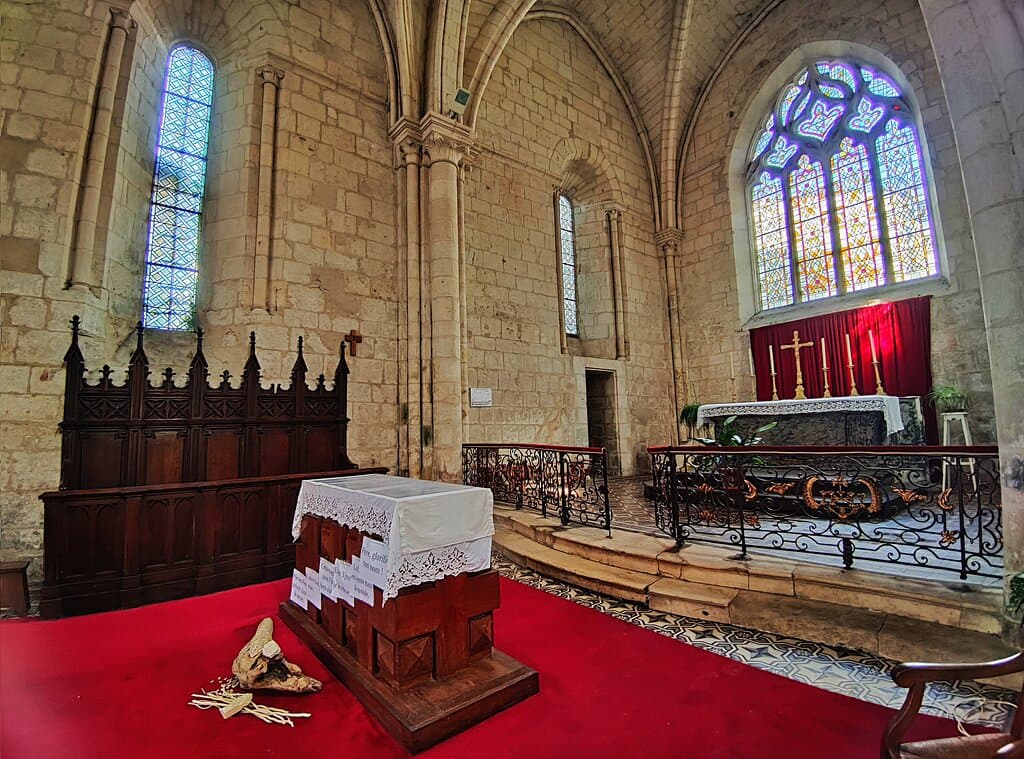
A 12th-century church built on a 6th-century bishop's tomb, showcasing Romanesque to Gothic architectural evolution.
Highlights
Must-see attractions

Social
From TikTok & Reddit
Best Time
Fewer visitors, peaceful atmosphere
Saint-Pallais Church
Best Time
Fewer visitors, peaceful atmosphere
Highlights
Must-see attractions
A 12th-century church built on a 6th-century bishop's tomb, showcasing Romanesque to Gothic architectural evolution.
"A treasure for the history of France and of Saintes in particular."
Combine with Abbey Visit
Located near the Place de l'Abbaye aux Dames, making it easy to visit both historical sites together. :world_map:
Appreciate the Details
Look closely at the Romanesque capitals and the unique ribbed vaults for a deeper understanding of its history. :magnifyingglasstilted_right:
Quick Facts
Rating
4.2 · 37 reviews
Type
Church
Highlights
Discover the most iconic attractions and experiences
Romanesque Capitals
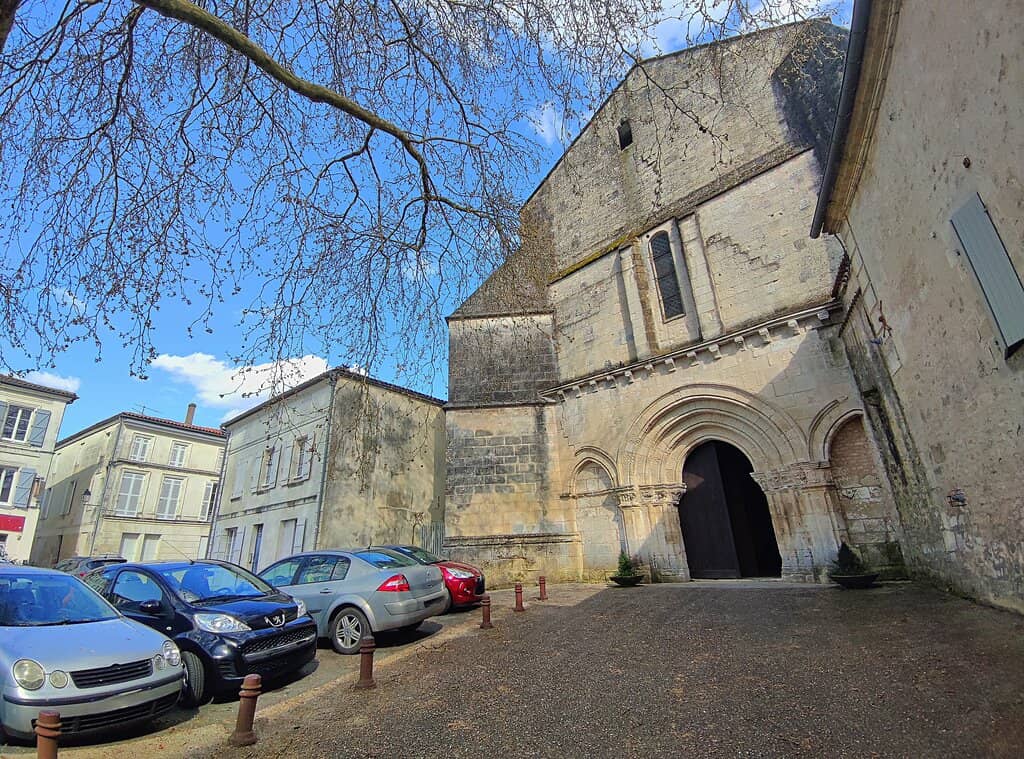
Entrance portal
Admire the intricate, though degraded, Romanesque capital decorations at the church's entrance.
13th-Century Ribbed Vaults
Interior
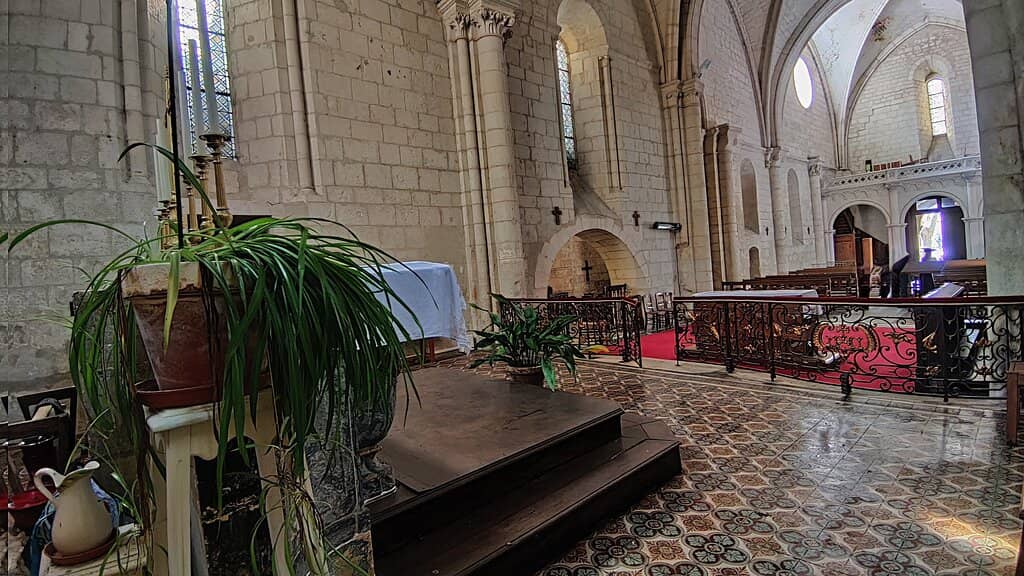
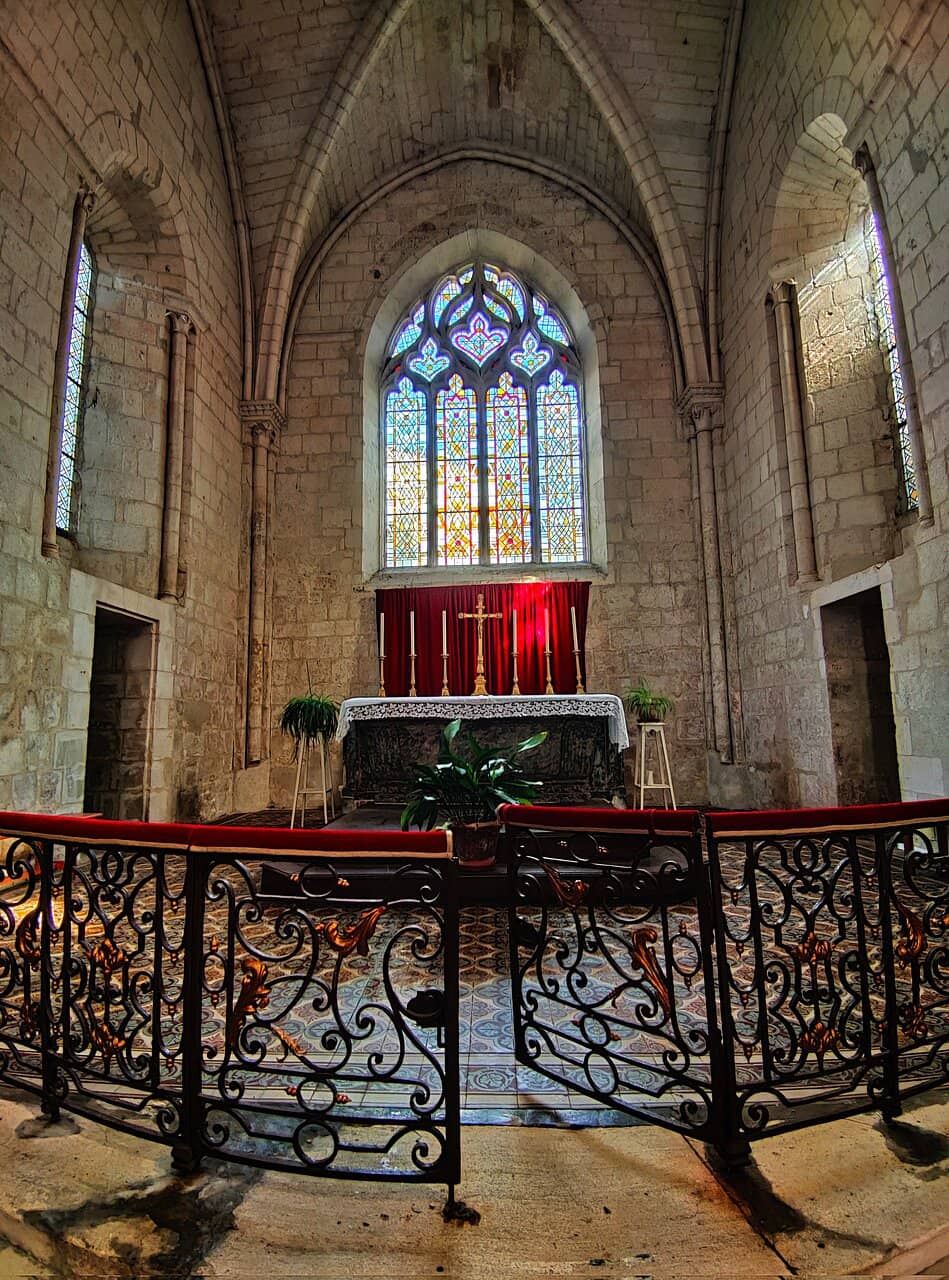
Discover the unique ribbed vaults that interestingly don't align with the original 12th-century Romanesque bays.
Gothic Chevet Bay
East end
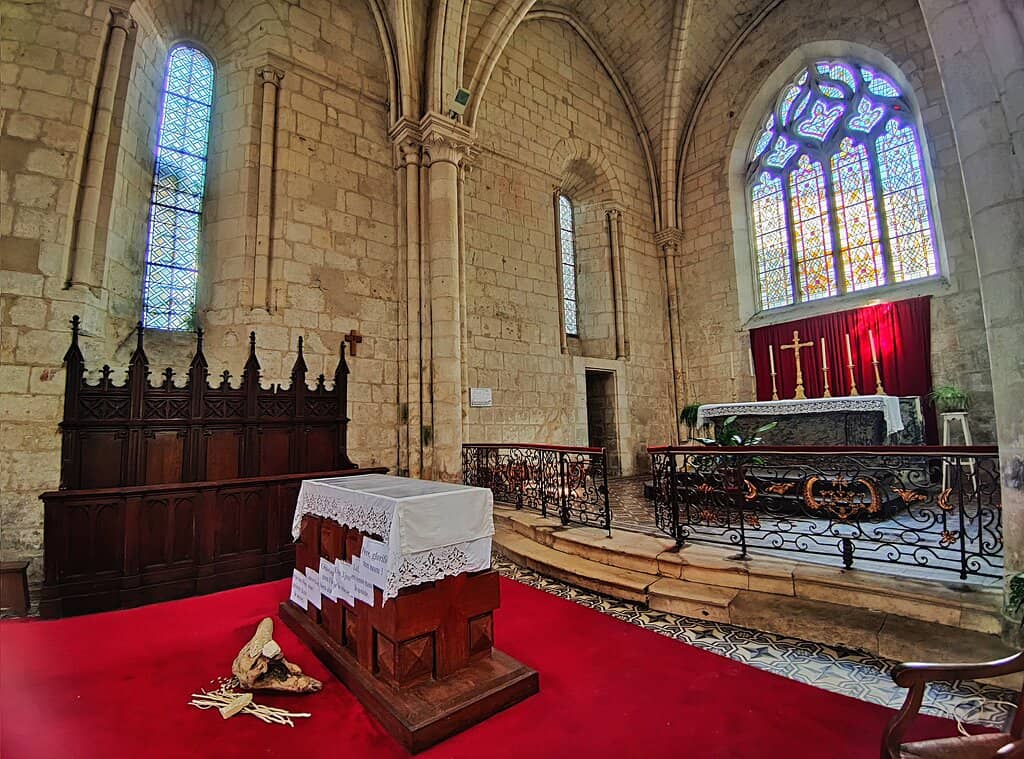
Appreciate the grandeur of the large Gothic bay added to the east end in the 15th century.
Plans like a pro.
Thinks like you
Planning Your Visit
Timing Your Visit
Historical Significance
Best Times
Insider Tips
from TikTok, Instagram & Reddit
Combine with Abbey Visit
Located near the Place de l'Abbaye aux Dames, making it easy to visit both historical sites together. :world_map:
Appreciate the Details
Look closely at the Romanesque capitals and the unique ribbed vaults for a deeper understanding of its history. :magnifyingglasstilted_right:
Protected Heritage
The church has been protected as a historical monument since 1931, highlighting its architectural importance. 🛡️
Tips
from all over the internet
Combine with Abbey Visit
Located near the Place de l'Abbaye aux Dames, making it easy to visit both historical sites together. :world_map:
Appreciate the Details
Look closely at the Romanesque capitals and the unique ribbed vaults for a deeper understanding of its history. :magnifyingglasstilted_right:
Protected Heritage
The church has been protected as a historical monument since 1931, highlighting its architectural importance. 🛡️
What Travellers Say
Reviews Summary
Visitors find Saint-Pallais Church to be a beautiful and historically significant site, particularly appreciated for its Romanesque and Gothic architectural elements. While it may be less grand than other local landmarks, its deep historical roots and serene atmosphere make it a worthwhile visit for those interested in the rich heritage of Saintes.
"Located north of the Place de l'Abbaye aux Dames, on which it depended, it adjoined a cemetery until the 18th century. Built in the 12th century on the site of the burial of Saint-Palais, a local bishop from the 6th century, it is therefore more than 1,500 years of Christian history that emanate from the place. We enter through a portal whose Romanesque capital decorations are degraded in a church vaulted in the 13th century with ribbed vaults; a curiosity, the ribbed vaults do not respect the Romanesque bays of the 12th century, the first crossing covers two bays, for example. The large Gothic bay of the chevet was opened in the 15th century, the church has been protected since 1931 by the MH. This church is one of the riches of the built heritage of this city, it deserves a visit even if it is less prestigious than other buildings."
Paul Pérucaud (Chaktori Chaktori)
"I didn't expect to find such magic in this town! The blend of architecture, history, and wonderful people transform Saintes from a town you just pass through into one you'll want to stay in.
I want to come back! I'll be back."
Lu Echevarria
"Very beautiful church a stone's throw from the abbey"
Rémi Vial
What People Like
What People Dislike
Frequently Asked Questions
🚇 🗺️ Getting There
Saint-Pallais Church is situated north of the Place de l'Abbaye aux Dames in Saintes. It's easily accessible on foot if you are already exploring the city center, particularly near the abbey. Public transport options to the city center of Saintes are available, from where you can walk to the church.
Parking availability can vary in the city center of Saintes. It's advisable to look for public parking lots near the Place de l'Abbaye aux Dames or other central areas, and then enjoy a short walk to the church.
🎫 🎫 Tickets & Entry
Generally, churches like Saint-Pallais are free to enter for visitors wishing to admire their architecture and history. However, it's always a good idea to check for any specific opening hours or potential small donation requests.
Specific opening hours can vary, and it's best to check locally or with the Saintes tourist office. Many historical churches are open during daylight hours, but may have limited access during services.
Accessibility can be a concern in older buildings. While the main areas might be accessible, the historical nature of the church, with its Romanesque and Gothic elements, might present challenges. It's recommended to inquire about specific accessibility features beforehand.
🎫 🧭 Onsite Experience
Saint-Pallais Church is historically significant as it's built on the burial site of Saint-Palais, a 6th-century bishop. This makes the site over 1,500 years old and a testament to early Christian history in the region. Its architecture showcases a transition from Romanesque to Gothic styles.
The church features 12th-century Romanesque elements, particularly visible in the degraded capital decorations at the entrance. It also boasts 13th-century ribbed vaults and a 15th-century Gothic bay in the chevet, showcasing a blend of architectural periods.
While Saint-Pallais Church is a rich part of Saintes' built heritage, it's often considered less prestigious than other buildings in the city. However, for history and architecture enthusiasts, it offers a unique and valuable experience.
Photography is usually permitted in churches for personal use, but it's polite to be discreet and avoid flash photography, especially during services. Always check for any posted signs regarding photography rules.

Social
from TikTok, Instagram & Reddit