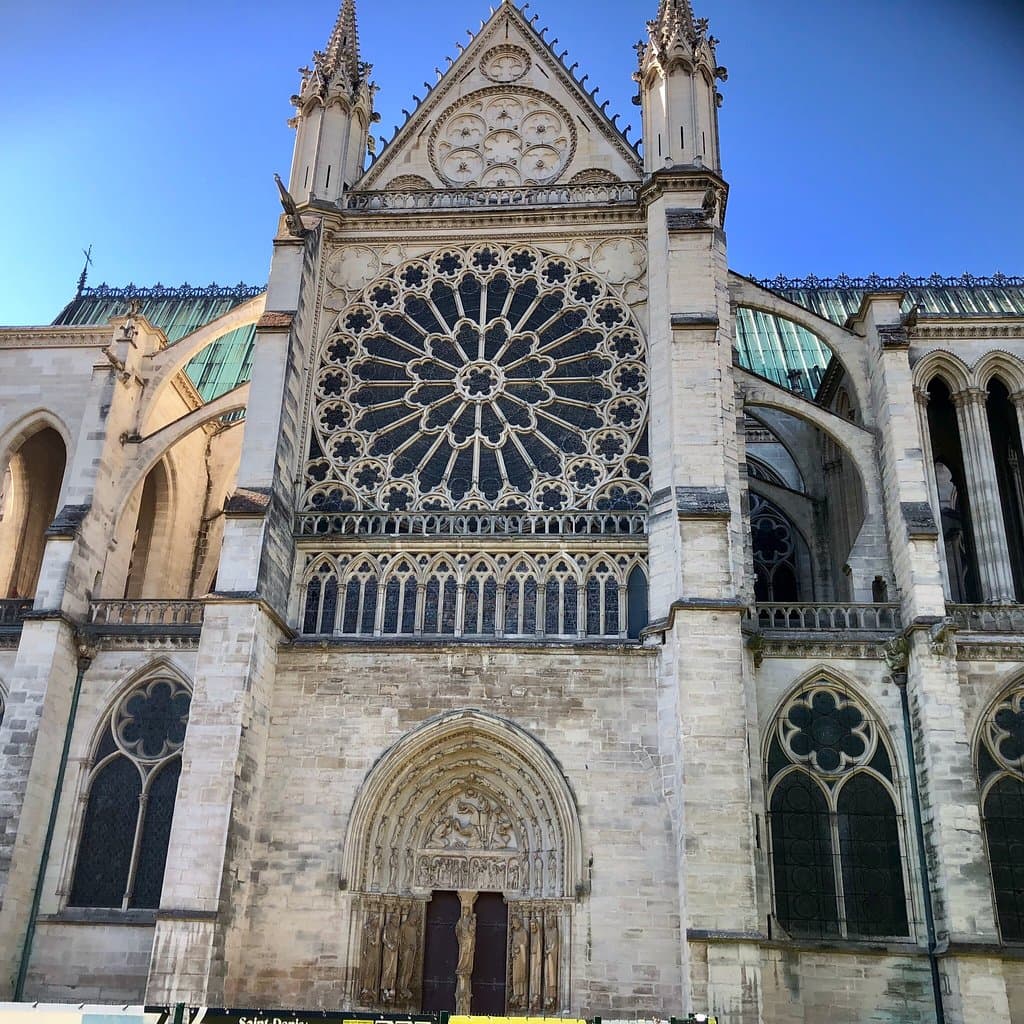
Basilique Saint-Denis Paris
Discover the `basilique saint denis paris`, the majestic final resting place of French royalty and the birthplace of Gothic architecture, just a short...
Highlights
Must-see attractions

Social
From TikTok & Reddit
Best Time
Fewer crowds, more serene experience
Basilique Saint-Denis Paris
Best Time
Fewer crowds, more serene experience
Highlights
Must-see attractions
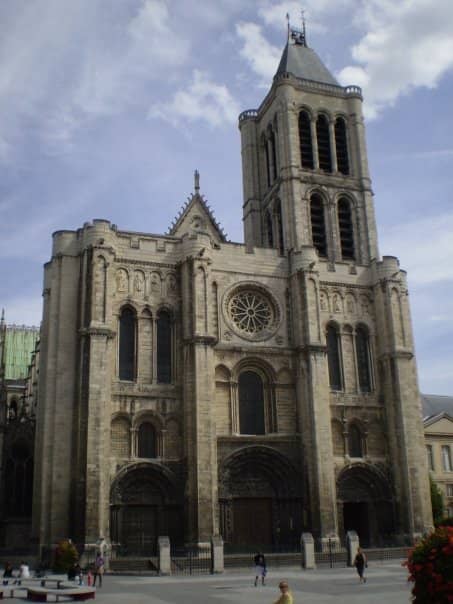
Discover the `basilique saint denis paris`, the majestic final resting place of French royalty and the birthplace of Gothic architecture, just a short metro ride from central Paris.
"The Basilica is beautiful...you should go. It's an impressive, must-see historical site."
🚇 Metro is Your Best Bet
Take Metro Line 13 to 'Basilique de Saint-Denis' station for easy, safe access to the `paris st denis cathedral` , .
🎟️ Buy Tickets Onsite
No need to book in advance for the `basilica of saint denis paris`; purchase your admission for the necropolis at the door .
Highlights
Discover the most iconic attractions and experiences
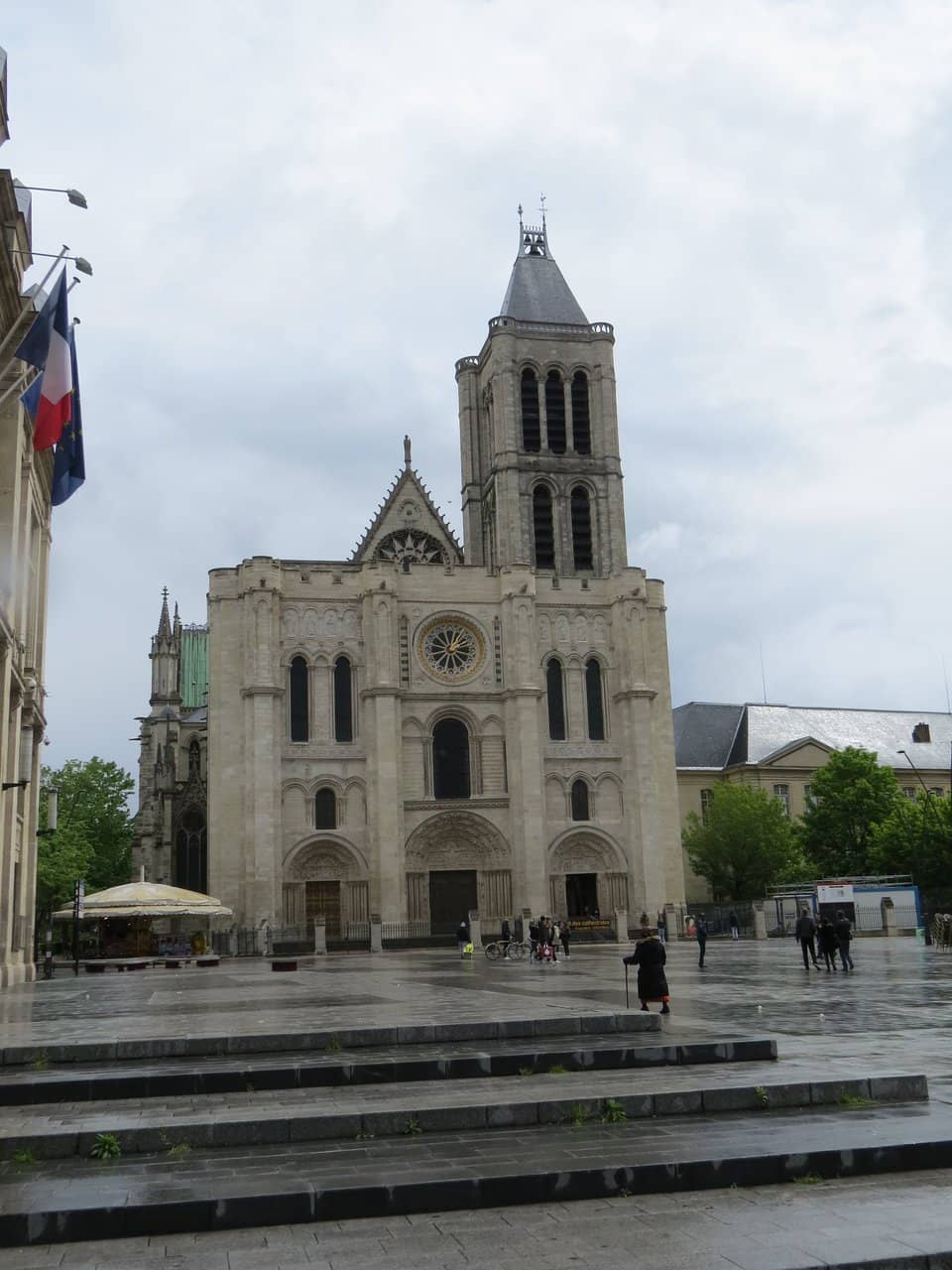
The Royal Necropolis
Inside the Basilica
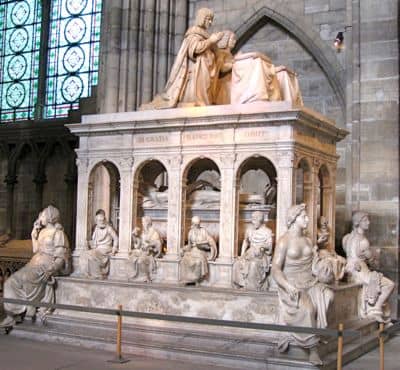
Explore the final resting place of nearly every French king and queen since the 10th century, including Louis XVI and Marie Antoinette , .
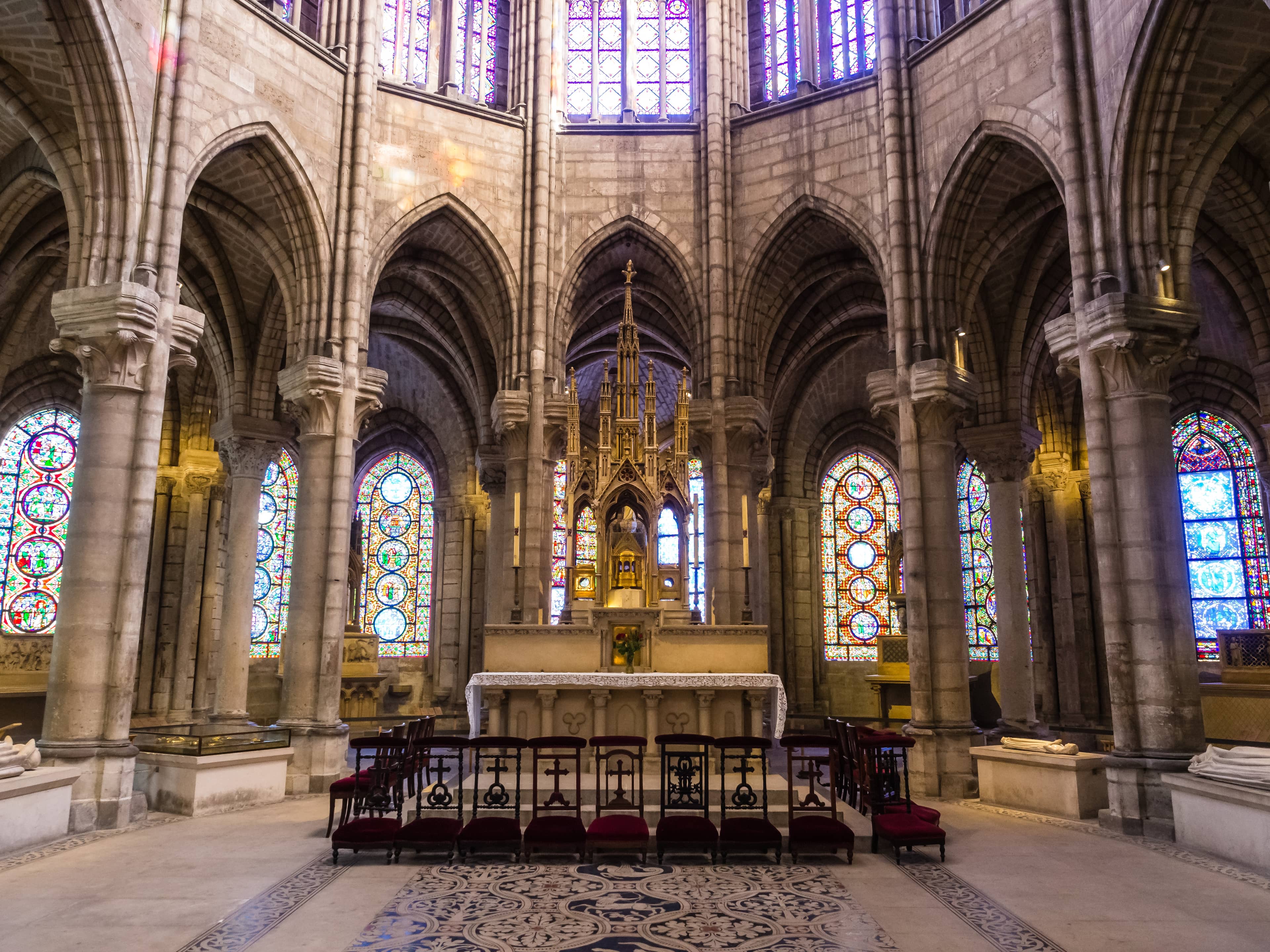
Birthplace of Gothic Art
Throughout the Basilica
Witness the revolutionary architecture of the `basilique cathedrale saint denis paris`, considered the first major Gothic structure in Europe .
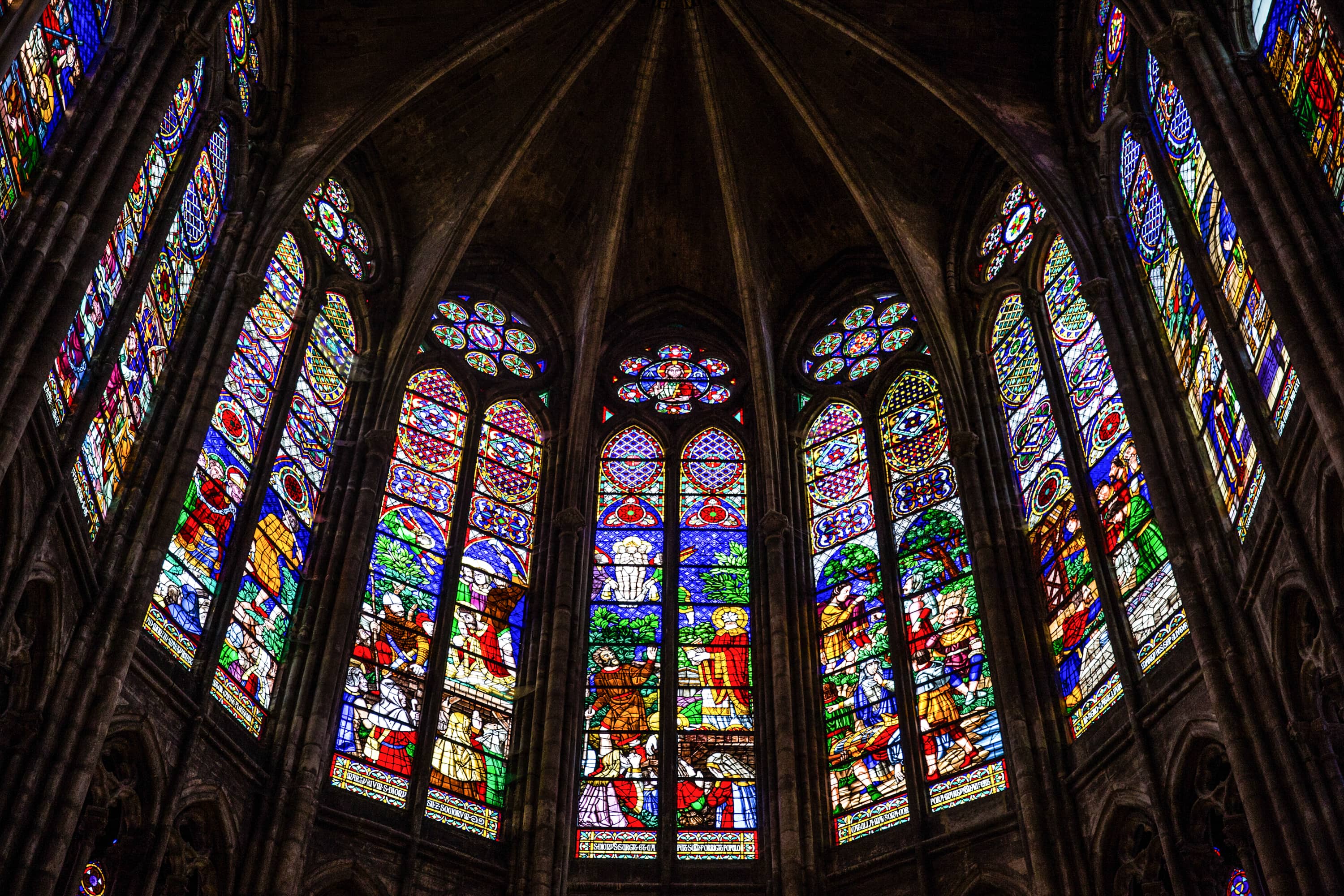
Stunning Stained-Glass
Main Nave & Choir
Admire the vibrant 12th-century stained-glass windows that flood the interior with light, a hallmark of early Gothic design.
Plans like a pro.
Thinks like you
Planning Your Visit
Navigating Saint-Denis & Safety
Ticketing & Timing Essentials
Best Times
Insider Tips
from TikTok, Instagram & Reddit
🚇 Metro is Your Best Bet
Take Metro Line 13 to 'Basilique de Saint-Denis' station for easy, safe access to the `paris st denis cathedral`,.
🎟️ Buy Tickets Onsite
No need to book in advance for the `basilica of saint denis paris`; purchase your admission for the necropolis at the door.
Visit Basilica Cathedral Saint Denis
🗣️ Consider a Guided Tour
A guided tour is highly recommended to fully appreciate the rich history of the `royal tombs`.
🥐 Grab a Local Treat
Look for the highly-rated bakery near the metro station for a delicious snack.
The most important cathedral in Paris
Tips
from all over the internet
🚇 Metro is Your Best Bet
Take Metro Line 13 to 'Basilique de Saint-Denis' station for easy, safe access to the `paris st denis cathedral`,.
🎟️ Buy Tickets Onsite
No need to book in advance for the `basilica of saint denis paris`; purchase your admission for the necropolis at the door.
🗣️ Consider a Guided Tour
A guided tour is highly recommended to fully appreciate the rich history of the `royal tombs`.
🥐 Grab a Local Treat
Look for the highly-rated bakery near the metro station for a delicious snack.
⚠️ Check Mass Schedule
The Royal Necropolis may be closed during religious services; verify times before your visit.
What Travellers Say
Reviews Summary
Visitors consistently praise the Basilique Saint-Denis for its profound historical significance as the royal necropolis and its stunning Gothic architecture, often calling it a hidden gem. While the surrounding Saint-Denis neighborhood sometimes raises initial concerns, the area immediately around the basilica is generally considered safe and vibrant, making it a highly recommended and accessible historical excursion.
"Fine basilica, with wonderful history. Magnificent stained glass windows. Burial Crypts of many French royals ard here. Much less crowded than Notre Dame."
Barry C
"I visited the Basilique-Cathédrale de Saint-Denis ladt year and really enjoyed it. The building has an amazing past. What stands today mostly comes from the 12th–13th centuries, when the choir completed in 1144 became the first structure to use all the key elements of Gothic architecture. But the site goes back much further. It began as a shrine built over the tomb of Saint Denis, the first bishop of Paris, and over time it became a major royal abbey and the burial place of many French kings and queens. After centuries of changes and damage, it was finally restored and recognised again as a cathedral.
Inside, the first thing you notice is the light. The tall stained-glass windows fill the space with colour, and the high arches make everything feel open. The royal necropolis is the highlight for many visitors. It holds more than seventy tombs of French kings and queens, including famous ones such as Dagobert I, Henri II and Catherine de’ Medici, Louis XII and Anne of Brittany, and memorials for Louis XVI and Marie-Antoinette. The stone sculptures are detailed and give you a clear sense of how people looked and dressed in different centuries.
The main altar stands above the area traditionally linked to the tomb of Saint Denis. Around the altar you see the oldest part of the church, the crypt, where the early history of the basilica began. The choir behind the altar is one of the first examples of true Gothic architecture, and walking around it you notice how the columns and windows were designed to bring in as much light as possible.
There is also plenty to look at as you move through the chapels, including the carved choir stalls, the rose window, and quiet corners with older stonework. I enjoyed taking my time in the ambulatory, where the stained glass changes colour as you walk.
Entry is normally €17 from Tuesday to Sunday and €11 on Mondays. Many visitors can enter for free, including under-18s, people aged 18–25 from the EU or who live in the EU, and disabled visitors with their carers. Audio guides and short free tours are also available.
It’s a peaceful place filled with history and beautiful details, and I left feeling like I had discovered a side of France that many travellers miss."
Przemyslaw Kowalski
"Impressive church and since the 7th century the burial site for nearly every French monarch (43 kings, 32 queens, and other royalty).
It is also the birthplace of Gothic Architecture as in the 12th century (c. 1135–1144), Abbot Suger directed a major renovation in which he incorporated key architectural innovations like the pointed arch, ribbed vaults, and extensive stained-glass windows to flood the interior with light. This design became the blueprint for cathedrals across Europe.
During the French Revolution (1793), the basilica was secularized and its royal tombs were desecrated, with the remains of the monarchs exhumed and dumped into common graves.
Among them King Louis XIV, King Louis XVI and his wife Marie Antoinette.
Louis XVI and Marie Antoinette were beheaded by guillotine during the French Revolution in 1793 at the Place de la Révolution (now Place de la Concorde) in Paris. Their bodies were then dumped in quicklime in the Cimetière de la Madeleine
In 1815, after the Restoration of the monarchy, the remains were exhumed but only fragments in poor condition remained which are now in two sober graves. There is a splendid sculpture of them both in the church
The remains of Louis XIV and other kings, queens and other royalty were recovered from the mass graves of the revolution, identified in so far possible and placed in two ossuaries in the basilica's crypt. For Louis XIV there is a cenotaph
Entry is € 17,- but that is well worth it as you get a lot of French history and at the end there is an interesting small artisan village with trades related to the church restoration and a large video presentation."
Seimen Burum
What People Like
What People Dislike
Frequently Asked Questions
🚇 🗺️ Getting There
The easiest and safest way to reach the `basilique saint denis paris` is by taking Metro Line 13 directly to the 'Basilique de Saint-Denis' station. The basilica is just a short, well-marked walk from there,,
.
While the wider Saint-Denis neighborhood has a mixed reputation, the area immediately surrounding the `st denis basilica paris` is generally considered safe, especially during the day. It's a vibrant, busy area with a strong local presence,,
.
Yes, taxis and Ubers can drop you off and pick you up right near the `basilica of saint denis paris`. However, many travelers find the Metro to be a more convenient and cost-effective option,.
🎫 🎫 Tickets & Entry
No, you can typically purchase your admission tickets for the Royal Necropolis directly at the entrance upon arrival. Advance booking is not usually required.
Opening hours for the Royal Necropolis vary by season and can be affected by religious services. It's highly recommended to check the official Basilique Saint-Denis website for the most up-to-date schedule, as the necropolis may close during mass.
Access to the main church area of the `basilique cathedrale saint denis paris` is often free, allowing visitors to admire the Gothic architecture. However, there is an admission fee to enter the Royal Necropolis and crypts, which house the royal tombs.
🎫 🧭 Onsite Experience
The primary highlights are the Royal Necropolis with its numerous effigies of French monarchs, the groundbreaking Gothic architecture itself, and the stunning stained-glass windows. Don't miss the crypts where many royals are interred.
Most visitors spend between 1.5 to 2 hours exploring the `abbaye de saint denis près de paris`, including the main church and the Royal Necropolis. A guided tour might extend this to 2.5-3 hours, offering deeper insights.
Yes, guided tours are available and highly recommended to fully appreciate the complex history and significance of the `royal tombs` and the architecture. Check the basilica's official website for tour schedules and booking information.
🎫 📜 History & Significance
The `basilique saint denis paris` holds immense historical importance as the traditional burial site for nearly all French kings and queens, earning it the title of the Royal Necropolis of France,.
It's also celebrated as the birthplace of Gothic architecture.
The `royal tombs` house the remains of numerous French monarchs, including Dagobert I, Louis IX (Saint Louis), Francis I, Henry IV, Louis XIV, and famously, Louis XVI and Marie Antoinette, whose tombs were desecrated during the French Revolution.
♿ ♿ Accessibility & Facilities
The main floor of the `basilica of saint denis paris` is generally accessible. However, some areas, particularly the crypts within the Royal Necropolis, may involve stairs and could be challenging for wheelchair users. It's best to contact the basilica directly for specific accessibility information.
Yes, the `saint denis cathedral paris` provides visitor facilities including restrooms and a gift shop where you can purchase souvenirs, books, and historical information about the basilica and French royalty.
For Different Travelers
Tailored advice for your travel style
📚 History Buffs & Art Lovers
🚶♀️ Day-Trippers from Paris
💰 Budget Travelers
Deep Dives
In-depth insights and expert knowledge
Getting to the Basilique Saint-Denis: A Smooth Journey
The area immediately surrounding the `st denis basilica paris` is vibrant and active, often featuring a local market on certain days, adding to the lively atmosphere. While taxis and Ubers can drop you off, the efficiency and ease of the Metro make it the preferred choice for most visitors, allowing you to avoid potential traffic and enjoy a more authentic local experience.
The Royal Necropolis: A Chronicle in Stone
A particularly poignant aspect of the necropolis is the story of the French Revolution. In 1793, the tombs were desecrated, and the royal remains exhumed and thrown into mass graves, as the basilica symbolized everything the revolutionaries opposed.
Birthplace of Gothic Architecture: A Revolution in Light
These advancements allowed for thinner walls and larger windows, leading to the spectacular stained-glass that floods the interior with color and light. The `abbaye de saint denis près de paris` thus became a blueprint for countless cathedrals across Europe, marking a pivotal moment in Western architecture. Exploring its interior is not just seeing a church, but walking through the very origins of a monumental artistic movement.
Social
from TikTok, Instagram & Reddit