Musée Curie Paris
Step into Marie Curie's preserved laboratory and office, a free Paris museum dedicated to radioactivity and scientific legacy.
Highlights
Must-see attractions

Social
From TikTok & Reddit
Best Time
Avoids morning rush
Musée Curie Paris
Best Time
Avoids morning rush
Highlights
Must-see attractions
Step into Marie Curie's preserved laboratory and office, a free Paris museum dedicated to radioactivity and scientific legacy.
"An underrated gem we stumbled across by accident but was actually one of our trip highlights."
🎯 Free Admission Gem
Enjoy this incredible museum for free! Donations are welcome and appreciated.
⏰ Check Opening Hours
Open Wed-Sat, 1 PM-5 PM. Plan your visit accordingly to avoid disappointment.
Highlights
Discover the most iconic attractions and experiences
Marie Curie's Preserved Laboratory
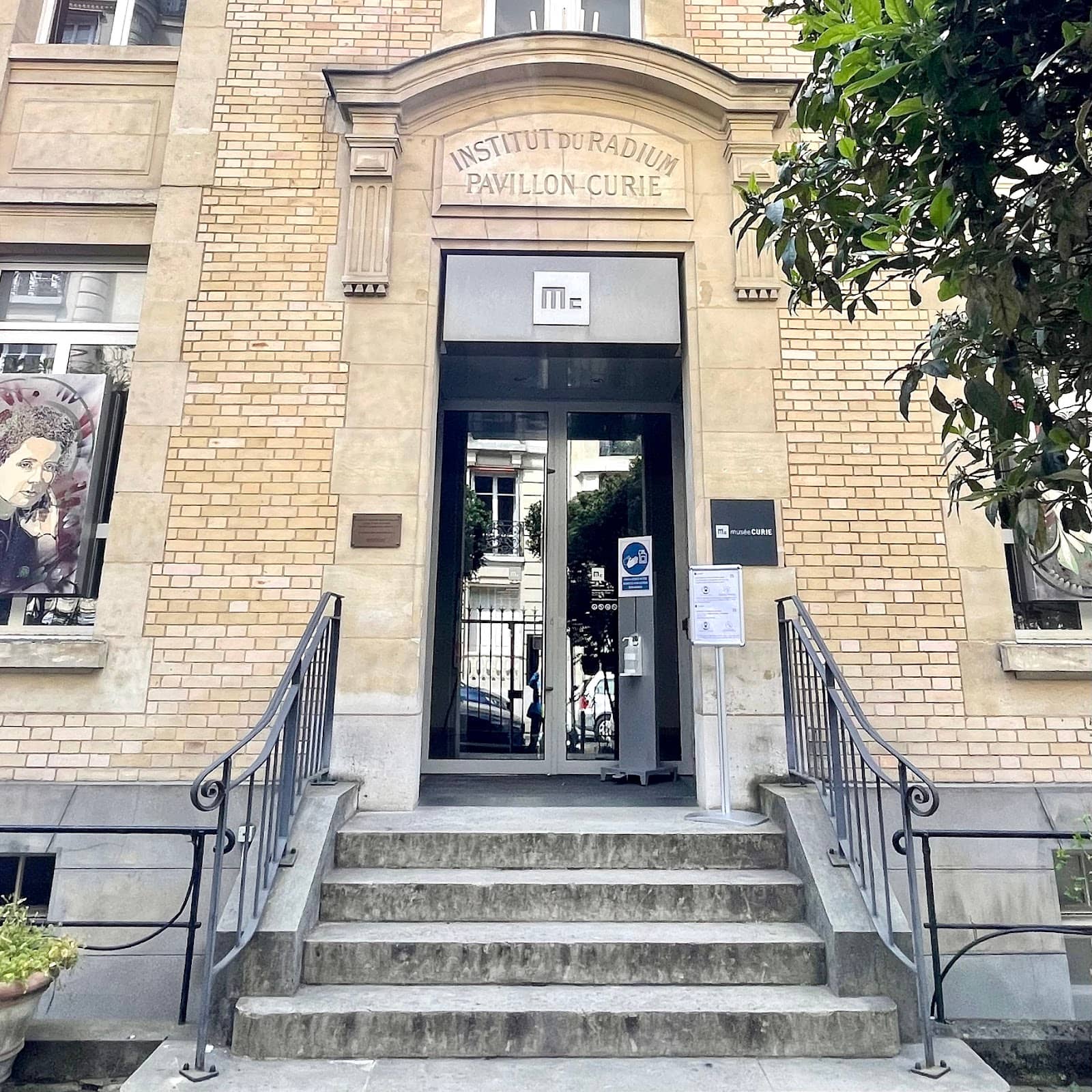
Former Radium Institute
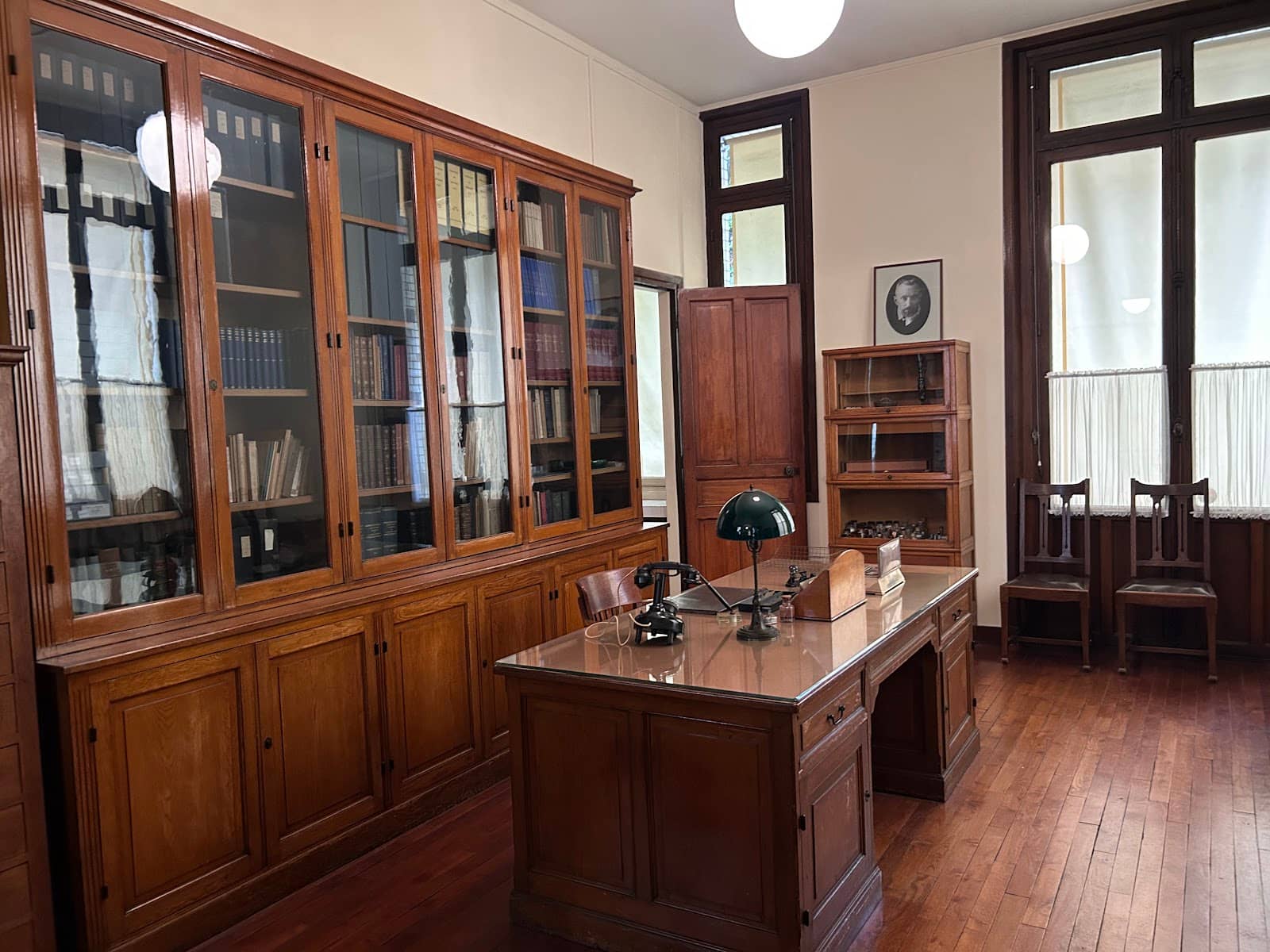
Step into the actual lab where Marie Curie conducted groundbreaking research. See her desk, equipment, and feel the history.
Exhibits on Radioactivity
Main exhibition space
Explore the fascinating world of radioactivity and its early applications, including medical uses.
The Curie Family Legacy
Family history section
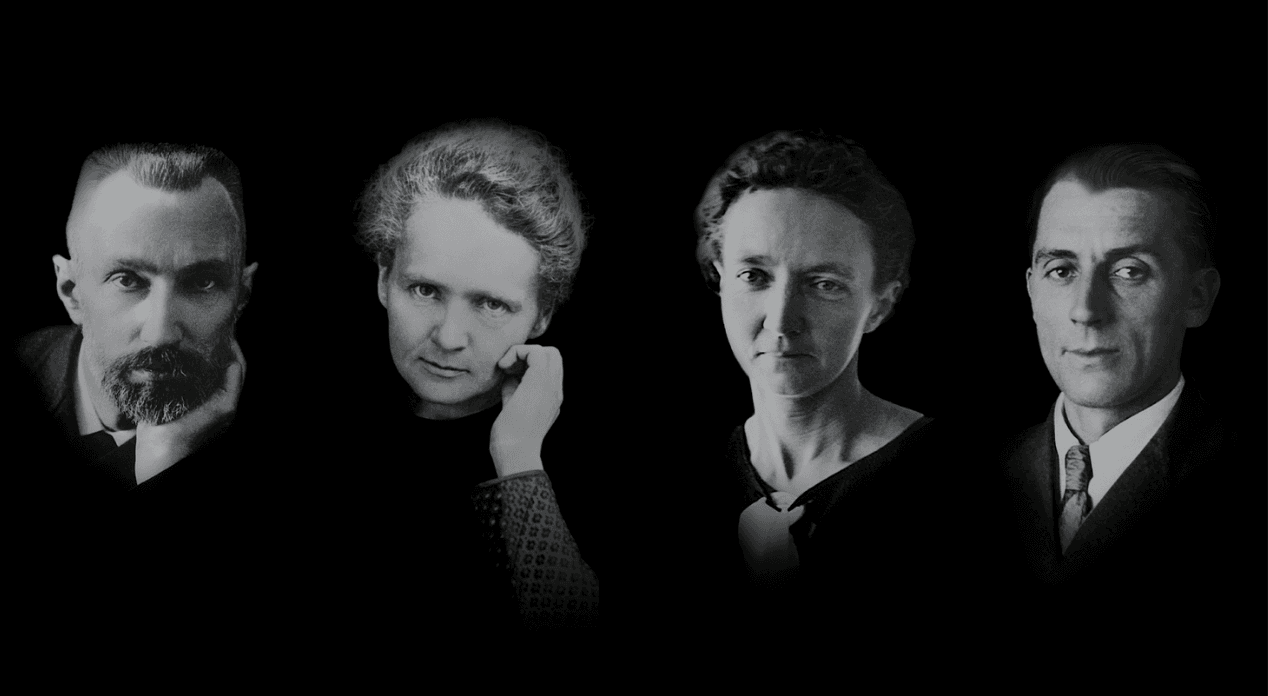
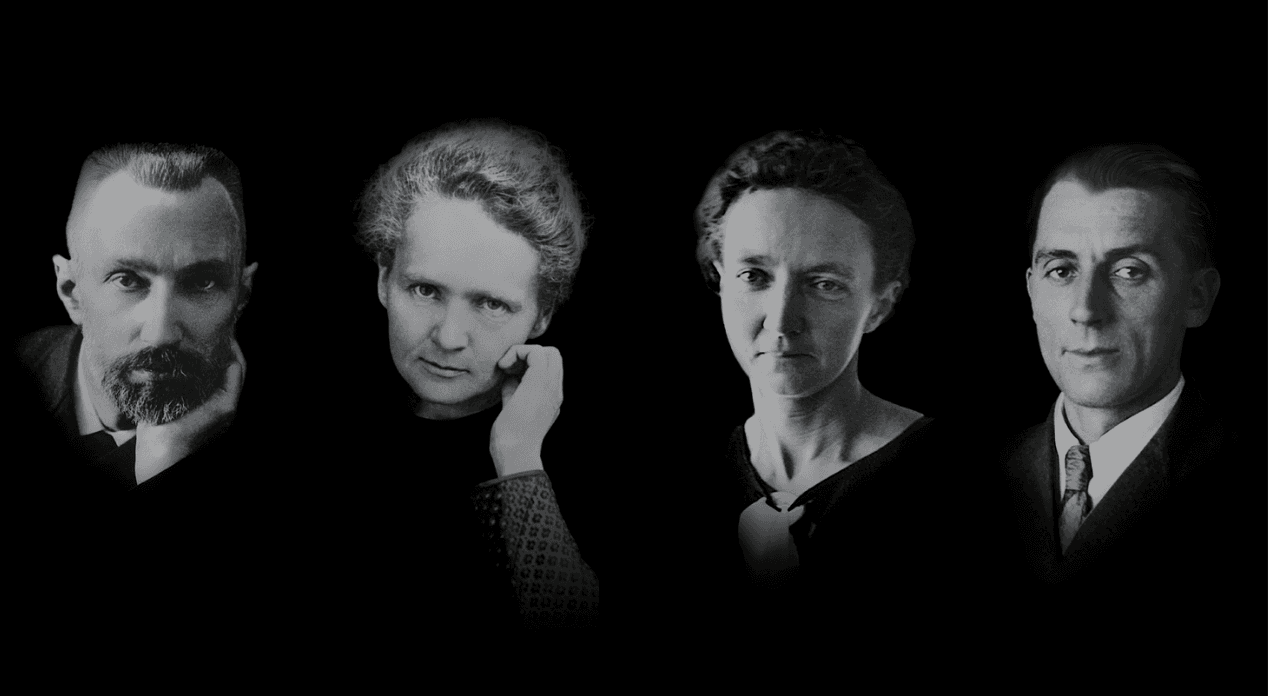
Discover the remarkable scientific achievements of Marie Curie and her family, including multiple Nobel Prize winners.
Plans like a pro.
Thinks like you
Planning Your Visit
Free Entry, Big Impact
Timing is Key
Best Times
Insider Tips
from TikTok, Instagram & Reddit
🎯 Free Admission Gem
Enjoy this incredible museum for free! Donations are welcome and appreciated.
⏰ Check Opening Hours
Open Wed-Sat, 1 PM-5 PM. Plan your visit accordingly to avoid disappointment.
⏳ Allow an Hour
It's small but packed with info. Read everything to get the full story.
🔬 For Science Lovers
A must-visit for anyone interested in science, physics, or chemistry.
Tips
from all over the internet
🎯 Free Admission Gem
Enjoy this incredible museum for free! Donations are welcome and appreciated.
⏰ Check Opening Hours
Open Wed-Sat, 1 PM-5 PM. Plan your visit accordingly to avoid disappointment.
⏳ Allow an Hour
It's small but packed with info. Read everything to get the full story.
🔬 For Science Lovers
A must-visit for anyone interested in science, physics, or chemistry.
🚶♀️ Worth the Walk
Located on Rue Pierre et Marie Curie, it's a bit of a walk but totally worth it!
What Travellers Say
Reviews Summary
Visitors rave about the Musée Curie as an 'underrated gem' and a 'humbling' experience, particularly for science lovers. The free entry and the chance to see Marie Curie's preserved laboratory are major highlights. Some find it small, but most agree it's a fascinating and worthwhile visit for its historical significance.
"An underrated gem we stumbled across by accident but was actually one of our trip highlights. Free entry and only small, so just allow an hour if you’re planning on reading everything describing the pieces. We learned a lot and found it all so fascinating. A must visit for any lover of science & technology."
Kat & Dav Adventures
"Very humbling to be there - great to be able to walk around Marie Curie's office and laboratory. And it's free.. but worth taking some money for donations. Also all about her life as well as those of her famous family."
Ellen Vernon
"WOW! Free admission and such an amazing museum dedicated to all that Marie Curie contributed to our science fields. The artifacts, notes, her laboratory and office, etc are phenomenal and it is a privilege to get to see these things. As a chemistry educator, this was a dream come true and has been on my bucket list. So thankful for this museum and that it is free and open for the public to enjoy and learn from."
Taylor E
What People Like
What People Dislike
Frequently Asked Questions
🚇 🗺️ Getting There
The Musée Curie is located at 1 Rue Pierre et Marie Curie, 75005 Paris. It's accessible by metro, with nearby stations like Luxembourg (RER B) or Cluny-La Sorbonne (Line 10). Many visitors enjoy walking to the museum, appreciating the street named after the scientists. +1
Yes, it's situated on a street named after Marie and Pierre Curie, making it a fitting location. While not as prominently signposted as major attractions, its specific address ensures you can locate it with navigation.
Several bus lines serve the area around the Musée Curie, offering convenient access. Check local transport apps for the most up-to-date routes and schedules.
Street parking in this central Paris arrondissement can be challenging and expensive. It's highly recommended to use public transportation or walk to the museum.
Many visitors find walking through the Latin Quarter to reach the museum a pleasant experience, allowing you to soak in the Parisian atmosphere.
🎫 🎫 Tickets & Entry
The Musée Curie offers free admission to all visitors, making it an accessible and valuable experience. Donations are encouraged to support the museum's upkeep. +1
No advance booking is typically required for the Musée Curie due to its free entry and smaller size. However, arriving earlier in the day might offer a less crowded experience.
The museum is open from Wednesday to Saturday, between 1 PM and 5 PM. It is closed on Sundays, Mondays, Tuesdays, and public holidays.
As admission is free for everyone, there is no separate fee for children. The museum is suitable for older children interested in science.
Yes, donations are greatly appreciated and help maintain the museum and its exhibits. There are usually donation boxes available.
🎫 🔬 Onsite Experience
The museum features Marie Curie's preserved laboratory and office, exhibits on radioactivity, oncology, and the scientific legacy of the Curie family, including their Nobel Prizes. +3
Most visitors spend about an hour at the Musée Curie, allowing time to read the exhibits and absorb the historical significance of the space.
While the content is scientific, older children with an interest in science and history might find it engaging. It's a quiet museum, so it's best for children who can appreciate a more contemplative visit.
Information on guided tours is not widely advertised. Given the museum's size and focus, self-guided exploration is the primary way to experience it. +1
The atmosphere is often described as humbling and fascinating, offering a unique glimpse into a pivotal moment in scientific history. It's a place for quiet reflection and learning.
📸 📸 Photography
Photography policies can vary, but generally, non-flash photography for personal use is often permitted. It's always best to check for any posted signs or ask staff. +1
Areas with delicate artifacts or specific displays might have restrictions. Be mindful of your surroundings and other visitors. +1
The preserved laboratory and office offer incredibly unique photo opportunities, capturing the essence of Marie Curie's workspace. +2
Given the intimate nature of the museum and potential restrictions, a smartphone camera is usually sufficient for capturing memories. +1
The exterior of the building, especially the street sign for Rue Pierre et Marie Curie, can be a nice photo op to commemorate your visit.
For Different Travelers
Tailored advice for your travel style
👨👩👧 Families with Kids
Consider framing the visit as a journey into the past to meet a real-life science superhero. Discussing Marie Curie's life and achievements beforehand can enhance their engagement. The museum's compact size means it won't overwhelm younger attention spans, and the focus on her personal workspace can make science feel more relatable.
🔬 Science Enthusiasts & Students
As a chemistry educator, this museum is a dream come true, offering a direct link to the work of one of the most important scientists in history. The chance to see Marie Curie's personal effects and workspace is incredibly inspiring and provides a unique perspective on scientific dedication and perseverance.
💰 Budget Travelers
Combine your visit with a walk through the charming Latin Quarter, where the museum is located. It's a great way to explore a historic Parisian neighborhood without additional costs. Remember to bring a small amount for an optional donation to support this wonderful free attraction.
Deep Dives
In-depth insights and expert knowledge
The Legacy of Marie Curie
Visiting her actual laboratory and office at the Radium Institute, which opened in 1914, is a profoundly moving experience. The museum preserves these spaces, allowing visitors to see the environment where she conducted her revolutionary experiments. This intimate setting provides a stark contrast to the grand scale of her scientific impact, highlighting her dedication and perseverance in often challenging conditions.
The museum also touches upon the broader scientific contributions of the Curie family, including her husband Pierre Curie and their daughter Irène Joliot-Curie, who also won a Nobel Prize. This familial scientific dynasty underscores a remarkable era of discovery and innovation in Paris.
Exploring Radioactivity and its Impact
Beyond the pure science, the museum also highlights the early applications of radioactivity, particularly in medicine. Visitors can learn about the development of radiotherapy for cancer treatment, a direct consequence of Curie's research that has saved countless lives. This aspect underscores the profound humanitarian impact of her scientific endeavors.
It's important to note the historical context of radioactivity research. The museum subtly conveys the immense dedication and personal risks involved in handling radioactive materials before their full dangers were understood. This adds another layer of appreciation for the scientists who pioneered this field.
Social
from TikTok, Instagram & Reddit