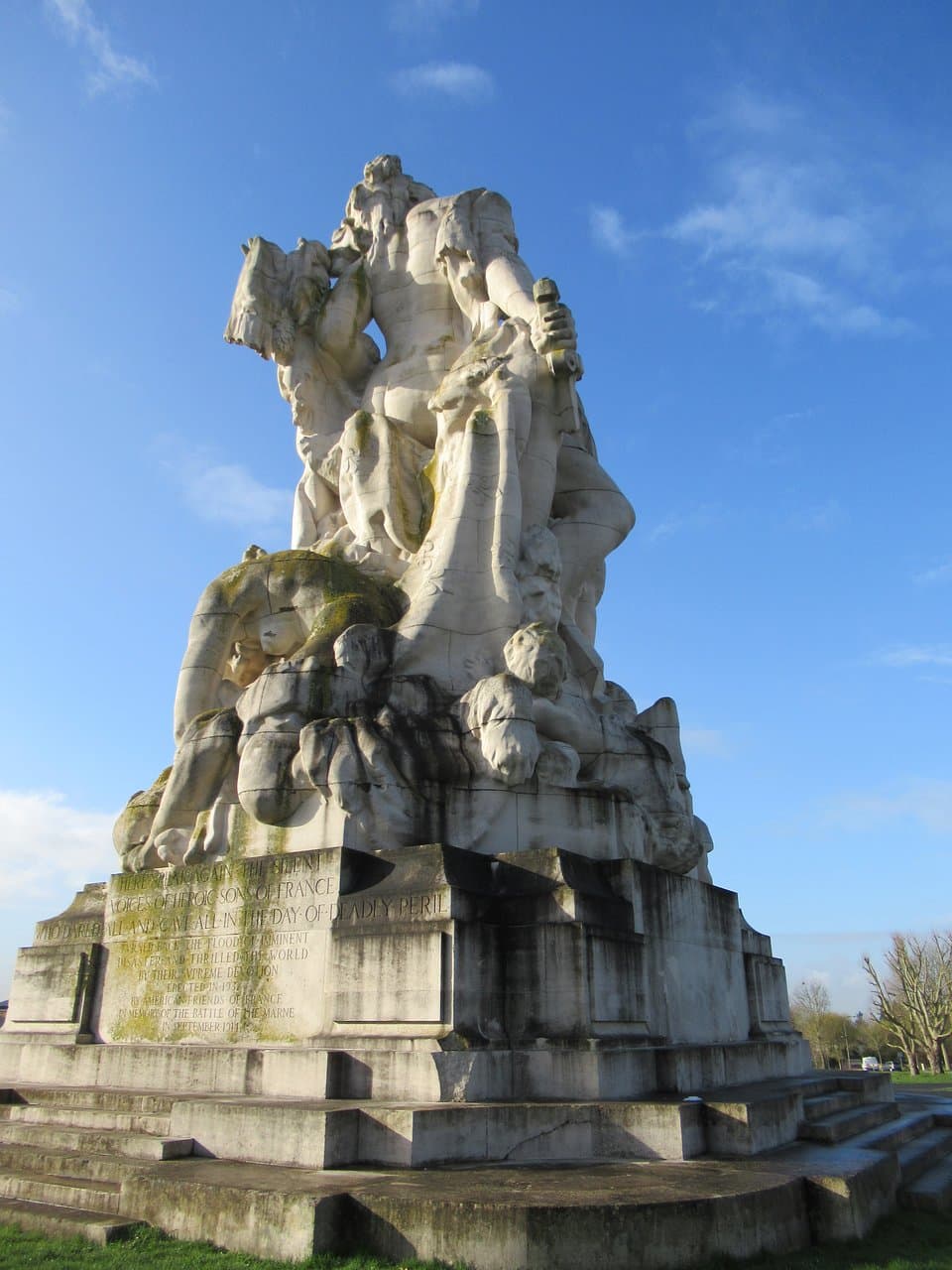
American Monument La Liberté éplorée
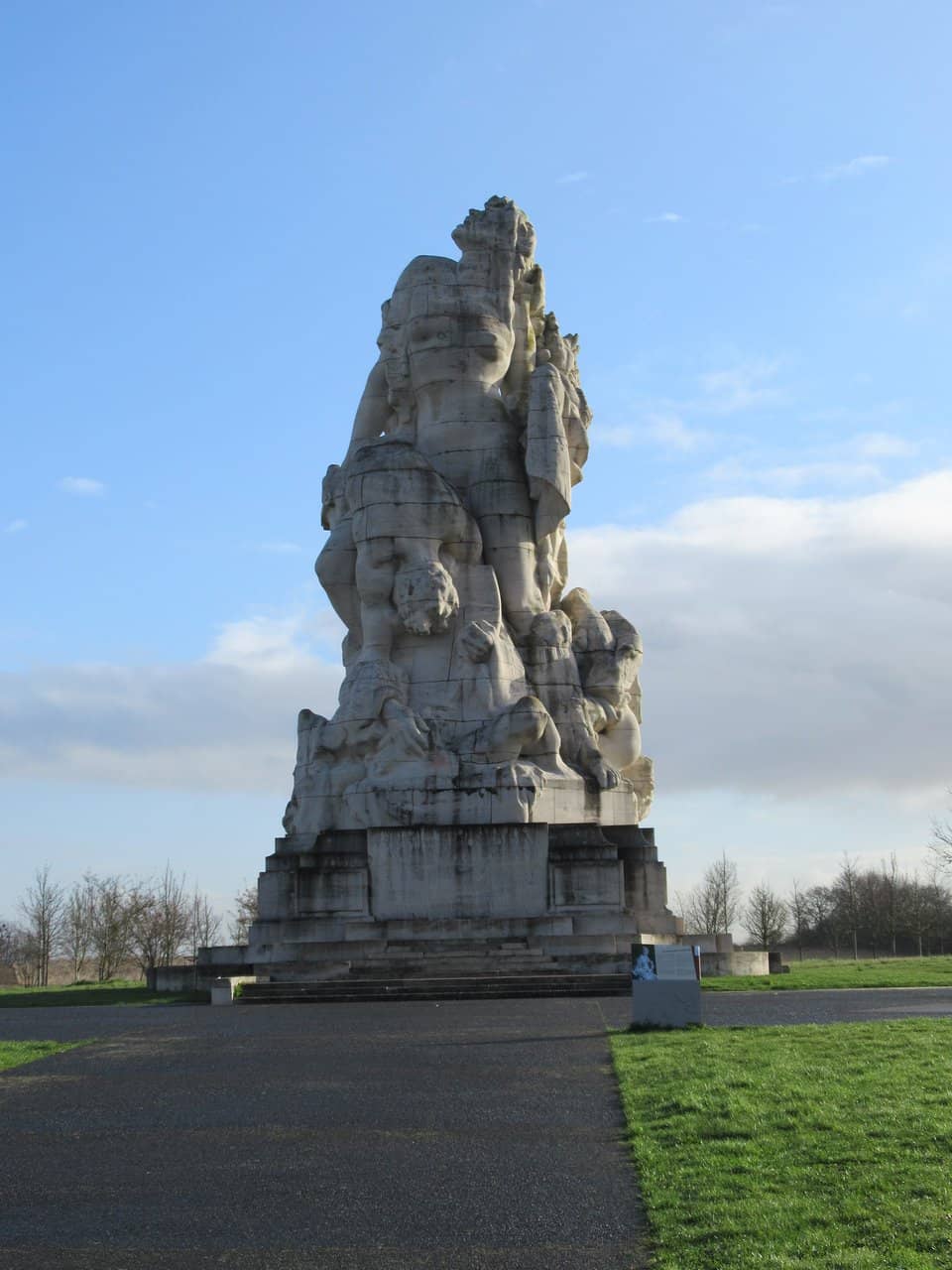
A monumental tribute to Franco-American wartime solidarity, this statue commemorates the heroism of the First Battle of the Marne.
Highlights
Must-see attractions

Social
From TikTok & Reddit
Best Time
Best for viewing details
American Monument La Liberté éplorée
Best Time
Best for viewing details
Highlights
Must-see attractions
A monumental tribute to Franco-American wartime solidarity, this statue commemorates the heroism of the First Battle of the Marne.
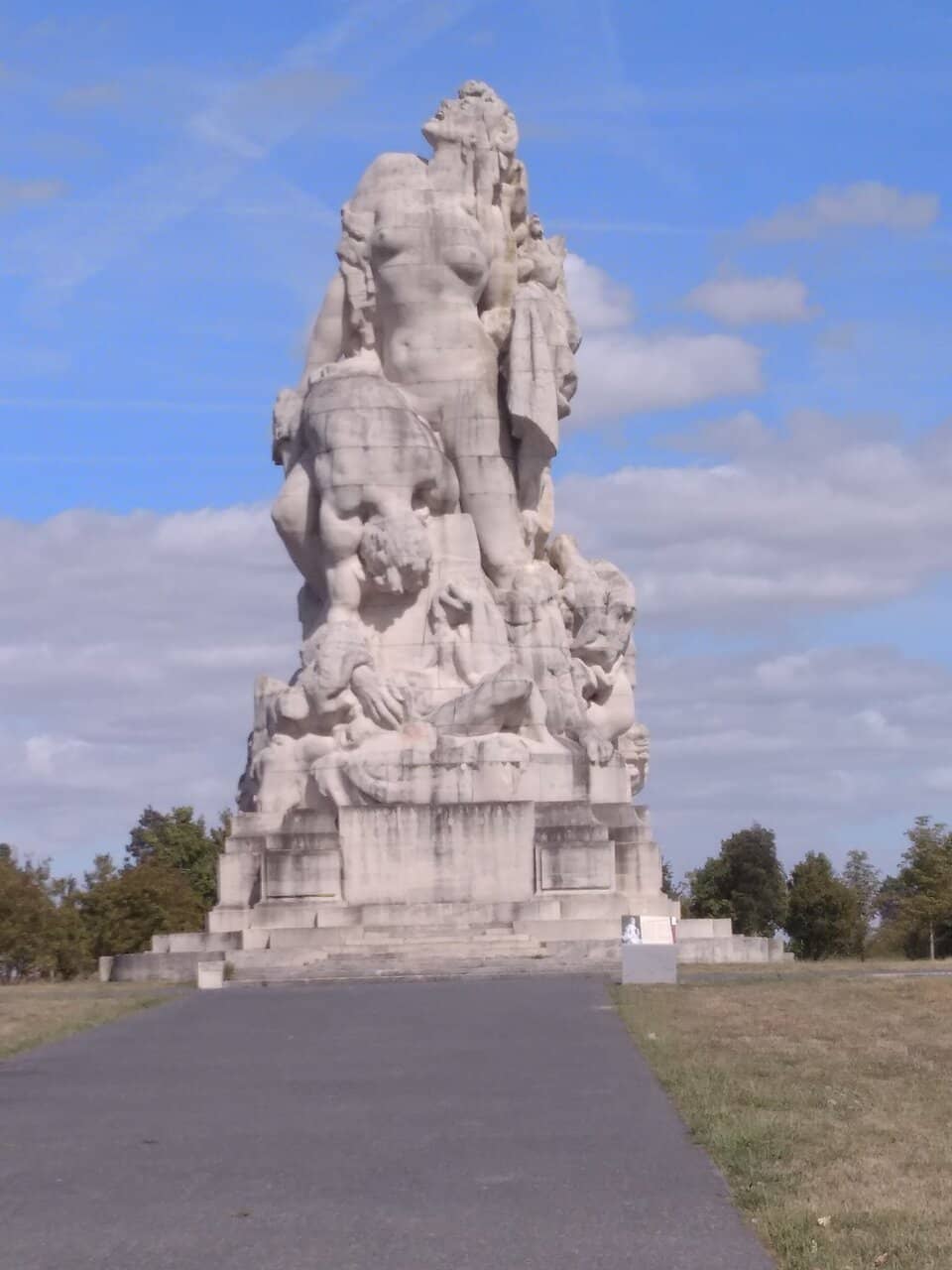
"It's incredible how big he is, very beautiful. He doesn't look his height in the photo."
See it from Afar
The monument's impressive scale is visible from a distance, making it a striking landmark.
Daylight Viewing
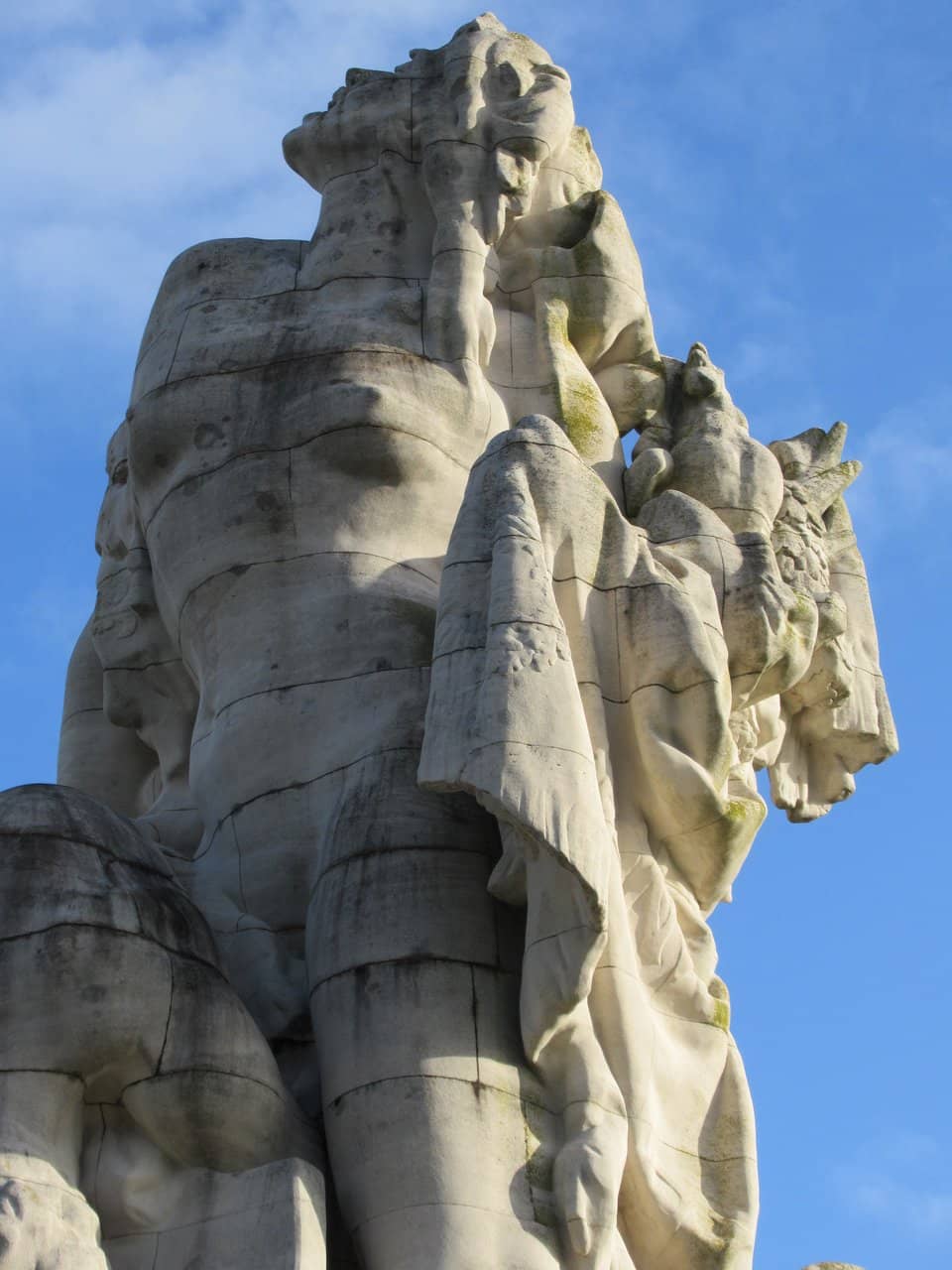
Visit during the day to fully appreciate the monument's restored details and imposing size.
Highlights
Discover the most iconic attractions and experiences
The Monument's Grandeur
An imposing statue that appears larger than life, a testament to American admiration for French wartime heroism.
Historical Museum
Adjacent to the monument
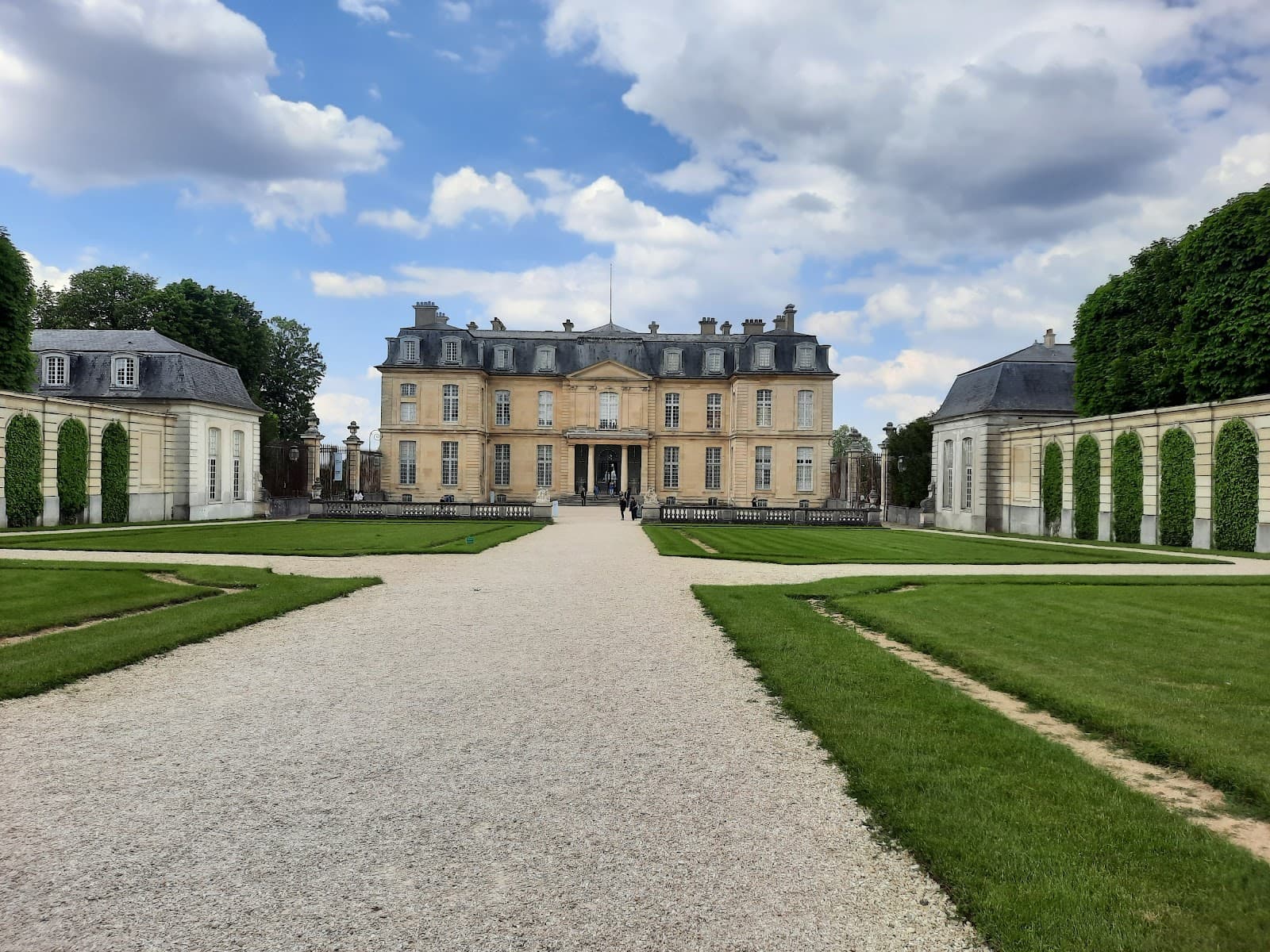
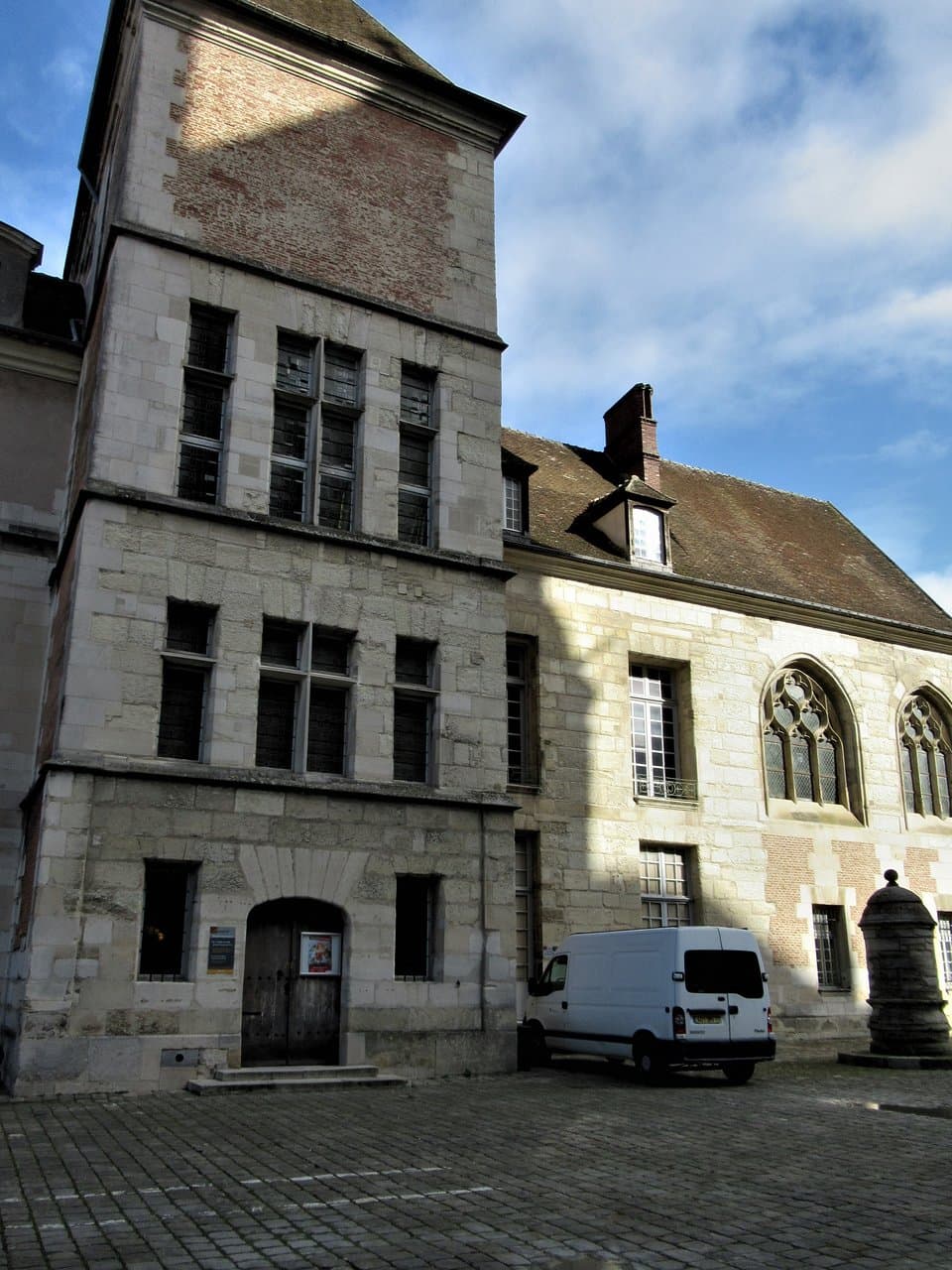
Explore exhibits detailing the Battle of the Marne and the monument's fascinating origins and creation.
Commemorative Park
A peaceful park surrounding the monument, perfect for reflection and appreciating the historical significance.
Plans like a pro.
Thinks like you
Planning Your Visit
Timing Your Visit
Understanding the History
Best Times
Insider Tips
from TikTok, Instagram & Reddit
See it from Afar
The monument's impressive scale is visible from a distance, making it a striking landmark.
Daylight Viewing
Visit during the day to fully appreciate the monument's restored details and imposing size.
Explore the Museum
Don't miss the adjacent historical museum for deeper context on the Battle of the Marne.
Reflect in the Park
The surrounding park offers a serene space for contemplation and enjoying the monument's presence.
Tips
from all over the internet
See it from Afar
The monument's impressive scale is visible from a distance, making it a striking landmark.
Daylight Viewing
Visit during the day to fully appreciate the monument's restored details and imposing size.
Explore the Museum
Don't miss the adjacent historical museum for deeper context on the Battle of the Marne.
Reflect in the Park
The surrounding park offers a serene space for contemplation and enjoying the monument's presence.
What Travellers Say
Reviews Summary
Visitors find the American Monument La Liberté Éplorée to be an impressively large and historically significant landmark, a powerful symbol of Franco-American admiration. The monument's scale is often noted as being more impactful in person than in photographs. While the monument itself is a key draw, the adjacent historical museum and the surrounding park enhance the overall experience, offering a space for reflection and deeper historical understanding.
"Commemoration of the 1st Battle of the Marne in 1914. Monument visible from afar."
frozen58
"It's incredible how big he is, very beautiful. He doesn't look his height in the photo."
pilar garcia grau
"Is a statue with a small park that also invites you to linger, next to the historical museum."
Joerg Schmidt
What People Like
What People Dislike
Frequently Asked Questions
🚇 🗺️ Getting There
The monument is accessible via major roads like the A86 and A3, leading towards Porte de Pantin. Public transport options may include bus routes serving the area. It's recommended to use a GPS or mapping app for precise directions from your starting point.
Information on dedicated parking is limited, but street parking may be available in the vicinity. It's advisable to check local parking regulations upon arrival.
Yes, the monument is designed to be visible from afar, serving as a prominent landmark in the landscape.
🎫 🎫 Tickets & Entry
The monument itself is a public landmark and generally does not require an entrance fee. However, the adjacent historical museum may have its own admission policy.
While specific official hours for the monument are not always clearly defined, it is visible at all times. Some anecdotal accounts suggest surprising activity at night, but daytime visits are recommended for the best viewing experience.
Admission fees for the historical museum vary. It's best to check the museum's official website or contact them directly for the most current pricing and hours.
📸 📸 Photography
Daylight hours offer the best lighting for capturing the monument's scale and details. Golden hour (shortly after sunrise or before sunset) can provide beautiful, soft light.
Experiment with different vantage points from the surrounding park to capture the monument's full height and presence. Views from a distance can also be striking.
🎫 🏛️ History & Significance
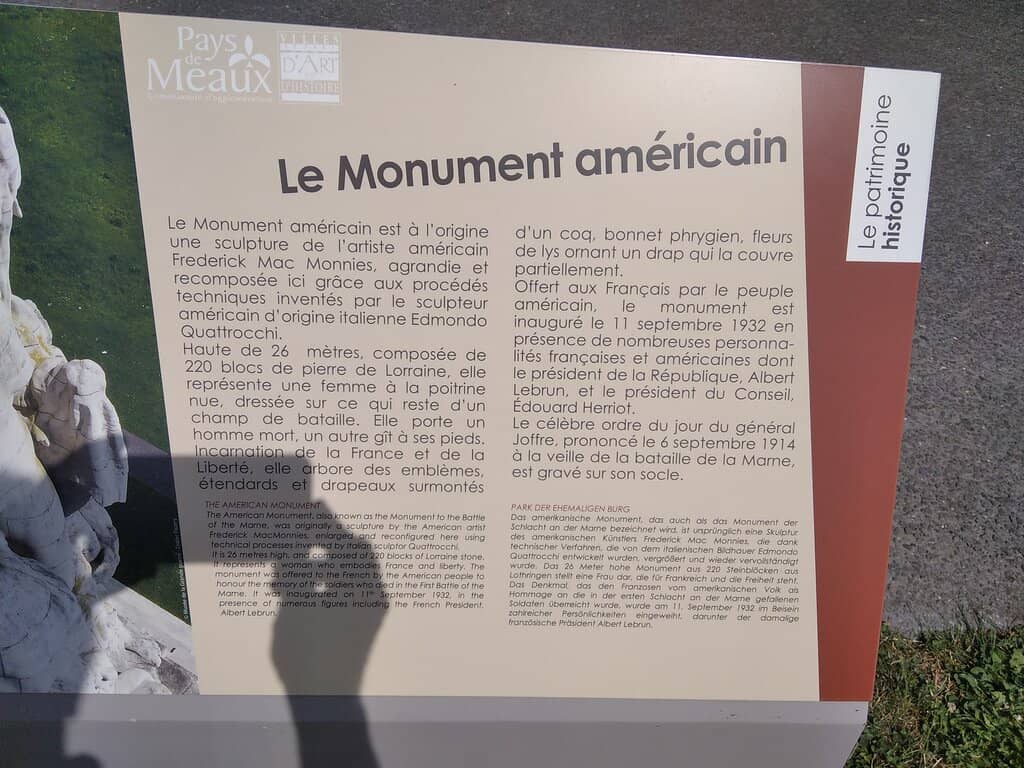
The monument was conceived in 1916 by American banker Thomas W. Lamont to honor the heroism of French soldiers during the First Battle of the Marne in 1914. It was designed by renowned American sculptor Frederick MacMonnies.
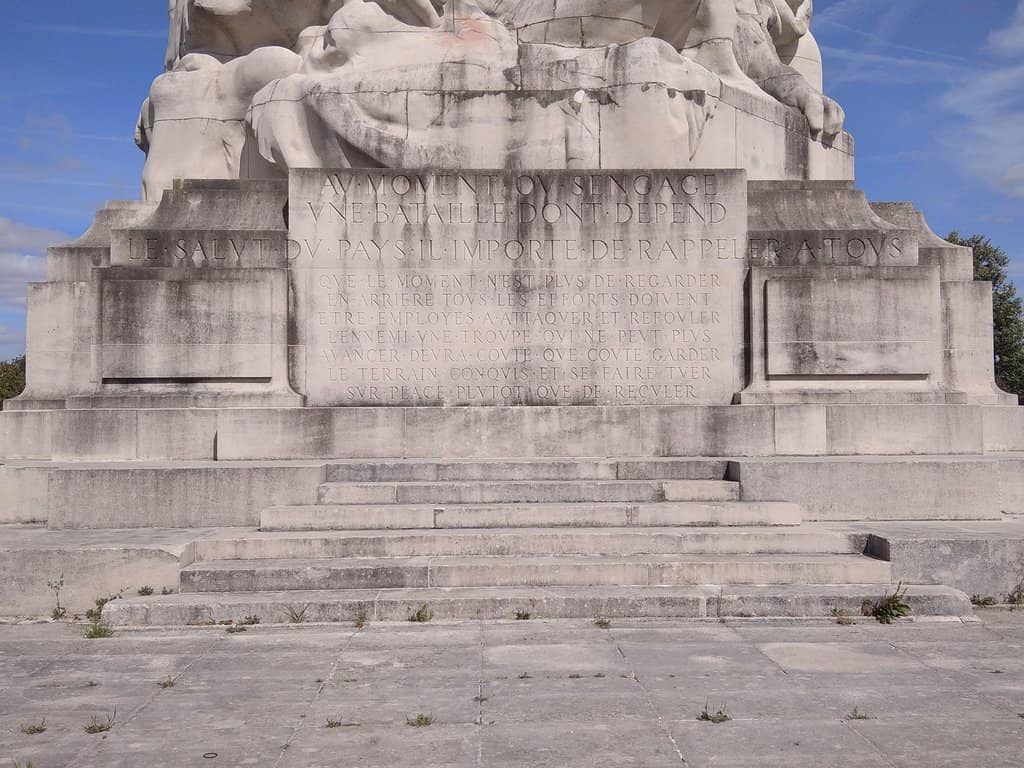
'La Liberté Éplorée' translates to 'The Weeping Liberty,' suggesting a somber reflection on the sacrifices made during the war.
The First Battle of the Marne was a pivotal battle in World War I, fought in September 1914. It halted the German advance towards Paris and is often referred to as the 'Miracle of the Marne'.
Yes, the monument has undergone restoration, including recent work on its 'face' which was previously damaged.
For Different Travelers
Tailored advice for your travel style
👨👩👧 Families with Kids
🏛️ History Buffs
Deep Dives
In-depth insights and expert knowledge
The Story Behind the Statue
The artistic vision for the monument was entrusted to Frederick MacMonnies, a celebrated American sculptor known for his dynamic and often dramatic works. MacMonnies' design, though impressive, has been noted for its unique aesthetic, with some historical accounts mentioning his particular interest in 'horned beasts.' The monument's name, 'La Liberté Éplorée' (The Weeping Liberty), evokes a profound sense of sorrow and remembrance for the lives lost during the conflict.
Recent years have seen the monument undergo significant restoration efforts, including repairs to its facial features which had been affected by weather. This dedication to preserving the monument ensures that its message of admiration and remembrance continues to resonate. For those interested in the historical context, the adjacent historical museum provides invaluable insights into the Battle of the Marne and the monument's creation.
Experiencing the Monument and Its Surroundings
The monument is situated within a small park, which provides a tranquil setting for visitors to linger, reflect, and take in the historical significance of the site. This green space offers a welcome respite and allows for a more contemplative appreciation of the monument's presence. It's a place where one can pause and consider the historical events it represents.
For those seeking a deeper understanding, the historical museum located nearby is an essential stop. It delves into the intricacies of the Battle of the Marne, the strategic importance of the Parisian taxis in the conflict, and the broader narrative of American support for France during the war. The museum complements the visual impact of the monument with rich historical context, making for a more complete and educational visit.


Social
from TikTok, Instagram & Reddit