Old Town Figeac
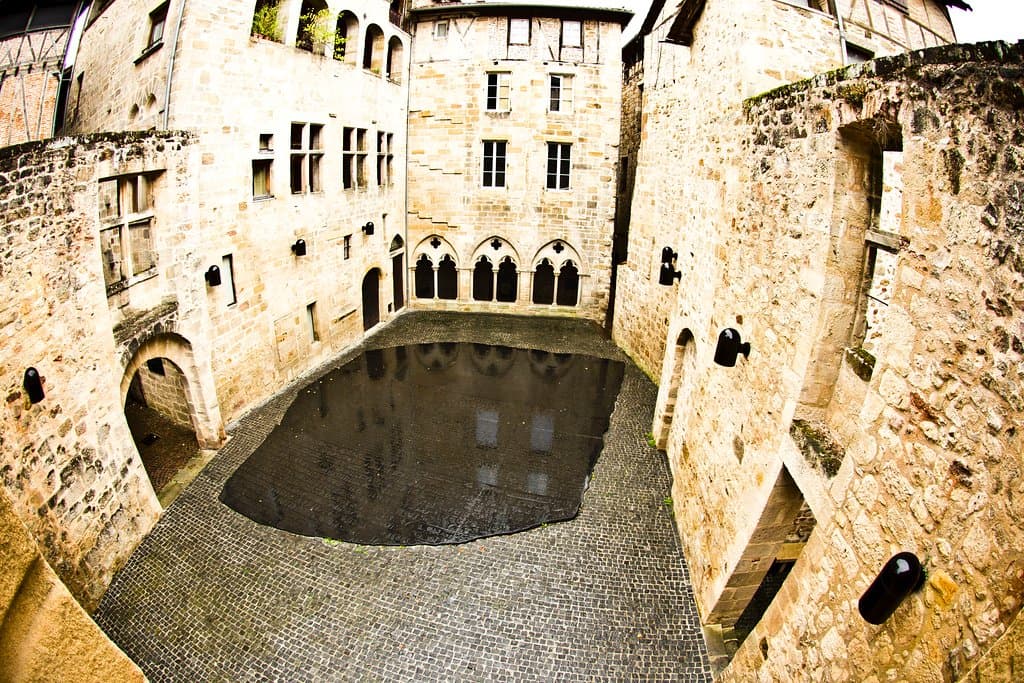
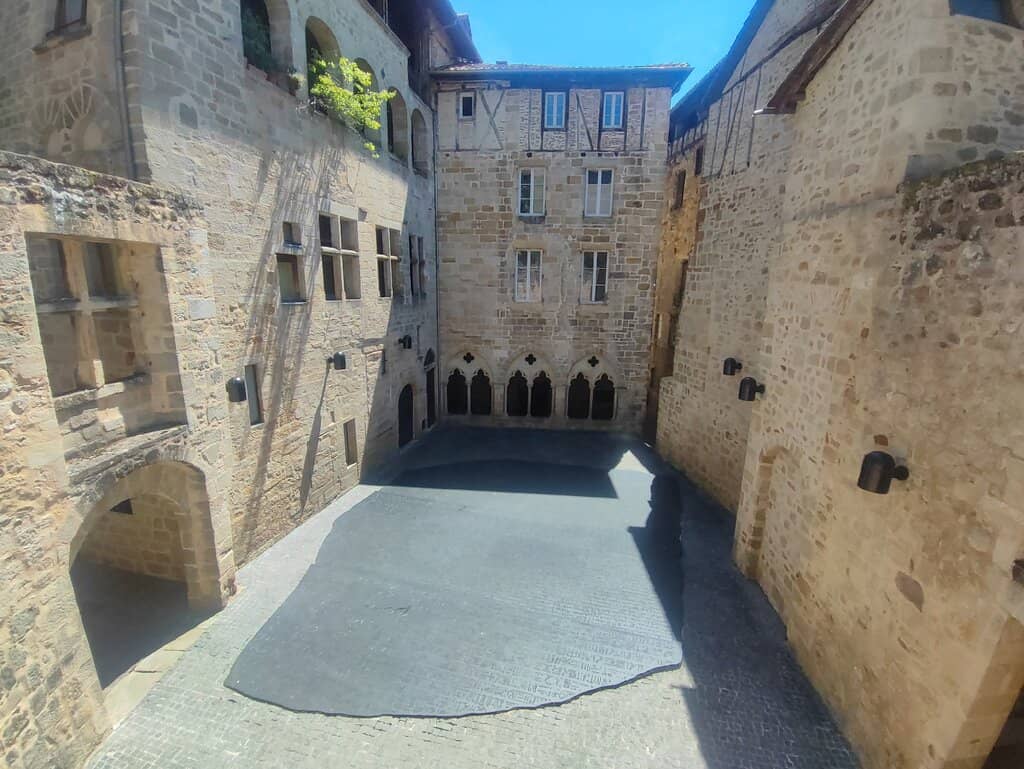
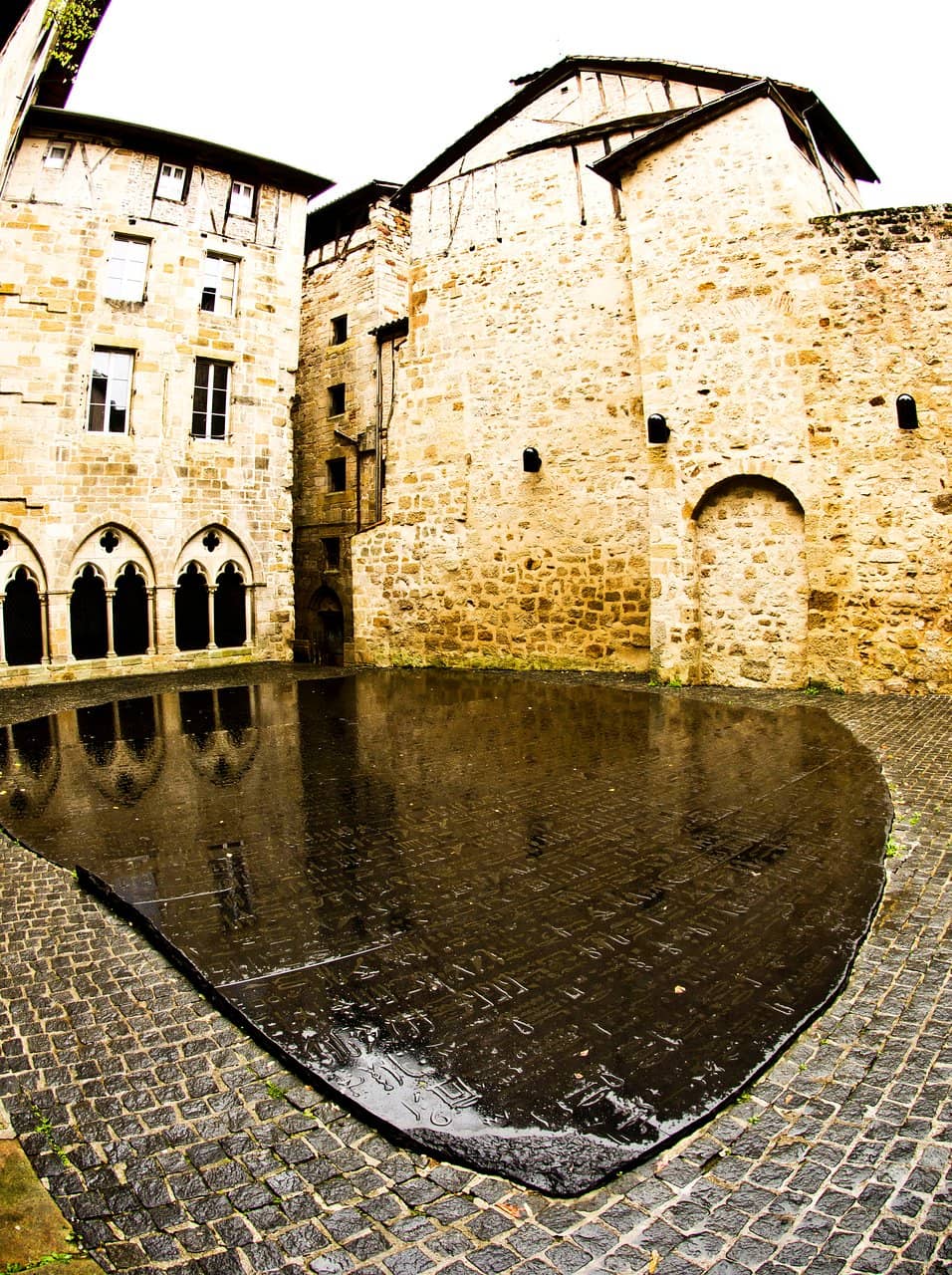
Walk on history at Figeac's Place des Écritures, a unique art installation featuring a giant Rosetta Stone replica.
Highlights
Must-see attractions

Social
From TikTok & Reddit
Best Time
Pleasant weather, fewer crowds
Old Town Figeac
Best Time
Pleasant weather, fewer crowds
Highlights
Must-see attractions
Walk on history at Figeac's Place des Écritures, a unique art installation featuring a giant Rosetta Stone replica.
"A unique and charming place! The Place des Écritures is both cultural and soothing."
🚶 Walk on the Stone!
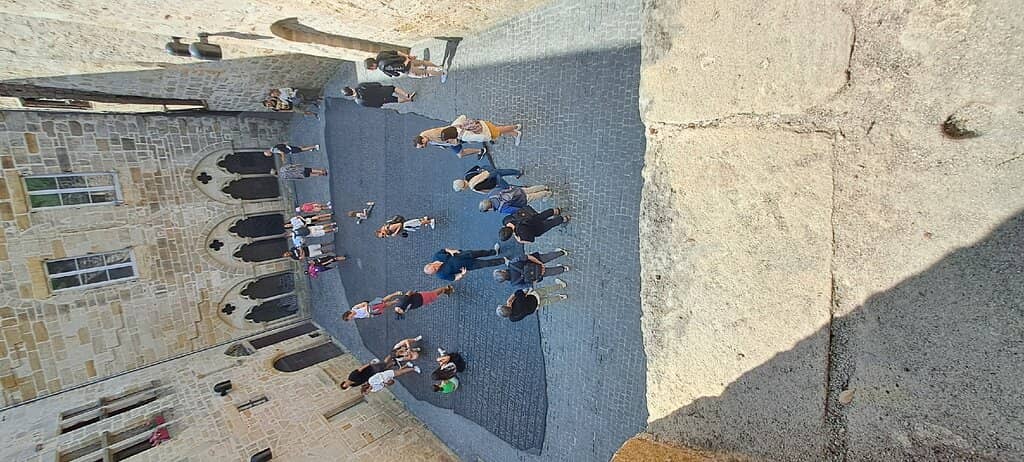
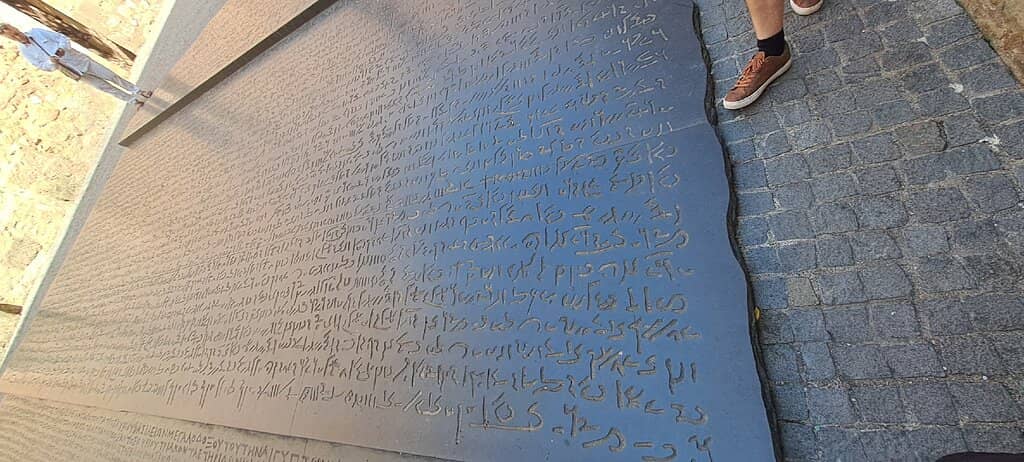
Don't be afraid to step on the Rosetta Stone replica; it's designed for interaction and contemplation.
📚 Read the French Translation
Find the glass plaque in the adjoining courtyard for the French translation of the hieroglyphs.
Highlights
Discover the most iconic attractions and experiences
Place des Écritures
Historic center of Figeac
Walk on a giant replica of the Rosetta Stone, a unique art installation honoring Champollion's decipherment.
Champollion Museum
Adjacent to Place des Écritures
Explore the world of ancient writings and the life of Jean-François Champollion, the decipherer of hieroglyphs.
Medieval Courtyards
Throughout Old Town Figeac
Wander through charming medieval streets and discover hidden courtyards, soaking in the town's rich history.
Plans like a pro.
Thinks like you
Planning Your Visit
Step onto History's Foundation
Combine with Champollion Museum
Best Times
Insider Tips
from TikTok, Instagram & Reddit
🚶 Walk on the Stone!
Don't be afraid to step on the Rosetta Stone replica; it's designed for interaction and contemplation.
📚 Read the French Translation
Find the glass plaque in the adjoining courtyard for the French translation of the hieroglyphs.
🌿 Enjoy the Gardens
The terraced gardens above the plaza offer a peaceful spot with views and Egyptian-inspired plants.
🎟️ Museum Admission
Check museum hours and admission fees, especially for free days or special exhibitions.
Tips
from all over the internet
🚶 Walk on the Stone!
Don't be afraid to step on the Rosetta Stone replica; it's designed for interaction and contemplation.
📚 Read the French Translation
Find the glass plaque in the adjoining courtyard for the French translation of the hieroglyphs.
🌿 Enjoy the Gardens
The terraced gardens above the plaza offer a peaceful spot with views and Egyptian-inspired plants.
🎟️ Museum Admission
Check museum hours and admission fees, especially for free days or special exhibitions.
📸 Capture the Art
The installation is visually striking; take time to photograph the unique blend of art and history.
What Travellers Say
Reviews Summary
Visitors consistently praise Figeac's Place des Écritures as a unique and thought-provoking art installation, highlighting the experience of walking on the Rosetta Stone replica. The town's medieval charm and the connection to Champollion are also frequently mentioned positives. Some visitors note that the museum's hours can be restrictive, especially outside peak season.
"A small square where you can step on a replica of the hieroglyphs on black marble. Highly recommended and curious to find this square and step on this hieroglyphic writing impossible to decipher"
Manolo Fernández
"I thoroughly enjoyed visiting the Place des Écritures (Square of Writings) in Figeac (Postal Code F-46100), Lot, a contemporary art installation. Set within a 13th-century architectural ensemble, its floor is covered with a vast reproduction of the Rosetta Stone, sculpted from black Zimbabwean granite by the American artist Joseph Kossuth. See the French translation on a glass plaque in the adjacent courtyard.
Following my visit in September 2025, I can provide you with a complete overview of the Place des Écritures in Figeac, Lot, including all the information you might need:
Details and location:
Located at the foot of the Champollion Museum – Writings of the World, in the historic center of Figeac (46100, Lot), very close to Place Champollion.
Nestled in a medieval courtyard, this square is set within an ancient complex, just behind Champollion's birthplace, the heart of the museum.
What you can see:
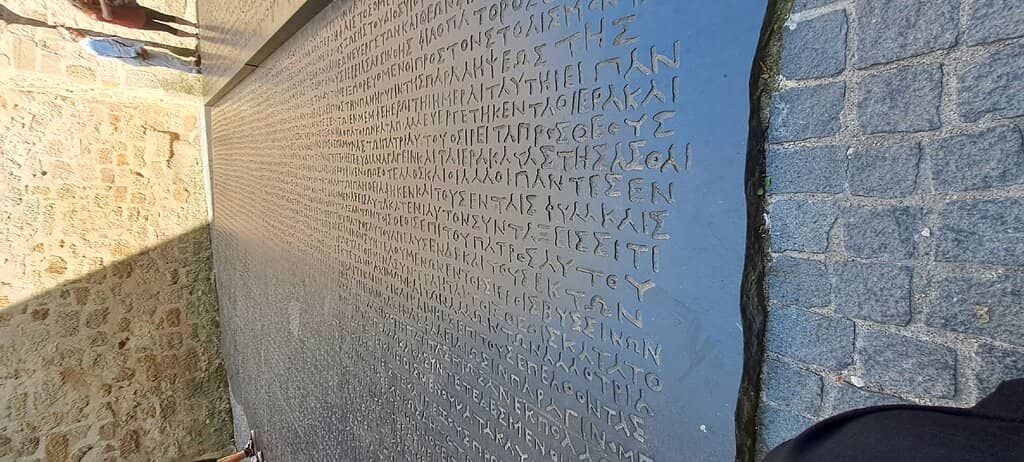
The floor is a monumental reproduction of the Rosetta Stone (approximately 10 x 8 m according to some sources, or 14 x 7 m according to others), carved in black Zimbabwean granite, created by the conceptual artist Joseph Kosuth in 1990.
Inscriptions:
The three texts—hieroglyphs, Demotic, and Ancient Greek—are reproduced on the floor, as on the original stele. The artwork symbolizes Champollion's journey toward decipherment.
Glass plaque with French translation:
In an adjoining courtyard, a glass plaque seals a vaulted cellar. It bears the French translation of the original text and reveals a map of the Nile Delta, the location where the Rosetta Stone was discovered.
Landscape design:
Above the plaza are terraced gardens reminiscent of Egypt: papyrus, tamarisk, and aromatic plants. They offer a contemplative view of the scene, enhancing the immersive atmosphere.
Atmosphere and aesthetics:
The artwork invites contemplation and informal reflection: it is a lived-in space where one can walk on the replica of the Stone, transforming a historical symbol into a shared space.
Architecture and decoration:
The installation combines medieval heritage (courtyard, vault) and contemporary art (engraved monolith, Egyptian vegetation). It creates a powerful visual dialogue between ancient and modern.
What I liked and its distinctive features:
Conceptual originality:
The artwork is simultaneously visual, tactile (one walks upon it), and symbolic (alluding to deciphering, to language). Many see it as a "living" metaphor for Champollion's work.
Heritage and historical proximity:
Its location, just behind the birthplace, adds a moving historical dimension. It is an integral part of the museum experience.
Interaction and education:
The combination of visual text/accessible translation and a geographical point of reference (the Nile Delta) makes the experience both aesthetically pleasing and educational.
Prices, opening hours & practical information:
Museum opening hours (including admission):
July–August: 10:30 am – 6:30 pm, daily.
April–June & September–October: 10:30 am–12:30 pm; 2:00 pm–6:00 pm, daily except Mondays.
November–March: 2:00 pm–5:30 pm, daily except Mondays.
Closed between January 16 and 31, as well as January 1, May 1, and December 25. Early closing (4 pm) on December 24th and 31st.
Admission prices:
Museum + exhibition: full price €7, reduced price €4; free for under 18s; free on the first Sunday of the month (excluding July and August), etc.
Exhibition only: full price €6, reduced price €3.
Additional charges: guided tour €4/person; audio guide (FR, EN, ES, DE) +€3.
I highly recommend visiting the Place des Écritures in Figeac (Postal code F-46100) in the Lot department, as it is a remarkable place!
I have attached some photos and videos. Please leave a smiley face, a "bravo," a heart, or anything else you like under the review and photos to encourage me. It's always nice to receive positive feedback.
Enjoy your visit. Best regards. Éric Tison F-57 Féy (Metz. Moselle. France)."
Eric Tison
"A magnificent contemporary tribute to Jean-François Champollion, originally from Figeac, who deciphered Egyptian hieroglyphs using the Rosetta Stone.
A must-see, just a stone's throw from the museum."
Bertrand Jonquois
What People Like
What People Dislike
Frequently Asked Questions
🚇 🗺️ Getting There
Figeac is accessible by car via the A20 motorway. The nearest major train station is in Capdenac, with local bus connections to Figeac. Once in Figeac, the historic center, including the Place des Écritures, is easily walkable.
There are several parking lots available around the historic center of Figeac. Some are free, while others may have a fee. It's best to look for parking near the Champollion Museum for easy access.
Yes, Figeac is a charming town perfect for a day trip, especially if you're exploring the Lot region. You can easily spend a few hours exploring the Place des Écritures and the Champollion Museum.
The best way to explore Old Town Figeac is on foot. Its compact medieval center is best discovered by wandering through its narrow streets and hidden courtyards.
Figeac has a train station with connections to larger cities, and local bus services operate within the region. For exploring the town itself, walking is the most convenient method.
🎫 🎫 Tickets & Entry
No, the Place des Écritures is an outdoor public space and is free to visit. However, the adjacent Champollion Museum has an admission fee.
Museum hours vary by season. Generally, it's open daily from April to October, with reduced hours and closures in winter. Always check the official website for the most current times.
Admission prices vary for the museum and exhibitions. There are full and reduced prices, and it's free for children under 18. The first Sunday of the month (excluding July/August) is also free.
The Champollion Museum is closed on Mondays during certain periods (November-March). The Place des Écritures is always accessible.
Yes, reduced prices are available for students, seniors, and other groups. Free admission is offered on the first Sunday of the month (except July and August) and for children under 18.
🎫 🧭 Onsite Experience
It's a contemporary art installation featuring a large-scale replica of the Rosetta Stone on its floor, created by artist Joseph Kosuth, honoring Jean-François Champollion.
Absolutely! The installation is designed for visitors to walk on it, making it a tactile and interactive experience that symbolizes Champollion's journey.
It commemorates Jean-François Champollion, the native of Figeac who deciphered Egyptian hieroglyphs using the Rosetta Stone. It's a powerful tribute to his work.
Yes, guided tours are available for the Champollion Museum and the surrounding area, offering deeper insights into the history and art.
Figeac boasts a beautiful medieval center with historic architecture, charming squares, and the picturesque Lot river. Explore its streets and discover its heritage.
🍽️ 🍽️ Food & Dining
Figeac's historic center offers numerous cafes and restaurants serving local cuisine. You'll find options ranging from casual bistros to more formal dining experiences.
Many restaurants in France are increasingly offering vegetarian options. It's advisable to check menus or ask staff for recommendations.
The Lot region is known for its hearty cuisine, often featuring duck, truffles, walnuts, and local cheeses like Rocamadour. Enjoy regional specialties.
Yes, Figeac has several bakeries (boulangeries) where you can find fresh bread, pastries, and local treats for a quick snack or picnic.
The terraced gardens above the Place des Écritures offer a pleasant spot for a quiet break. You can also find benches along the river or in small squares.
📸 📸 Photography
The Place des Écritures itself is a unique subject. Also, capture the medieval architecture, narrow streets, and the riverbanks for picturesque shots.
Photography rules can vary. Generally, non-flash photography is permitted in many museum areas, but it's best to check signage or ask staff for specific guidelines.
Early mornings or late afternoons offer softer light and fewer crowds, ideal for capturing the charm of the medieval streets and the Place des Écritures.
Try capturing the scale by including people walking on it, or focus on the intricate details of the inscriptions from different perspectives.
A versatile camera, whether a smartphone or a dedicated camera, will work well. Consider a wide-angle lens for capturing the architecture and the expansive Place des Écritures.
For Different Travelers
Tailored advice for your travel style
👨👩👧 Families with Kids
Pairing the visit with the Champollion Museum can further engage younger minds, especially if they have an interest in history or ancient civilizations. Look for any family-friendly exhibits or activities the museum might offer. Figeac's pedestrian-friendly medieval streets are also enjoyable for a family stroll, with plenty of opportunities to stop for ice cream or a treat from a local bakery.
🏛️ History Buffs & Art Enthusiasts
Art enthusiasts will appreciate the conceptual nature of Joseph Kosuth's installation, which transforms a historical artifact into a contemporary art piece. The deliberate integration of the artwork within the historic setting, alongside the Egyptian-themed gardens, creates a rich cultural experience. Exploring the hidden courtyards and the town's overall ambiance provides further artistic and historical discovery.
🚶 Solo Travelers & Couples
The charming medieval streets, riverside paths, and numerous cafes and restaurants provide ample opportunities for relaxed exploration and romantic moments. The town's manageable size means you can easily discover its beauty at your own pace, enjoying the authentic French provincial atmosphere without feeling overwhelmed.
Deep Dives
In-depth insights and expert knowledge
The Place des Écritures: A Living Monument
The artistic concept extends beyond the stone itself. In an adjacent courtyard, a glass plaque seals a vaulted cellar, revealing the French translation of the Rosetta Stone's decree and a map pinpointing its discovery location in the Nile Delta. Above the plaza, terraced gardens planted with papyrus, tamarisk, and aromatic herbs evoke an Egyptian landscape, creating a contemplative atmosphere. This thoughtful design weaves together medieval heritage, contemporary art, and historical significance, fostering a unique dialogue between past and present.
Visitors often describe the Place des Écritures as a 'living' metaphor for Champollion's work, a space that is both visually striking and intellectually stimulating. It's a place that encourages informal reflection, allowing individuals to ponder the complexities of language and history while physically standing on a symbol of their unraveling. The integration with the Champollion Museum further enhances the experience, providing context and depth to the artistic tribute.
Exploring Figeac's Medieval Charm
Beyond the main squares, Figeac's charm lies in its hidden medieval courtyards and the gentle flow of the Lot River that skirts the town. These quieter areas provide a more intimate glimpse into Figeac's past and offer peaceful spots for reflection. The presence of numerous bakeries and cafes adds to the inviting atmosphere, perfect for a leisurely break with a local pastry or a coffee. The town's compact size makes it ideal for a relaxed stroll, where you can admire the details of the ancient stonework and imagine life centuries ago.
Figeac is also a gateway to the wider Lot department, known for its stunning landscapes and historical sites. While the Old Town itself is a primary attraction, its proximity to other regional highlights makes it a convenient base for further exploration. The blend of historical significance, artistic expression, and authentic French provincial life makes Figeac a truly memorable destination.



Social
from TikTok, Instagram & Reddit