Barbacane Ramparts
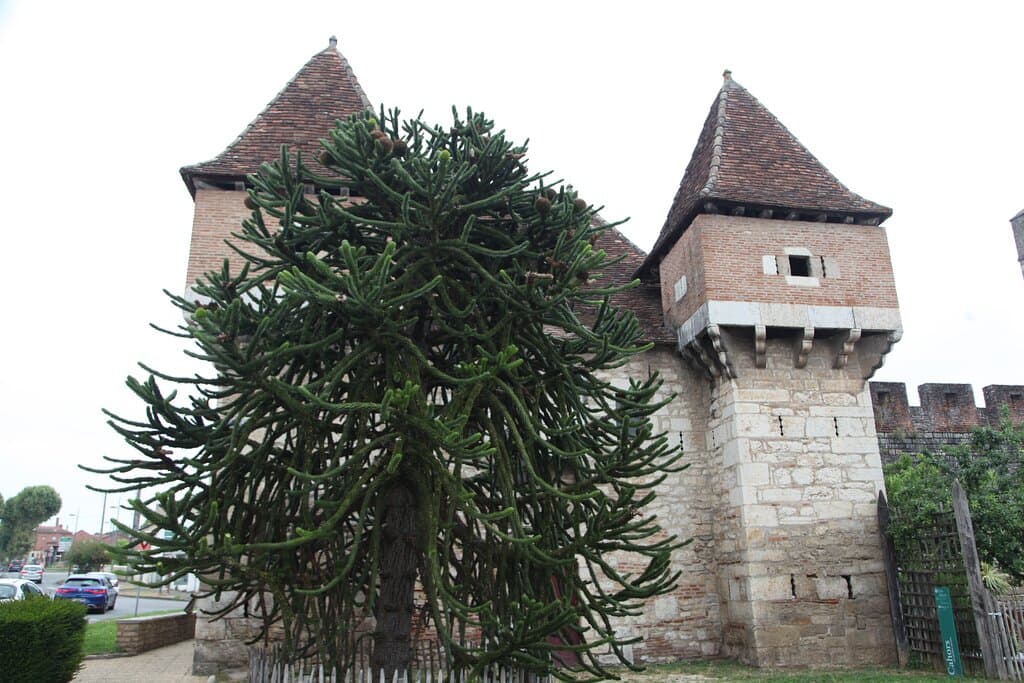
A 16th-century guardhouse, the Barbacane Ramparts are a proud vestige of Cahors' northern defenses, offering a glimpse into its historical past.

Highlights
Must-see attractions

Social
From TikTok & Reddit
Best Time
Best light for photos
Barbacane Ramparts
Best Time
Best light for photos
Highlights
Must-see attractions
A 16th-century guardhouse, the Barbacane Ramparts are a proud vestige of Cahors' northern defenses, offering a glimpse into its historical past.
"A fortification that conveys history, both tragic and beautiful."
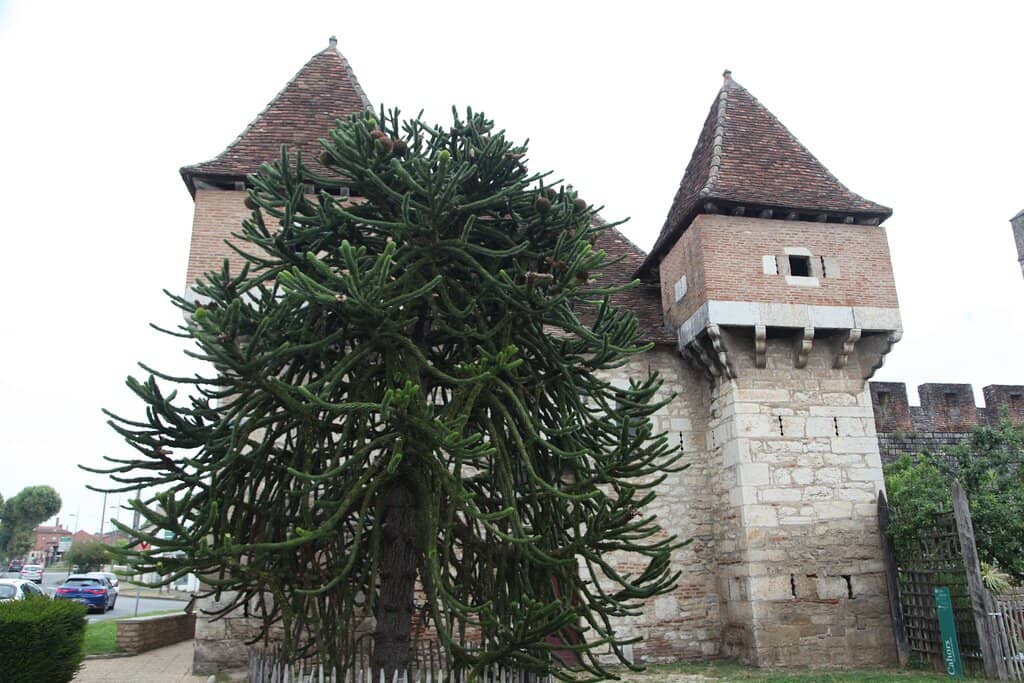
Admire from Outside
Enjoy the ramparts' historical presence; interior access is not the main feature. :camerawithflash:
Understand its History
Learn about its role as a 16th-century guardhouse for Cahors' northern defenses. :book:
Highlights
Discover the most iconic attractions and experiences
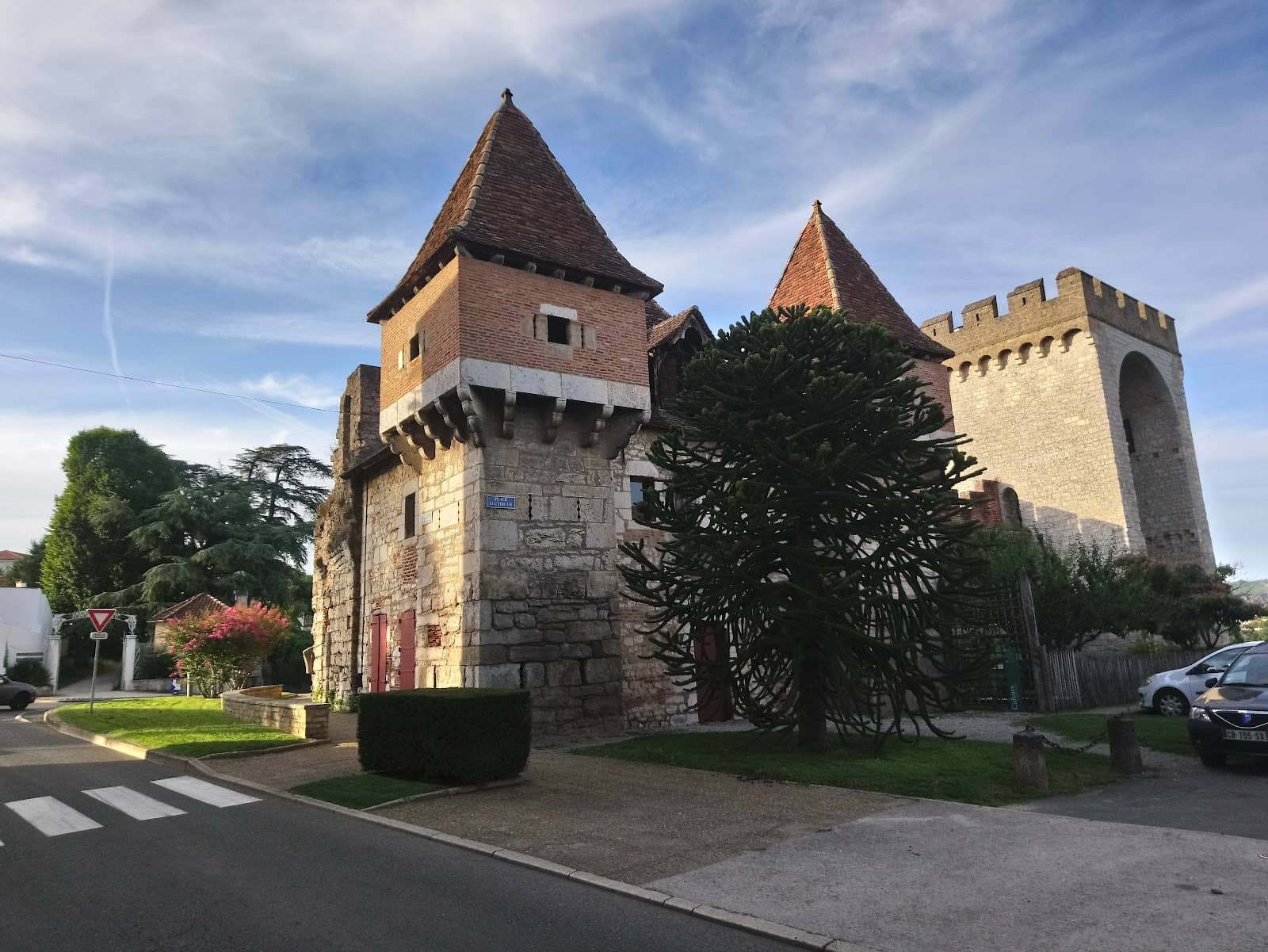
Imposing Stone Structure
A proud vestige of Cahors' past, this guardhouse stands as a silent sentinel of history.
Defensive Architecture
Admire the thick walls and firing slits, remnants of its 16th-century defensive purpose.
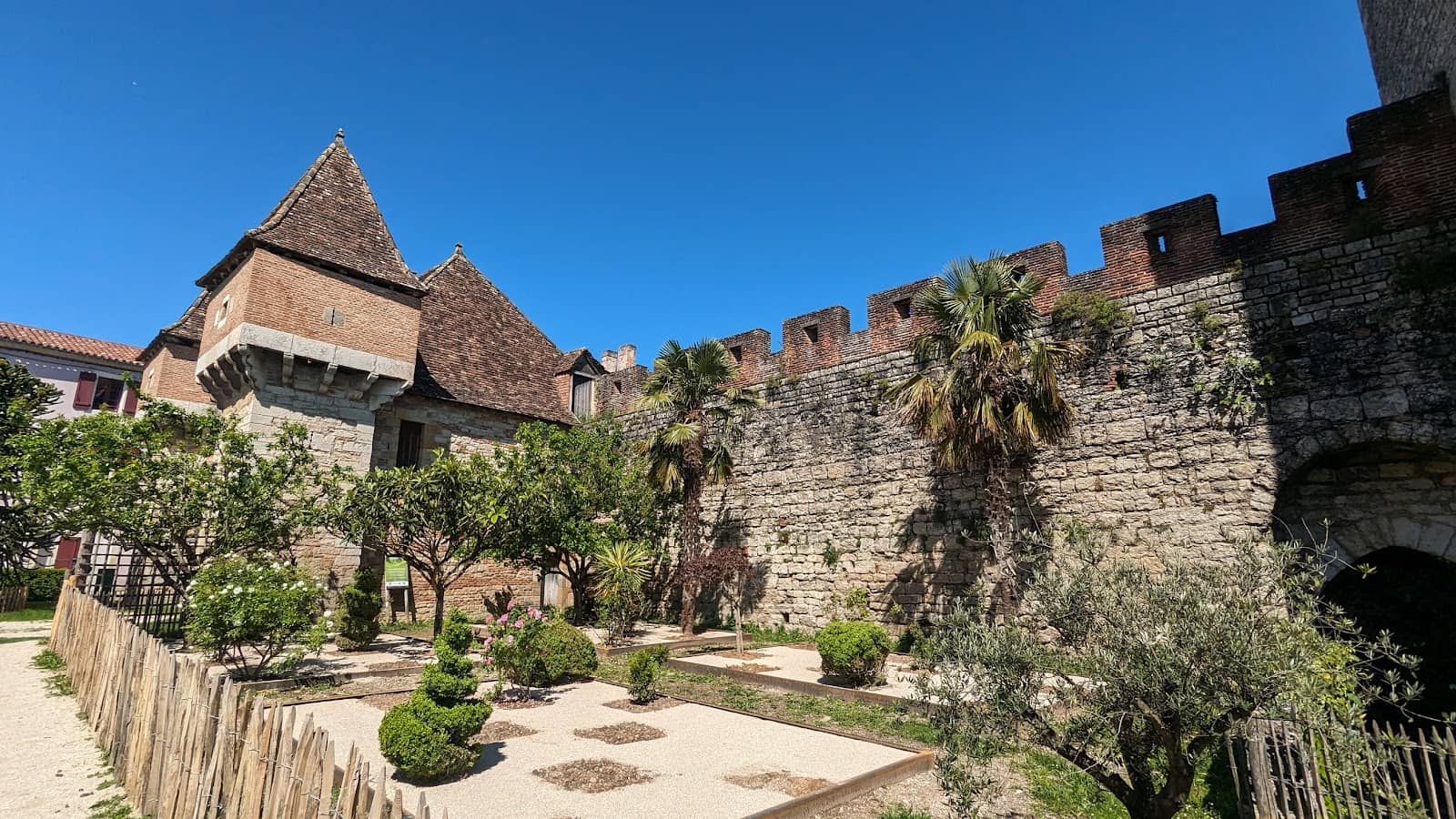
Place Luctérius Setting
Located on Place Luctérius, where the historic 'Porte de la Barre' once stood.
Plans like a pro.
Thinks like you
Planning Your Visit
Access and Views
Historical Context
Best Times
Insider Tips
from TikTok, Instagram & Reddit
Admire from Outside
Enjoy the ramparts' historical presence; interior access is not the main feature. :camerawithflash:
Understand its History
Learn about its role as a 16th-century guardhouse for Cahors' northern defenses. :book:
Explore Place Luctérius
The ramparts are situated on this historic square, adding to the atmosphere. :world_map:
Tips
from all over the internet
Admire from Outside
Enjoy the ramparts' historical presence; interior access is not the main feature. :camerawithflash:
Understand its History
Learn about its role as a 16th-century guardhouse for Cahors' northern defenses. :book:
Explore Place Luctérius
The ramparts are situated on this historic square, adding to the atmosphere. :world_map:
What Travellers Say
Reviews Summary
Visitors find the Barbacane Ramparts to be a historically significant and visually striking remnant of Cahors' defensive past. While its primary appeal is its exterior architecture and historical context, some note the limited interior access and the presence of modern buildings nearby. Overall, it's appreciated as a proud vestige of the city's heritage.
"Cahors: old city, great city wals, great cathedral but I was disappointed as modern buildings dominates old ones. Nevertheless city is worth seeing."
Krzysztof Korski
"Nice Old Bridge Witch is worth a visit"
Jan-Jaap Klomp
"No direct access"
Ben Merket
What People Like
What People Dislike
Frequently Asked Questions
🚇 🗺️ Getting There
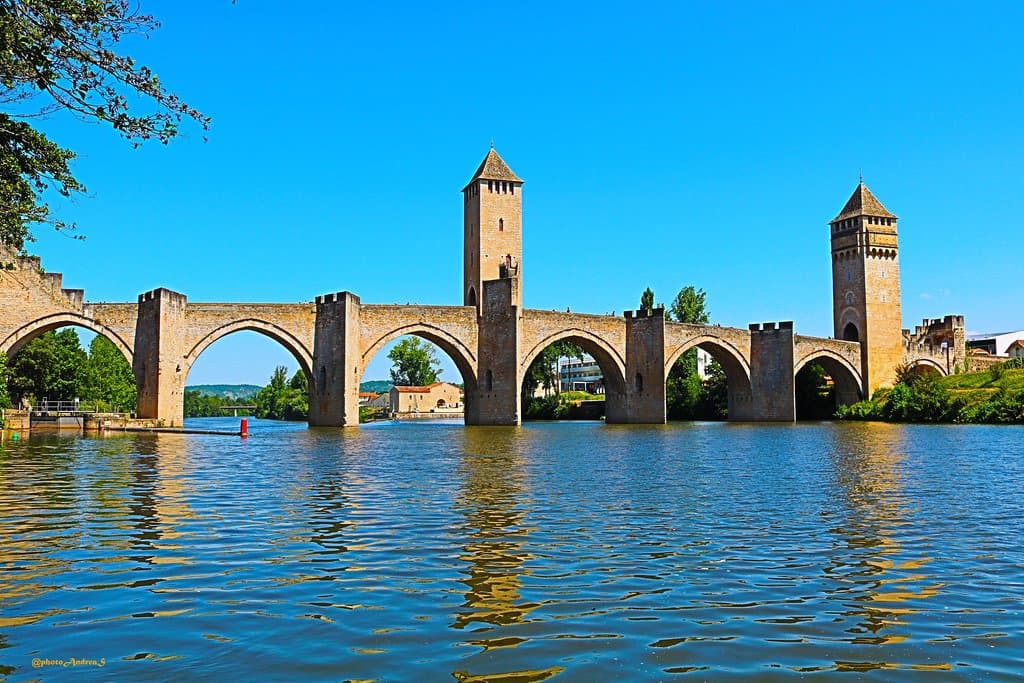
The Barbacane Ramparts are located in the heart of Cahors, accessible by walking through the old city. Parking is available in nearby public lots, and it's a pleasant stroll from the main attractions like the Pont Valentré.
While there isn't a direct bus stop right at the ramparts, Cahors has a local bus network that can get you close to the city center, from where you can walk.
Direct vehicle access to the immediate vicinity of the ramparts is limited due to the historic nature of the area. It's best to park in designated areas and walk.
🎫 🎫 Tickets & Entry
No, the Barbacane Ramparts are an exterior historical monument. You can view and appreciate its structure from the surrounding public spaces without needing a ticket.
As an outdoor historical site, the Barbacane Ramparts are accessible at all times. However, visiting during daylight hours is recommended for the best viewing experience.
There is no entrance fee to see the Barbacane Ramparts. It is a freely accessible historical landmark in Cahors.
Direct interior access to the Barbacane Ramparts is generally not available to the public. It is primarily an exterior monument to be admired.
📸 📸 Photography
The best times for photography are during the golden hours of sunrise and sunset when the light casts a warm glow on the stone. Midday can be harsh, but still offers good visibility.
Yes, Place Luctérius offers excellent vantage points. Exploring the surrounding streets can also reveal unique angles and perspectives of this historic fortification.
You can capture impressive shots of the ramparts' medieval architecture, its defensive features like firing slits, and its integration into the urban landscape of Cahors.
🎫 🏛️ History & Significance
The Barbacane Ramparts are a significant 16th-century guardhouse, representing a crucial part of Cahors' northern fortifications designed to defend the city. It's a listed Historic Monument.
The Barbacane Ramparts were built in the 16th century as part of the city's defensive structures.
Its primary purpose was defense, built to protect the city from attackers by allowing defenders to rain projectiles or boiling oil down on them from its thick walls and firing slits.
For Different Travelers
Tailored advice for your travel style
History Buffs
Consider researching the history of Cahors' fortifications before your visit to fully grasp the significance of this 'flamboyant fragment.' The ramparts are a listed Historic Monument, underscoring their importance. While interior access is limited, the exterior provides a powerful visual narrative of a bygone era.
Photographers
Explore Place Luctérius and the surrounding streets to find unique angles and compositions. While the ramparts are primarily viewed from the outside, their historical context adds depth to your photographs. Be mindful of the urban setting, but focus on capturing the enduring strength and poetic beauty of this ancient guardhouse.
Deep Dives
In-depth insights and expert knowledge
Architectural Marvel of Defense
Listed as a Historic Monument, the Barbacane is more than just a wall; it's a piece of history frozen in time. It conveys the sense of a past era where defense was paramount, offering visitors a glimpse into the city's historical struggles and resilience. The structure's presence on Place Luctérius, near the site of the former 'Porte de la Barre,' further emphasizes its role in controlling access to and from the city during troubled times.
While direct interior access is limited, the exterior itself is a captivating subject. Its humble, strong, and sublime presence allows for contemplation, evoking a poetic connection to the past. It's a silent sentinel, a patrolman of history, offering a vision of a world where defense was intricately linked with the very fabric of the city's existence.
Experiencing the Barbacane Today
The surrounding area, particularly Place Luctérius, provides context and a pleasant environment for viewing. While some reviews mention modern buildings nearby, the ramparts themselves remain a proud vestige, a 'flamboyant fragment' that stands out. It's a spot that history enthusiasts and those interested in medieval fortifications will find particularly rewarding, offering a tangible connection to Cahors' defensive past.
For photographers, the Barbacane offers opportunities to capture its robust stonework and historical silhouette against the sky. The best light is often found during the softer hours of the day, allowing the texture and details of the ramparts to be highlighted. It's a site that encourages a moment of reflection on the passage of time and the enduring legacy of historical architecture.



Social
from TikTok, Instagram & Reddit