
Fort du Salbert Belfort
Explore the historic Fort du Salbert, a 19th-century military marvel offering breathtaking views and a journey through Belfort's resilient past.
Highlights
Must-see attractions

Social
From TikTok & Reddit
Best Time
Pleasant weather, fewer crowds
Fort du Salbert Belfort
Best Time
Pleasant weather, fewer crowds
Highlights
Must-see attractions
Explore the historic Fort du Salbert, a 19th-century military marvel offering breathtaking views and a journey through Belfort's resilient past.
"A must-visit for history lovers and view-seekers, offering a tangible connection to Belfort's past."

Wear Comfortable Shoes
Lots of walking and uneven terrain inside the fort. :athletic_shoe: Be prepared to explore!
Check Opening Hours
Hours can vary seasonally. Always check the official website before your visit. :clock1:
Highlights
Discover the most iconic attractions and experiences
Panoramic Views
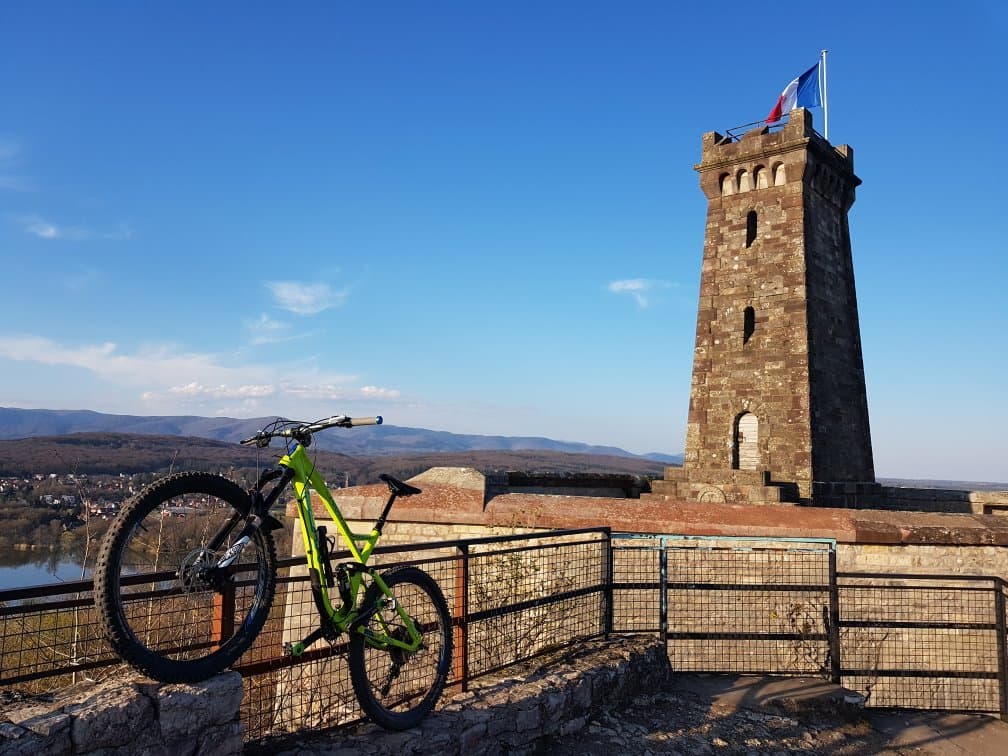
Top of the fort
Breathtaking 360-degree vistas of Belfort and the surrounding Jura mountains. A photographer's dream!
The Lion of Belfort
Near the fort entrance
An iconic symbol of Belfort's resistance, this colossal sculpture is a must-see historical monument.

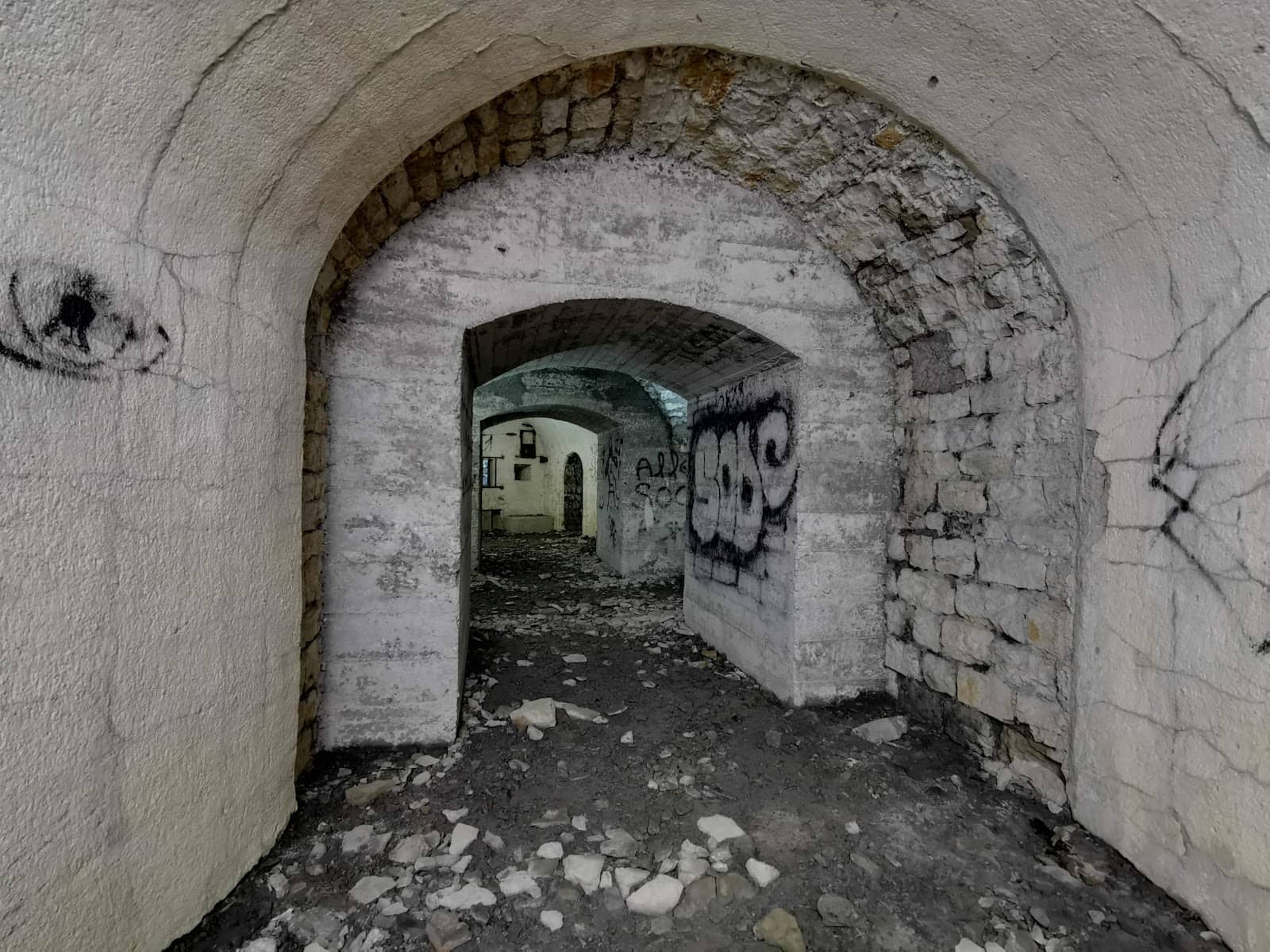
Fortifications and Tunnels
Inside the fort
Explore the impressive military architecture, including ramparts, casemates, and underground passages.
Plans like a pro.
Thinks like you
Planning Your Visit
Plan Your Visit to Fort du Salbert
Getting to Fort du Salbert
Best Times
Insider Tips
from TikTok, Instagram & Reddit
Wear Comfortable Shoes
Lots of walking and uneven terrain inside the fort. :athletic_shoe: Be prepared to explore!
Check Opening Hours
Hours can vary seasonally. Always check the official website before your visit. :clock1:
Bring a Camera
The views and architecture are incredibly photogenic. :camerawithflash: Capture the memories!
Consider a Guided Tour
Gain deeper insights into the fort's history and significance. :informationdeskperson:
Tips
from all over the internet
Wear Comfortable Shoes
Lots of walking and uneven terrain inside the fort. :athletic_shoe: Be prepared to explore!
Check Opening Hours
Hours can vary seasonally. Always check the official website before your visit. :clock1:
Bring a Camera
The views and architecture are incredibly photogenic. :camerawithflash: Capture the memories!
Consider a Guided Tour
Gain deeper insights into the fort's history and significance. :informationdeskperson:
What Travellers Say
Reviews Summary
Visitors praise Fort du Salbert for its impressive historical architecture and stunning panoramic views of Belfort and the surrounding countryside. The opportunity to explore ramparts and tunnels offers a unique glimpse into military history. Some visitors note that accessibility can be challenging due to the terrain.
What People Like
What People Dislike
Frequently Asked Questions
🚇 🗺️ Getting There
Fort du Salbert is best reached by car, offering convenient parking facilities. If you're relying on public transport, you might need to take a bus towards the Salbert area and then enjoy a scenic walk up to the fort. Check local bus schedules for the most up-to-date routes and timings.
Yes, there is parking available for visitors at Fort du Salbert, making it easily accessible for those traveling by car. This is a significant advantage for exploring this historical site.
Cycling to Fort du Salbert is possible, and it can be a pleasant ride through the surrounding landscapes. Be prepared for an uphill climb as you approach the fort itself.
For day trips, driving is generally the most straightforward method to reach Fort du Salbert, allowing flexibility. Alternatively, combining public transport with a walk offers a more active approach.
Currently, there are no dedicated shuttle services directly to Fort du Salbert. Visitors typically rely on private vehicles or a combination of public transport and walking.
🎫 🎫 Tickets & Entry
Entry to the grounds of Fort du Salbert is often free, but specific access to certain areas or guided tours may require a ticket. It's advisable to check the official website for the most current information on admission fees and ticketing.
Opening hours for Fort du Salbert can vary depending on the season and specific events. It's crucial to consult the official website for the most accurate and up-to-date opening times before planning your visit.
Yes, you can often explore the exterior grounds and some accessible areas of Fort du Salbert independently. However, guided tours offer a deeper understanding of its history and architecture.
Information on discounts for Fort du Salbert, such as for students, seniors, or groups, is usually available on the official website. It's worth checking for any special offers or reduced rates.
A typical visit to Fort du Salbert can range from 1 to 3 hours, depending on whether you opt for a guided tour and how much time you spend admiring the views and exploring the ramparts.
🎫 🧭 Onsite Experience
At Fort du Salbert, you can explore impressive military fortifications, walk along the ramparts, discover underground passages, and enjoy panoramic views of Belfort and the surrounding region. The iconic Lion of Belfort is also nearby.
Fort du Salbert can be an interesting visit for families, offering space to explore and learn about history. However, some areas might have uneven terrain or steep drops, so supervision is recommended for younger children.
Restroom facilities are generally available at Fort du Salbert. Information about cafes or dining options on-site can vary, so it's best to check the official website or bring your own refreshments.
Fort du Salbert offers fantastic photography opportunities, from the grand military architecture to the sweeping panoramic views of the landscape. Sunrise and sunset can provide particularly dramatic lighting.
Accessibility at Fort du Salbert can be challenging due to its historical nature, with many stairs and uneven surfaces. Visitors with mobility issues should check the official website for specific accessibility information or contact the site directly.
For Different Travelers
Tailored advice for your travel style
👨👩👧 Families with Kids
Tips for families: Wear comfortable shoes for everyone, as there's a lot of walking. Bring snacks and water, as on-site facilities might be limited. Consider a guided tour if your children have a good attention span, as it can bring the history to life. Ensure close supervision, especially near ramparts and in darker tunnel areas.
🚶 History Buffs & Photographers
Recommendations: Allocate ample time to explore thoroughly. Consider visiting during the 'golden hours' (sunrise/sunset) for optimal lighting conditions. Research the fort's history beforehand to enhance your appreciation of the site. Don't miss the panoramic views, which are particularly stunning.
Deep Dives
In-depth insights and expert knowledge
The History of Fort du Salbert
Its design exemplifies 19th-century military engineering, featuring robust ramparts, casemates, and an intricate network of underground galleries and tunnels. The fort's strategic positioning on a hill provided commanding views of the surrounding countryside, essential for early detection and defense. Today, visiting Fort du Salbert offers a tangible connection to this pivotal period in French history, allowing visitors to walk through the very structures that once defended the nation.
Exploring the Fortifications
These subterranean passages are a testament to the ingenuity of 19th-century military engineers. While some areas might be dimly lit, they offer a unique and atmospheric experience. It's recommended to wear sturdy footwear as the terrain can be uneven and damp. Guided tours often provide access to sections not open to the public and offer detailed explanations of the fort's layout and its strategic importance during historical conflicts.
The Lion of Belfort
The lion is positioned in a way that it appears to be guarding the city, and its sheer size is awe-inspiring. Visitors often combine a trip to the Fort du Salbert with a visit to the Lion, as they are relatively close and represent two key historical landmarks of Belfort. The monument is a popular spot for photos and a poignant reminder of the city's resilience.



Social
from TikTok, Instagram & Reddit