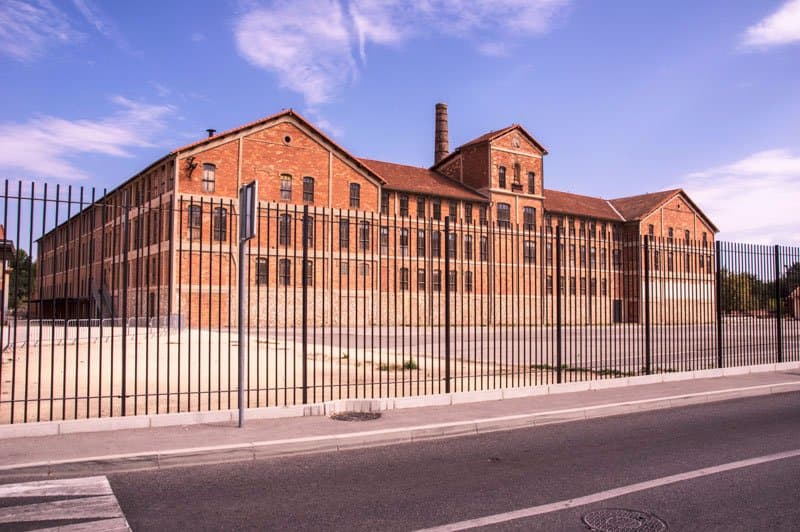
Camp des Milles Memorial
A poignant memorial and museum at a former WWII internment camp, offering profound lessons on history and genocide prevention.

Highlights
Must-see attractions
Social
From TikTok & Reddit
Best Time
Fewer visitors, more reflection
Camp des Milles Memorial
Best Time
Fewer visitors, more reflection
Highlights
Must-see attractions
A poignant memorial and museum at a former WWII internment camp, offering profound lessons on history and genocide prevention.
"A heavy and impressive place with a unique approach to history, impact, and reflection."
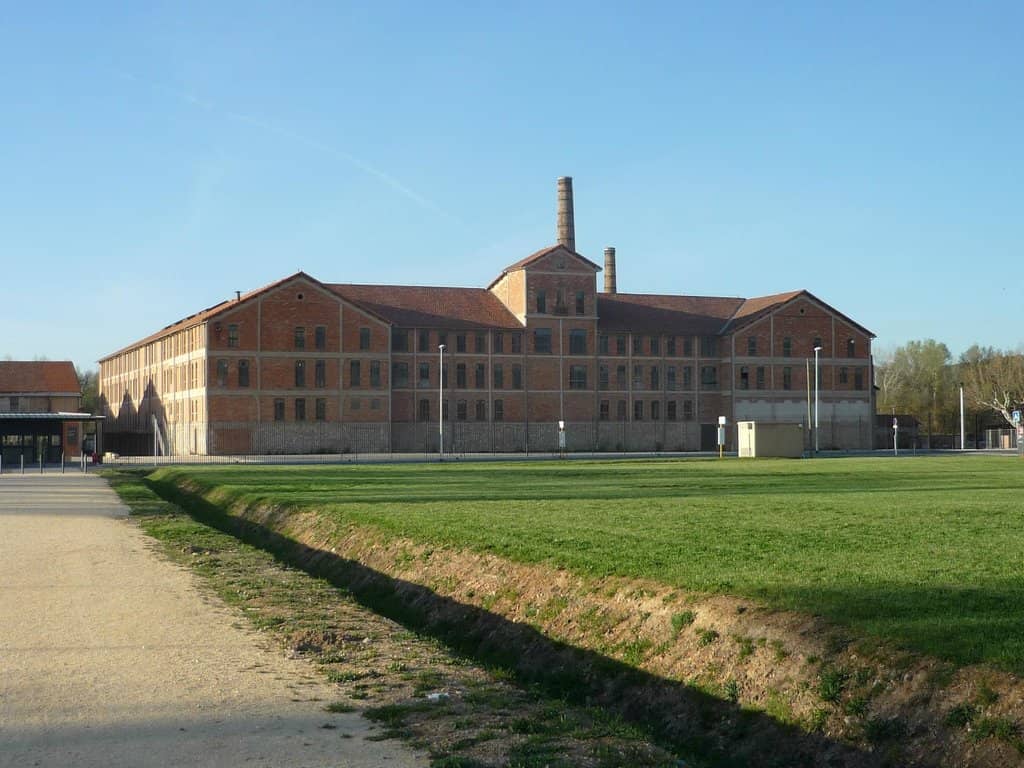
Ring the Bell to Enter
The entrance might seem closed. Ring the bell at security control to be let in. :bell:
Allow Ample Time
Plan for 2-3 hours for self-guided visits, or 2 hours for guided tours. :clock:
Highlights
Discover the most iconic attractions and experiences
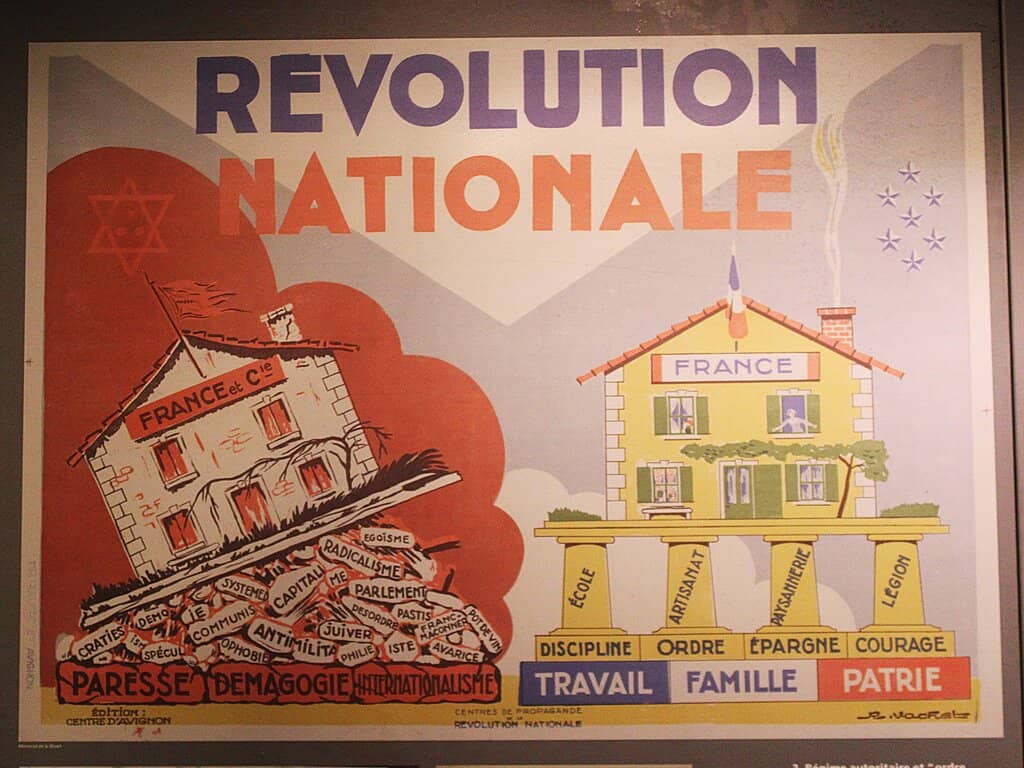
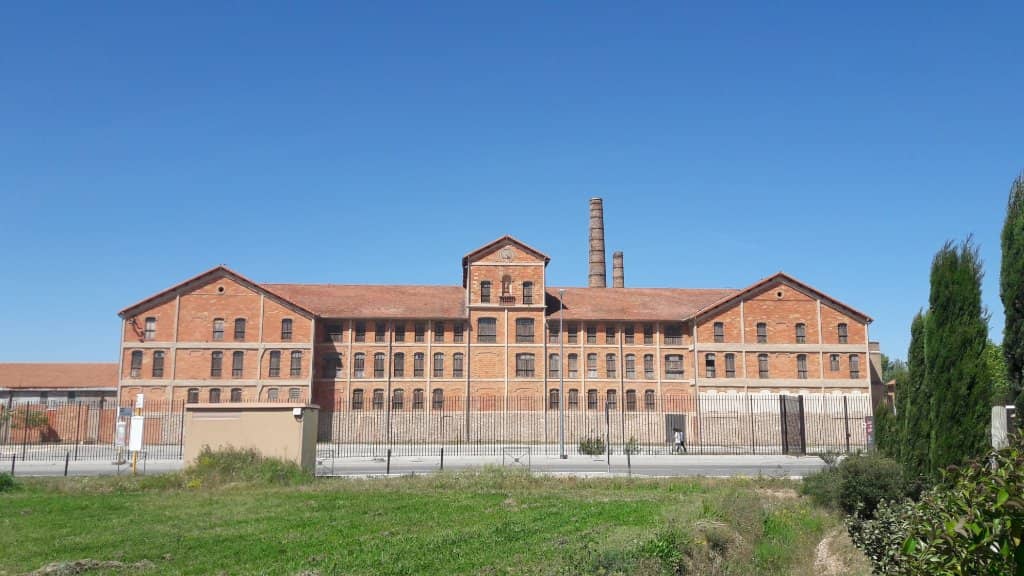
Original Detention Camp Buildings
The main museum area
Walk through the authentic structures where internees lived, offering a stark glimpse into their harsh reality.
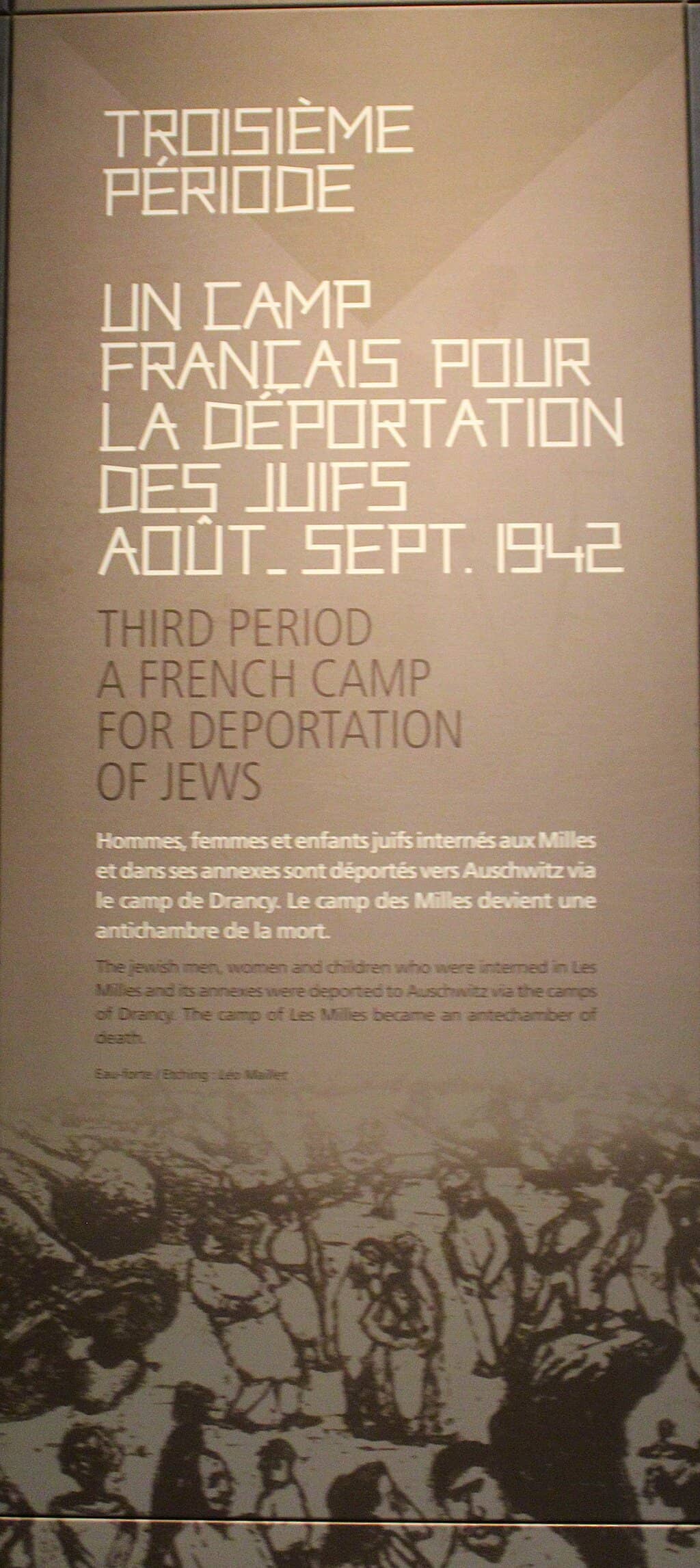
Guided Educational Tours
Meeting point for tours
Gain in-depth understanding of the camp's history, impact, and lessons for the future from knowledgeable guides.
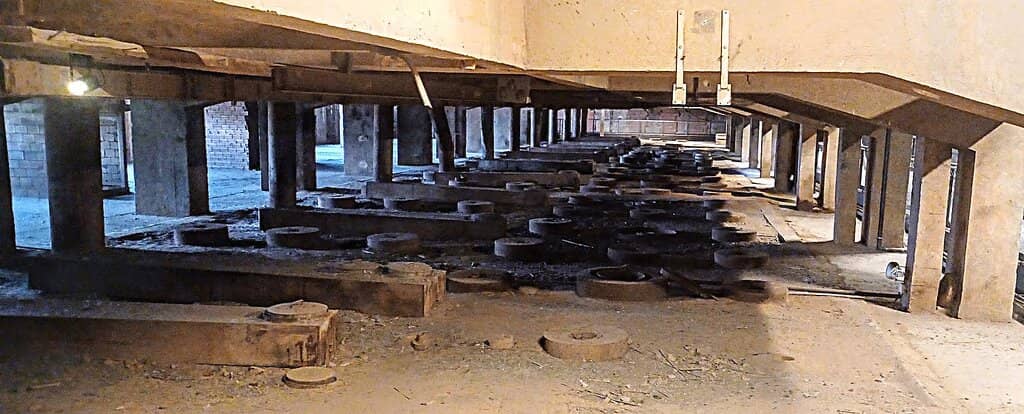
Exhibitions on Genocide Prevention
Newer sections of the museum
Explore modern exhibits detailing the phases of genocide and the importance of resistance and vigilance.
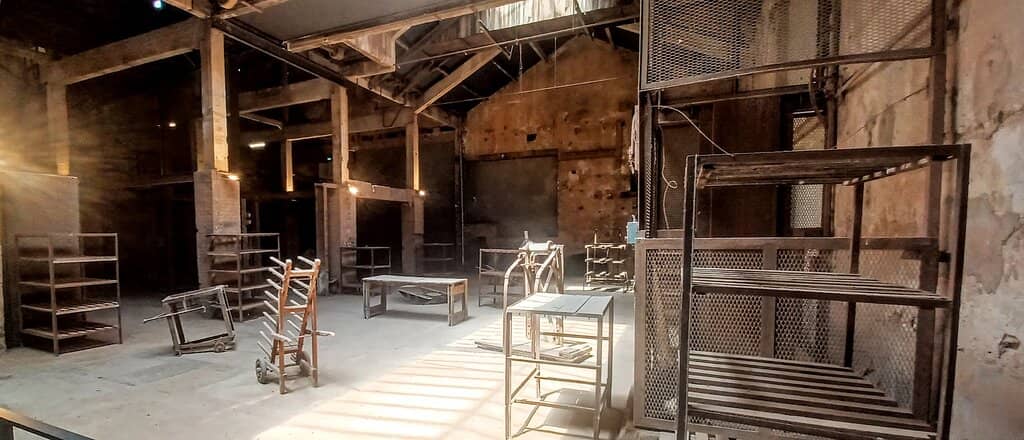
The Train Car Memorial
Outside the main site
A poignant reminder of the deportations, this preserved train car stands as a testament to the victims' fate.
Plans like a pro.
Thinks like you
Planning Your Visit
Plan Your Visit to Camp des Milles
Understanding the Experience
Best Times
Insider Tips
from TikTok, Instagram & Reddit
Ring the Bell to Enter
The entrance might seem closed. Ring the bell at security control to be let in. :bell:
Allow Ample Time
Plan for 2-3 hours for self-guided visits, or 2 hours for guided tours. :clock:
Bilingual Exhibits
Most displays are in French and English, making it accessible for international visitors. :flag_fr:
Consider the Guided Tour
Guides offer deep insights into the history and its relevance today. :teacher:
Tips
from all over the internet
Ring the Bell to Enter
The entrance might seem closed. Ring the bell at security control to be let in. :bell:
Allow Ample Time
Plan for 2-3 hours for self-guided visits, or 2 hours for guided tours. :clock:
Bilingual Exhibits
Most displays are in French and English, making it accessible for international visitors. :flag_fr:
Consider the Guided Tour
Guides offer deep insights into the history and its relevance today. :teacher:
A Heavy but Important Visit
Be prepared for an emotional and educational experience. :heart:
What Travellers Say
Reviews Summary
Camp des Milles is widely praised as a deeply moving and educational memorial. Visitors highlight its unique approach to understanding genocide, the authentic setting within original detention buildings, and the bilingual exhibits. While the subject matter is heavy, the site is considered essential for historical learning and reflection.
"Such a heavy and impressive place.
Their unique approach in three steps makes it a complete visit with history, impact and reflection on the war, it's aftermath and the understanding of how it happened and how it could be prevented in the future.
They offer a 2h guided tour but if you go on your own, you might need 3h to thoroughly experience the whole place, filled with small details, proof of the people who were once between these walls."
Pierre-Olivier Lebreton
"I visited there on September 1st, 2024. During a weekend of the summer school break there are very few visitors. I believe that it is only because only a few people know about it. It deserves much more attention. I have been to multiple Holocaust museums around the world and this stands right at the top alongside ones like the ones in Los Angeles and in Washington DC. It requires half a day for a visit, or at least a couple hours in a rush.
The museum is truly amazing! I took the self audio guide. This is a fully modern museum, with many audio-visual displays, movie rooms with panoramic screens etc - hosted in the original detention camp building. This combination gives the visitor a unique authentic experience alongside the rich educational content. Most of the wall displays were in both French and English (except of the last, new section about the common phases of genocides). The modern rooms contain a detailed chronological account of the major European events leading to the Holocaust; the personal stories of men and women detained here, including poets, artists and scientists; the history of the camp itself within the context of France during WWII, before and after the arrival of the Nazi. The rest of the building is accessible via doors and passages, revealing the original structure and the harsh conditions the inmates were held here - until most of them were sent on trains to Auschwitz to their death. Outside, across the road, there is one car of such a train, at a memorial site.
Note: The museum entrance might look like it is closed. You need to approach the security control building and ring the bell to be let in."
A. Amir
"Definitely worth a visit, especially on a hot summer day.
It is a fascinating place to see how history touched this small area. You are able to tour through the entire tile factory with plenty of information about France's role in the war. I particularly loved how blunt they were about the French government not helping.
You will go through a well organised path and tour of the factory."
Dylan Filkins
What People Like
What People Dislike
Frequently Asked Questions
🚇 🗺️ Getting There
Camp des Milles is located in Les Milles, a short distance from Aix-en-Provence. You can reach it by car, taxi, or potentially local bus services. Many visitors opt for a car for convenience, especially if exploring other areas of Provence. +1
Yes, there is typically parking available for visitors at the memorial site. It's advisable to check their official website for the most up-to-date information on parking facilities and any associated fees. :car:
Absolutely! Camp des Milles is a feasible day trip from Marseille, as it's located between Aix-en-Provence and Marseille. The journey by car is relatively short, making it an accessible historical site to visit. :train:
Opening hours can vary seasonally. It's best to check the official Camp des Milles website for the most current operating times before your visit to avoid disappointment. :calendar:
While direct public transport might be limited, you can often reach the vicinity via bus from Aix-en-Provence and then potentially take a short taxi ride. Researching local bus routes is recommended. :bus:
🎫 🎫 Tickets & Entry
Admission fees can vary, and it's recommended to check the official Camp des Milles website for the latest pricing. Guided tours may have a separate fee or be included in a combined ticket. :euro:
While not always mandatory, booking tickets in advance, especially for guided tours, is highly recommended, particularly during peak season or weekends, to secure your spot. :ticket:
Discounts may be available for students, seniors, or groups. Check the official website or inquire directly with the site for any concessionary rates. :moneywithwings:
The site has security measures in place, reflecting its importance. Visitors are advised to approach the security control building and ring the bell to gain entry. :lock:
Yes, you can visit independently and explore the site at your own pace. An audio guide is often available for self-guided tours, providing detailed information. :headphones:
🎫 🧭 Onsite Experience
A thorough visit, whether self-guided or with a tour, typically requires 2-3 hours. To truly absorb the exhibits and historical context, allocate at least half a day if possible. :stopwatch:
While educational, the subject matter is sensitive. It's best suited for older children and teenagers who can understand and process the historical context of the Holocaust and internment camps. :child:
Most of the wall displays are presented in both French and English, making the content accessible to a wider international audience. Newer sections might have limited English translations. :speech_balloon:
The guided tours are approximately 2 hours long and offer a comprehensive overview of the camp's history, the lives of the internees, and the broader context of WWII. :walking:
Photography policies can vary. It's generally advisable to check for signage or ask staff regarding restrictions on photography, especially inside exhibition spaces. :camerawithflash:
🍽️ 🍽️ Food & Dining
Typically, there are no extensive dining facilities within the memorial itself. Visitors are advised to plan for meals before or after their visit in Aix-en-Provence or nearby towns. :forkandknife:
Picnicking might be restricted within the memorial grounds. It's best to consume food and beverages in designated areas outside the main exhibition spaces, if available. :apple:
The nearby town of Aix-en-Provence offers a wide array of restaurants, from casual bistros to fine dining. Les Milles also has local eateries. :restaurant:
Some memorial sites may have a small cafe or vending machines for light refreshments. It's advisable to check the official website for current amenities. :coffee:
The region is known for Provençal cuisine, featuring fresh ingredients like olive oil, herbs, vegetables, and seafood. Look for dishes like ratatouille, bouillabaisse, and tapenade. :bread:
📸 📸 Photography
Photography rules can be strict in historical and memorial sites. Always look for signage or ask staff about where and if photography is permitted, especially inside the museum. :camera:
The exterior of the original buildings, the train car memorial, and the surrounding grounds can offer poignant photographic opportunities. Focus on capturing the atmosphere and historical significance. :building_gingerbread:
Drone usage is almost certainly prohibited at historical and memorial sites due to privacy, security, and preservation concerns. Always adhere to local regulations. :noentrysign:
A versatile camera with good low-light performance is ideal for interior shots. For exteriors, a standard lens or wide-angle can capture the scale of the site. :dslr:
Flash photography is generally prohibited inside museums and historical sites to protect artifacts and exhibits. Always turn off your flash. :no_flash:
For Different Travelers
Tailored advice for your travel style
👨👩👧 Families with Older Children
While the subject matter is sensitive, the site's emphasis on understanding how genocides happen and the importance of resistance can be a valuable lesson. Encourage open discussion about what you see and learn. The guided tours can provide a structured way for younger minds to engage with the material.
📚 History Enthusiasts & Students
The museum's focus on genocide prevention and the stories of resistance offers valuable insights for academic study and personal reflection. The availability of bilingual exhibits and the option for in-depth guided tours make it an excellent resource for research and learning.
🚶 Solo Travelers & Reflective Visitors
Many visitors appreciate the quiet and less crowded nature of the site, especially on weekdays, which enhances the introspective experience. The message of individual responsibility and resistance resonates strongly in a solo visit, encouraging personal takeaways about vigilance and action.
Deep Dives
In-depth insights and expert knowledge
The History of Camp des Milles
The museum's approach is unique, focusing on three key steps: understanding how such events happen, recognizing the impact on victims, and reflecting on how to prevent future genocides. This educational framework aims to foster critical thinking and a sense of responsibility. The exhibits meticulously detail the chronological events leading to the Holocaust, the personal stories of those interned, and the camp's specific history within the context of wartime France.
Visitors often remark on the authenticity of the experience, as the museum is housed within the original detention buildings. This allows for a visceral connection to the past, complemented by modern audio-visual displays and panoramic screens. The combination of historical architecture and contemporary presentation makes Camp des Milles a powerful and deeply moving educational destination.
Experiencing the Memorial Site
The museum itself is modern, featuring numerous audio-visual displays and movie rooms within the original camp structure. This blend of the authentic and the contemporary creates a unique and immersive experience. The exhibits cover the personal stories of internees, including artists and scientists, and the history of the camp in the context of WWII.
Beyond the main museum, the memorial site includes an outdoor area with a preserved train car, a stark symbol of the deportations. The security at the entrance itself is a testament to the site's importance. Visitors are encouraged to reflect on the message that 'everyone can react, everyone can resist, everyone in their own way,' highlighting the importance of individual action against injustice.
Visiting Camp des Milles in Different Seasons
During the shoulder seasons, like spring or fall, the weather is generally more pleasant for exploring the outdoor elements of the memorial, such as the train car. Weekends during school breaks, even in summer, might see fewer visitors than expected, suggesting that the site is perhaps less widely known than its importance warrants.
Regardless of the season, planning your visit during weekdays can help avoid potential crowds and allow for a more contemplative experience. The emotional weight of the site means that a less crowded environment can enhance the sense of personal reflection and connection to the history.

Social
from TikTok, Instagram & Reddit