Tomb of Ramesses IV KV2
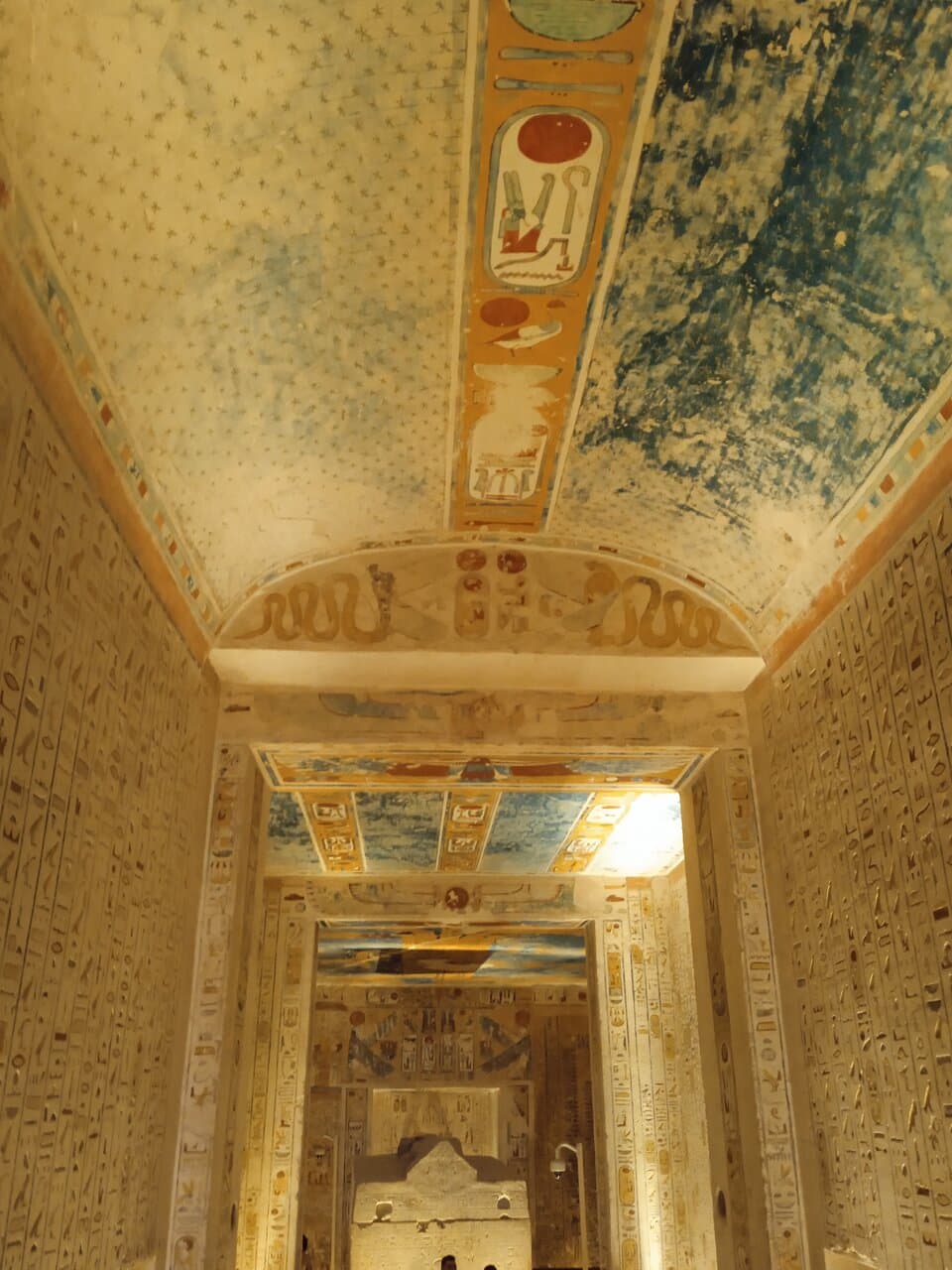
Discover KV2, the Tomb of Ramesses IV, a masterpiece of New Kingdom art with stunning astronomical ceilings and vibrant, well-preserved decorations.
Highlights
Must-see attractions

Social
From TikTok & Reddit
Best Time
Avoid heat & crowds
Tomb of Ramesses IV KV2
Best Time
Avoid heat & crowds
Highlights
Must-see attractions
Discover KV2, the Tomb of Ramesses IV, a masterpiece of New Kingdom art with stunning astronomical ceilings and vibrant, well-preserved decorations.
"An incredible place, so well preserved and beautiful. Definitely a must visit."
🎯 Arrive Early for Best Experience
Visit first thing to beat the heat and crowds. It's often the first tomb on many itineraries!
📸 Photography is Allowed
Mobile phone photography is permitted, so capture those stunning ceiling paintings!
Quick Facts
Hours
Rating
4.8 · 352 reviews
Type
Historical Landmark
Highlights
Discover the most iconic attractions and experiences
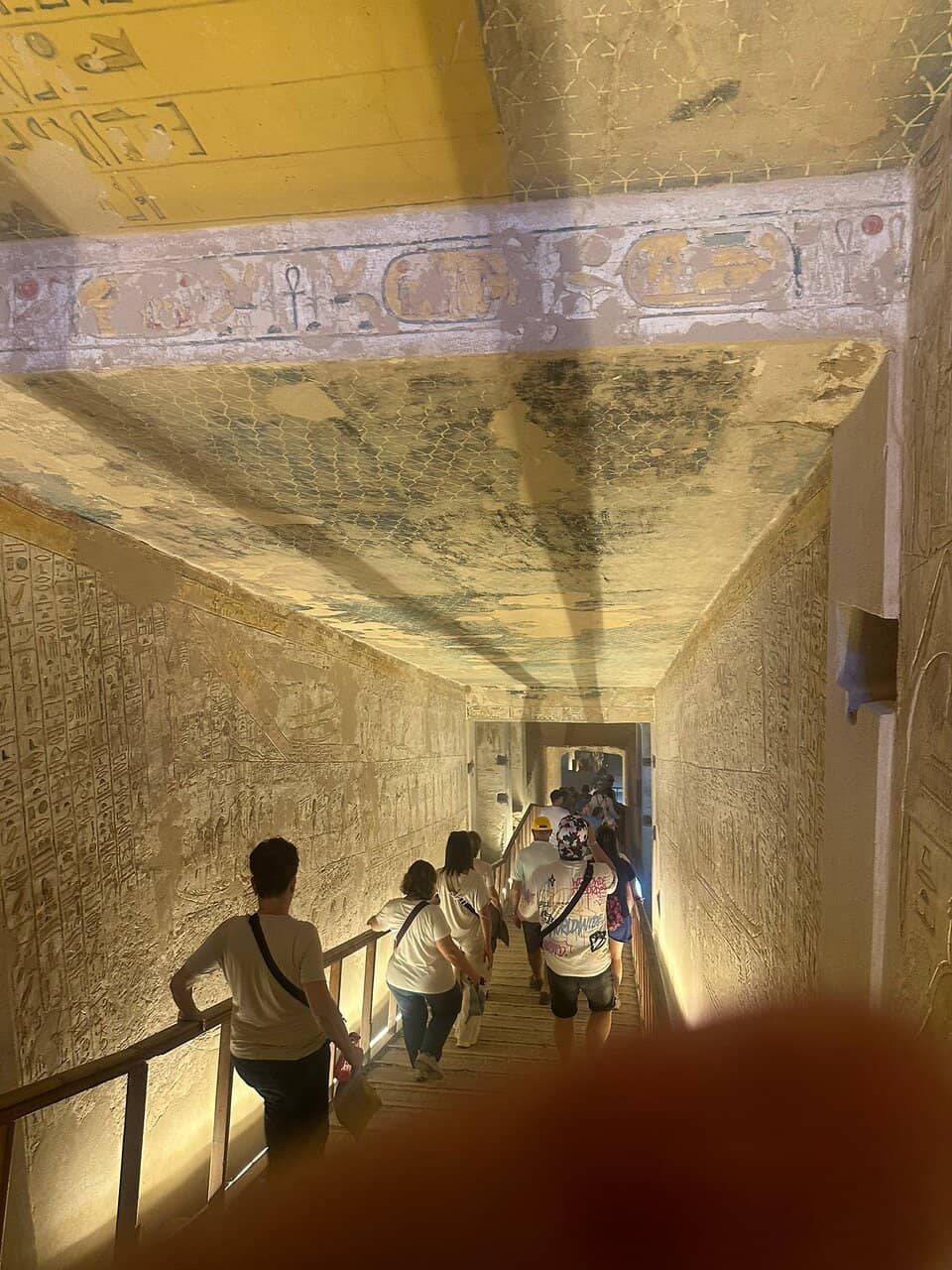
Vibrant Astronomical Ceilings
Burial Chamber
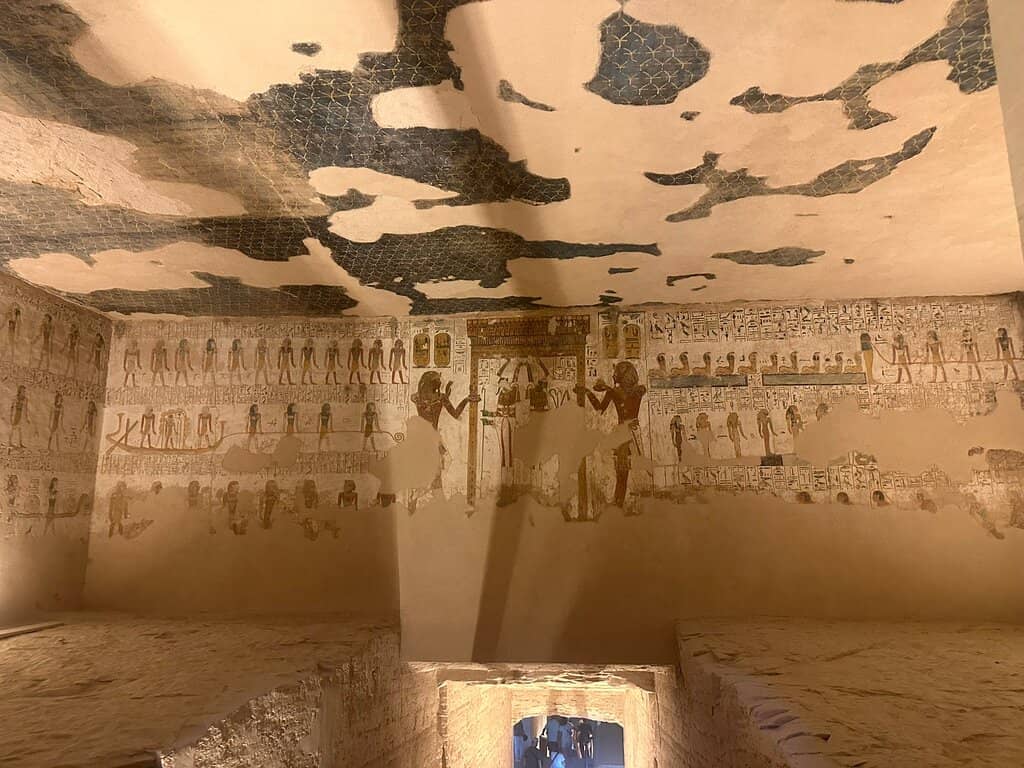
Marvel at the stunning painted ceilings depicting constellations and sky deities, transforming the chamber into a celestial vision.
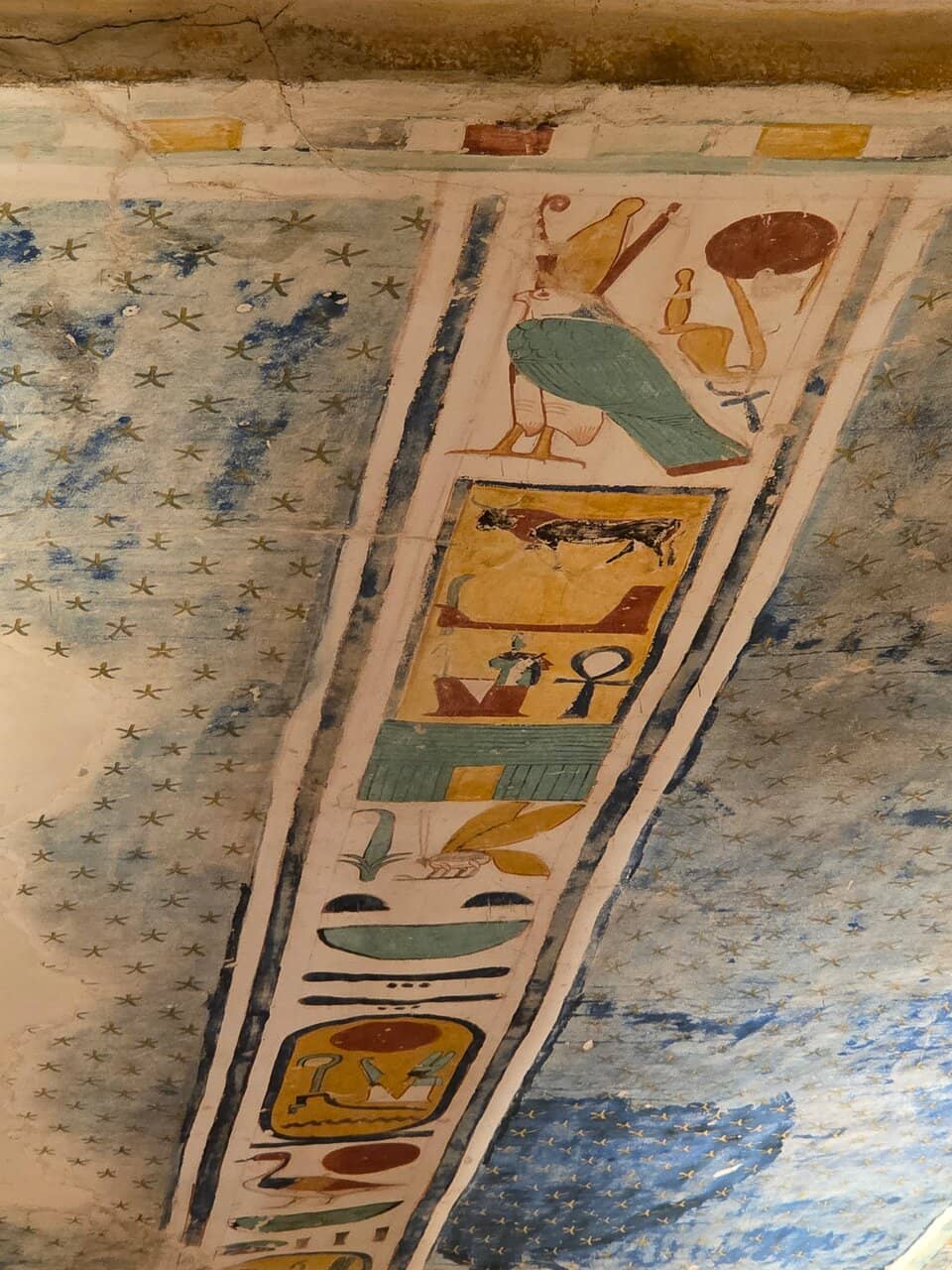
Well-Preserved Wall Decorations
Corridors and Chambers
Admire the vivid colors and intricate scenes from funerary texts like the Book of Gates and Book of Caverns.
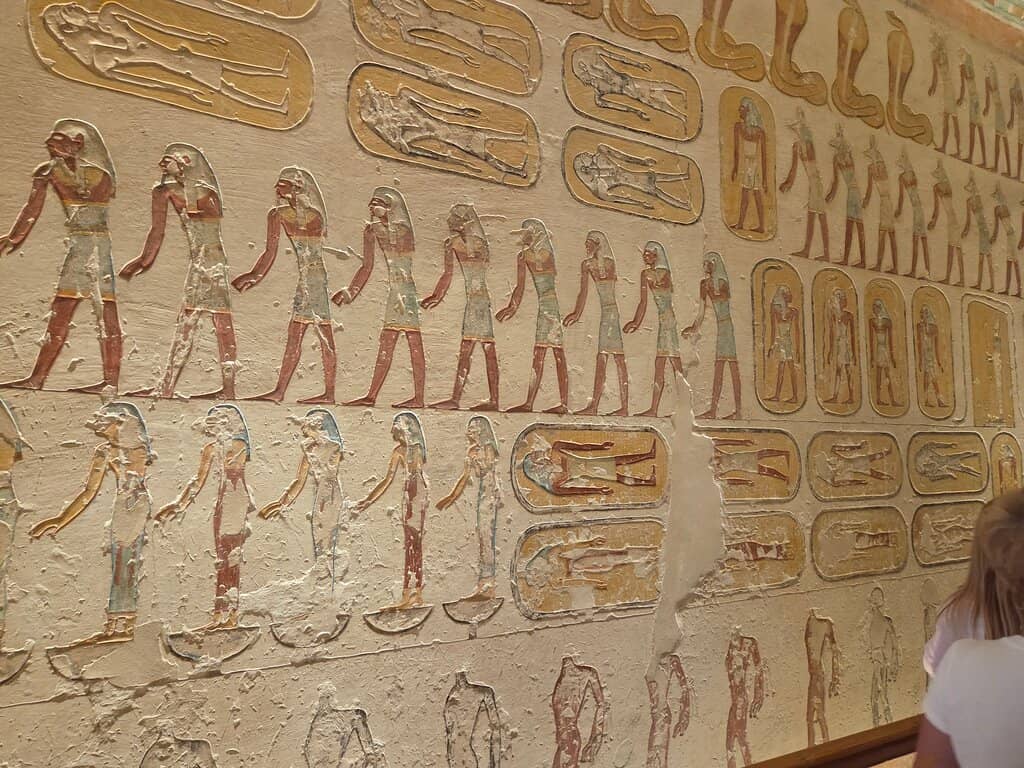
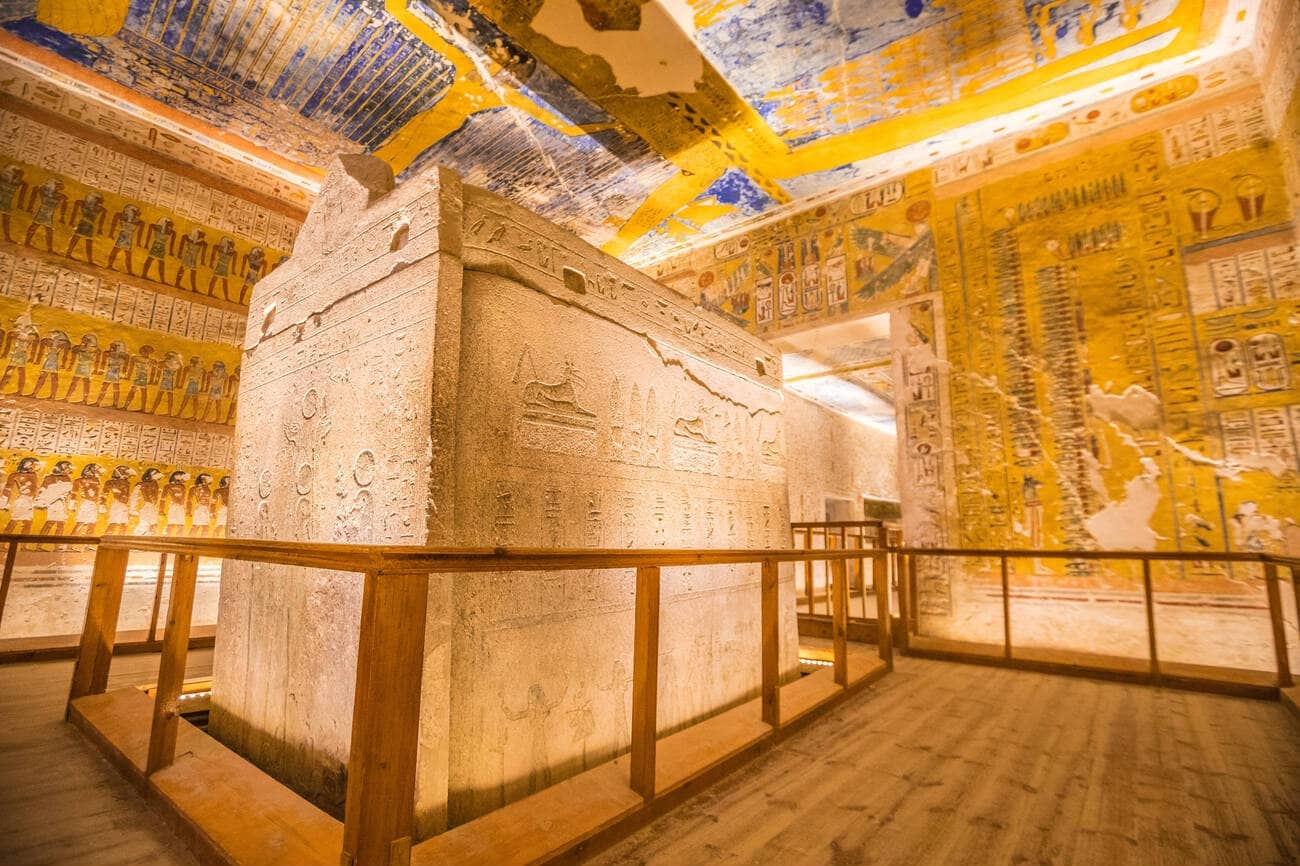
Massive Granite Sarcophagus
Burial Chamber
See the imposing, though now broken, granite sarcophagus that once housed Pharaoh Ramesses IV.
Plans like a pro.
Thinks like you
Planning Your Visit
Beat the Heat and Crowds
Ticket Inclusions and Extras
Best Times
Insider Tips
from TikTok, Instagram & Reddit
🎯 Arrive Early for Best Experience
Visit first thing to beat the heat and crowds. It's often the first tomb on many itineraries! +1
📸 Photography is Allowed
Mobile phone photography is permitted, so capture those stunning ceiling paintings!
💧 Stay Hydrated
The Valley of the Kings gets extremely hot, especially in summer. Carry plenty of water.
💰 Be Wary of Tip Requests
Locals may aggressively ask for tips for photos or 'extra' views. Be firm if you're not interested.
Tips
from all over the internet
🎯 Arrive Early for Best Experience
Visit first thing to beat the heat and crowds. It's often the first tomb on many itineraries! +1
📸 Photography is Allowed
Mobile phone photography is permitted, so capture those stunning ceiling paintings!
💧 Stay Hydrated
The Valley of the Kings gets extremely hot, especially in summer. Carry plenty of water.
💰 Be Wary of Tip Requests
Locals may aggressively ask for tips for photos or 'extra' views. Be firm if you're not interested.
🚶♂️ Easy to Navigate
Its straight corridors make it one of the easiest tombs to explore, even with limited time.
What Travellers Say
Reviews Summary
Visitors consistently praise the Tomb of Ramesses IV (KV2) for its exceptional preservation, vibrant colors, and accessible layout. Many highlight the stunning astronomical ceilings and well-preserved wall art as major draws. Its convenient location near the entrance and inclusion in the general ticket make it a highly recommended and worthwhile visit, though some caution against aggressive tip-seeking locals.
"An incredible place, so well preserved and beautiful. I visited in a hot July morning. They control the number of visitors inside the tomb, so it wasn’t crowded and I could really marvel at this wonder. When you reach the chamber, you will see a beautiful painting of god Nut on the ceiling. Reaching from one end of the ceiling all the way to the other end, it’s hard to believe that the ancient Egyptians painted it 3500 years ago. Definitely a must visit."
HJLee
"The Tomb of Ramses IV (KV2) is one of the most frequently visited monuments in the Valley of the Kings, owing to its location close to the entrance and its inclusion in the standard admission ticket. Ramses IV, the third pharaoh of the 20th Dynasty, ruled for a relatively short period between 1155 and 1149 BC. Though his reign was overshadowed by political challenges and economic decline in the late New Kingdom, he sought to continue the grandeur of his father Ramses III through ambitious expeditions and building projects. His tomb, however, stands as his most enduring legacy—a remarkable fusion of accessibility, artistry, and spirituality.
Unlike the complex, labyrinthine structures of earlier rulers, KV2 follows a simple rectilinear axis that leads visitors directly through wide corridors into the burial chamber. The walls are adorned with some of the most important funerary compositions of the New Kingdom, including the Book of Gates, the Book of Caverns, the Litany of Re, and the Amduat, each intended to guide the king safely through the afterlife. The ceilings are particularly striking, painted with astronomical scenes of constellations and sky deities that transform the chamber into a vision of the heavens. At the heart of the burial chamber lies the massive granite sarcophagus, now broken, yet still an imposing reminder of the pharaoh’s presence.
What makes the experience unique is not only the art but also its accessibility. Because the tomb is so close to the entrance and included in the general Valley of the Kings ticket, it is often one of the first visited by travelers and can be crowded throughout the day. Its straight, spacious passageways make it among the easiest tombs to explore, even for those with limited time or mobility. Photography with mobile phones is permitted, allowing visitors to capture the vivid astronomical ceilings and intricate wall scenes.
To step inside KV2 is to step into a world where earth and sky merge. While it may lack the depth and mystery of more elaborate tombs, it offers a clear and powerful glimpse into the beliefs of the New Kingdom. The Tomb of Ramses IV is not just convenient—it is a defining memory of the Valley of the Kings, where visitors are welcomed into a painted universe of gods, stars, and eternal life."
Mahmoud Abdelfattah
"Probably our favourite, very well preserved, colours are so beautiful and it is close to the entrance!
Be warned, are locals near the end who will encourage you to pose for a certain photo or offer to take a photo of the closed off section of the tomb for you and then aggressively ask for tips."
Erica Mo
What People Like
What People Dislike
Frequently Asked Questions
🚇 🗺️ Getting There
The Tomb of Ramesses IV (KV2) is located in the Valley of the Kings near Luxor, Egypt. It's easily accessible by taxi or tour bus from Luxor city. Many visitors find it convenient as it's one of the first tombs encountered near the entrance.
No, KV2 is conveniently located close to the main entrance of the Valley of the Kings, making it a popular first stop for many visitors. +1
Hiring a local guide or joining a guided tour can enhance your understanding of the history and significance of each tomb, including KV2. Taxis are also a common option for independent exploration.
While walking is common between tombs, there are often small electric carts available for hire to cover longer distances within the Valley of the Kings, which can be helpful in the heat.
The journey from Luxor city to the Valley of the Kings typically takes about 30-45 minutes by car or taxi, depending on traffic.
🎫 🎫 Tickets & Entry
Yes, the Tomb of Ramesses IV (KV2) is generally included in the standard admission ticket for the Valley of the Kings, making it a cost-effective visit. +1
Typically, no. KV2 is usually covered by the general Valley of the Kings entrance fee. However, it's always best to confirm current ticketing policies upon arrival.
The Valley of the Kings, including KV2, is generally open from early morning until late afternoon. Specific hours can vary seasonally, so it's advisable to check locally.
The number of visitors inside the tomb is often controlled to preserve the site, which can mean a short wait but ensures a less crowded experience.
While some tours offer online booking, tickets for the Valley of the Kings are typically purchased on-site. It's recommended to arrive early to purchase tickets and avoid queues.
🎫 🏛️ Onsite Experience
KV2 is renowned for its well-preserved, vibrant wall decorations and astronomical ceilings, offering a clear glimpse into New Kingdom funerary beliefs and art. Its accessibility also makes it a standout. +1
Yes, photography with mobile phones is permitted inside KV2, allowing you to capture the detailed hieroglyphs and stunning ceiling art.
A visit to KV2 typically takes about 15-30 minutes, depending on how much time you spend admiring the details and any potential waiting time.
It can be crowded, especially during peak hours, as it's included in the general ticket and located near the entrance. Visiting early or late can help avoid the largest groups.
KV2 features important funerary compositions like the Book of Gates, Book of Caverns, Litany of Re, and the Amduat, all designed to guide the pharaoh through the afterlife. 
📸 📸 Photography
Yes, photography with mobile phones is permitted inside KV2. This allows visitors to capture the vibrant colors and intricate details of the tomb's decorations.
Focus on the beautifully preserved astronomical scenes on the ceilings and the detailed hieroglyphic inscriptions on the walls, especially those from the Book of Gates and Book of Caverns.
While mobile phone photography is allowed, professional cameras or tripods might require special permits. Always be respectful of the site and other visitors.
The tomb is generally lit by artificial lighting, which is sufficient for photography. However, the natural light from the entrance can also create interesting effects.
A wide-angle lens can be helpful for capturing the expansive ceiling art and the full scope of the corridors, but a standard smartphone camera is usually adequate.


Social
from TikTok, Instagram & Reddit