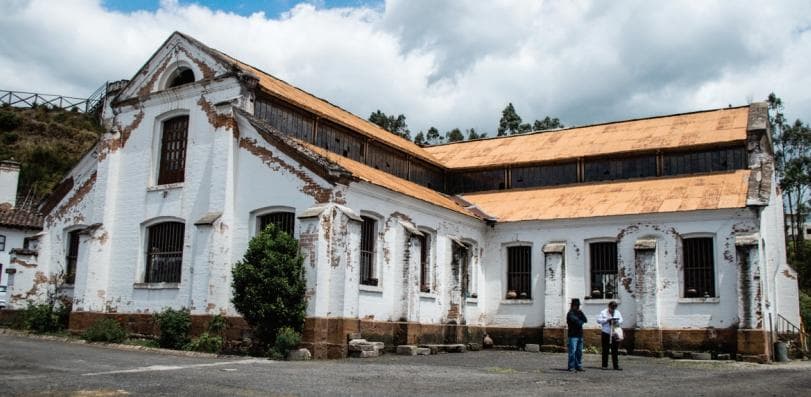
Museo Viviente Otavalango
A living museum in a historic textile factory, showcasing Kichwa culture, traditions, and the legacy of indigenous labor.
Highlights
Must-see attractions

Social
From TikTok & Reddit
Best Time
Fewer crowds, more personal experience
Museo Viviente Otavalango
Best Time
Fewer crowds, more personal experience
Highlights
Must-see attractions
A living museum in a historic textile factory, showcasing Kichwa culture, traditions, and the legacy of indigenous labor.
"Incredible place. What the family is doing here to support their culture and heritage is nothing short of amazing."
🎯 Engage with a Guide
Opt for a guided tour to truly understand the depth of history and culture. Bilingual guides are available!
🚶 Walk or Taxi
It's a 2km walk from Otavalo center, or a short taxi ride for about $1.25.
Highlights
Discover the most iconic attractions and experiences
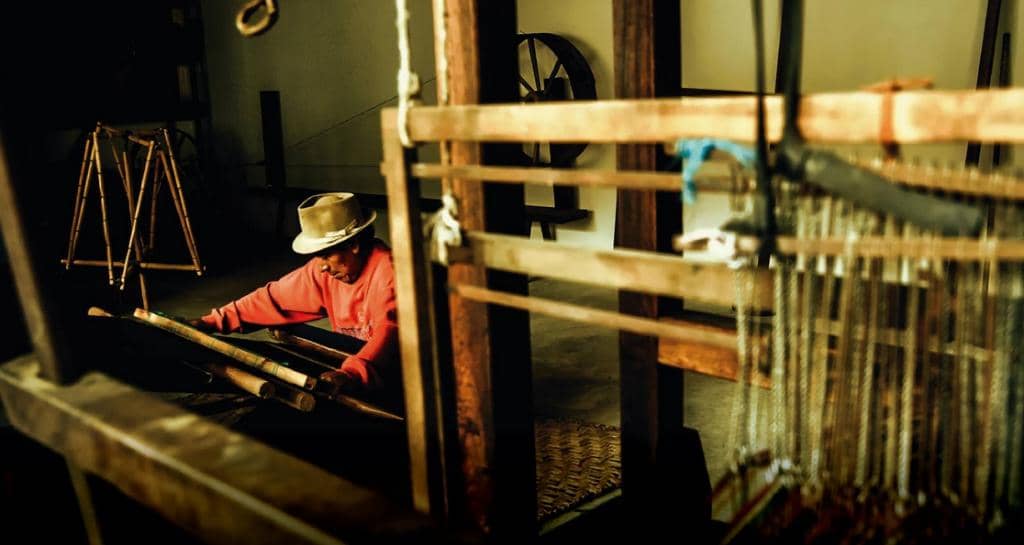
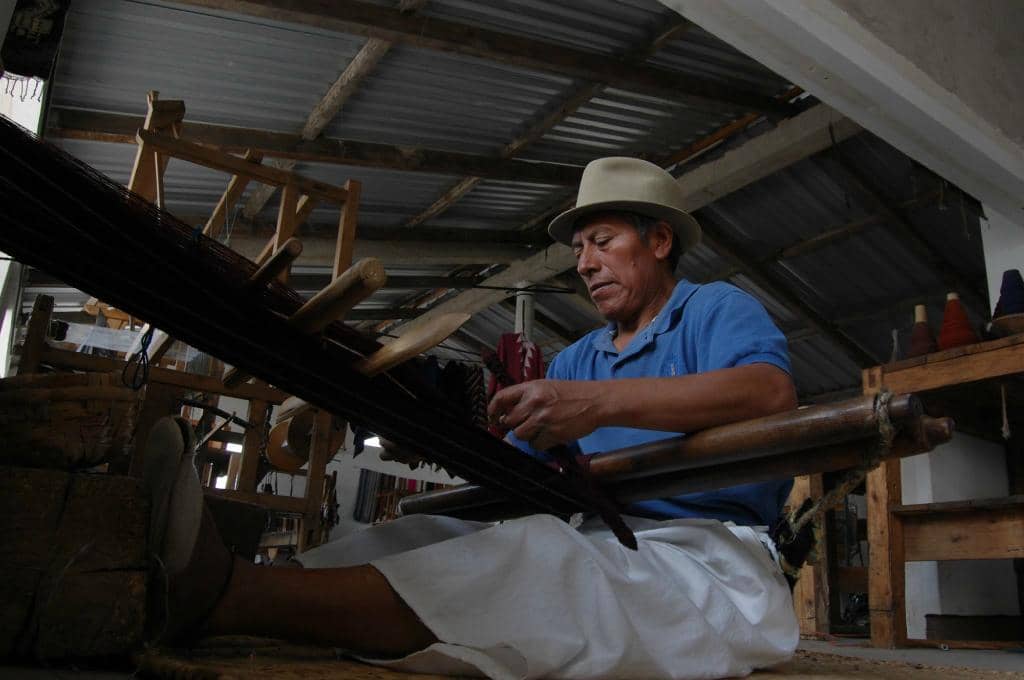
Textile Heritage
Former San Pedro Factory
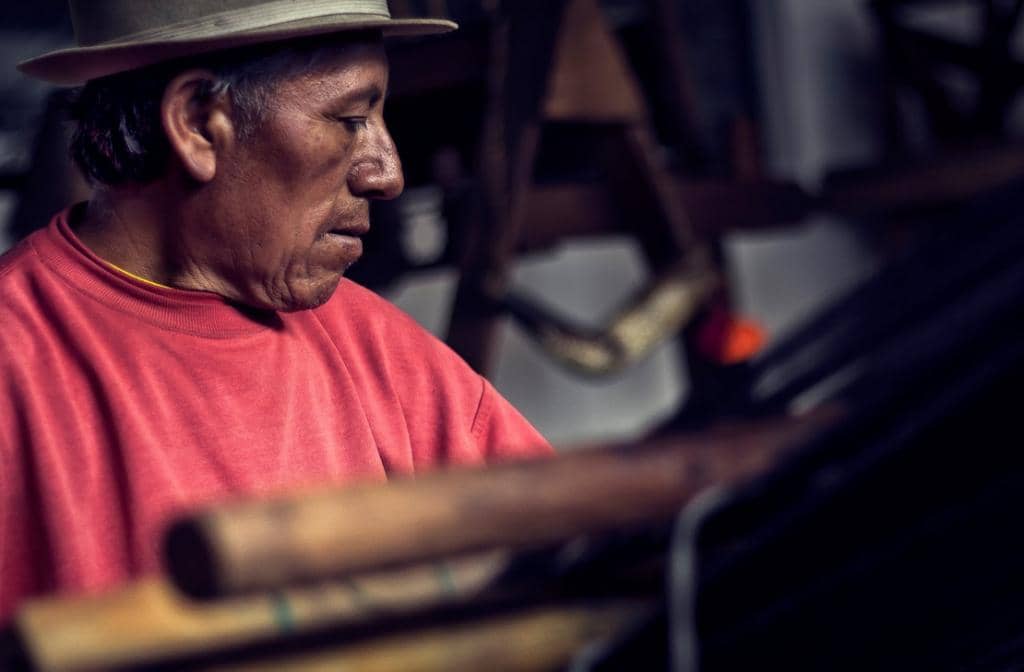
Explore the history of textile weaving and its significance to the Kichwa community. Witness traditional techniques and learn about the industry's evolution.
Indigenous Spirituality
Gain insights into the spiritual beliefs and practices of the Kichwa people, understanding their connection to the land and ancestral traditions.
Community Storytelling
Hear the stories of the local community, their history of labor, and their ongoing efforts to preserve their cultural identity.
Plans like a pro.
Thinks like you
Planning Your Visit
Immerse Yourself in Kichwa Culture
Plan Your Visit to the Former San Pedro Factory
Best Times
Insider Tips
from TikTok, Instagram & Reddit
🎯 Engage with a Guide
Opt for a guided tour to truly understand the depth of history and culture. Bilingual guides are available!
🚶 Walk or Taxi
It's a 2km walk from Otavalo center, or a short taxi ride for about $1.25.
💰 Affordable Entry
The entrance fee is a reasonable $5 per person, offering great value for the experience.
🛍️ Support Local Artisans
Purchase high-quality gifts directly from local artisans to support their craft and heritage.
Tips
from all over the internet
🎯 Engage with a Guide
Opt for a guided tour to truly understand the depth of history and culture. Bilingual guides are available!
🚶 Walk or Taxi
It's a 2km walk from Otavalo center, or a short taxi ride for about $1.25.
💰 Affordable Entry
The entrance fee is a reasonable $5 per person, offering great value for the experience.
🛍️ Support Local Artisans
Purchase high-quality gifts directly from local artisans to support their craft and heritage.
🎶 Special Events
Check for special events like immersive sound experiences or musical performances. 
What Travellers Say
Reviews Summary
Visitors consistently praise Museo Viviente Otavalango for its authentic portrayal of Kichwa culture and the history of the textile industry. Many highlight the value of a guided tour for a deeper understanding and appreciate the community's dedication to preserving their heritage. It's recommended for those seeking genuine cultural insights beyond typical tourist markets.
"This museum is amazing. They have a wealth of information about the local history, textile weaving and spirituality. Would absolutely recommend for anyone wanting to learn more about the community of Sarance!"
Marleen van Burgsteden
"Such a great experience! You learn so much more about the indigenous culture of the region and Ecuador than anything else I've done or read. Highly recommend!"
Christopher Hart
"The museo del pueblo Kichwa Otavalo is very nice and useful museum where you can learn about history, culture and traditions of indegenous inhabitants of Kichwa. Highly recommended not only to tourists but to ecuadorians as well.
I had a private tour through the museum with a nice lady. The museum is situated in an old hacienda from 19th century and in former textile fabrique next to.
Entrance fee is 5$ per person.
You can take a taxi to get there from the city center for 1.25$ or walk 2km."
Jakub K
What People Like
What People Dislike
Frequently Asked Questions
🚇 🗺️ Getting There
You can reach the Museo Viviente Otavalango by taking a pleasant 2km walk from the center of Otavalo, or opt for a quick taxi ride, which typically costs around $1.25.
The museum is located in the former San Pedro factory, a significant historical site in the area. Asking locals for directions to the 'antigua fábrica San Pedro' should lead you there.
While specific parking details aren't widely advertised, driving is an option. Taxis are readily available for a convenient and affordable journey.
Most visitors travel to Otavalo by bus from major cities like Quito or Ibarra. From the Otavalo bus terminal, you can then proceed to the museum via taxi or by walking.
Some tours from Quito might include a stop here, especially those focusing on indigenous culture beyond typical tourist spots. It's worth inquiring with tour operators.
🎫 🎫 Tickets & Entry
The entrance fee is approximately $5 per person, which is considered a great value for the rich cultural experience offered.
Advance booking is generally not required for regular visits. However, for special events or private tours, it's advisable to inquire beforehand.
Opening hours can vary, especially for special events. It's best to check their social media or local listings for the most up-to-date information.
Information on specific group or student discounts is not widely published. It's recommended to contact the museum directly to inquire about potential concessions.
It's advisable to carry cash, as smaller cultural sites may not always have card payment facilities. Confirm payment methods when booking or upon arrival.
🎫 🧭 Onsite Experience
You'll find exhibits on the history of textile weaving, indigenous Kichwa culture, spirituality, and the social history of the former San Pedro factory.
Absolutely! A guided tour, especially with a bilingual guide, greatly enhances the understanding of the exhibits and the community's heritage. +1
Yes, children can learn about Ecuadorian indigenous communities and the textile industry. Making them learn beforehand can enhance their appreciation.
While not explicitly detailed, the 'living museum' aspect suggests opportunities for engagement with cultural practices and stories.
The San Pedro factory has a long history tied to the textile industry and the labor of local families for nearly 200 years, representing a significant part of the community's past.
📸 📸 Photography
Photography policies can vary. It's best to ask for permission before taking pictures, especially of artifacts or during cultural demonstrations.
The historic architecture of the former factory and the vibrant textiles offer great photographic opportunities. Look for details in the weaving and cultural displays.
For events like concerts or performances, photography rules might differ. Always check with the organizers or staff on-site.
Drone usage is generally restricted in cultural heritage sites. It's highly unlikely to be permitted within the museum premises.
Visitors often capture the intricate details of traditional textiles, the historical industrial setting, and moments of cultural expression.
For Different Travelers
Tailored advice for your travel style
👨👩👧 Families with Kids
While it might not be a 'Smithsonian' experience, the museum provides valuable insights into local history and traditions that are often overlooked. The affordable entrance fee and the potential for a guided tour make it an accessible and enriching outing for families interested in cultural immersion.
🎒 Budget Travelers
This museum provides a genuine cultural experience that rivals more expensive attractions, allowing you to learn deeply about the Kichwa community and their textile heritage without breaking the bank. Supporting local artisans by purchasing gifts here is also a great way to contribute directly to the community.
📚 Culture Enthusiasts
The opportunity to learn from a community actively preserving its past, especially within the evocative setting of the former San Pedro factory, provides a unique and deeply rewarding experience. Engaging with a local guide will further enrich your understanding of this significant cultural site.
Deep Dives
In-depth insights and expert knowledge
The Legacy of the San Pedro Factory
Visitors can explore how this space, once a center of production, has been transformed into a place of learning and cultural celebration. The architecture itself tells a story, with remnants of its industrial past providing a stark contrast to the vibrant cultural displays. This juxtaposition is key to understanding the museum's mission: to honor the past while building a future rooted in cultural identity.
The museum's efforts are crucial in preserving the tangible and intangible heritage of the Kichwa-Otavalo people. By situating the museum within the factory, they create an immersive experience that connects visitors directly to the historical context of textile work and community life. It's a testament to the power of adaptive reuse, turning a site of historical labor into a vibrant center for cultural education and appreciation.
Understanding Kichwa Culture and Spirituality
Visitors often express how the museum provides a much deeper understanding of Ecuador's indigenous heritage than other experiences. It's a place where the community actively shares its identity, moving beyond stereotypes to present an authentic portrayal of their way of life. The emphasis is on self-representation and the revitalization of cultural practices, making the experience both educational and inspiring.
The museum's focus on spirituality is particularly impactful, offering insights into beliefs that are intrinsically linked to nature and the cosmos. This aspect of Kichwa culture is vital for understanding their worldview and their enduring connection to their ancestral lands. The 'living museum' concept suggests that these traditions are not just relics of the past but are actively practiced and cherished by the community today.
The Role of Community in Cultural Preservation
Travelers often highlight the incredible work the families are doing to support their culture and heritage, emphasizing that the visit is '1000% worth it.' This dedication is evident in the quality of information provided and the passion with which the stories are shared. The museum serves as a powerful example of how communities can reclaim and celebrate their history in the face of historical exploitation.
The museum also acts as a platform for self-representation, allowing the Kichwa-Otavalo people to tell their own stories and control their narrative. This is crucial for combating historical misrepresentations and for fostering a sense of pride and continuity. The ongoing efforts to revitalize cultural heritage through such initiatives are vital for the future of indigenous communities.
+1
Social
from TikTok, Instagram & Reddit