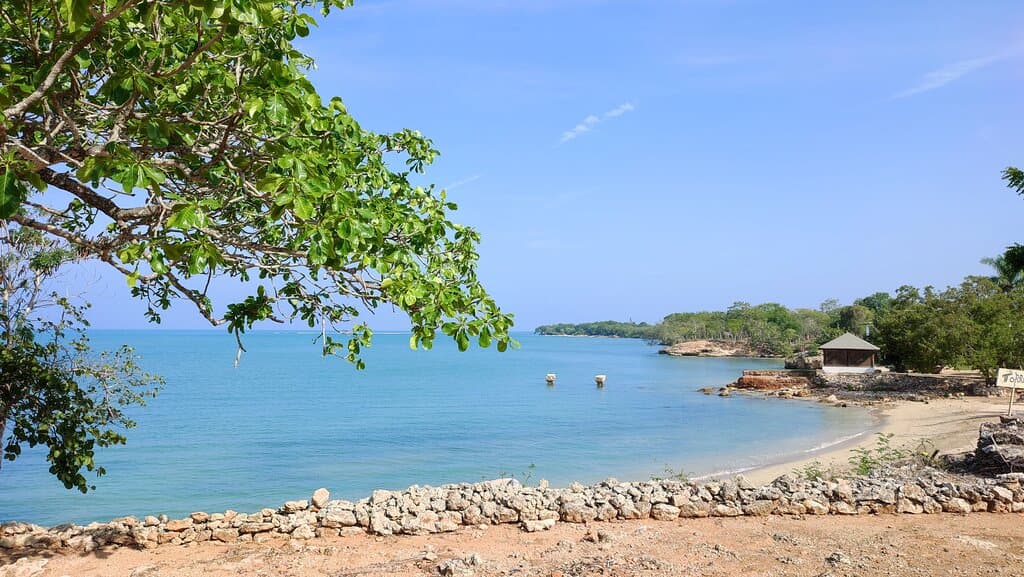
La Isabela Archaeological National Park
Step back in time at the first Spanish settlement in the Americas, founded by Columbus in 1493. Explore ruins and a museum on a scenic coast.

Highlights
Must-see attractions

Social
From TikTok & Reddit
Best Time
Fewer crowds, better guide access
La Isabela Archaeological National Park
Best Time
Fewer crowds, better guide access
Highlights
Must-see attractions
Step back in time at the first Spanish settlement in the Americas, founded by Columbus in 1493. Explore ruins and a museum on a scenic coast.
"A great place to visit for a leisurely walk around the ruins of the first Spanish Settlement in the Caribbean."
🎯 Hire a Local Guide
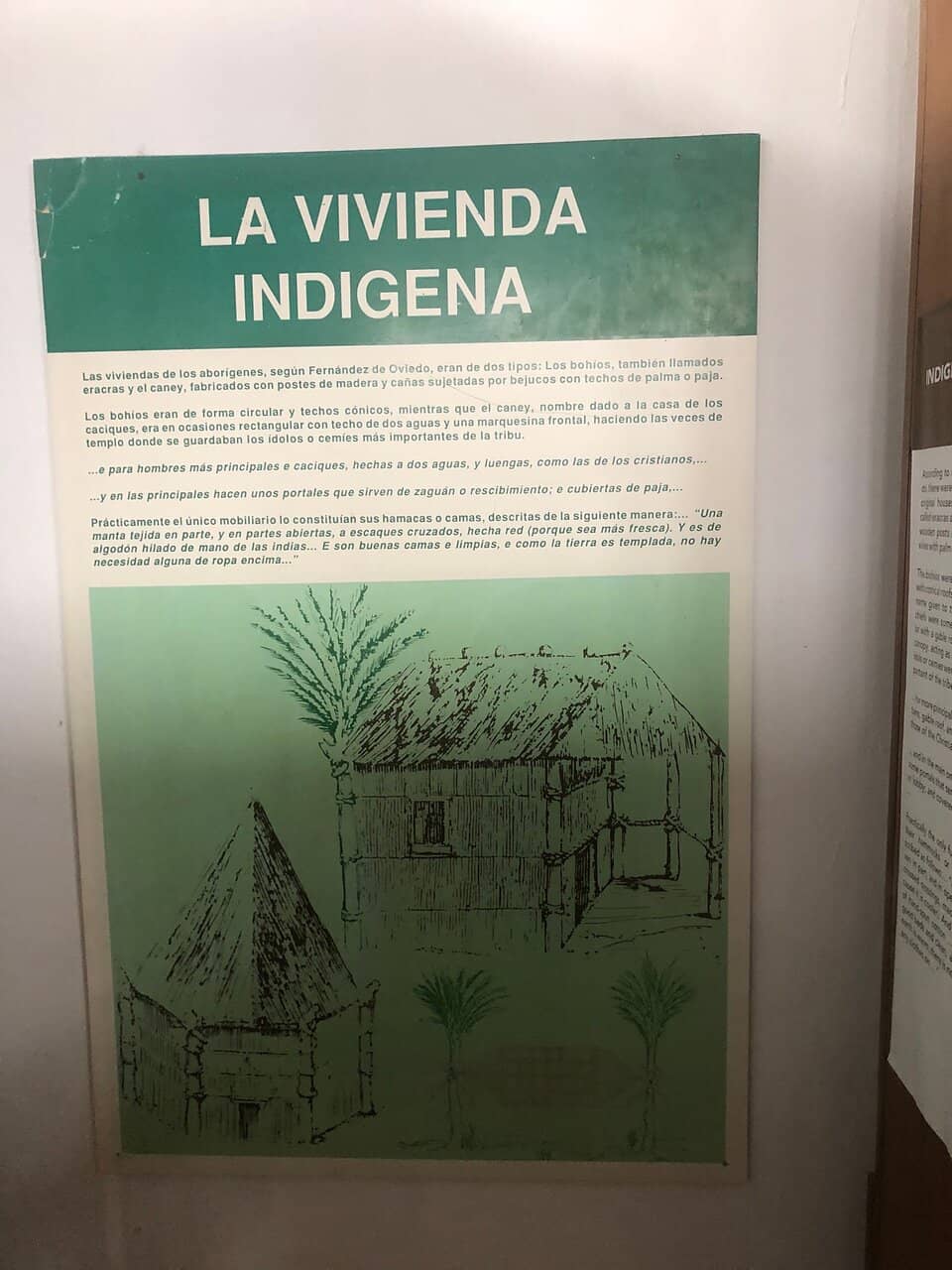
Guides, often in their 70s, are repositories of history. Their insights make the ruins come alive!
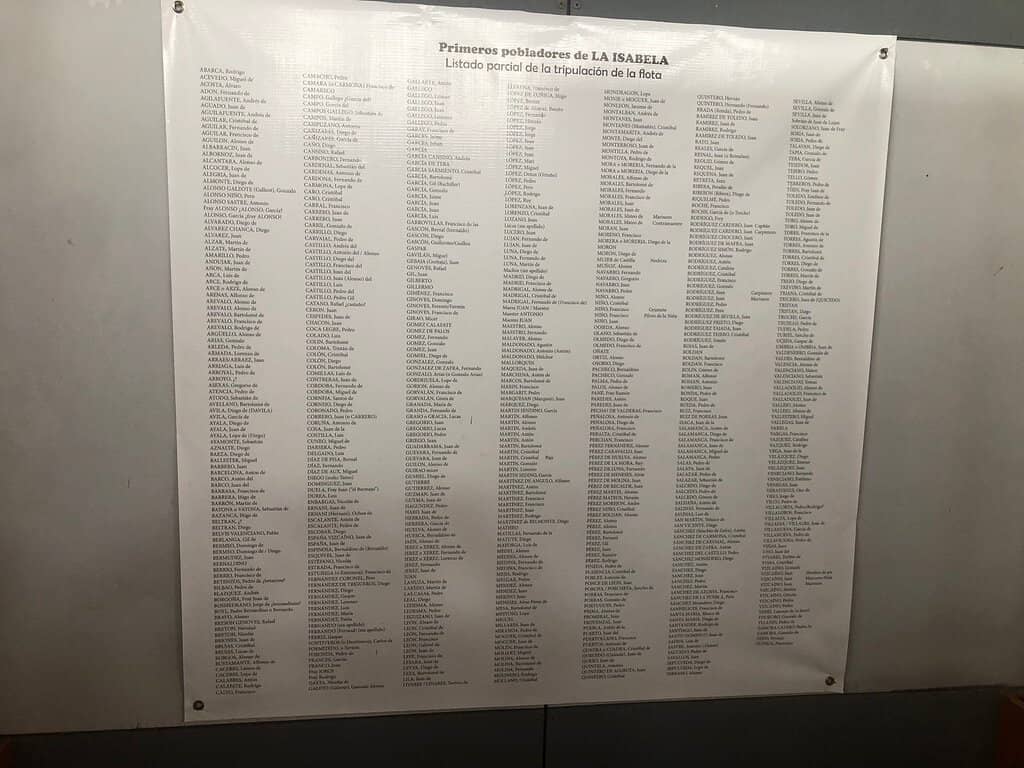
🗣️ Language is Spanish
Museum exhibits and guides are primarily in Spanish. Be prepared or bring a translator.
Highlights
Discover the most iconic attractions and experiences
Ruins of the First Spanish Settlement
Archaeological Park
Explore the remnants of houses, a church, and Columbus's own stone house from 1493.
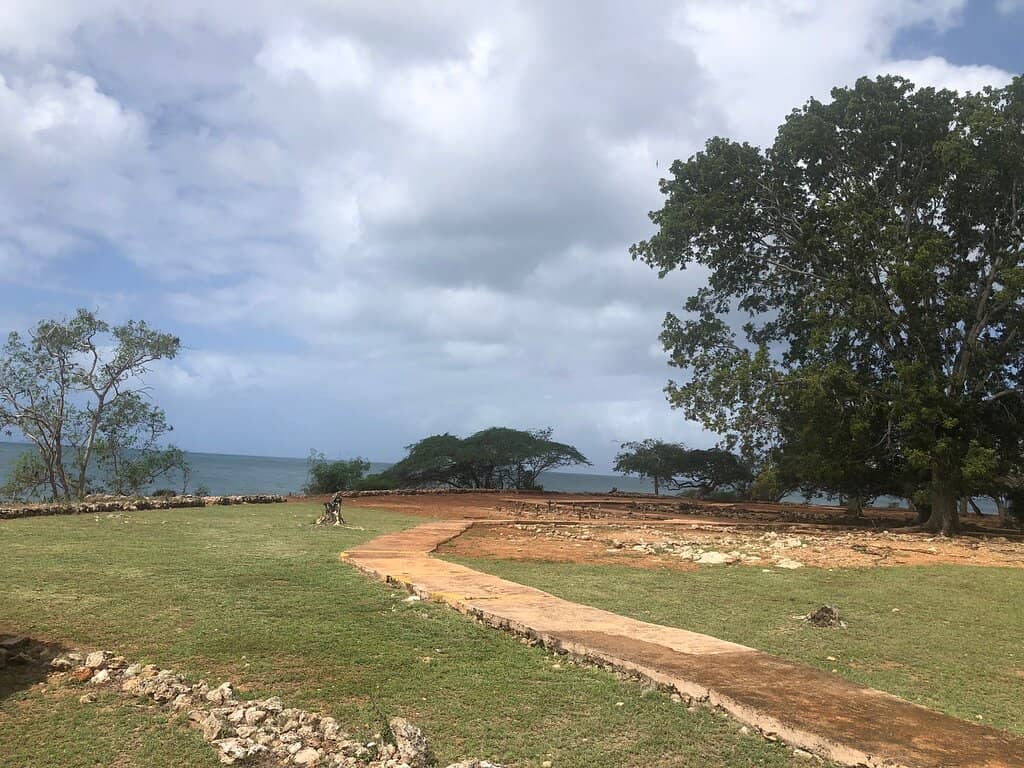
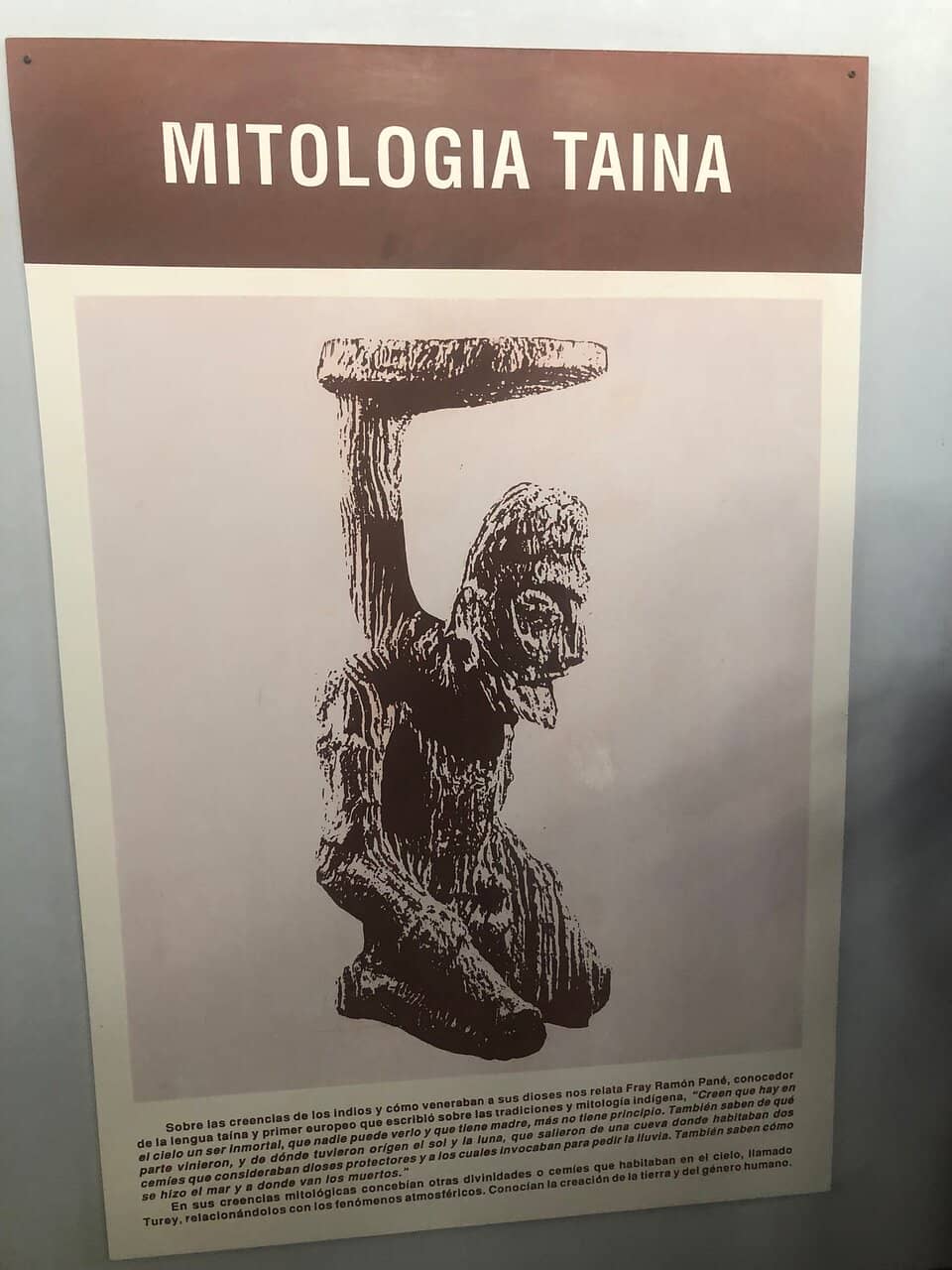
On-site Museum
Archaeological Park
Discover well-done exhibits detailing the history and challenges of this pioneering settlement.
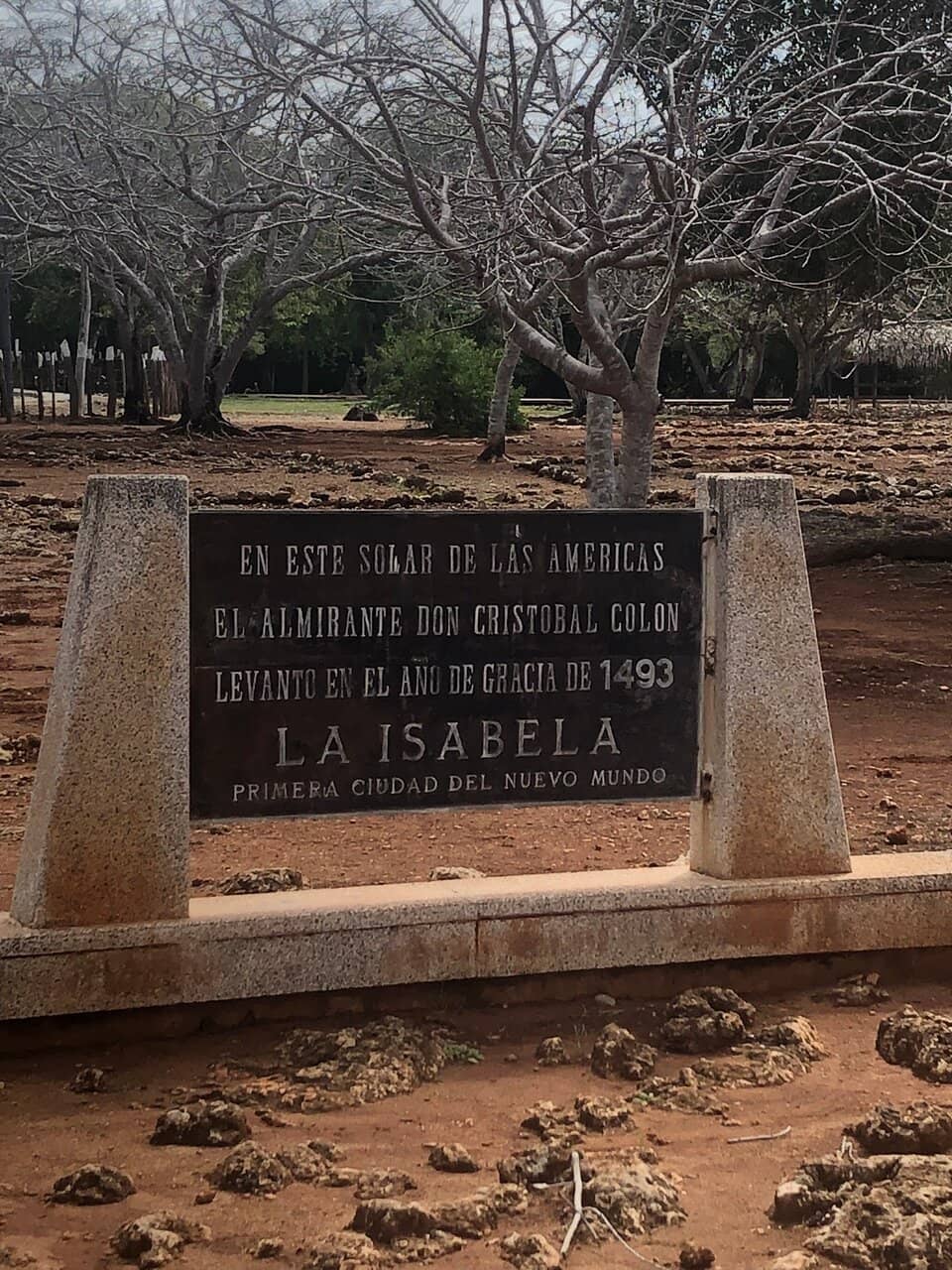
Scenic Coastline Views
Adjacent to the park
Enjoy pretty coastal vistas and the natural beauty surrounding the historic site.
Plans like a pro.
Thinks like you
Planning Your Visit
Timing Your Visit for History & Scenery
Understanding La Isabela's Significance
Best Times
Insider Tips
from TikTok, Instagram & Reddit
🎯 Hire a Local Guide
Guides, often in their 70s, are repositories of history. Their insights make the ruins come alive!
🗣️ Language is Spanish
Museum exhibits and guides are primarily in Spanish. Be prepared or bring a translator.
🚶♀️ Comfortable Walking Shoes
You'll be walking around the ruins and along boardwalks.
💧 Stay Hydrated
Bring water, especially on warmer days, as you explore the historical site.
Tips
from all over the internet
🎯 Hire a Local Guide
Guides, often in their 70s, are repositories of history. Their insights make the ruins come alive!
🗣️ Language is Spanish
Museum exhibits and guides are primarily in Spanish. Be prepared or bring a translator.
🚶♀️ Comfortable Walking Shoes
You'll be walking around the ruins and along boardwalks.
💧 Stay Hydrated
Bring water, especially on warmer days, as you explore the historical site.
💰 Check Entrance Fees
Prices can vary for foreigners. Confirm costs beforehand as signage might be limited.
What Travellers Say
Reviews Summary
Visitors praise La Isabela for its significant historical importance as the first Spanish settlement in the Americas and its well-maintained grounds. The knowledgeable guides are a highlight, bringing the past to life. However, some find the ruins themselves to be modest, and the primary Spanish language of exhibits and guides can be a barrier for non-Spanish speakers.
"They've really done a lot recently to fix up this lovely spot and make it tourist ready. There are nice even boardwalks all over the place leading along and making it easy for walking.
The trees are particularly pretty, there are a couple of them that are supposed to be there since the time of Columbus.
The museum is nice and the exhibits are well done and interesting. There are nice bathrooms and places to buy souvenirs and cold drinks. The guide who led us around was in his 70s and obviously really knew his stuff. He's the kind of man who they should sit down with and record his history, he's a great repository of historic information.
We really liked him and enjoyed the tour."
Michelle Mitton
"Great place to visit for a leisurely walk around the ruins of the first Spanish Settlement in the Caribbean. 100 pesos gets you in and a Spanish speaking guide/companion. Interesting museum tour is included."
Graeme Richardson
"Not too much to see but a very well maintained place and pretty coastline. Everything in Spanish (museum and guide). Cost for two foreigners was 600 DOP. They have no signs for their prices so we could have been gringo’d"
GB
What People Like
What People Dislike
Frequently Asked Questions
🚇 🗺️ Getting There
La Isabela is located about 42 kilometers west of Puerto Plata city in the Dominican Republic, near the village of El Castillo. You can reach it by car or taxi. If driving, follow signs for La Isabela.
Public transportation options might be limited and require transfers. It's generally easier to get there by private car, rental car, or taxi for a more direct journey.
Renting a car or using ride-sharing services can offer flexibility. For exploring the town of Isabela itself, scooters are also an option for a fun experience.
Yes, there are parking facilities available at the La Isabela Archaeological National Park for visitors arriving by car.
Yes, you can explore other attractions in the Isabela area, such as Playa Montones for family time or La Cueva de Las Golondrinas for an adventure. +1
🎫 🎫 Tickets & Entry
The park is generally open during daylight hours. It's advisable to check for specific opening times closer to your visit, as they can vary.
Entrance fees apply, and they can differ for locals and foreigners. For example, one review mentioned 100 pesos for entry and a guide, while another noted 600 DOP for two foreigners. Confirm prices upon arrival. +1
Advance booking is typically not required for La Isabela Archaeological National Park. You can usually purchase tickets upon arrival at the entrance.
Yes, the museum tour is generally included with your admission to the archaeological park.
Information on specific discounts for students or seniors is not widely available. It's best to inquire at the ticket counter upon your visit.
🎫 🧭 Onsite Experience
You can explore the ruins of the first Spanish settlement, including foundations of houses, a church, and Columbus's house. The site also features a museum and scenic coastal views. +1
The park has nice, even boardwalks making it easy for walking. However, some areas might have uneven terrain typical of archaeological sites.
Yes, photography is generally allowed within the park. Capture the historical ruins and the beautiful surrounding landscape.
Yes, the park is well-maintained with nice bathrooms and places to buy souvenirs and cold drinks.
A leisurely visit, including exploring the ruins, museum, and enjoying the views, can take around 1.5 to 2 hours. If you opt for a detailed guided tour, it might extend longer.
📸 📸 Photography
Capture the historical ruins against the backdrop of the Caribbean Sea. The museum exhibits also offer interesting photographic opportunities. +1
Drone usage regulations can vary. It's best to check with park authorities before flying a drone to ensure compliance with local rules.
Morning light offers softer shadows for photographing the ruins. Late afternoon and sunset provide dramatic lighting and beautiful coastal views.
Generally, no specific photo restrictions are mentioned, but always be respectful of the historical site and other visitors.
Photography of museum exhibits is usually permitted, but flash photography might be restricted to protect artifacts.
For Different Travelers
Tailored advice for your travel style
👨👩👧 Families with Kids
For a more relaxed family experience, consider visiting Playa Montones in the nearby town of Isabela. It's described as a 'pool-like' beach, perfect for safe water play and family picnics.
🏛️ History Buffs
To truly maximize your visit, hiring a local guide is essential. These guides are often deeply knowledgeable, sharing stories and historical context that bring the site to life. Their insights are invaluable for understanding the challenges and significance of this early settlement.
📸 Photographers
Consider exploring the nearby areas for additional photographic opportunities. The natural landscapes around Isabela, including potential hidden coves or dramatic cliffside views, can offer diverse shots. Remember to check any specific regulations regarding drone photography if you plan to capture aerial perspectives.
Deep Dives
In-depth insights and expert knowledge
The Historical Significance of La Isabela
Despite its ambitious beginnings, La Isabela faced immense challenges. It was the site of the first known epidemic to spread from Europe to the New World in 1493 and was battered by two early North Atlantic hurricanes in 1494 and 1495. Coupled with issues of hunger, disease, and internal mutiny, the settlement proved unsustainable. Columbus eventually decided to abandon La Isabela in favor of a new settlement, later known as Santo Domingo. Today, the La Isabela Archaeological National Park preserves these remnants, offering a tangible connection to the dawn of European colonization in the Americas.
Visitors often remark on the historical weight of the site, even if the physical ruins are modest. The presence of trees said to be there since Columbus's time adds to the atmosphere. A knowledgeable guide is highly recommended to truly grasp the narrative and significance of this groundbreaking, yet ultimately short-lived, settlement.
Exploring the Isabela Area
For the more adventurous, La Cueva de Las Golondrinas (The Cave of Swallows) is a hidden paradise. Reaching it involves a 20-30 minute walk from Playa Pastillo, requiring sturdy footwear and a sense of exploration. It's a testament to the diverse natural beauty found in the region.
To add a unique element to your exploration, consider renting Vespa scooters from local providers like @ride.pr. These are described as super comfortable and offer a cool way to experience Isabela with friends or family, adding a fun, modern twist to your visit.


Social
from TikTok, Instagram & Reddit