
Museum Silkeborg Blicheregnen
Discover the soul of the Jutland heath at Museum Silkeborg Blicheregnen, exploring 19th-century rural life and the legacy of poet Steen Steensen Blich...
Highlights
Must-see attractions

Social
From TikTok & Reddit
Best Time
Fewer crowds, more peaceful exploration
Museum Silkeborg Blicheregnen
Best Time
Fewer crowds, more peaceful exploration
Highlights
Must-see attractions
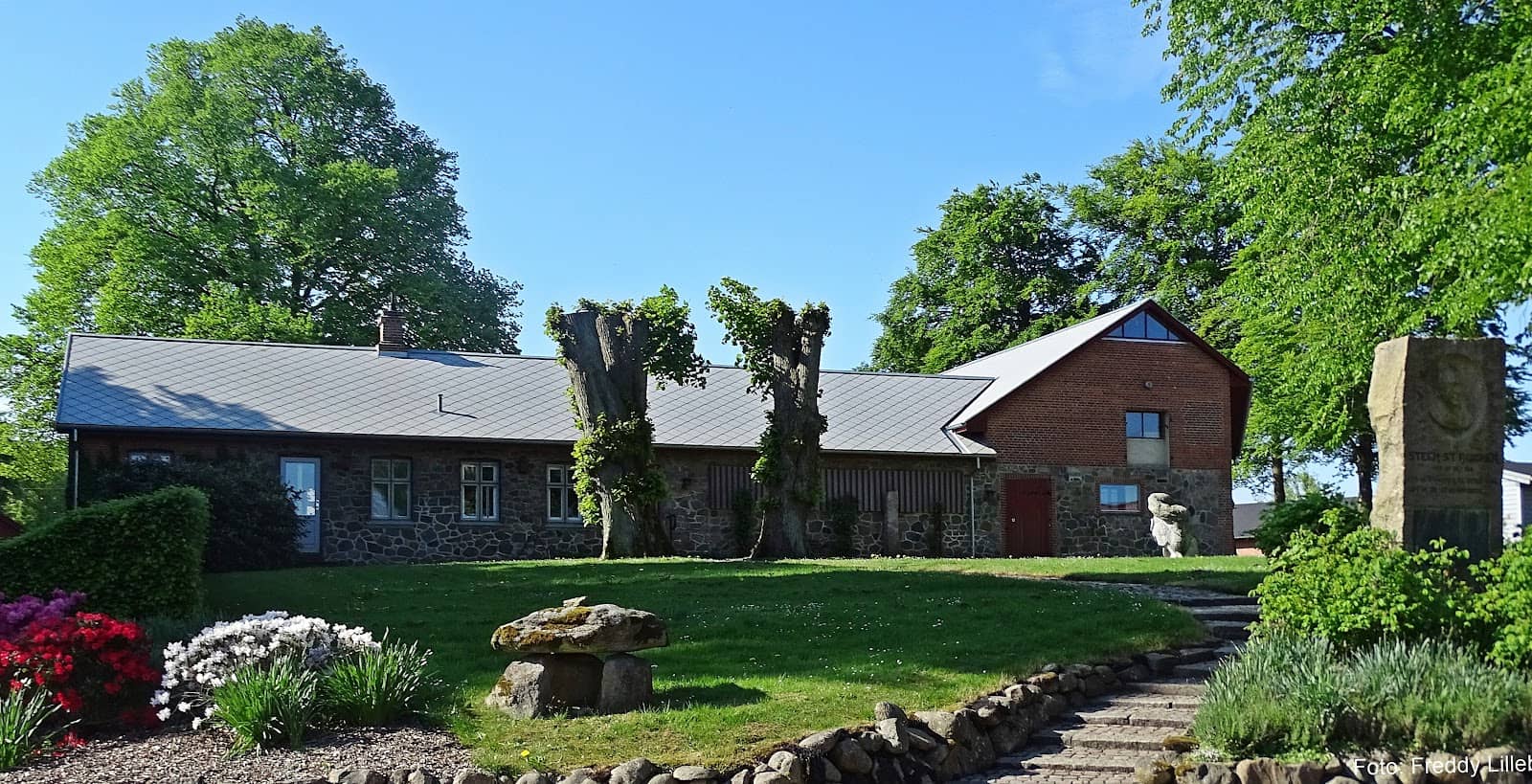
Discover the soul of the Jutland heath at Museum Silkeborg Blicheregnen, exploring 19th-century rural life and the legacy of poet Steen Steensen Blicher.
"A lovely little museum that conveys Blicher's life and the historic civil war with authenticity."
Allow ample time for exhibits
The museum is surprisingly large; give yourself at least 2-3 hours to explore fully. :clock1:
Read up on Blicher beforehand
Understanding Blicher's life enhances appreciation for the exhibits. :books:

Highlights
Discover the most iconic attractions and experiences
19th Century Rural Life
Exhibition Hall
Step back in time with over 600 m² showcasing authentic rural life from the 1800s.
Steen Steensen Blicher's Legacy
Poet's Corner
Explore the life and works of the renowned poet, priest, and social debater.

Grathe Hede - The Struggle for Power
Historical Exhibition
Delve into the dramatic historical civil war and the battle for the throne.
Plans like a pro.
Thinks like you
Planning Your Visit
Embrace the Heathland's Soul
Uncover Local History
Best Times
Insider Tips
from TikTok, Instagram & Reddit
Allow ample time for exhibits
The museum is surprisingly large; give yourself at least 2-3 hours to explore fully. :clock1:
Read up on Blicher beforehand
Understanding Blicher's life enhances appreciation for the exhibits. :books:
Check for special exhibitions
They often feature fascinating, timely topics like historical battles. :star2:
Combine with local sights
Visit Mads Doss' grave opposite the museum for a fuller historical experience. :church:
Tips
from all over the internet
Allow ample time for exhibits
The museum is surprisingly large; give yourself at least 2-3 hours to explore fully. :clock1:
Read up on Blicher beforehand
Understanding Blicher's life enhances appreciation for the exhibits. :books:
Check for special exhibitions
They often feature fascinating, timely topics like historical battles. :star2:
Combine with local sights
Visit Mads Doss' grave opposite the museum for a fuller historical experience. :church:
What Travellers Say
Reviews Summary
Visitors praise Museum Silkeborg Blicheregnen as a cozy, well-decorated, and surprisingly large local history museum. It's highly regarded for its authentic atmosphere and credible presentation of 19th-century rural life and the legacy of Steen Steensen Blicher. Special exhibitions, like the one on Grathe Hede, are noted for their topicality and artistic impression, though some find them text-heavy.
"Nice little local history museum
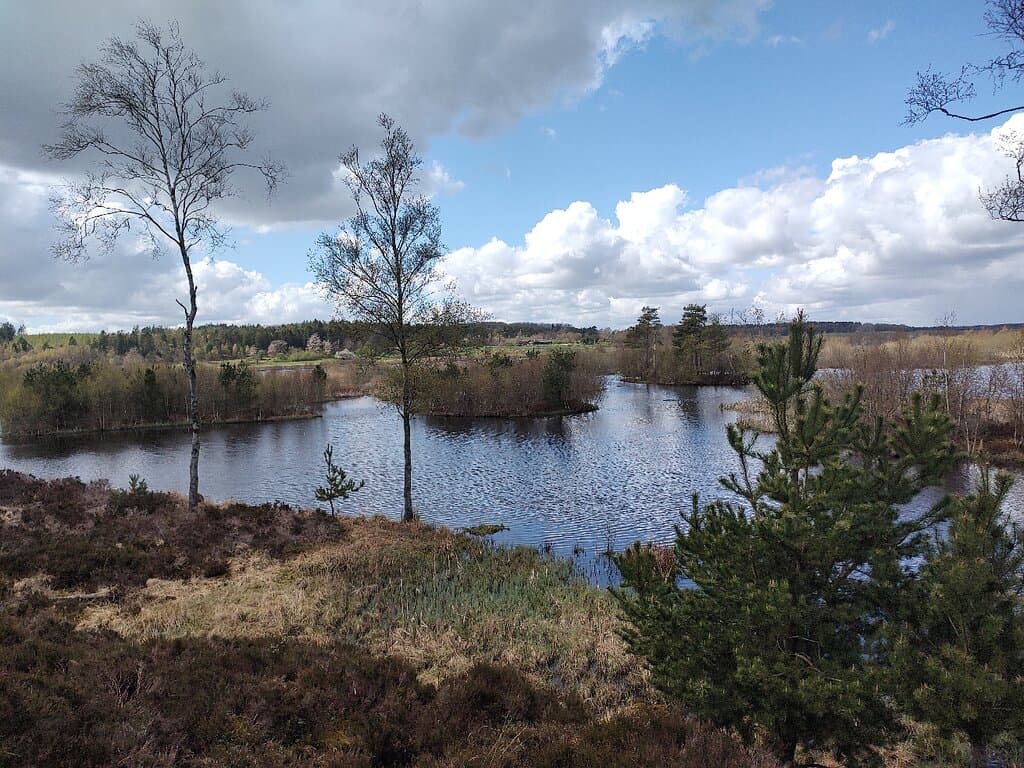
Steen Steensen Blicher grew up in Vium, where his father was a priest. West of Vium, west of Thorning lies the heathland that became his breathing space – a haven away from economic hardship, obligations, expectations, but which also became the place from which he drew inspiration for his literary production. Here he found the characters of his short stories, the stories, the environment.
The region with its sandy soil, the heather, the open spaces helped to form Steen Steensen Blicher's identity – that region, just like Blicher's region, forms the foundation/foundation stone/core of the local population's identity and self-perception today. His texts live in the population – with the population. In all of Denmark in fact, but especially here. Right here!
What can you experience:
- More than 600 m2 exhibition about life in the countryside in the 19th century
- The poet, priest and social debater St. St. Blicher
- Grathe Hede – the struggle for power
- Exciting special exhibitions throughout the year
- Promising animal exhibition – the wolf is coming"
Erik Lyngsøe
"Very present and credible museum. Communication at its best. The atmosphere and setting are authentic. The exhibition At the Bottom of the Sea made a strong impression due to the topicality and sensitivity of the topics. The artistic impression was unsurpassed."
Elisabeth Lautrup
"Really exciting and well-told special exhibition about the battle for the throne between Svend, Knud and Valdemar. The exhibition itself is quite text-heavy with few objects but good illustrations and some interactive content. Unfortunately, the exhibition is only there this season. The permanent exhibition is 40 years old, but still a good insight into Blicher's time in Thorning and life in the area."
B. Kristensen
What People Like
What People Dislike
Frequently Asked Questions
🚇 🗺️ Getting There
The museum is located west of Thorning. Driving is the most convenient option, with parking available. Public transport options might be limited, so check local bus schedules if you're not driving.
Yes, the museum is accessible by car and offers parking facilities for visitors.
From Silkeborg, it's a scenic drive towards Thorning. Consider using a GPS or map application for the most direct route.
🎫 🎫 Tickets & Entry
Opening hours can vary, especially for special exhibitions. It's best to check the official museum website or contact them directly for the most up-to-date information.
Admission fees are typically reasonable for this local history museum. Check the museum's website for current ticket prices and any potential discounts.
While some museums offer online booking, it's advisable to check the museum's official website to see if advance ticket purchase is available or recommended.
Many museums offer concessions. Inquire directly with the museum or check their website for details on student, senior, or group rates.
🎫 🧭 Onsite Experience
You can explore over 600 m² of exhibitions on 19th-century rural life, learn about Steen Steensen Blicher, discover the history of Grathe Hede, and enjoy special exhibitions. +1
While the museum focuses on history, some exhibits, like the animal exhibition, might appeal to children. The historical context might be more engaging for older children or families interested in history.
Visitors recommend allocating at least 2-3 hours to fully appreciate the exhibits, especially if you plan to read the text-heavy displays.
Information on guided tours is not widely available online. It's best to contact the museum directly to inquire about tour availability and schedules.
Generally, photography for personal use is allowed in many museums, but flash photography might be restricted. Check for specific signage or ask museum staff.
🍽️ 🍽️ Food & Dining
Information about onsite dining facilities is limited. It's recommended to check the museum's official website or plan to dine in nearby Thorning or Silkeborg.
The village of Thorning likely has local eateries. For a wider selection, consider dining in the larger town of Silkeborg before or after your visit.
📸 📸 Photography
Focus on capturing the authentic details of the 19th-century rural life exhibits and any visually striking special exhibitions. The historical context of Grathe Hede also offers unique photographic potential.
Photography for personal use is usually permitted, but always look for signs indicating restrictions, especially regarding flash photography.
For Different Travelers
Tailored advice for your travel style
👨👩👧 Families with Kids
Consider pairing your visit with a stop at Mads Doss' grave opposite the museum for a broader historical context. For a more engaging experience for younger children, focus on the visual aspects of the rural life exhibits and any animal-related displays mentioned.
📚 History Buffs & Literature Enthusiasts
Furthermore, the detailed exhibition on the Battle of Grathe Hede offers a compelling look into a pivotal moment in Danish civil war history. The extensive displays on 19th-century rural life provide a rich, authentic context for understanding the era and the people Blicher wrote about.
Deep Dives
In-depth insights and expert knowledge
The Literary Heart: Steen Steensen Blicher
Visitors often note the museum's ability to convey Blicher's world authentically. His texts are described as living within the local population, and the museum aims to bring this heritage to life. Exploring his legacy here offers a unique insight into Danish cultural history and the enduring power of place in shaping artistic expression.
Grathe Hede: A Glimpse into Historical Conflict
While the exhibition is noted as being text-heavy with fewer objects, it compensates with good illustrations and interactive elements, making the historical narrative accessible. The proximity of the actual Grathe Hede battlefield to the museum allows for a more tangible connection to the events discussed, making it a compelling aspect of the visitor experience.
Experiencing 19th Century Rural Life
The atmosphere and setting are described as authentic, contributing to a strong sense of immersion. This part of the museum provides a valuable historical perspective, allowing visitors to understand the environment that shaped Blicher's life and writings, and how it continues to influence the local identity today.





Social
from TikTok, Instagram & Reddit