National Museum of Civilizations of Côte d'Ivoire
Discover Côte d'Ivoire's rich heritage through over 15,000 artifacts, from ancient masks to contemporary art.
Highlights
Must-see attractions

Social
From TikTok & Reddit
Best Time
Less crowded offices, vibrant atmosphere
National Museum of Civilizations of Côte d'Ivoire
Best Time
Less crowded offices, vibrant atmosphere
Highlights
Must-see attractions
Discover Côte d'Ivoire's rich heritage through over 15,000 artifacts, from ancient masks to contemporary art.
"A guide is essential to truly understand the impressive collection of artifacts."
🎯 Hire a Guide!
Essential for understanding artifacts. Inquire about English guides in advance; they're worth the extra fee .
📸 Photo Policy
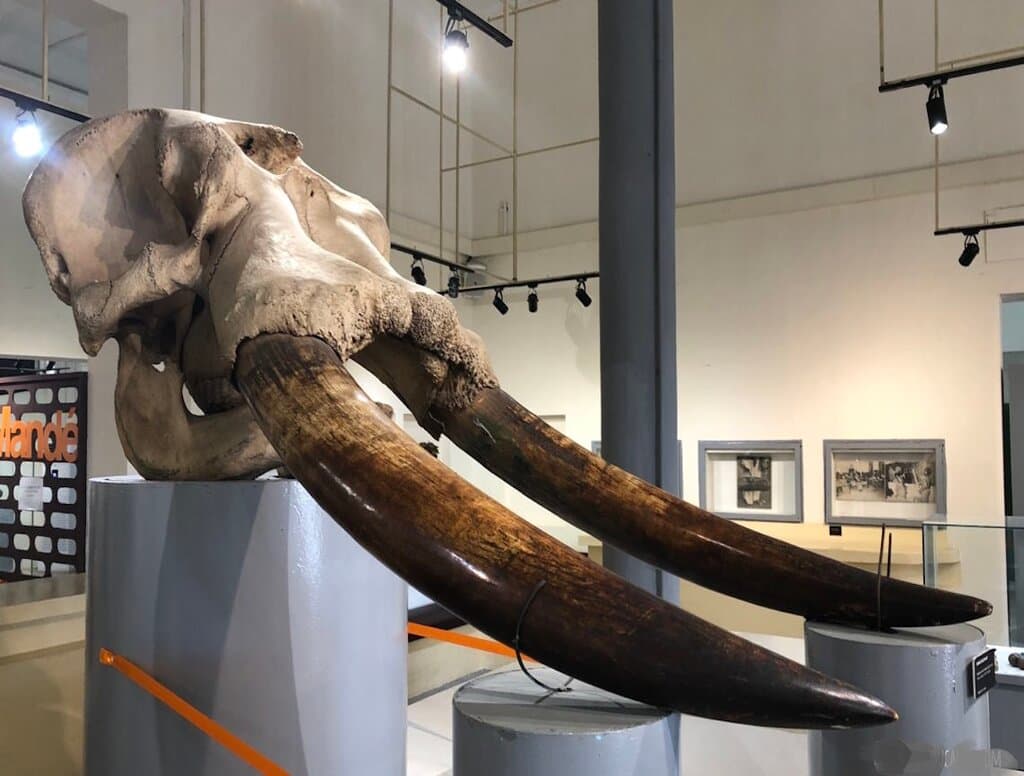
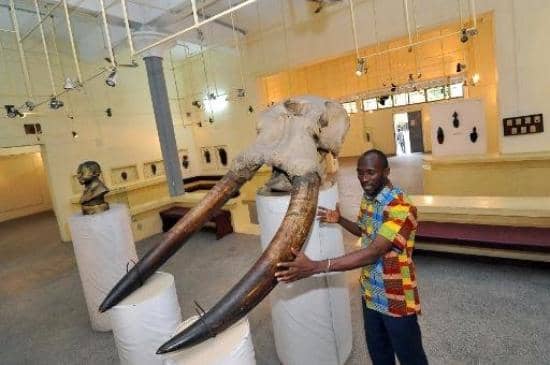
Photos generally not allowed, except for the elephant skull at the entrance. Respect the rules .
Highlights
Discover the most iconic attractions and experiences
Ethnographic & Archaeological Collection
Main Exhibition Halls
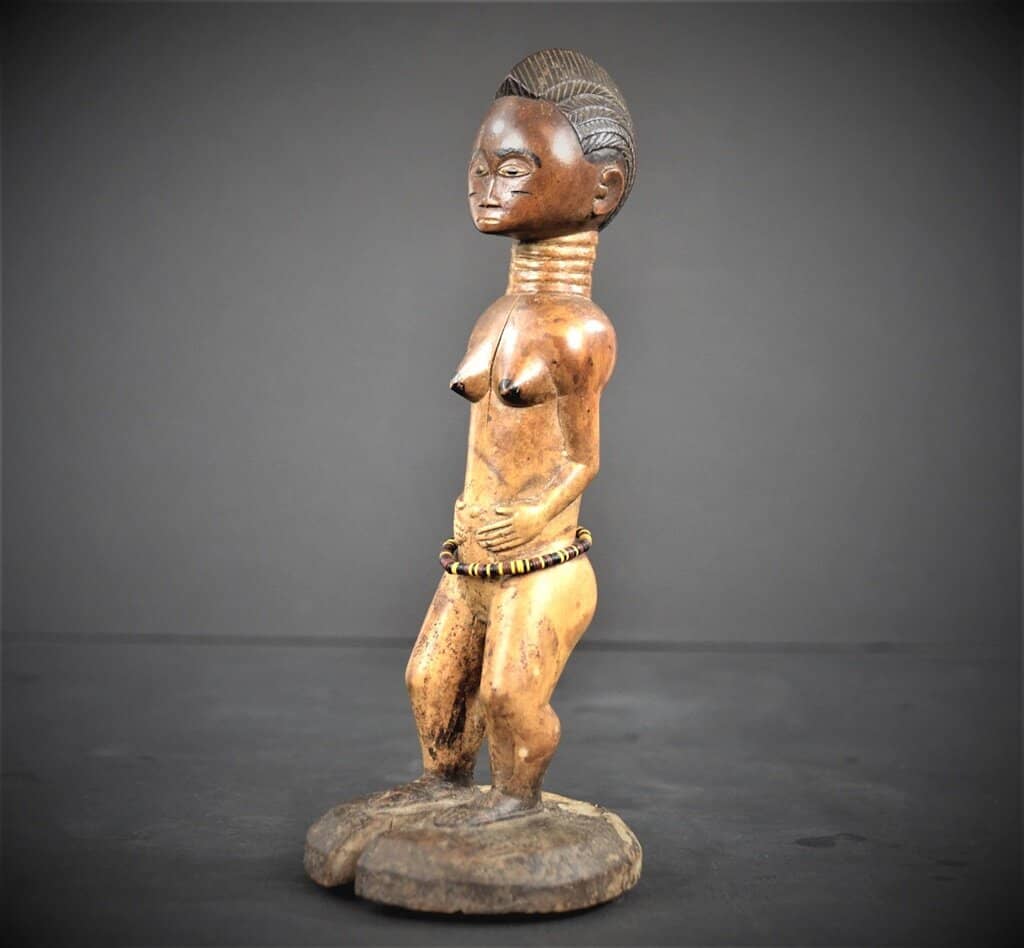
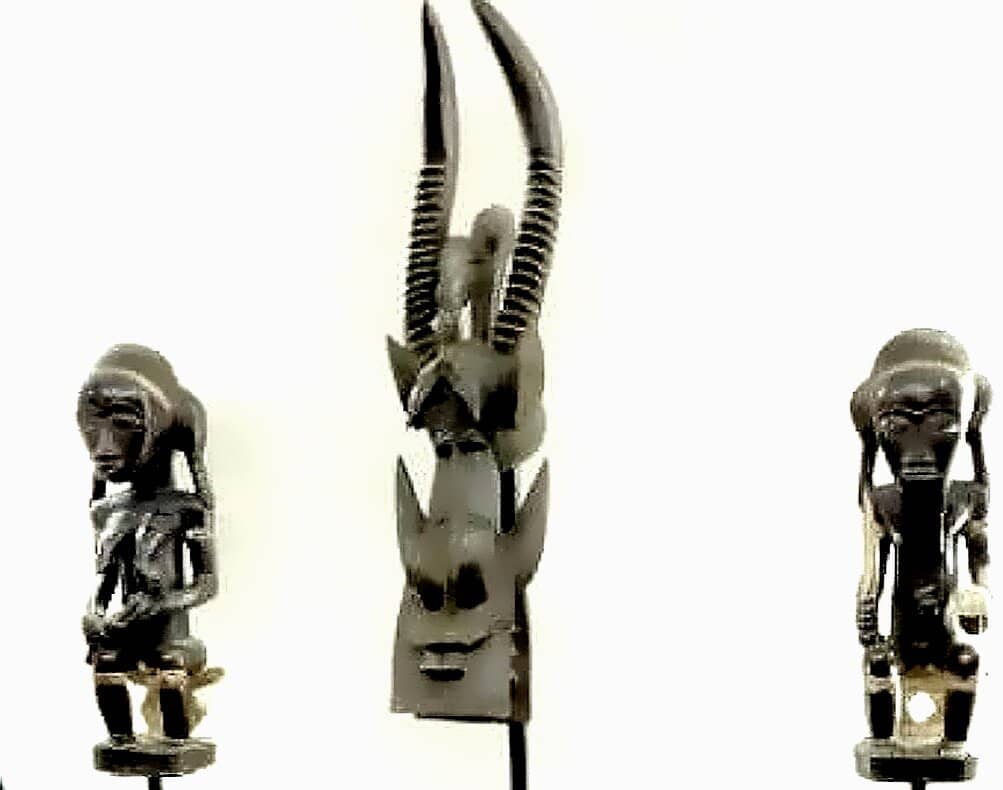
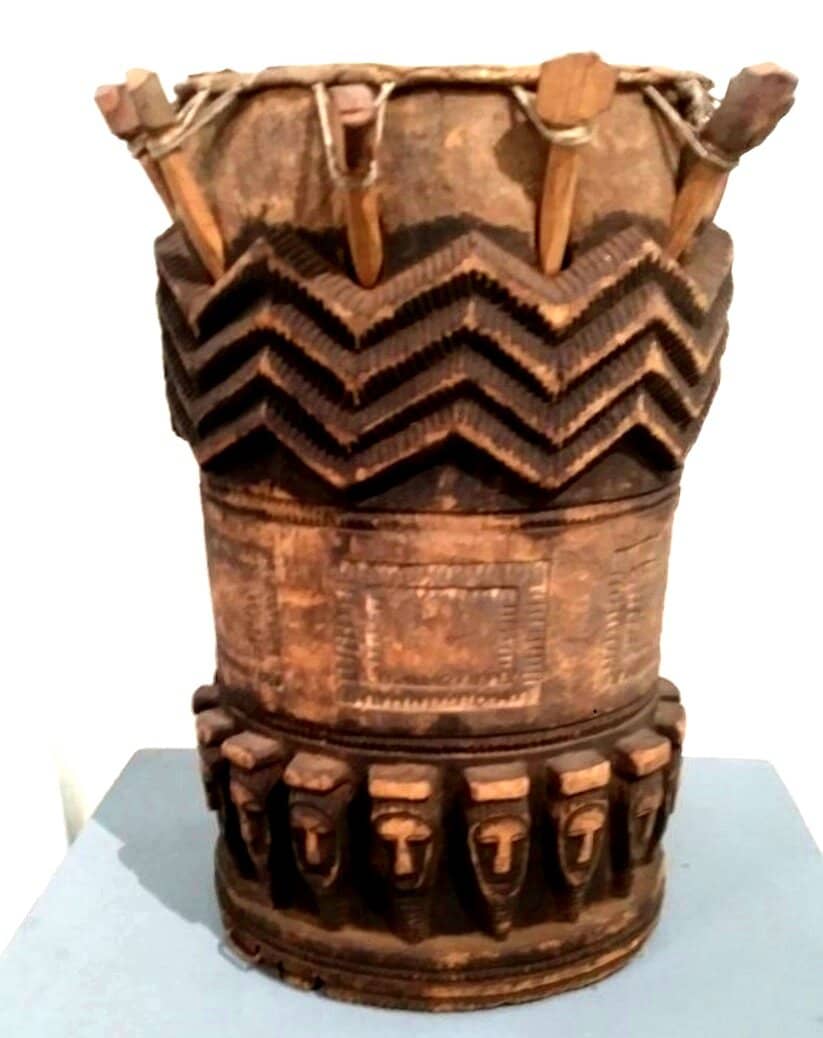
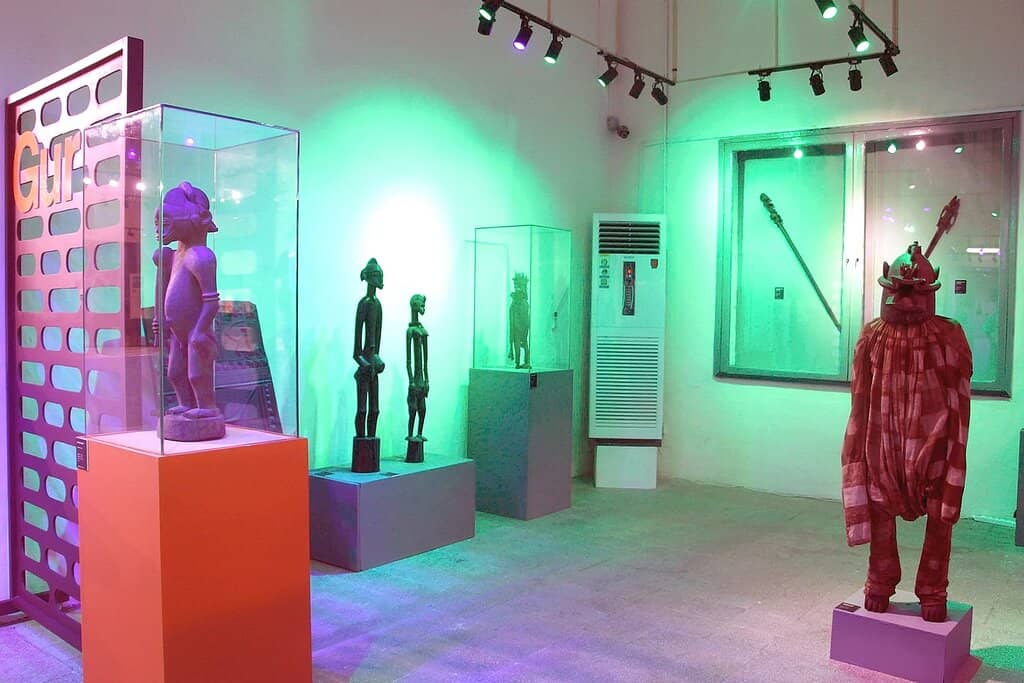
Discover over 15,000 artifacts, including masks, statues, and musical instruments, showcasing Côte d'Ivoire's diverse ethnic groups.
Contemporary Art Room
Dedicated Exhibition Space
Explore modern creations by African artists, highlighting the vibrant and evolving art scene on the continent.
Art Garden
Outdoor Space
Wander through a garden enriched with recent artistic works, offering a unique blend of culture and nature.
Plans like a pro.
Thinks like you
Planning Your Visit
Guided Tours are Key
Renovations & Access
Best Times
Insider Tips
from TikTok, Instagram & Reddit
🎯 Hire a Guide!
Essential for understanding artifacts. Inquire about English guides in advance; they're worth the extra fee.
📸 Photo Policy
Photos generally not allowed, except for the elephant skull at the entrance. Respect the rules.
🗣️ Language Support
Information is primarily in French. Use a translator app if needed.
🛍️ Souvenir Shopping
Art shops on-site offer beautiful items, but prices can be higher than local markets.
Tips
from all over the internet
🎯 Hire a Guide!
Essential for understanding artifacts. Inquire about English guides in advance; they're worth the extra fee.
📸 Photo Policy
Photos generally not allowed, except for the elephant skull at the entrance. Respect the rules.
🗣️ Language Support
Information is primarily in French. Use a translator app if needed.
🛍️ Souvenir Shopping
Art shops on-site offer beautiful items, but prices can be higher than local markets.
🚶♀️ Nearby Attractions
Combine your visit with St. Paul's Cathedral and explore the Plateau district on weekends.
What Travellers Say
Reviews Summary
Visitors praise the museum's extensive collection of artifacts and the knowledgeable guides who bring the history to life. However, some find the museum small and note that information is primarily in French, making a guide essential for non-French speakers. Renovations can sometimes impact accessibility.
"Museum of Civilizations of Ivory Coast
Masks, wooden statues, musical instruments, objects of worship: in total, no less than 15,210 pieces reflecting the country's different ethnic groups or religions through the exhibitions in this ethnographic, archaeological and iconographic museum created by the French colonial administration in 1942 and located in Abidjan.
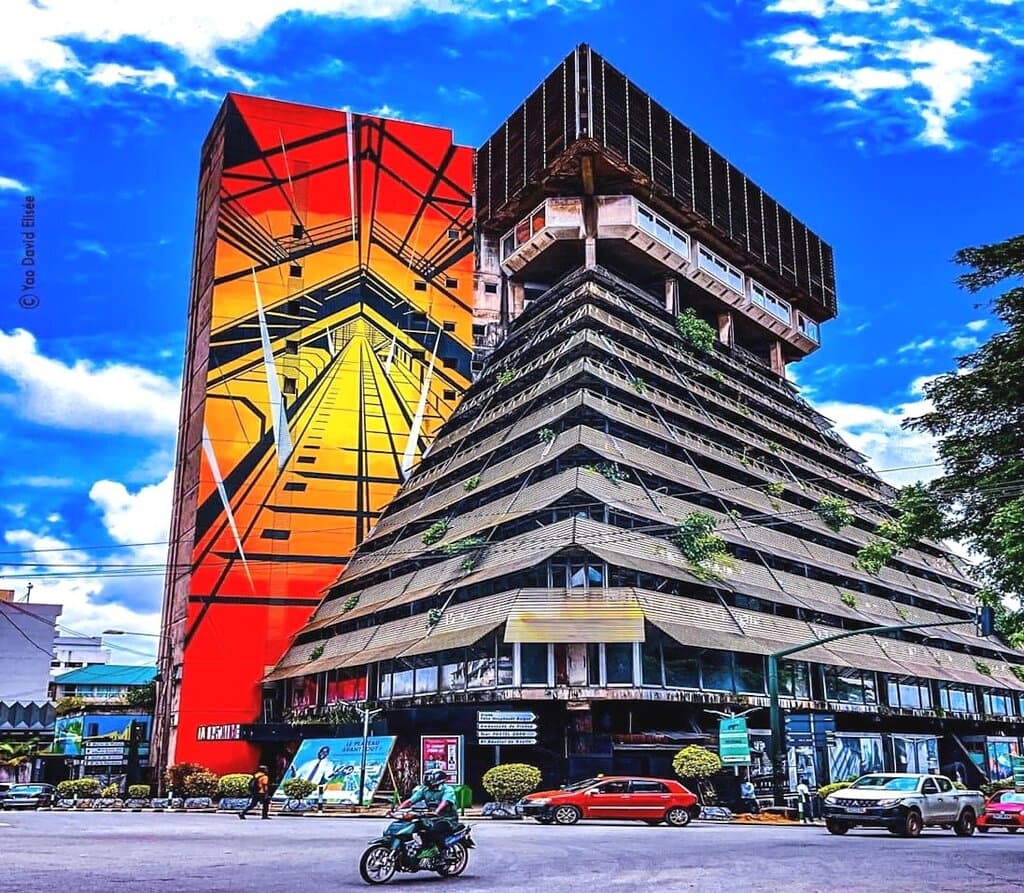
Planted at the foot of the skyscrapers of the Plateau, the Ivorian business district, the Museum of Civilizations is more colorful, more welcoming, it now gives pride of place to contemporary creations with a room devoted to artists from the continent and a garden enriched with recent works. Considered the largest in the country,
The Museum of Civilizations of Côte d'Ivoire is a government museum, dependent on the Ministry of Culture and La Francophonie. It was originally a craft center created by the colonial administration.
Built on an area of 2 hectares, the Museum of Civilizations of Côte d'Ivoire is bounded to the East by the Administrative City, to the West by the General Staff of the Armed Forces (Camp Gallieni) and to the North by the National Library."
Jacob Koua
"The museum visit was a bit unimpressive, possibly because without a guide you have no backstory/content to tell you about the artifacts. The English guide was on a tour when we got there and we had to leave after waiting 30minutes. Getting the guided tour is at an additional fee but is an absolute must if you want to understand what you’re looking at. There are some art shops in the compound with beautiful objects which are pricier compared to the market. All the same it was a good visit, and the Plateau area is a nice place to visit on weekends as offices are closed. Don’t forget to visit the St Paul’s cathedral(within walking distance)"
Christabel A
"Very small museum, cool knowledgeable guides that seem to master a lot of the countrie's historic, traditional and mythological stories. In an hour you can see most part of it. There is a little shop outside of the museum where you can buy some artifacts that are also available elsewhere at lesser price."
N'gnimbien Erwin
What People Like
What People Dislike
Frequently Asked Questions
🚇 🗺️ Getting There
The museum is located in the Plateau district of Abidjan, a central business area. It's accessible by taxi or ride-sharing services. If you're exploring the Plateau on a weekend, it's within walking distance of other attractions like St. Paul's Cathedral.
Information on dedicated parking is limited, but the Plateau district has various parking options. It's advisable to check with your taxi driver or use a navigation app for the best approach.
Taxis and ride-sharing apps are common. For a more local experience, you might consider 'woro-woro' (shared taxis), but be aware of routes and fares. Many visitors find taxis convenient for reaching specific locations like the museum.
While specific accessibility information is scarce, the museum is located in a modern district. It's recommended to contact the museum directly for the most up-to-date details on ramps or elevator access.
Yes, many Abidjan city tours include a stop at the National Museum of Civilizations. This can be a convenient way to see multiple sights and get an overview of the city's cultural offerings.
🎫 🎫 Tickets & Entry
Opening hours can vary, and the museum has undergone renovations. It's best to check the official museum website or contact them directly for the most current information on operating days and times.
Admission fees are typically modest. However, guided tours come at an additional cost, which many visitors find essential for a meaningful experience.
Advance booking is generally not required for general admission. However, if you are part of a large group or wish to arrange a specific guided tour, it's advisable to contact the museum beforehand.
The museum occasionally hosts special events, exhibitions, and even markets like the Salon International de la Beauté. Keep an eye on their social media or local event listings for updates.
Yes, guided tours are offered at an additional fee. Visitors strongly recommend taking a guided tour to fully appreciate the museum's collection and historical context.
🎫 🧭 Onsite Experience
The museum boasts over 15,000 pieces, including masks, wooden statues, musical instruments, and objects of worship, reflecting the country's diverse ethnic groups and religions. There's also a contemporary art room and an art garden.
Photography is generally not permitted inside the museum, with the exception of the elephant skull located at the entrance. Be sure to respect the signage and staff instructions.
Information and exhibit descriptions are primarily in French. Visitors who don't speak French are advised to bring a smartphone with a translator app or ensure they have an English-speaking guide.
A visit can take about an hour if you're quickly browsing, but with a guided tour and deeper exploration, you might spend 2-3 hours. The size is described as 'pretty small' by some visitors.
Restroom facilities are typically available. Information on cafes or dining options within the museum is limited, but there are often art shops on the compound.
🍽️ 🍽️ Food & Dining
Specific dining facilities within the museum are not widely mentioned. However, the Plateau district, where the museum is located, offers numerous restaurants and cafes catering to various tastes and budgets.
You can find a range of Ivorian cuisine, from local street food to more formal dining experiences. Many restaurants offer dishes featuring fresh seafood, chicken, and plantains.
The Plateau district is a hub for business and dining. You'll find options from casual eateries to upscale restaurants. Exploring the area will reveal many choices for lunch or dinner.
It's generally not recommended to bring outside food and drinks into museums. It's best to consume them before your visit or at designated areas outside the exhibition halls.
Yes, there have been events like the #brunch #mangoro hosted at the museum, indicating it can be a venue for special culinary gatherings.
📸 📸 Photography
Photography is generally prohibited inside the museum, with the notable exception of the elephant skull at the entrance. This policy is common in many cultural institutions to protect the artifacts.
The elephant skull at the entrance is often cited as the only permitted photo opportunity. Always check for signage or ask museum staff if you are unsure.
Given the general prohibition on photography, flash photography is almost certainly not allowed. Flash can damage delicate artifacts over time.
Photography policies for the art shops on the compound might differ from the museum interior. It's polite to ask the shopkeepers before taking pictures of their merchandise.
While interior photography is restricted, the museum's location in the Plateau district offers opportunities to photograph the surrounding modern architecture and skyscrapers.
For Different Travelers
Tailored advice for your travel style
👨👩👧 Families with Kids
Consider visiting on a weekend when the Plateau district is less busy with office workers, potentially making for a more relaxed visit. Remember that photography is restricted inside, so focus on creating memories through observation and discussion. The museum's location in the Plateau also allows for easy combination with other family-friendly activities in the vicinity.
🏛️ Culture Enthusiasts & History Buffs
To truly appreciate the nuances of the collection, engaging a knowledgeable guide is highly recommended. They can illuminate the significance of each piece, offering historical context and cultural insights that might otherwise be missed. Exploring the contemporary art room and the art garden will also provide a broader understanding of the evolving artistic landscape in Africa.
📸 Art Lovers & Photographers
For photographers, the surrounding Plateau district provides excellent opportunities to capture the striking modern architecture and urban landscape of Abidjan.
Deep Dives
In-depth insights and expert knowledge
The Museum's Rich History and Collection
The museum's collection is vast, housing over 15,000 pieces that offer a deep dive into the country's cultural tapestry. Visitors can expect to see a wide array of masks, wooden statues, musical instruments, and religious artifacts, each representing the diverse ethnic groups and spiritual practices of Côte d'Ivoire.
In recent years, the museum has embraced a more contemporary outlook. It now features a dedicated room for contemporary creations by artists from across the continent, reflecting the dynamic evolution of African art. The outdoor garden has also been enhanced with recent works, creating a unique space where traditional culture meets modern artistic expression.
Maximizing Your Museum Visit: Guides and Insights
While the museum's primary language for information is French, English-speaking guides are available, though their availability might be limited. It's highly recommended to inquire about English guides in advance, especially if you don't speak French, to ensure you can fully engage with the exhibits.
Beyond the main exhibits, the museum compound often features art shops selling beautiful objects. While these offer a chance to purchase souvenirs, be aware that prices might be higher compared to local markets. Visitors also note that photography is generally restricted, with the elephant skull at the entrance being a common exception.


Social
from TikTok, Instagram & Reddit