Museo de Historia Natural Universidad del Cauca
Discover a world of natural wonders at the Museo de Historia Natural Universidad del Cauca, showcasing diverse fauna and the art of taxidermy.
Highlights
Must-see attractions

Social
From TikTok & Reddit
Best Time
Fewer crowds, better focus
Museo de Historia Natural Universidad del Cauca
Best Time
Fewer crowds, better focus
Highlights
Must-see attractions
Discover a world of natural wonders at the Museo de Historia Natural Universidad del Cauca, showcasing diverse fauna and the art of taxidermy.
"Impressive collection of animals and insects, a great way to spend an hour in Popayan."
Book a Spanish Guide
Enhance your visit with a knowledgeable guide, available in Spanish, for deeper insights into exhibits.
Confirm Opening Hours
Hours can be confusing; verify them beforehand to ensure a smooth visit.
Highlights
Discover the most iconic attractions and experiences
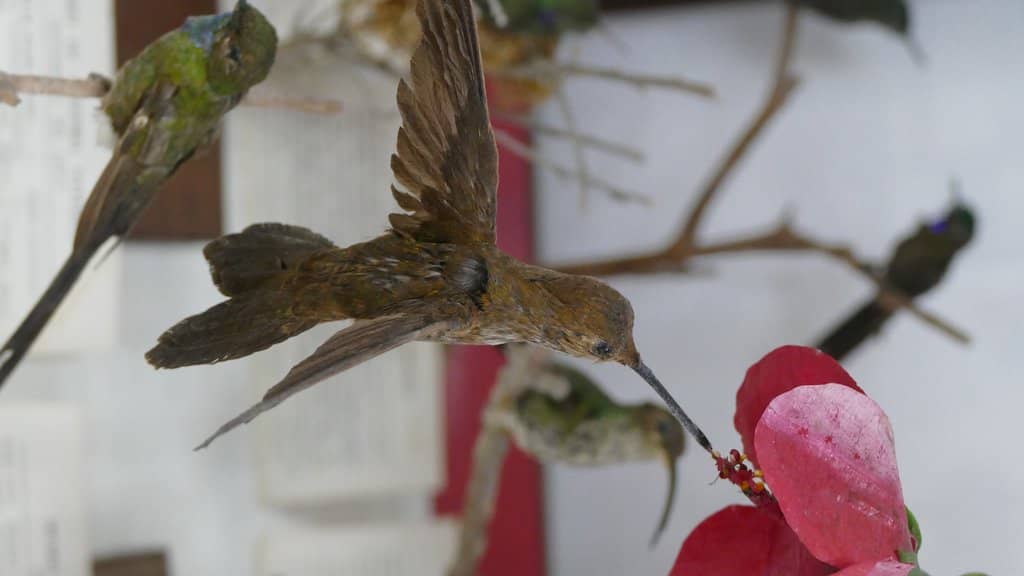
Colombian Avifauna
Bird Exhibits
Marvel at well-preserved bird mounts, many collected in the 1950s, offering a glimpse into Colombia's diverse birdlife.

Reptile and Amphibian Collection
Herpetology Room
An unmissable section featuring a wide array of reptiles and amphibians, showcasing the region's fascinating herpetofauna.
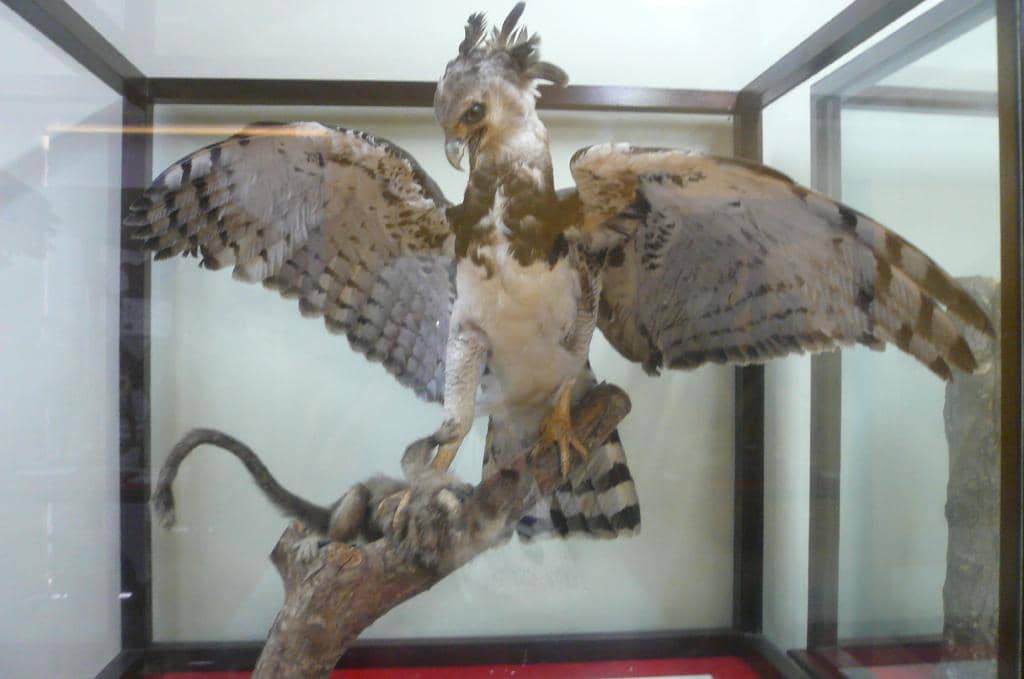
Mammal Displays
Mammal Exhibits
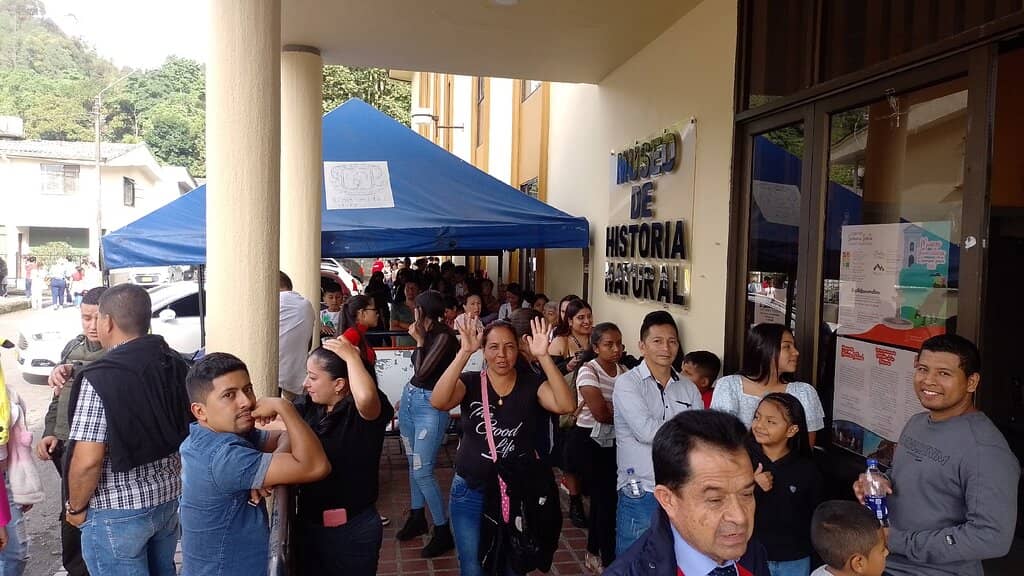
See impressive displays of mammals, including life-size replicas like the mountain tapir, offering a comprehensive view of wildlife.
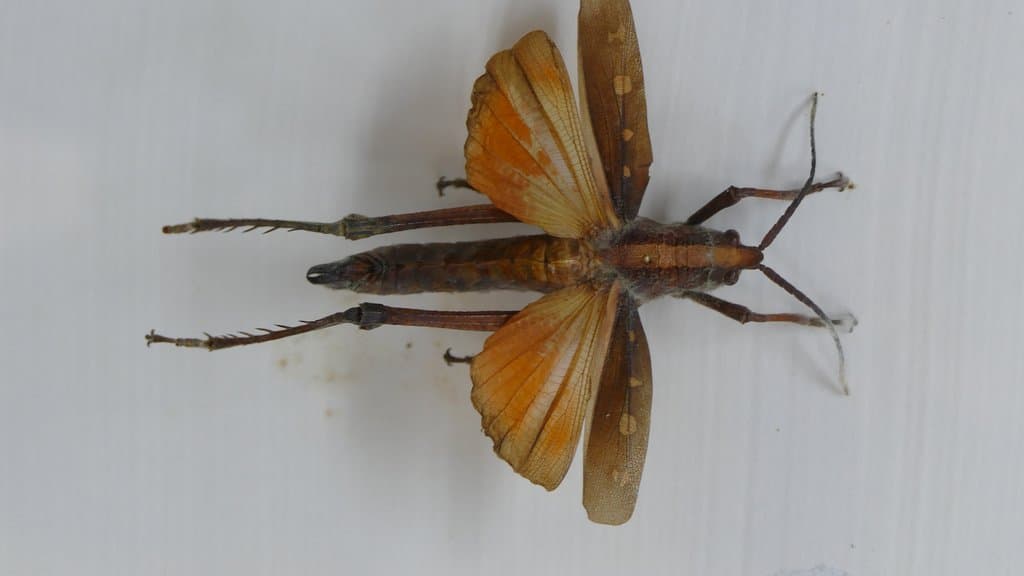
Insect Collection
Insect Collection Room
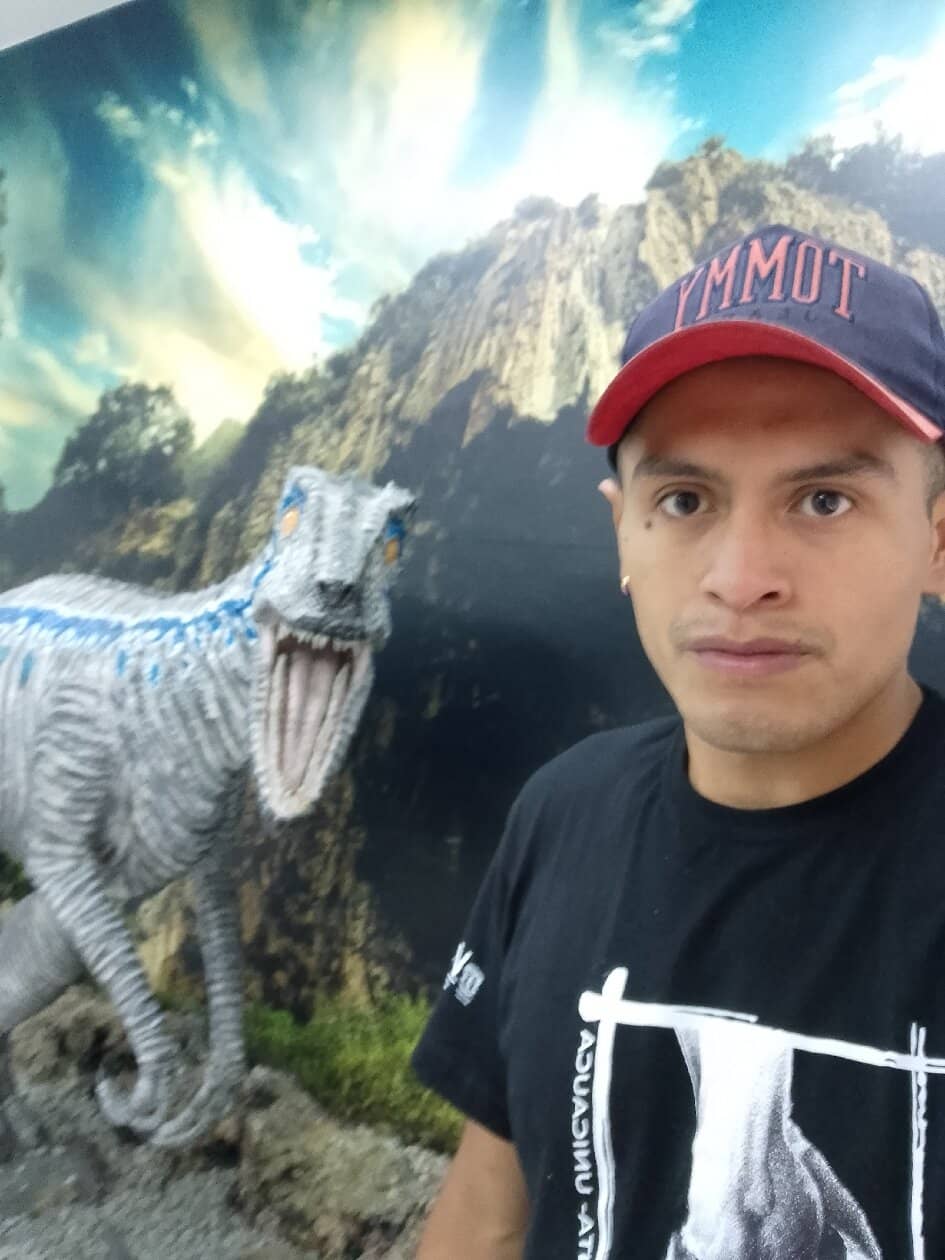
Explore a dedicated collection of insects, a vital part of biodiversity research and a fascinating display for visitors.
Plans like a pro.
Thinks like you
Planning Your Visit
Plan Your Visit to the Natural History Museum
Tickets and Access Insights
Best Times
Insider Tips
from TikTok, Instagram & Reddit
Book a Spanish Guide
Enhance your visit with a knowledgeable guide, available in Spanish, for deeper insights into exhibits.
Confirm Opening Hours
Hours can be confusing; verify them beforehand to ensure a smooth visit.
Allow Ample Time
Plan for about 2 hours to thoroughly explore the museum's diverse collections.
Appreciate the Art
Don't miss the 'Coexistamos' urban art intervention adding a cultural layer to the museum.
Tips
from all over the internet
Book a Spanish Guide
Enhance your visit with a knowledgeable guide, available in Spanish, for deeper insights into exhibits.
Confirm Opening Hours
Hours can be confusing; verify them beforehand to ensure a smooth visit.
Allow Ample Time
Plan for about 2 hours to thoroughly explore the museum's diverse collections.
Appreciate the Art
Don't miss the 'Coexistamos' urban art intervention adding a cultural layer to the museum.
Focus on Local Fauna
While international specimens are present, the museum excels in showcasing regional biodiversity.
What Travellers Say
Reviews Summary
Visitors generally find the Museo de Historia Natural Universidad del Cauca to be an enjoyable and educational experience, particularly for its diverse collection of animal specimens and affordable entry fee. While some appreciate the historical aspect of older mounts and the inclusion of international fauna, others note a lack of detailed information and inconsistent maintenance in certain areas. The availability of Spanish-speaking guides is a plus for those who can utilize them.
"Good museum. Takes about 2 hours to get round relatively thoroughly. It's not entirely focused on the region though as some fauna if from North America, Africa and Asia. Still, I enjoyed it and left with a sense of how vulnerable many animal species are."
John
"Waited all day until they opened and then weren’t allowed in for some reason despite it being open - very confusing. Seemed like it was well-staffed but the security guard told us to come back tomorrow, which was not possible for us - disappointing"
Tristan Russell
"Reptiles, amphibians, birds, insects and mammals. The bird mounts were well done, mostly collected in the 1950s, it gives a good overview of the avifauna of Colombia. Good tour guide"
steve gellman
What People Like
What People Dislike
Frequently Asked Questions
🚇 🗺️ Getting There
The museum is located within the Universidad del Cauca campus in Popayán. You can reach it by local taxi or public transport heading towards the university area.
Parking availability can be limited on campus. It's advisable to use public transport or taxis to reach the university.
Depending on your accommodation, it might be a considerable walk. Taxis are readily available and affordable for a quicker journey.
🎫 🎫 Tickets & Entry
The entrance fee is 8000 COP, making it an affordable option for exploring natural history.
Information on specific discounts is not widely available, but the general admission is quite reasonable. It's best to inquire at the entrance.
Currently, there is no information about online ticket purchasing. It's recommended to buy tickets upon arrival at the museum.
Opening hours can sometimes be inconsistent. It's crucial to confirm the current operating times before your visit to avoid disappointment.
Information regarding accessibility is limited. Visitors with specific needs should contact the museum directly for details.
🎫 🧭 Onsite Experience
Most visitors spend around 2 hours to explore the museum thoroughly, taking in the diverse exhibits.
Yes, guided tours are offered, but they are exclusively in Spanish. They provide a deeper understanding of the collections.
You'll find a wide range of exhibits including mammals, birds, reptiles, amphibians, and insects, with some specimens from international locations.
While the collection is impressive, some visitors note that certain areas might lack lighting or detailed information, suggesting room for improvement in maintenance.
Photography is generally allowed, but it's always a good idea to check for any specific restrictions at the entrance.
🍽️ 🍽️ Food & Dining
There are no food or dining facilities within the museum itself. It's advisable to eat before or after your visit.
The museum is located on the university campus, so there are likely cafeterias or eateries nearby. Popayán's city center also offers numerous dining options.
📸 📸 Photography
The well-mounted animal displays, especially the bird and mammal exhibits, offer great photographic opportunities. The 'Coexistamos' street art is also a unique visual element.
It's best to avoid using flash photography, as it can damage delicate specimens and is often prohibited in museums. Check for signage.
For commercial photography, you would likely need to seek special permission from the university administration.
For Different Travelers
Tailored advice for your travel style
👨👩👧 Families with Kids
 The museum's collection, featuring specimens from around the world, can spark curiosity about biodiversity and different ecosystems.
 While the museum is a great educational outing, parents should be aware that guided tours are only in Spanish.
💰 Budget Travelers
To maximize value, consider visiting during weekday mornings when crowds are typically lower, allowing for a more relaxed and in-depth experience without additional costs.
Deep Dives
In-depth insights and expert knowledge
A Glimpse into Taxidermy and Conservation
These displays, some dating back to the 1950s, not only showcase the beauty of various species but also serve as a historical record of biodiversity. The museum's collection, which includes fauna from across the globe, highlights the importance of conservation efforts and the vulnerability of many animal species in the modern world. Beyond the scientific exhibits, the museum has embraced art and culture. The 'Coexistamos' urban art intervention has added vibrant colors and a contemporary artistic dimension to the museum's facade, demonstrating a commitment to engaging the community through diverse mediums.
This blend of science and art makes the museum a unique cultural hub in Popayán, appealing to a broader audience interested in both natural history and creative expression. Collaborations with other institutions, such as the Botanical Garden of Popayán and the Cali Zoo, further underscore the museum's role in conservation and knowledge sharing.
These partnerships facilitate the exchange of expertise and experiences, strengthening the collective efforts towards preserving Colombia's rich natural heritage. The museum also houses a significant insect collection, vital for entomological research and understanding the intricate ecosystems of the region. Navigating Your Visit: Tips from Travelers
For those seeking a deeper understanding, opting for a guided tour is a good idea, though it's important to note that these are conducted solely in Spanish.
Social
from TikTok, Instagram & Reddit