
Gaocheng Astronomical Observatory
Explore a 13th-century observatory, a testament to ancient Chinese astronomical genius and precise timekeeping.
Highlights
Must-see attractions

Social
From TikTok & Reddit
Best Time
Fewer crowds, better photos
Gaocheng Astronomical Observatory
Best Time
Fewer crowds, better photos
Highlights
Must-see attractions
Explore a 13th-century observatory, a testament to ancient Chinese astronomical genius and precise timekeeping.
"Awe-inspiring place, evidence of advanced science and civilization of China in ancient times."

🚶♂️ Wear Comfortable Shoes
Explore the historical grounds with ease. Comfortable footwear is key for navigating the observatory and its surroundings.
📸 Capture the History
Bring your camera to document the ancient structures and the impressive accuracy of the sundial. Great photo opportunities abound!

Highlights
Discover the most iconic attractions and experiences
Ancient Observatory Structure
Main observatory building
Step back to the 13th century in this remarkably preserved Yuan Dynasty observatory, a symbol of ancient Chinese astronomical achievement.
Accurate Ancient Sundial
Adjacent to the observatory
Marvel at the precision of this ancient sundial, showcasing the advanced understanding of timekeeping and solar observation by past civilizations.
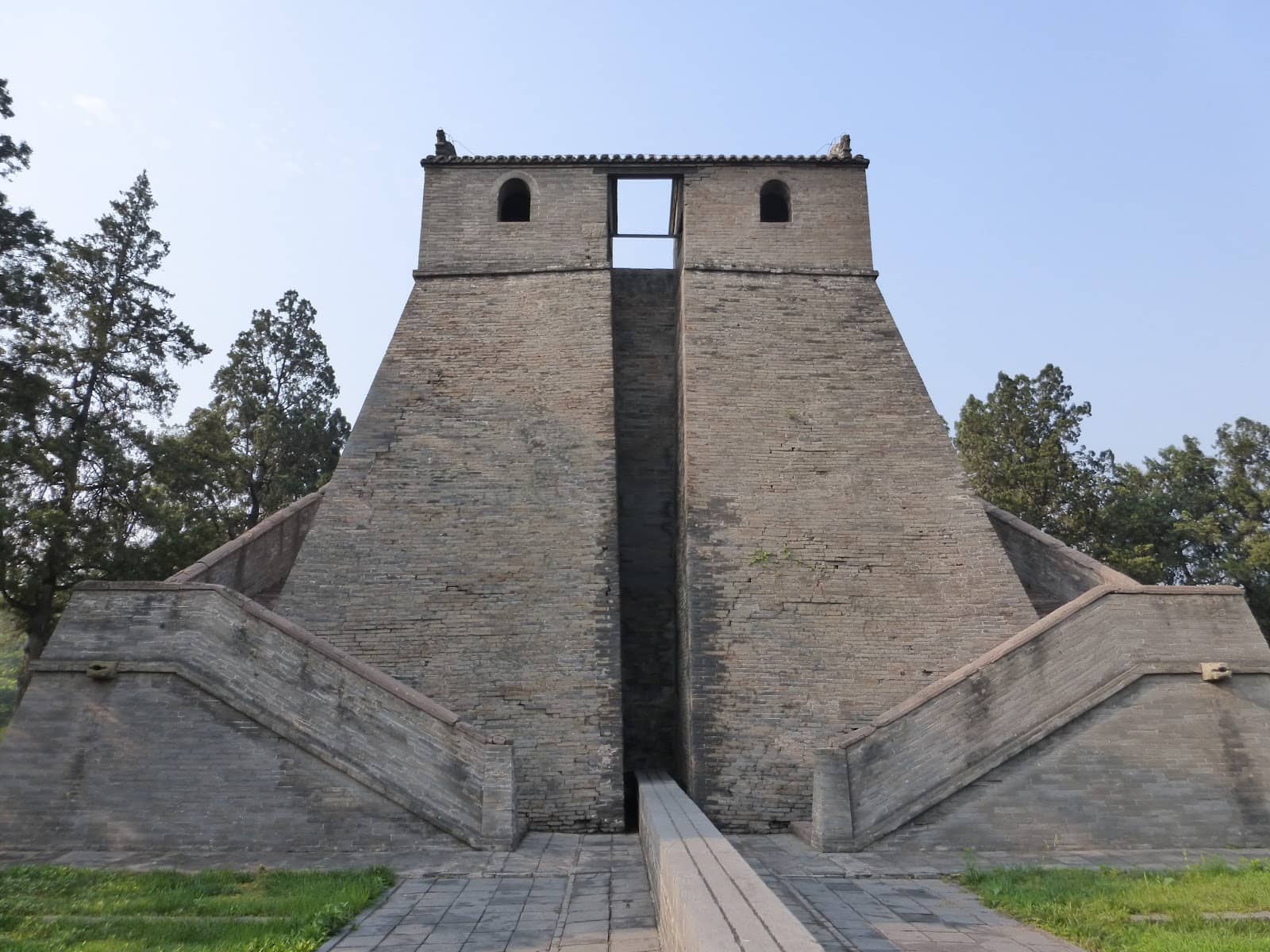
Evidence of Ancient Astronomy
Observatory grounds
Witness firsthand the tools and structures that ancient scholars used to study the night sky and calculate the length of a year with surprising accuracy.
Plans like a pro.
Thinks like you
Planning Your Visit
Timing Your Visit
Understanding Its Significance
Best Times
Insider Tips
from TikTok, Instagram & Reddit
🚶♂️ Wear Comfortable Shoes
Explore the historical grounds with ease. Comfortable footwear is key for navigating the observatory and its surroundings.
📸 Capture the History
Bring your camera to document the ancient structures and the impressive accuracy of the sundial. Great photo opportunities abound!
⏳ Allow Ample Time
Give yourself enough time to truly appreciate the historical significance and the ingenuity of ancient Chinese astronomy.
Tips
from all over the internet
🚶♂️ Wear Comfortable Shoes
Explore the historical grounds with ease. Comfortable footwear is key for navigating the observatory and its surroundings.
📸 Capture the History
Bring your camera to document the ancient structures and the impressive accuracy of the sundial. Great photo opportunities abound!
⏳ Allow Ample Time
Give yourself enough time to truly appreciate the historical significance and the ingenuity of ancient Chinese astronomy.
What Travellers Say
Reviews Summary
Visitors are consistently awed by the Gaocheng Astronomical Observatory's historical significance and the remarkable preservation of its ancient structures, particularly the 13th-century observatory and its accurate sundial. It's seen as a powerful testament to ancient Chinese scientific prowess and a fascinating glimpse into the past. Some visitors note that amenities might be basic, but the historical value far outweighs this.
"Eager to visit when I go back to China! One of the world's most ancient observatory to calculate the accurate length of a year."
Iila
"Awe inspiring place. Evidence of the advanced Science and civilisation of China in ancient times. I was privileged to visit in 2016."
Joseph Kecskemeti
"The observatory left over from the Yuan Dynasty is well preserved, and time and space seem to have returned to the 13th century."
Remi Young
What People Like
What People Dislike
Frequently Asked Questions
🚇 🗺️ Getting There
The observatory is located in Gaocheng District, Shijiazhuang, Hebei Province, China. Visitors typically reach it via local transportation from Shijiazhuang city. Taxis or ride-sharing services are common options, and some local buses may also serve the area. It's advisable to check the latest public transport routes closer to your travel date.
Parking availability can vary, especially during peak tourist seasons. It's recommended to inquire about designated parking areas upon arrival or consider using public transport to avoid any parking hassles.
From major cities like Beijing or Tianjin, you can take a high-speed train to Shijiazhuang Railway Station. From there, you can arrange local transport to the observatory. This is often the most efficient way to travel.
🎫 🎫 Tickets & Entry
Opening hours can vary seasonally. It's best to check the official website or contact the local tourism office for the most up-to-date information on operating hours before your visit.
Admission fees are generally reasonable, reflecting its historical significance. Check for any potential discounts for students, seniors, or group visits. It's wise to have some local currency on hand for ticket purchases.
While on-site ticket purchase is common, checking if advance booking is available can save time, especially during busy periods. This information is usually found on official tourism portals.
Guided tours can enhance your understanding of the historical and scientific aspects of the observatory. Inquire at the ticket counter or visitor center about the availability and schedule of guided tours, which may be in Mandarin.
🎫 🧭 Onsite Experience
You can explore the ancient observatory structure, marvel at the accurate sundial, and learn about ancient Chinese astronomy. The site offers a glimpse into the scientific achievements of the Yuan Dynasty.
Accessibility can be a concern at historical sites. While some areas might be accessible, certain parts of the ancient structures may have uneven terrain or stairs. It's advisable to contact the site directly for specific accessibility information.
A typical visit can last from 1 to 2 hours, depending on your interest in the historical and scientific details. This allows time to explore the main structures and appreciate the exhibits.
Basic visitor facilities such as restrooms are usually available. Gift shops with souvenirs related to astronomy and Chinese history might also be present, though options can be limited.
Photography is generally permitted in most outdoor areas for personal use. However, check for any specific restrictions on flash photography or in certain indoor exhibits to preserve the historical artifacts.
🍽️ 🍽️ Food & Dining
Dining options directly at the observatory are usually limited. You'll likely find more choices in the nearby town of Gaocheng or back in Shijiazhuang city, offering local Chinese cuisine.
Bringing your own snacks and water is often allowed, especially for a day trip. However, it's good practice to check site regulations and ensure you clean up after yourself to maintain the historical site's condition.
📸 📸 Photography
The ancient observatory structure itself, the detailed sundial, and the surrounding historical architecture offer excellent photographic opportunities. Early morning or late afternoon light can enhance the visual appeal.
Drone usage is typically prohibited at historical and cultural sites to ensure safety and preservation. Always check local regulations and site-specific rules before attempting to fly a drone.
For Different Travelers
Tailored advice for your travel style
👨👩👧 Families with Kids
🤓 History & Science Enthusiasts
Deep Dives
In-depth insights and expert knowledge
The Legacy of Ancient Chinese Astronomy
One of the most striking features is the ancient sundial, which demonstrates an impressive understanding of solar movement and timekeeping. Its accuracy, even by modern standards, is awe-inspiring and speaks volumes about the advanced civilization that created it. Visiting this observatory offers a unique opportunity to connect with this scientific legacy and appreciate the long history of human curiosity about the cosmos.
Travelers often express surprise at the level of scientific advancement evident at the site. It's a place that sparks wonder and provides tangible proof that people in the past were deeply engaged with understanding the universe. The preservation of these structures allows us to visualize and learn from their achievements, making it a truly educational and inspiring destination.
Experiencing the Gaocheng Astronomical Observatory
While the site is a historical marvel, it's important to manage expectations regarding modern amenities. The focus is on the historical significance, so expect a more rustic experience rather than a high-tech tourist attraction. This authenticity is part of its charm, allowing for a more immersive journey into the past. It’s a place that encourages contemplation on the enduring human quest to understand our place in the universe.
For those interested in history and science, the observatory is a must-see. It provides a unique perspective on the scientific achievements of ancient China and offers a quiet, reflective atmosphere to appreciate this legacy. The evidence of advanced civilization is palpable, making it a rewarding visit for curious minds.



Social
from TikTok, Instagram & Reddit