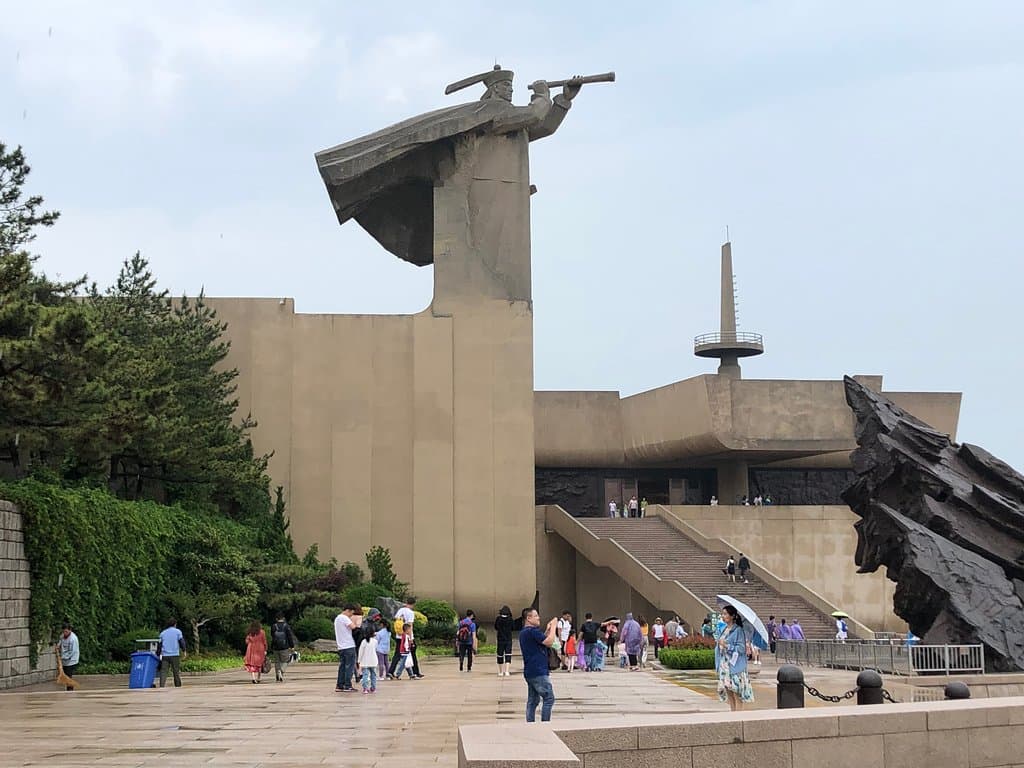
Sino-Japanese War Museum Liugongdao
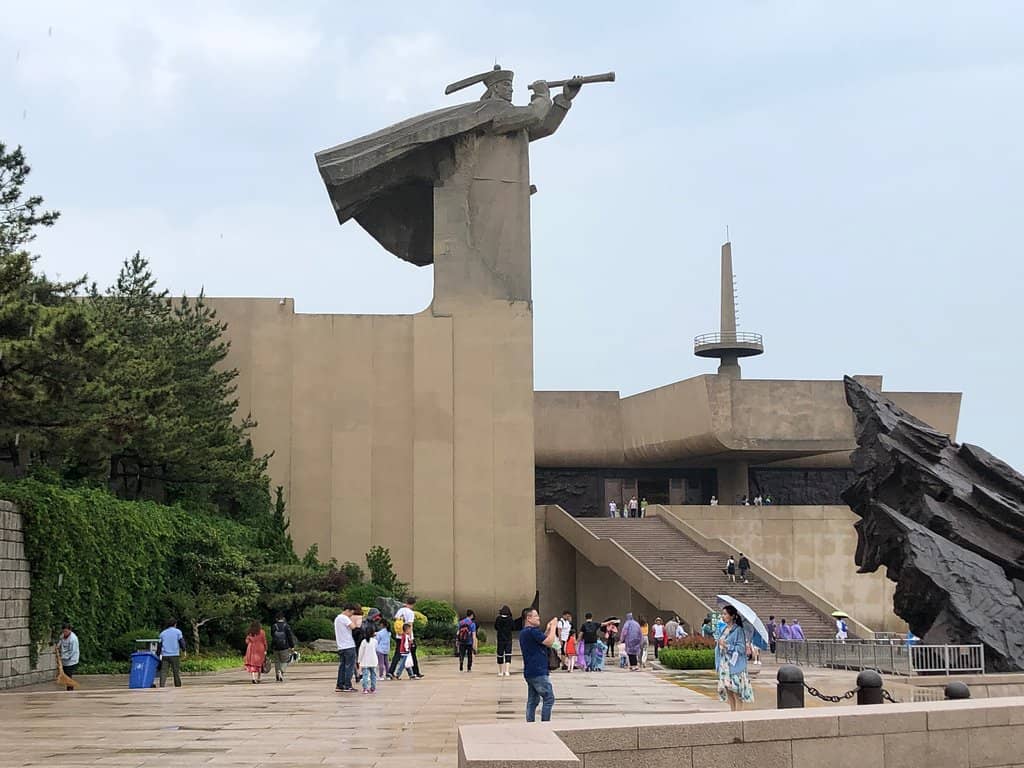
Explore the pivotal Sino-Japanese War Museum on Liugong Island, a testament to China's naval history and resilience.
Highlights
Must-see attractions

Social
From TikTok & Reddit
Best Time
Fewer crowds, more reflective time.
Sino-Japanese War Museum Liugongdao
Best Time
Fewer crowds, more reflective time.
Highlights
Must-see attractions
Explore the pivotal Sino-Japanese War Museum on Liugong Island, a testament to China's naval history and resilience.
"The information is detailed and the exhibits are exquisite. It shows history in a relatively objective way. "
🤔 Consider the Historical Lens
Remember that museums present a specific narrative. This museum focuses on China's perspective of the war.
🚢 Ferry to Liugong Island
The museum is on Liugong Island, requiring a ferry. Allow ample time for travel to the terminal and the boat ride.
Highlights
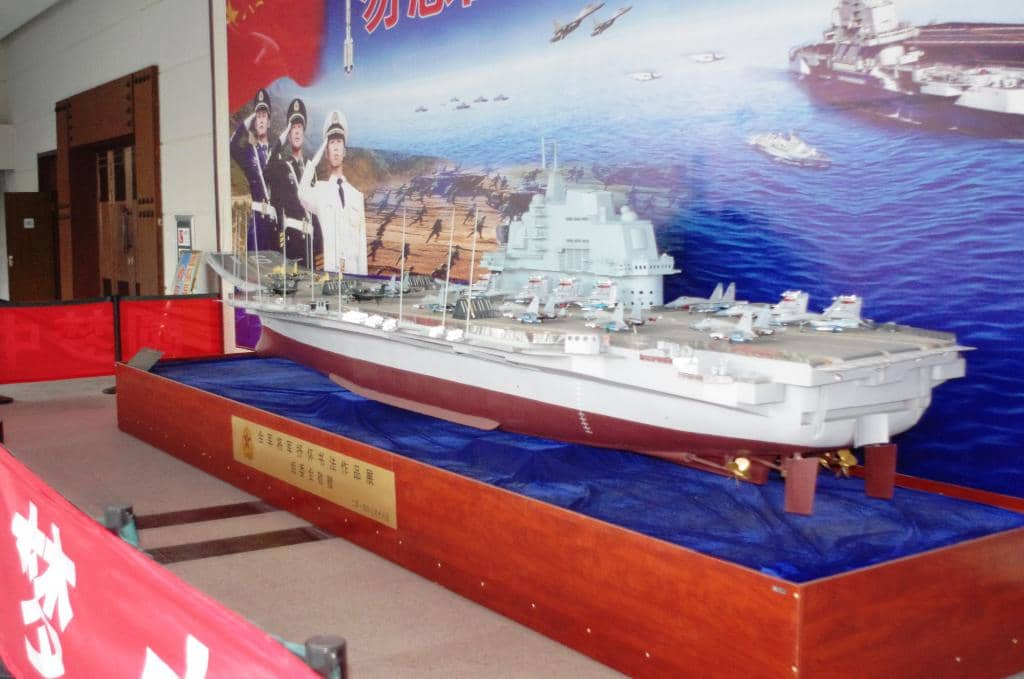
Discover the most iconic attractions and experiences
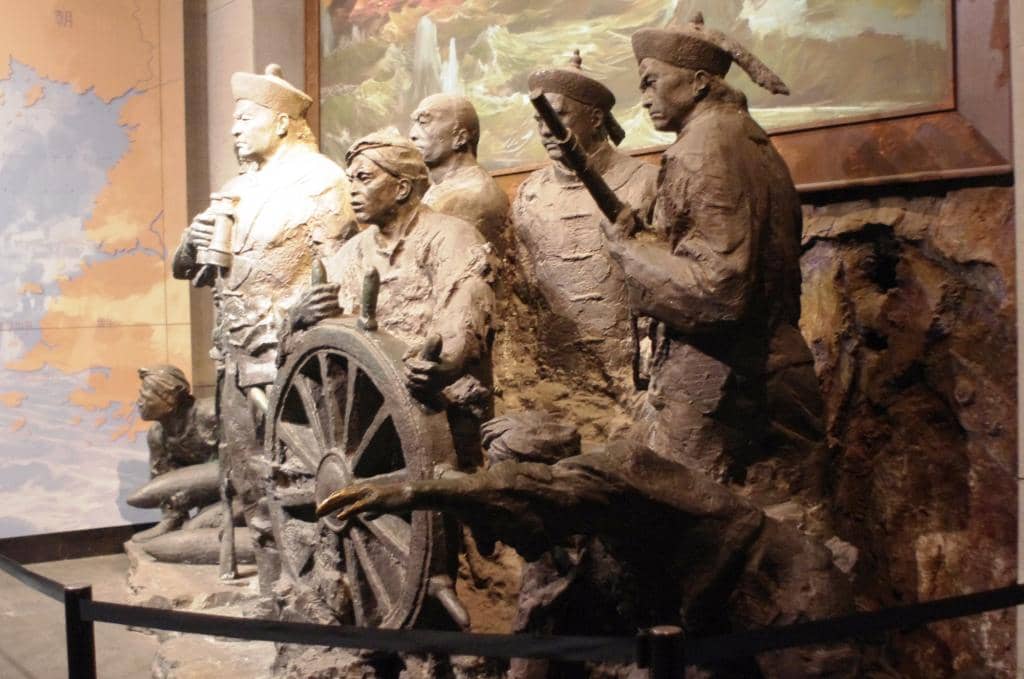
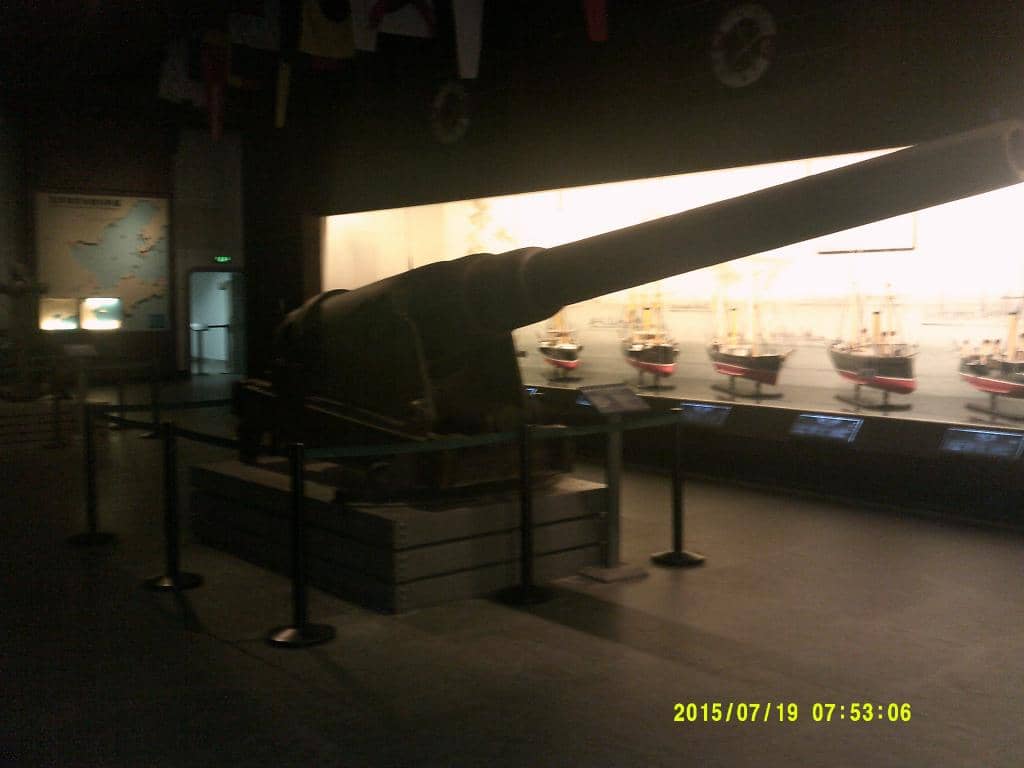
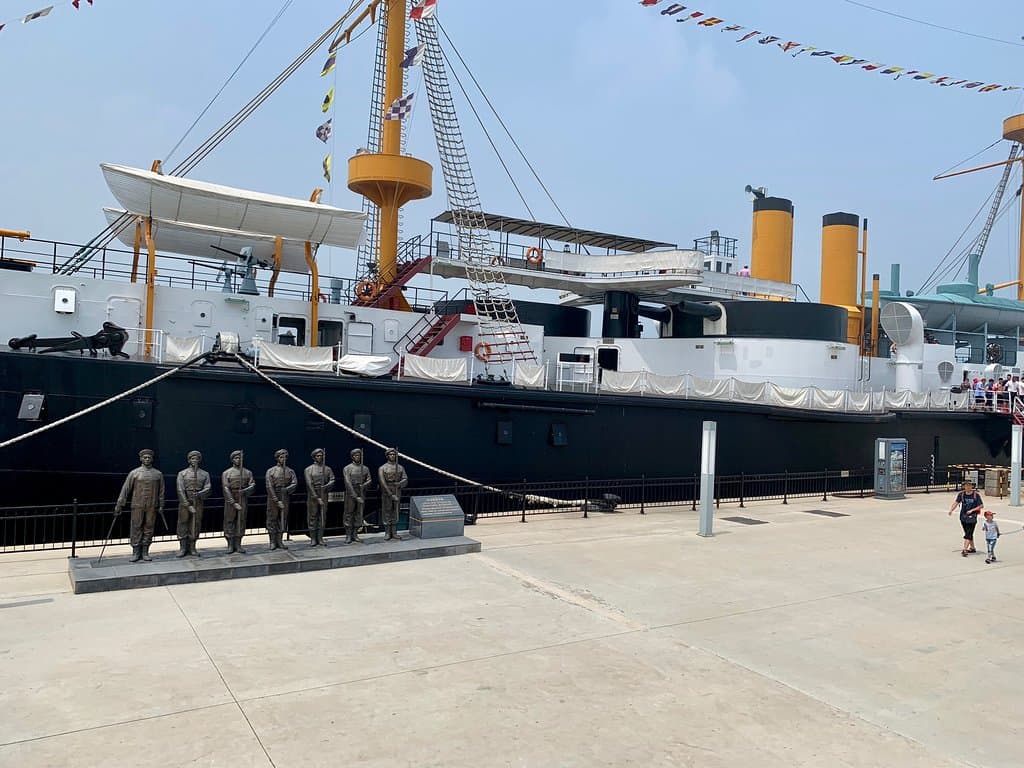
Beiyang Fleet Base Exhibits
Main Exhibition Hall
Witness the remnants of China's once-powerful 'best in the Far East' navy.
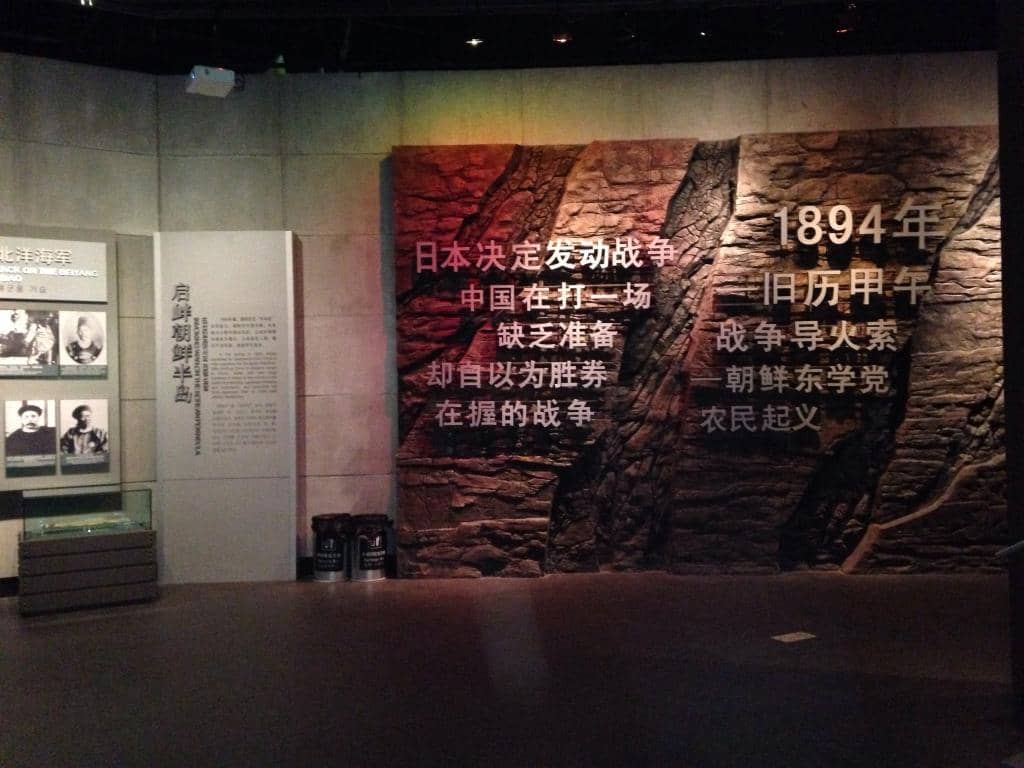
War Criminals Tribunal Display
Special Exhibition Area
Explore the historic trial of Class-A Japanese war criminals from World War II.
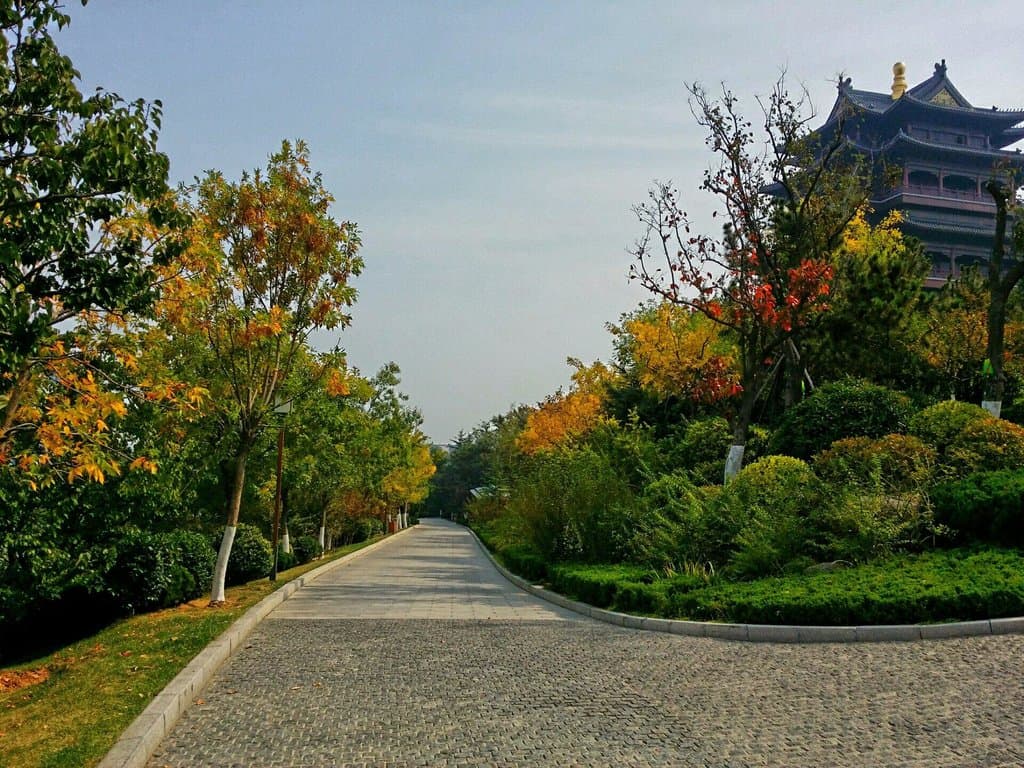
Liugong Island's Historical Significance
Throughout the Museum and Island
Understand how this small island shaped China's modern history and witnessed a dynasty's decline.
Plans like a pro.
Thinks like you
Planning Your Visit
Understand the Narrative
Plan Your Visit to Liugong Island
Best Times
Insider Tips
from TikTok, Instagram & Reddit
🤔 Consider the Historical Lens
Remember that museums present a specific narrative. This museum focuses on China's perspective of the war.
🚢 Ferry to Liugong Island
The museum is on Liugong Island, requiring a ferry. Allow ample time for travel to the terminal and the boat ride.
📚 Deep Dive into History
The exhibits are detailed and showcase history in a relatively objective way.
📸 Capture the Scenery
Beyond the museum, Liugong Island offers beautiful views and historical sites.
Tips
from all over the internet
🤔 Consider the Historical Lens
Remember that museums present a specific narrative. This museum focuses on China's perspective of the war.
🚢 Ferry to Liugong Island
The museum is on Liugong Island, requiring a ferry. Allow ample time for travel to the terminal and the boat ride.
📚 Deep Dive into History
The exhibits are detailed and showcase history in a relatively objective way.
📸 Capture the Scenery
Beyond the museum, Liugong Island offers beautiful views and historical sites.
What Travellers Say
Reviews Summary
Visitors appreciate the museum's detailed exhibits and its role as a patriotic education base, highlighting China's historical resilience. While some acknowledge the specific narrative presented, the overall sentiment is that it offers a valuable and objective look at a crucial period in Chinese history.
"I appreciate the historic value of museums, but always keep in mind who is telling the history, as it may favor one country over another."
Nova Nocturne
"A place that influenced China's modern history, the Beiyang Fleet Base."
Patrick Wong
"The information is detailed and the exhibits are exquisite. It shows history in a relatively objective way."
Lui Lui
What People Like
What People Dislike
Frequently Asked Questions
🚇 🗺️ Getting There
The museum is located on Liugong Island. You'll need to travel to the ferry terminal in Weihai city and then take a ferry to the island. Ferries are frequent, but check schedules in advance, especially during off-season.
Weihai has an airport (Weihai Dashuibo Airport - WEH) and is accessible by high-speed train from major Chinese cities. From the city center, you can take a taxi or local bus to the ferry terminal.
Yes, Liugong Island is generally accessible year-round, but ferry services might be affected by severe weather conditions, especially in winter. It's advisable to check ferry status on the day of your visit.
The ferry ride to Liugong Island typically takes about 20-30 minutes. Add to this the travel time to the ferry terminal and any waiting time.
Once on Liugong Island, you can walk to the museum or use local electric sightseeing vehicles to get around the island's attractions.
🎫 🎫 Tickets & Entry
Admission prices can vary. It's recommended to check the official website or inquire locally for the most current ticket information.
Online booking options may be available, especially for combined tickets that include the ferry and island entry. This can often save time.
Opening hours can change seasonally. Typically, museums are open during daylight hours, but it's best to confirm the exact times before your visit.
Yes, there is usually an entrance fee for Liugong Island, which may or may not be included in your museum ticket. Clarify this when purchasing.
Discounts might be available for students, seniors, or children. Inquire about potential discounts when purchasing your tickets.
🎫 🧭 Onsite Experience
To fully appreciate the exhibits and historical context, plan for at least 2-3 hours. If you want to explore Liugong Island further, allocate a full day.
Key exhibits include displays on the Beiyang Fleet, the war's major battles, and the international tribunal for war criminals.
The museum offers significant historical and educational value. While some content might be intense, it's a valuable learning experience about a crucial period in history.
Information on guided tours may be available at the museum. Check with the information desk upon arrival for details and schedules.
Besides the museum, Liugong Island features historical naval bases, fortifications, and scenic spots, offering a comprehensive historical and natural experience.
📸 📸 Photography
Photography policies can vary. Generally, flash photography is prohibited to protect exhibits. Check for signage or ask museum staff for specific rules.
The island offers scenic coastal views, historical naval structures, and the museum itself. Capture the dramatic landscapes and remnants of the past.
Drone usage is typically restricted in historical sites and national parks. It's best to assume it's not allowed unless explicitly permitted.
Visitors often capture historical architecture, naval artifacts, and the island's natural beauty, reflecting its military and scenic importance.
Photography rules for specific exhibits, like the war criminals tribunal, should be followed carefully. Always adhere to museum guidelines.
For Different Travelers
Tailored advice for your travel style
👨👩👧 Families with Kids
Consider focusing on the broader historical context and the importance of peace. The museum's detailed displays can spark curiosity about naval history and the impact of wars. Ensure children are accompanied and that discussions about the exhibits are age-appropriate. The ferry ride to the island can also be an exciting part of the adventure for younger visitors.
📚 History Enthusiasts
Beyond the museum, the island itself is steeped in history, with remnants of naval bases and fortifications. Exploring these sites alongside the museum's narrative provides a comprehensive understanding of Liugong Island's role in shaping modern China. Don't miss the exhibits on the war criminals' trials, which offer a crucial perspective on post-war justice.
Deep Dives
In-depth insights and expert knowledge
The Significance of Liugong Island
The defeat at Liugong Island led to the signing of the Treaty of Shimonoseki, a humiliating treaty that forced China to cede Taiwan and pay a massive indemnity to Japan. This event profoundly impacted China's national consciousness and is often cited as a turning point that fueled later revolutionary movements. The museum's exhibits aim to educate visitors about this critical period, emphasizing the importance of national strength and historical remembrance.
Beyond the military history, Liugong Island itself is a place of natural beauty. Visitors can explore the remnants of fortifications, enjoy coastal views, and reflect on the historical events that unfolded here. The island's transformation from a naval stronghold to a site of historical education underscores its enduring significance.
Understanding the Museum's Perspective
While the museum provides detailed information and exquisite exhibits, it's important for visitors to be aware of the historical perspective being presented. As one reviewer noted, 'always keep in mind who is telling the history, as it may favor one country over another.'
For instance, the museum covers the International Military Tribunal for the Far East, which tried Class-A Japanese war criminals. This aspect underscores the international recognition of Japan's wartime atrocities and aligns with China's narrative of seeking justice and peace.



Social
from TikTok, Instagram & Reddit