Guoqing Temple Tiantai
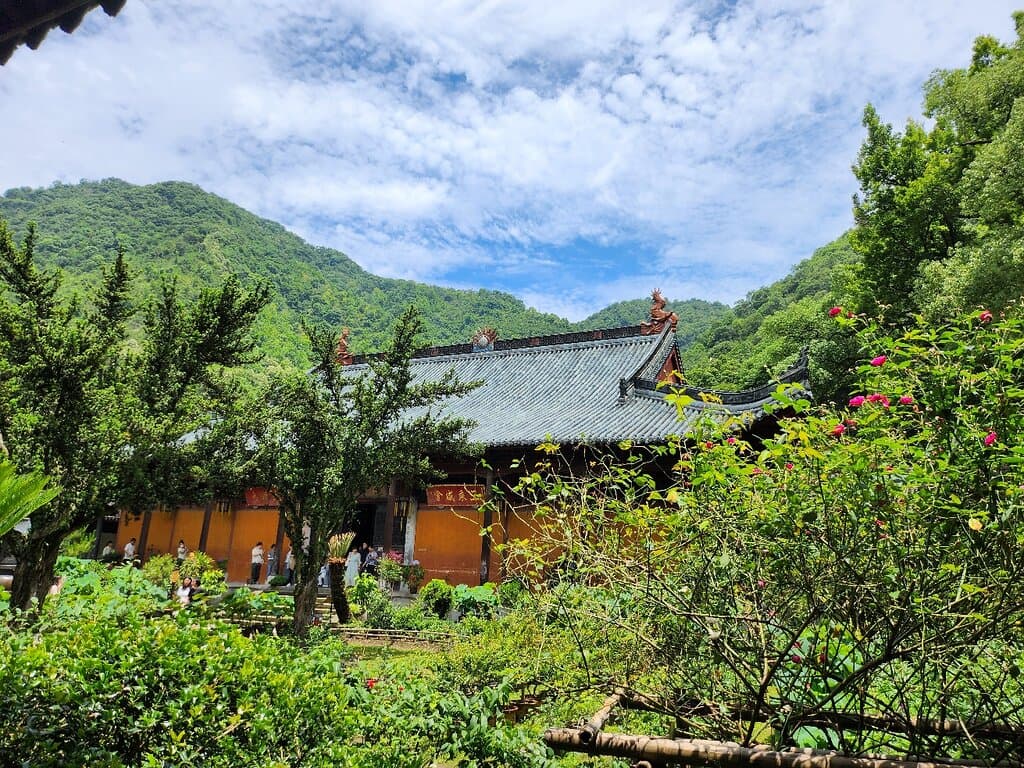
Birthplace of Tiantai Buddhism, Guoqing Temple boasts ancient architecture and serene grounds, offering a peaceful spiritual escape.
Highlights
Must-see attractions

Social
From TikTok & Reddit
Best Time
Experience serene tranquility
Guoqing Temple Tiantai
Best Time
Experience serene tranquility
Highlights
Must-see attractions
Birthplace of Tiantai Buddhism, Guoqing Temple boasts ancient architecture and serene grounds, offering a peaceful spiritual escape.
"A beautiful and well-loved area with incredible energy still present after 1500 years."
🎯 Arrive Early for Peace
Beat the crowds and experience the temple's true serenity by visiting in the early morning.
👟 Comfortable Walking Shoes
You'll be doing a lot of exploring on foot, so wear comfortable shoes to enjoy the grounds.
Highlights
Discover the most iconic attractions and experiences
Sui Dynasty Pagoda
Temple grounds
A testament to ancient architecture, this pagoda has stood for over a millennium, offering a glimpse into history.
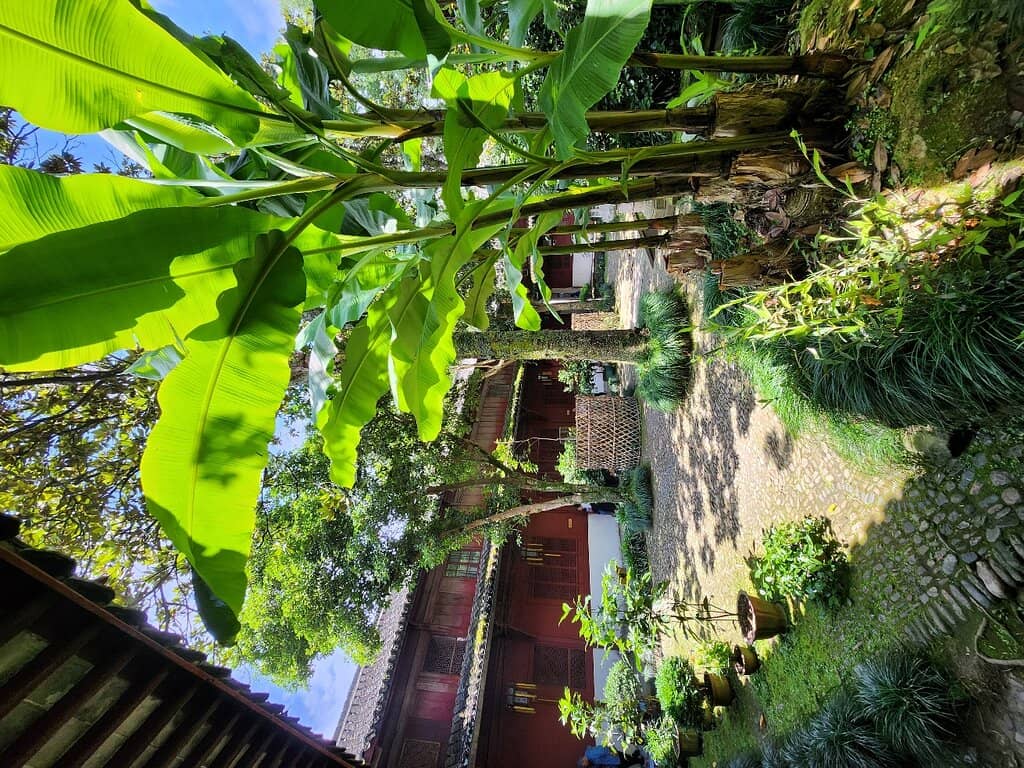
Fenggan Bridge
Near the temple
Cross this bridge for a peaceful moment, listening to the gentle flow of water below.
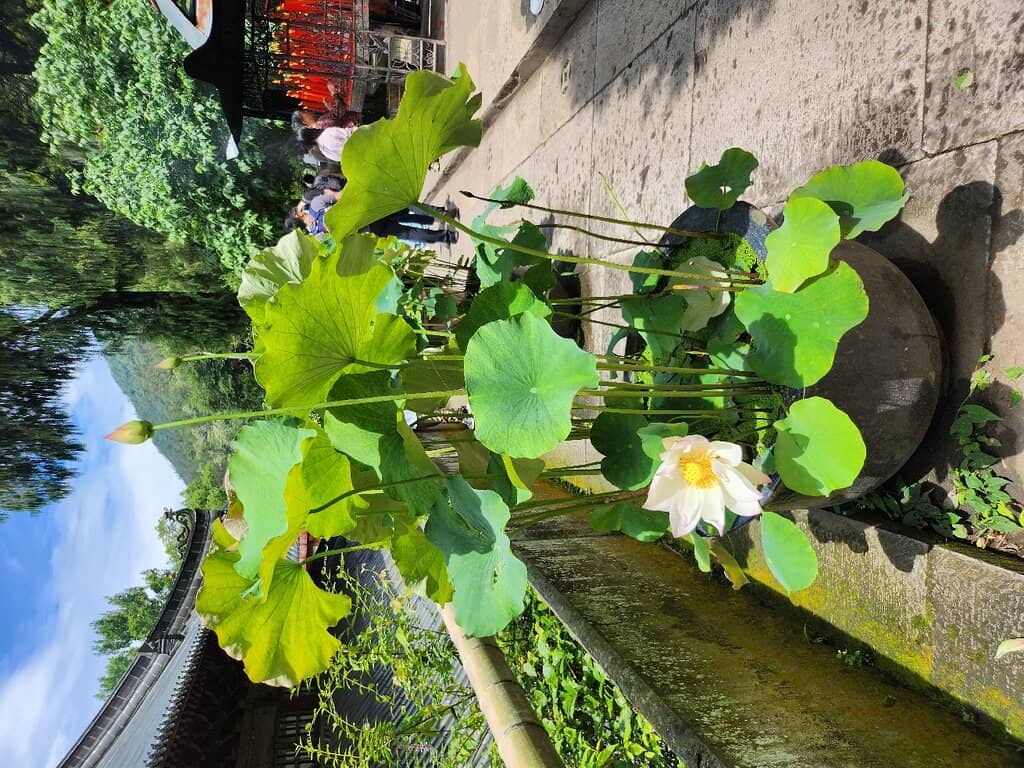
Ancient Trees & Calligraphy
Temple grounds
Wander among ancient trees, admire intricate calligraphy, and breathe in the scent of wintersweet flowers.
Plans like a pro.
Thinks like you
Planning Your Visit
Embrace the Tranquility
Budget-Friendly Exploration
Best Times
Insider Tips
from TikTok, Instagram & Reddit
🎯 Arrive Early for Peace
Beat the crowds and experience the temple's true serenity by visiting in the early morning.
👟 Comfortable Walking Shoes
You'll be doing a lot of exploring on foot, so wear comfortable shoes to enjoy the grounds.
💰 Free Entry Gem
Enjoy the temple's beauty without an admission fee; a rare find for such a historic site.
📸 Capture the Ambiance
The temple's ancient architecture and natural surroundings offer stunning photo opportunities.
Tips
from all over the internet
🎯 Arrive Early for Peace
Beat the crowds and experience the temple's true serenity by visiting in the early morning.
👟 Comfortable Walking Shoes
You'll be doing a lot of exploring on foot, so wear comfortable shoes to enjoy the grounds.
💰 Free Entry Gem
Enjoy the temple's beauty without an admission fee; a rare find for such a historic site.
📸 Capture the Ambiance
The temple's ancient architecture and natural surroundings offer stunning photo opportunities.
What Travellers Say
Reviews Summary
Visitors consistently praise Guoqing Temple for its profound tranquility, rich history, and stunning ancient architecture, often highlighting the free entry as a major bonus. The peaceful atmosphere, beautiful natural surroundings, and the spiritual significance as the birthplace of Tiantai Buddhism are frequently mentioned as highlights. Some minor points of improvement could include clearer signage for certain areas or more amenities for longer stays, though the overall sentiment is overwhelmingly positive.
"A beautiful Sui-dynasty temple with free entry when I visited. What surprised me even more is that it's just one of dozens of historic temples in the area. If you’re looking for an authentic ancient-temple pilgrimage experience, this city is incredible—and the cost is unbelievably low.
Even near the scenic area, meals are only around 30 RMB (~6 AUD), and if you go into the county town, you’ll find food from all over China for 10–20 RMB (3–4 AUD) per person. There are modern shopping centres, restored old streets, and Jiangnan-style water-town vibes.Truly a place worth visiting."
Xiaolai Wang
"Highly recommend visiting this temple. Beautiful and well loved area"
Kyle Ex
"the guojing temple is over a millennium old, as it was established during the tang dynasty, which lasted from 618 to 907 ad. this makes the temple more than 1,000 years old (!). as an active buddhist temple, it maintains a community of monks who reside on-site, engage in religious practices, perform rituals, and manage the temple's operations. the monks offer teachings, guidance, and support to visitors and pilgrims who come to the temple seeking spiritual guidance. I saw couple of them today engaged into chores, cleaning and also some who were rushing to have their classes.
the temple complex contains numerous historical buildings, statues, and artifacts that reflect the rich cultural heritage of tiantai buddhism and chinese buddhism in general. my favourite part about the temple is the peaceful environment. it is located in the forest, has numerous ancient trees distributed on its premises which offer wonderful setting for spiritual practice, including meditation, chanting, and sutra recitation.
in tiantai buddhism, nature is often seen as a manifestation of the buddha's teachings, reflecting the interdependent and impermanent nature of existence. the beauty and tranquility of natural landscapes serve as reminders of the dharma, encouraging contemplation, mindfulness, and a sense of interconnectedness with all living beings."
Arsa Longa
What People Like
What People Dislike
Frequently Asked Questions
🚇 🗺️ Getting There
Guoqing Temple is located in Tiantai County, Taizhou City, Zhejiang Province. You can typically reach Tiantai by bus from major cities like Hangzhou or Ningbo. From Tiantai city center, local buses or taxis can take you directly to the temple.
Yes, local buses frequently run from Tiantai city center to Guoqing Temple, making it easily accessible for visitors using public transport.
High-speed trains connect to nearby cities like Taizhou, from where you can take a bus or taxi to Tiantai. Buses are also a common and convenient option from major Zhejiang cities.
While specific parking details can vary, generally, there are parking areas available near major tourist attractions like Guoqing Temple. It's advisable to check local signage upon arrival.
Guoqing Temple is situated within Tiantai County, which is part of Taizhou City. The travel time from Taizhou's main urban area to the temple can be around 1-2 hours by car or bus.
🎫 🎫 Tickets & Entry
Many visitors report that Guoqing Temple has free entry, making it a very accessible historical and spiritual site.
While specific hours can change, temples in China are generally open from early morning until late afternoon. It's best to confirm current operating times before your visit.
As entry is often free, advance booking is typically not required. However, for special events or peak seasons, it's always wise to check for any updates.
As an active Buddhist temple, visitors are expected to dress respectfully and maintain a quiet demeanor. Photography is usually allowed in most areas, but always be mindful of ongoing religious practices.
Absolutely! Guoqing Temple is a perfect destination for a day trip, offering a rich cultural and historical experience within a few hours.
🎫 🧭 Onsite Experience
Don't miss the ancient Sui Dynasty Pagoda, the tranquil Fenggan Bridge, and the numerous halls housing beautiful Buddhist statues and artifacts. The ancient trees and calligraphy on the walls are also highlights.
While not always advertised, you might observe monks engaged in daily chores and classes. The peaceful environment is ideal for personal meditation and contemplation.
Yes, the temple's ancient architecture, serene courtyards, lush greenery, and historical pagodas offer numerous picturesque opportunities. +1
To fully appreciate the temple's atmosphere and explore its grounds, allocate at least 2-3 hours. If you wish to delve deeper into the surrounding Tiantai Buddhist sites, plan for a full day.
Guoqing Temple is considered the birthplace of the Tiantai sect of Mahayana Buddhism, making it a historically significant site for Buddhist followers worldwide.
🍽️ 🍽️ Food & Dining
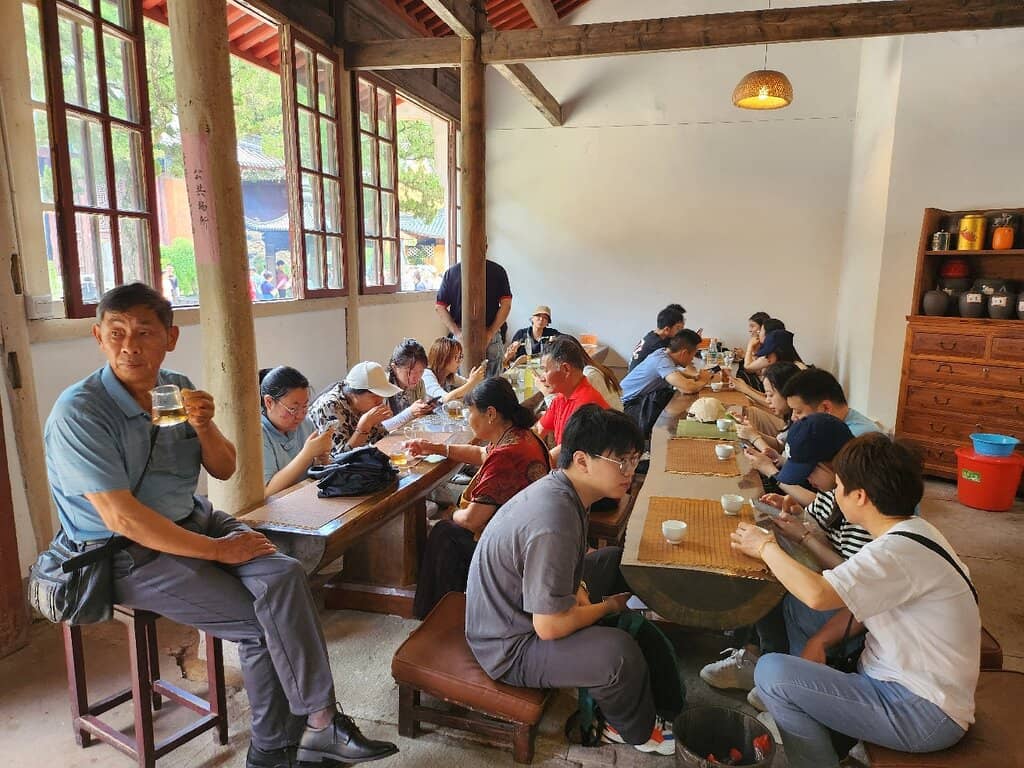
There are local eateries near the temple offering affordable meals. For a wider variety, head into Tiantai county town for diverse Chinese cuisine at very reasonable prices.
Expect to find traditional Chinese dishes. Near the scenic area, meals are around 30 RMB, and in the county town, you can find food from all over China for 10-20 RMB.
As it's a Buddhist temple, many local restaurants are accustomed to preparing vegetarian dishes. It's always a good idea to inquire about vegetarian options.
Meals near the temple are typically around 30 RMB, while in the county town, you can find options for 10-20 RMB per person.
While the focus is on spiritual tranquility, there might be small vendors selling water or simple snacks near the entrance, but it's best to bring your own if you have specific needs.
📸 📸 Photography
The Sui Dynasty Pagoda, the ancient trees, the Fenggan Bridge, and the intricate details of the temple architecture are all excellent photo opportunities. +1
Photography is generally permitted in outdoor areas and main halls. However, always be respectful and check for any signs indicating restrictions, especially in areas with active religious ceremonies.
Early mornings offer soft light and fewer crowds, ideal for capturing the temple's serene atmosphere. Golden hour in the late afternoon can also provide beautiful lighting.
Drone usage is typically restricted at religious sites and historical monuments to ensure safety and preserve the atmosphere. It's best to assume drones are not permitted.
A versatile lens (like a 24-70mm) is great for capturing both wide shots of the architecture and details. A wide-angle lens is useful for the grand structures, and a prime lens can be good for low-light interiors.
For Different Travelers
Tailored advice for your travel style
👨👩👧 Families with Kids
To make the visit more enjoyable for kids, consider focusing on the visual aspects – the colorful statues, the intricate carvings, and the towering trees. Pack snacks and water, as options within the temple might be limited. Emphasize the peaceful nature of the site and encourage respectful behavior. The nearby town also offers more lively activities and diverse food options if the temple visit is part of a larger itinerary.
🧘 Spiritual Seekers & Meditators
The temple's deep historical roots and its active community of monks offer a unique opportunity to connect with Buddhist traditions. You can observe the monks' daily routines and feel the centuries of devotion that have shaped this sacred space.
Deep Dives
In-depth insights and expert knowledge
The Cradle of Tiantai Buddhism
This sect's teachings, originating here, have spread far and wide, influencing Buddhist thought across East Asia. The temple complex itself is a living museum, housing numerous historical buildings, bronze statues, and artifacts that showcase the rich cultural heritage of Chinese Buddhism. Wandering through its ancient courtyards, one can almost feel the presence of the monks and scholars who have meditated, studied, and lived here throughout history.
The integration of nature into the temple's design is also a key aspect of Tiantai Buddhism. The surrounding forests and the tranquil environment are seen as manifestations of the Buddha's teachings, encouraging contemplation and mindfulness.
Exploring the Ancient Architecture
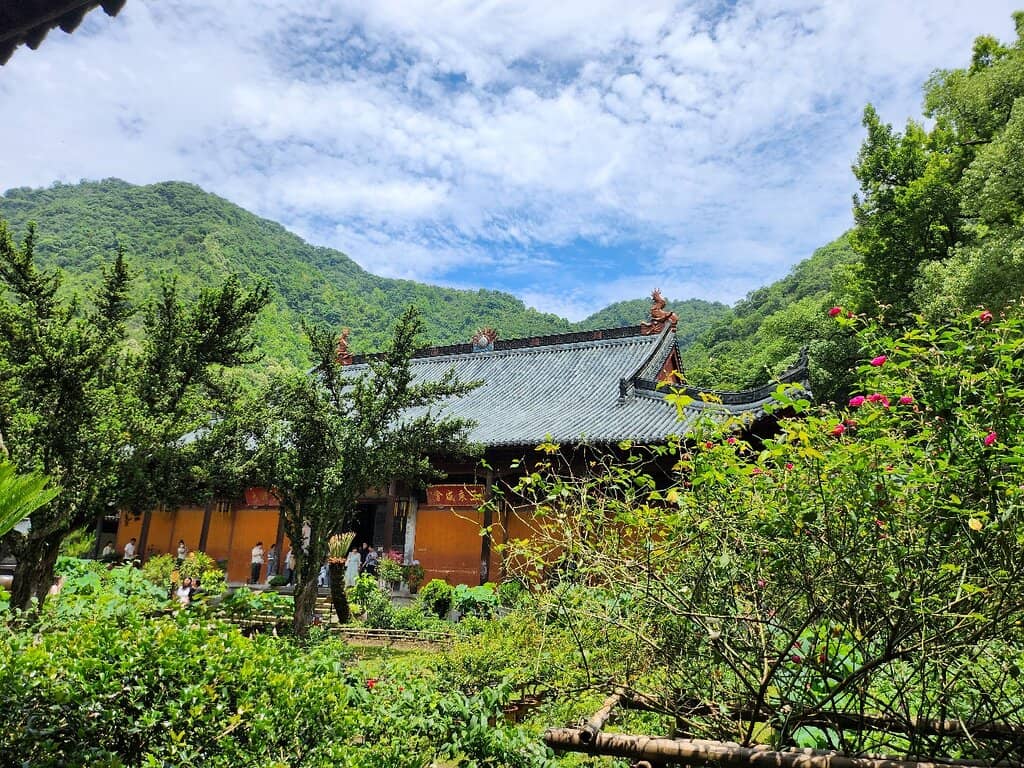
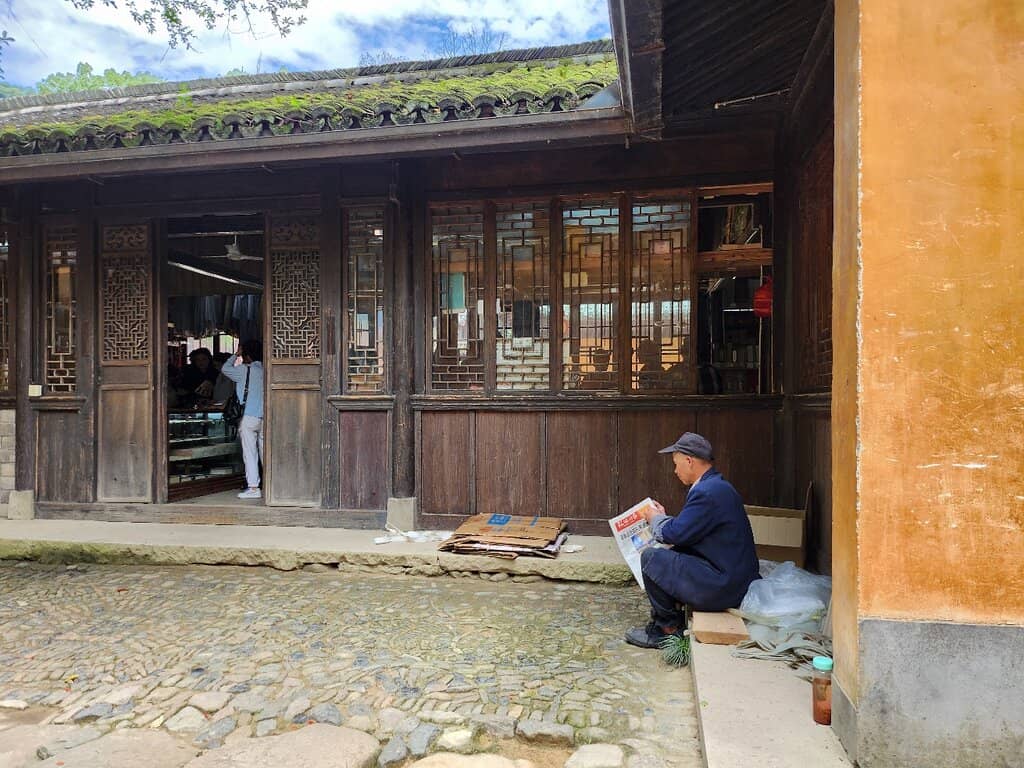
The temple complex is a sprawling collection of halls, courtyards, and smaller structures, each with its own unique charm and historical narrative. Many of these buildings feature intricate carvings, traditional tiled roofs, and weathered stone elements that speak to their age. The Fenggan Bridge, a picturesque spot near the temple, offers a moment of quiet reflection with the soothing sound of flowing water beneath.
Beyond the main structures, the temple grounds are adorned with ancient trees that have stood for millennia, their gnarled branches and lush canopies adding to the mystical atmosphere. The walls are often decorated with beautiful calligraphy and poems, inviting visitors to pause and appreciate the artistry and wisdom inscribed there.
A Budget Traveler's Paradise
The affordability extends to dining as well. Meals near the temple are typically around 30 RMB, and venturing into the nearby Tiantai county town opens up a world of culinary delights at even lower prices, often ranging from 10-20 RMB per person.
With inexpensive local transport options and the potential for free entry, Guoqing Temple offers an incredible value for travelers. It's a place where you can immerse yourself in history, culture, and spirituality without the high costs often associated with major tourist sites.
Social
from TikTok, Instagram & Reddit