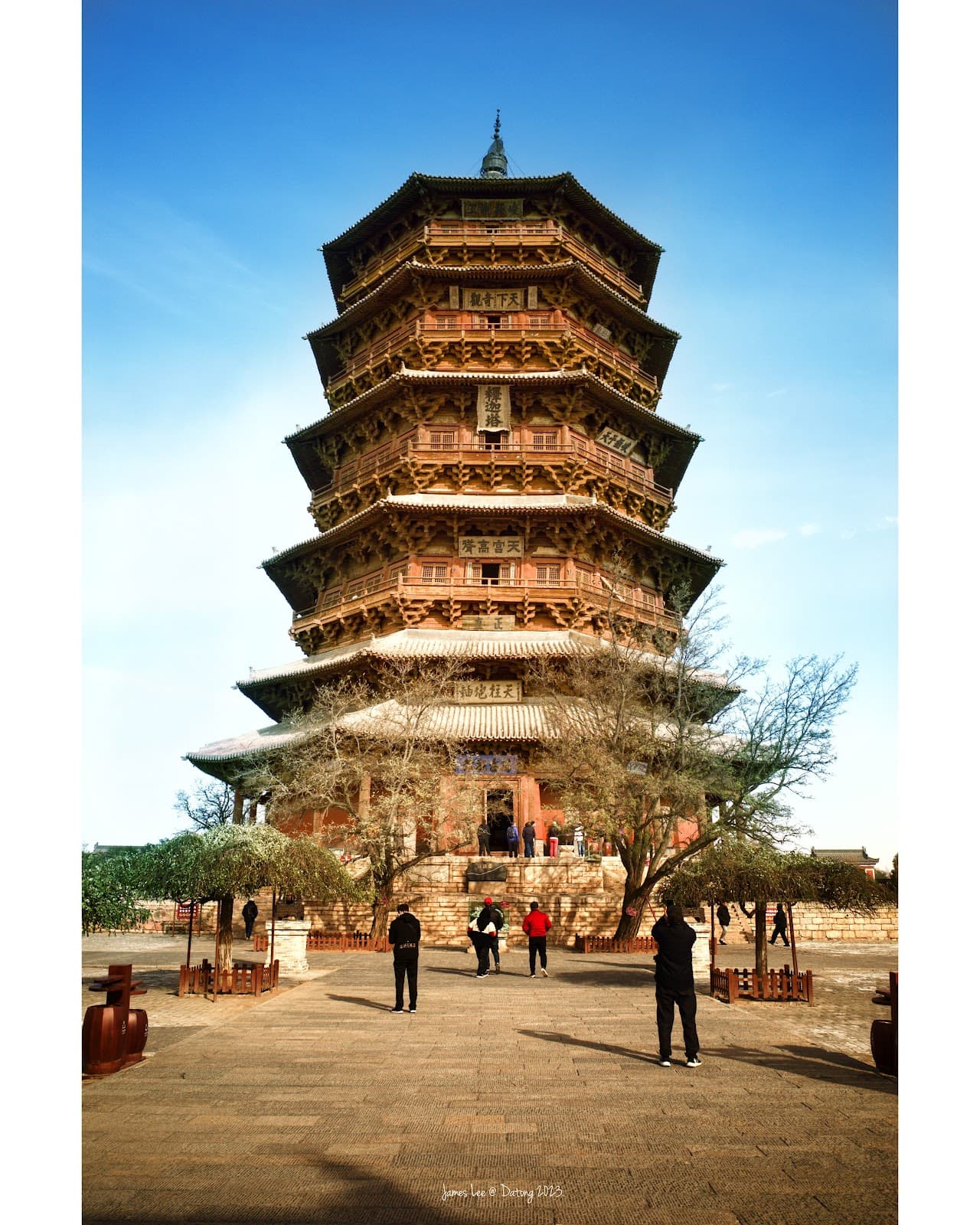
Yingxian Wooden Pagoda Fogong Temple
The world's oldest and tallest wooden pagoda, a 1056 AD marvel of nail-free joinery that has survived earthquakes and war.
Highlights
Must-see attractions

Social
From TikTok & Reddit
Best Time
Pleasant weather, fewer crowds
Yingxian Wooden Pagoda Fogong Temple
Best Time
Pleasant weather, fewer crowds
Highlights
Must-see attractions
The world's oldest and tallest wooden pagoda, a 1056 AD marvel of nail-free joinery that has survived earthquakes and war.
"It's almost a thousand years old, and with its connection to the Wu-Kong story, it's definitely worth a visit."
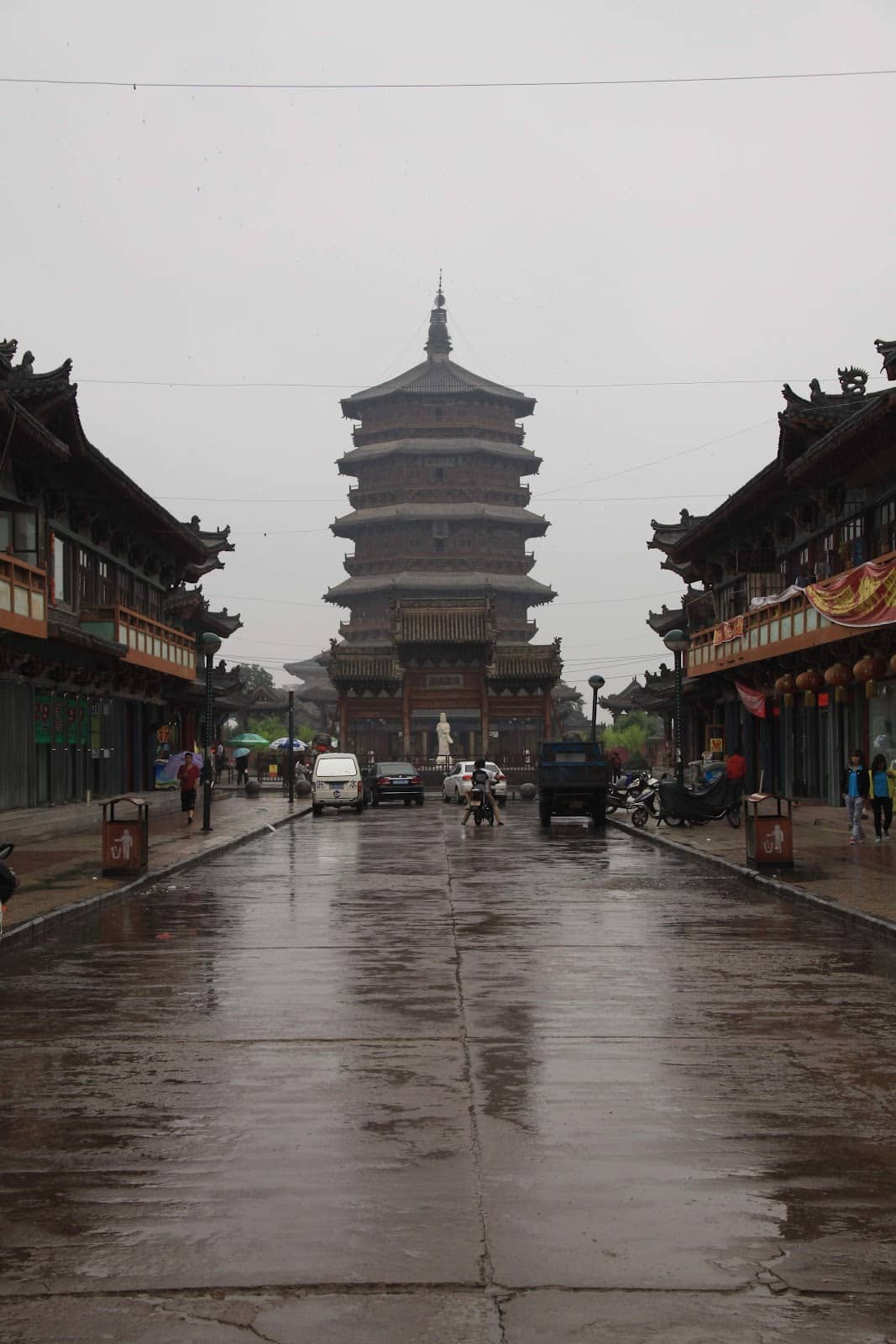
😮 No Nails, Seriously!
Appreciate the incredible engineering: this pagoda was built without a single nail!
👟 Wear Comfortable Shoes
You'll be doing a lot of looking up and walking around the temple grounds. :athletic_shoe:

Quick Facts
Rating
4.6 · 96 reviews
Type
Place of Worship
Highlights
Discover the most iconic attractions and experiences
The Ancient Wooden Pagoda
Fogong Temple
The world's tallest and oldest fully wooden pagoda, a masterpiece of ancient Chinese joinery.
Intricate Joinery
Pagoda interior
Marvel at the complex interlocking wooden beams and pillars, assembled without a single nail.
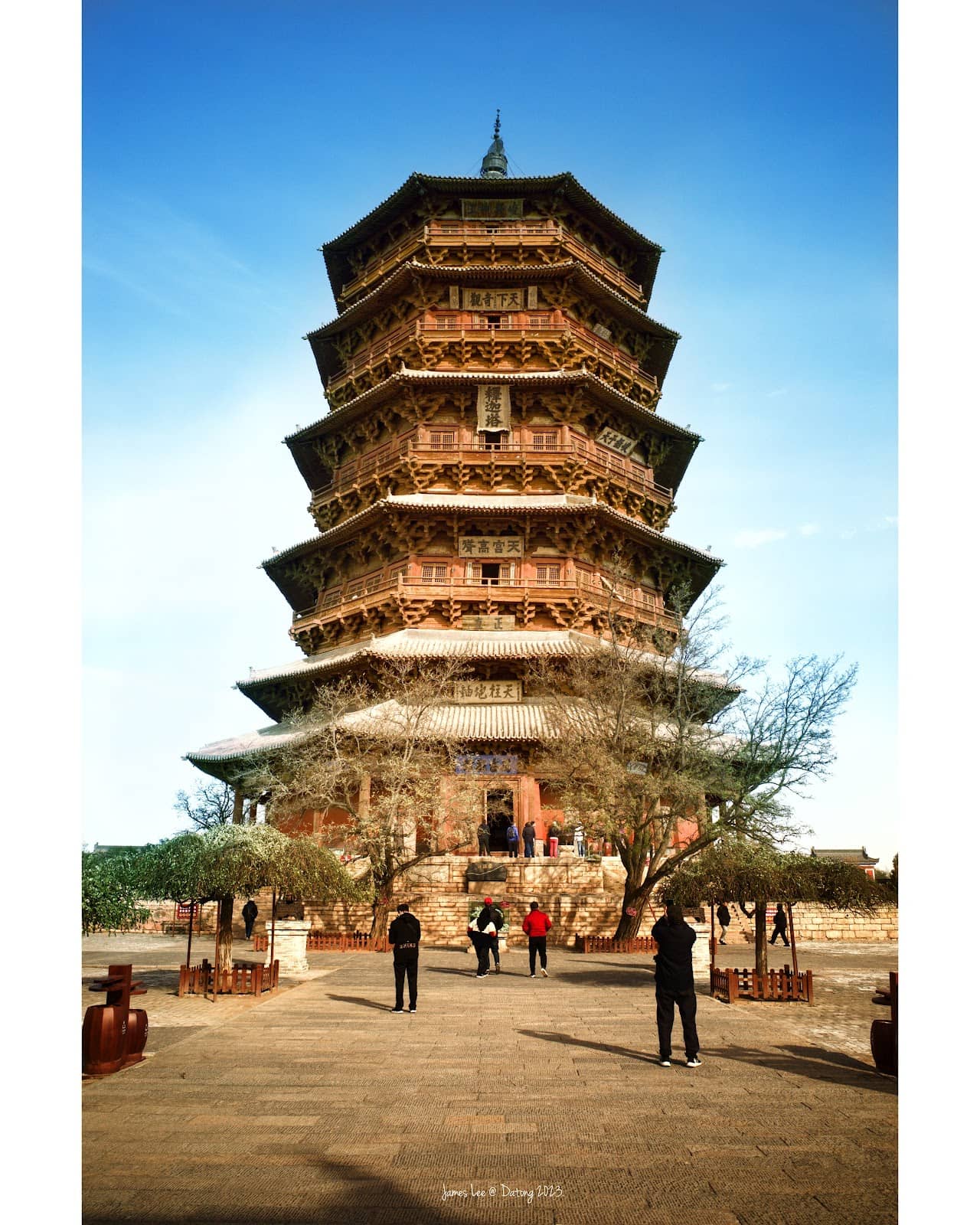
Imposing Buddha Statues
Pagoda interior
Stand in awe of the majestic Buddha statues housed within the pagoda's sacred levels.
Plans like a pro.
Thinks like you
Planning Your Visit
A Nail-Free Marvel
Beyond the Structure

Best Times
Insider Tips
from TikTok, Instagram & Reddit
😮 No Nails, Seriously!
Appreciate the incredible engineering: this pagoda was built without a single nail!
👟 Wear Comfortable Shoes
You'll be doing a lot of looking up and walking around the temple grounds. :athletic_shoe:
📸 Capture the Details
Focus on the intricate carvings and joinery; the scale is impressive up close. :camerawithflash:
📜 Learn the History
Understanding its resilience through earthquakes and war adds to the awe.
Tips
from all over the internet
😮 No Nails, Seriously!
Appreciate the incredible engineering: this pagoda was built without a single nail!
👟 Wear Comfortable Shoes
You'll be doing a lot of looking up and walking around the temple grounds. :athletic_shoe:
📸 Capture the Details
Focus on the intricate carvings and joinery; the scale is impressive up close. :camerawithflash:
📜 Learn the History
Understanding its resilience through earthquakes and war adds to the awe.
🐱 Temple Guardian
Keep an eye out for the adorable resident cats that roam the temple grounds!
What Travellers Say
Reviews Summary
Visitors are consistently awestruck by the Yingxian Wooden Pagoda, hailing it as a breathtaking piece of art and a testament to ancient engineering. Its status as the world's oldest fully wooden structure, built without nails and surviving centuries of challenges, is a major highlight. While some note the aging condition of the wooden pillars, the overall sentiment is one of profound admiration for its history and craftsmanship.
"Breathtaking piece of art work. The oldest structure in the world that’s completely held together by wood only. I could sit here and watch the pagoda for hours"
W Gmail
"Great job, very detailed! It’s almost a thousand years old, and with its connection to the Wu-Kong story, it’s definitely worth a visit for anyone interested."
Paweł Lipiński
"This pagoda was constructed under the rule of Emperor Daozong of Liao dynasty in 1056 in Ying County, Shanxi province. It is a beautiful and magnificent architecture standing at 67 metres, the oldest fully wooden pagoda still standing in China. The 9 stories tall pagoda housing the Buddhist temple is legendary as it survived seven earthquakes as well as the Second Sino-Japanese War."
CK Cheong
What People Like
What People Dislike
Frequently Asked Questions
🚇 🗺️ Getting There
The pagoda is located in Yingxian County, Shanxi Province. The most common way to reach it is by taking a bus from major cities like Taiyuan or Datong. Some travelers opt for private car hire for more flexibility.
Buses are generally frequent from Taiyuan and Datong to Yingxian. Once in Yingxian town, local taxis or ride-sharing services can take you to Fogong Temple.
For getting around Yingxian town and to the pagoda, local taxis are readily available. Some visitors also find it convenient to rent a car if they are exploring more of Shanxi province.
While there are no direct trains or buses from Beijing to Yingxian, you can take a high-speed train to Datong and then a bus to Yingxian. This is a popular route for many visitors.
Travel time from Taiyuan to Yingxian by bus is approximately 4-5 hours. From Datong, it's about 2-3 hours.
🎫 🎫 Tickets & Entry
Admission fees can vary, but typically range from 50-70 CNY. It's always a good idea to check the latest prices before your visit.
The temple and pagoda are generally open from morning until late afternoon, usually around 8:00 AM to 5:00 PM. Confirming exact hours is recommended.
Tickets are usually purchased on-site at the entrance to Fogong Temple. Advance booking is generally not required for individual visitors. 🎟️
Weekends and national holidays tend to be busier. Visiting on a weekday morning or late afternoon can offer a more serene experience.
Photography is generally allowed on the exterior and grounds, but may be restricted inside the pagoda itself to protect the ancient structure and artifacts. :camerawithflash:
🎫 🧭 Onsite Experience
Inside, you'll find several levels adorned with Buddhist statues and intricate wooden architecture. The sheer scale and craftsmanship are breathtaking.
Allow at least 1-2 hours to fully appreciate the pagoda's exterior, interior levels, and the surrounding Fogong Temple complex.
The pagoda has multiple stories and stairs, making it challenging for those with mobility issues. The grounds of Fogong Temple are more accessible. ♿
While official guided tours might be limited, local guides may be available for hire at the entrance. Informative signage is also present.
It's the world's oldest and tallest fully wooden pagoda, built without nails, and has survived numerous earthquakes and conflicts, showcasing incredible ancient engineering.
📸 📸 Photography
The best views are from the temple grounds looking up at the pagoda. Try different angles to capture its immense height and intricate details.
Photography inside the pagoda is often restricted to protect the ancient structure and artifacts. Always check for signage. :camerawithflash:
Look for the details in the wooden joinery, the Buddha statues, and the surrounding temple architecture. The resident cats also make for charming subjects!
Early morning or late afternoon light can create dramatic shadows and highlight the pagoda's texture. Golden hour is particularly beautiful. 🌅
Use a wide-angle lens for the overall structure and a telephoto lens for details. Consider a tripod for low-light conditions, but check if they are permitted. :camerawithflash:
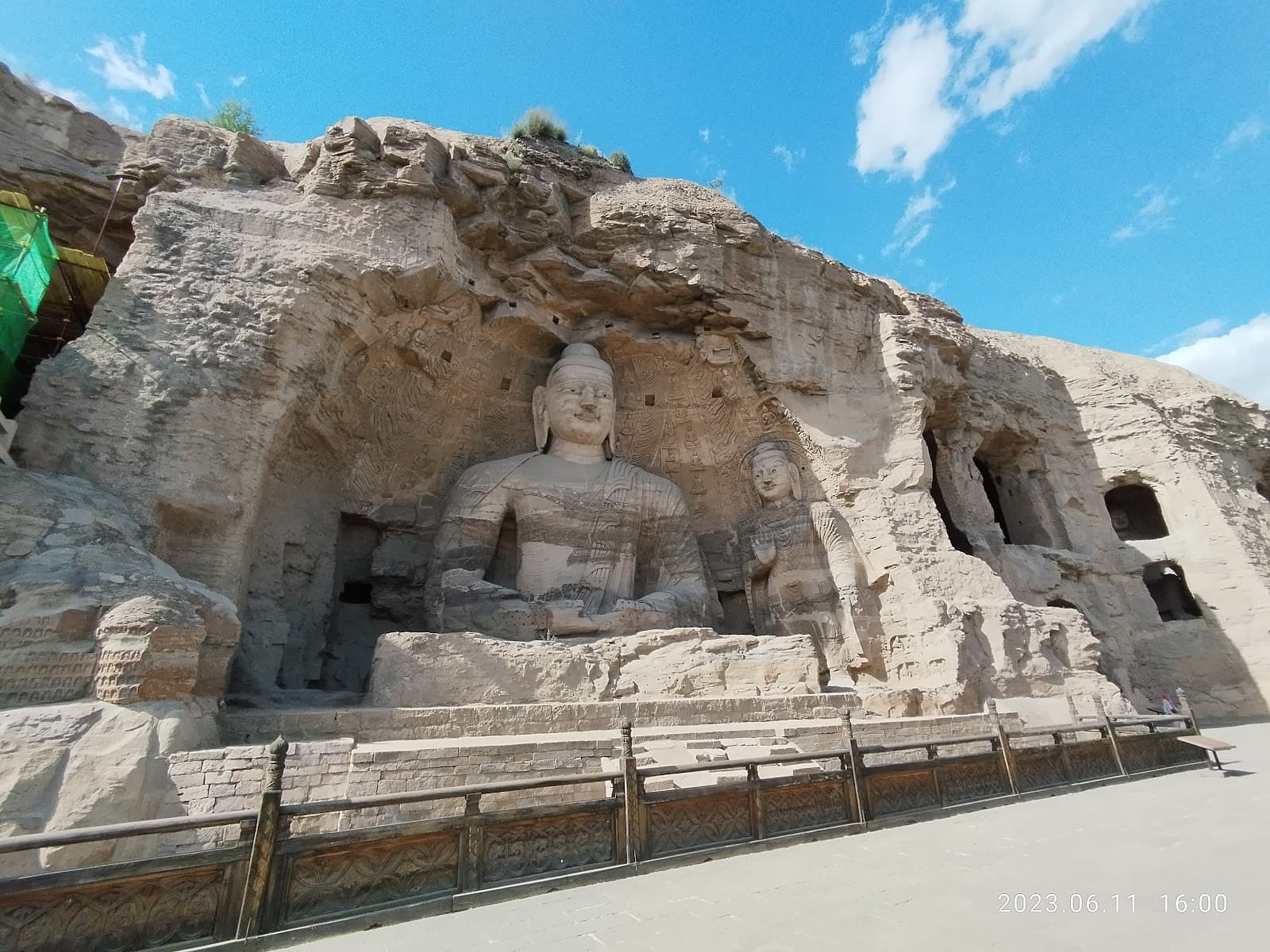

Social
from TikTok, Instagram & Reddit