
Gyantse Dzong Gyantse
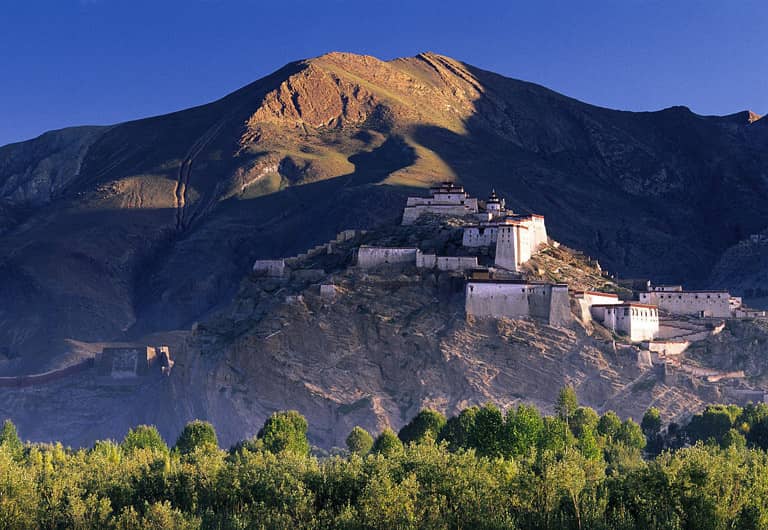
A preserved 14th-century fortress, 'The Hero City,' offering breathtaking views and a glimpse into Tibet's resilient past.
Highlights
Must-see attractions

Social
From TikTok & Reddit
Best Time
Best light for photos
Gyantse Dzong Gyantse
Best Time
Best light for photos
Highlights
Must-see attractions
A preserved 14th-century fortress, 'The Hero City,' offering breathtaking views and a glimpse into Tibet's resilient past.
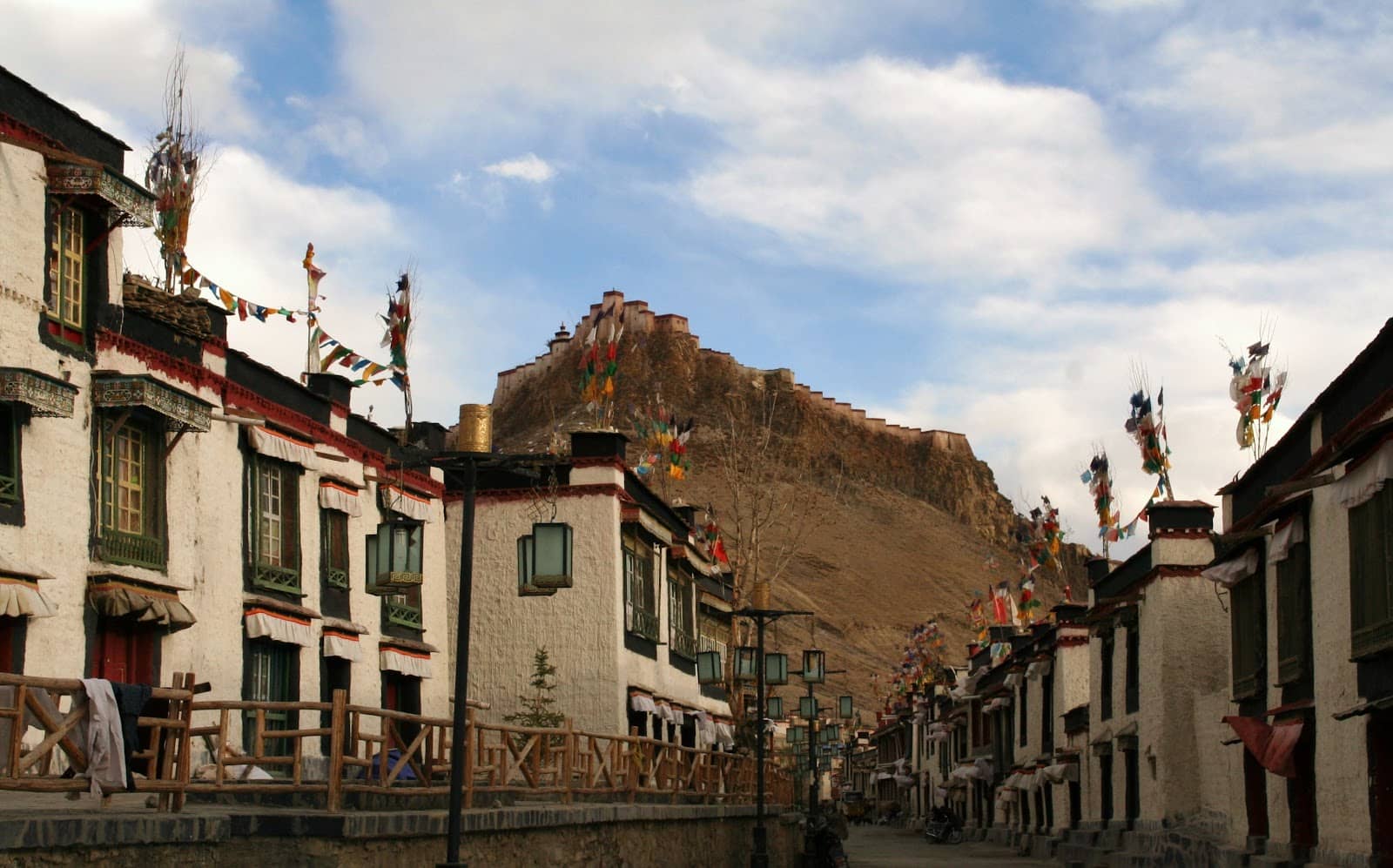
"The best part is the view from here of the city and the Kumbum."
Climb with Care
The climb to the Dzong is steep. Take your time, hydrate, and be mindful of the high altitude. :athletic_shoe:
Views are the Star
While the museum is optional, the spectacular views from the fortress are a must-see. :camerawithflash:

Highlights
Discover the most iconic attractions and experiences
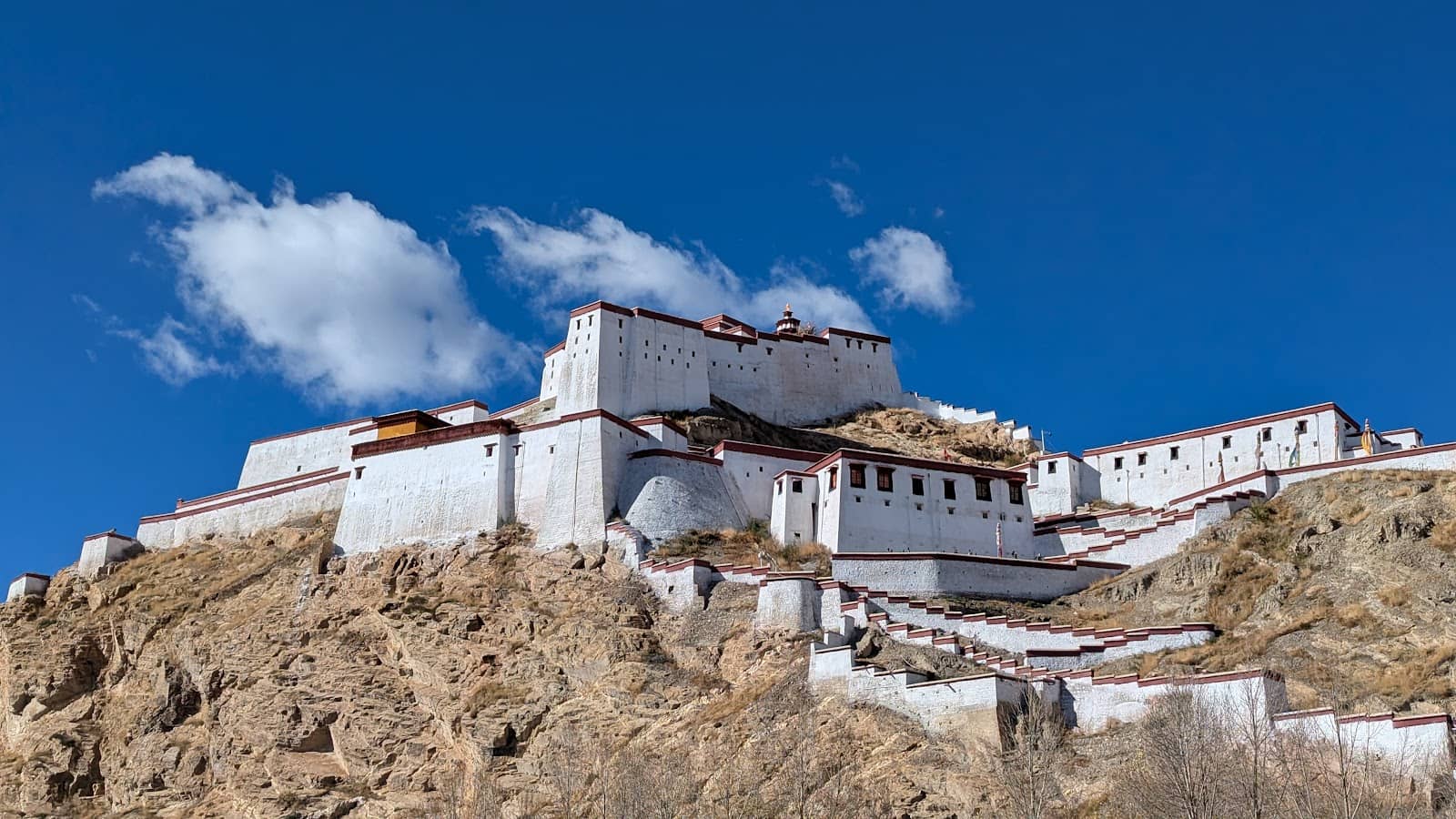
Gyantse Dzong Fortress
Hilltop overlooking Gyantse
A formidable 14th-century fortress with massive walls, offering breathtaking panoramic views of the valley and city.
Panoramic Valley Views
Top of the Dzong walls
Gaze out over the vast Tibetan landscape, the city of Gyantse, and the iconic Kumbum stupa from this elevated vantage point.
Pelkor Chode Monastery & Kumbum
Opposite the Dzong
Explore this unique monastery, famous for its diverse Buddhist traditions and the impressive Kumbum stupa.
Plans like a pro.
Thinks like you
Planning Your Visit
Altitude Awareness is Key
Historical Significance & Views
Best Times
Insider Tips
from TikTok, Instagram & Reddit
Climb with Care
The climb to the Dzong is steep. Take your time, hydrate, and be mindful of the high altitude. :athletic_shoe:
Views are the Star
While the museum is optional, the spectacular views from the fortress are a must-see. :camerawithflash:
Historical Significance
Learn about the brave resistance against British troops in 1904, earning it the name 'The Hero City'. :scroll:
Mini Potala Palace Legend
Legend says it's a miniature replica of the Potala Palace, designed by a craftsman who used a radish for notes! :bulb:
Tips
from all over the internet
Climb with Care
The climb to the Dzong is steep. Take your time, hydrate, and be mindful of the high altitude. :athletic_shoe:
Views are the Star
While the museum is optional, the spectacular views from the fortress are a must-see. :camerawithflash:
Historical Significance
Learn about the brave resistance against British troops in 1904, earning it the name 'The Hero City'. :scroll:
Mini Potala Palace Legend
Legend says it's a miniature replica of the Potala Palace, designed by a craftsman who used a radish for notes! :bulb:
What Travellers Say
Reviews Summary
Visitors are captivated by the spectacular panoramic views from Gyantse Dzong and its imposing historical presence as 'The Hero City.' While the museum's value is debated, the fortress's unique architecture and the surrounding landscape are consistently praised. The steep climb is a notable challenge, but the overall experience is considered a must-see in Tibet.
"Mediocrely yet thankfully only minimally restored. It does give a sense of the local history. Best view in miles. And visiting is free (for the time being)"
Qingyang Zhang (Ernest)
"One of kind in Tibet"
Tenzin Woebar
"To reach Gyantse Dzong, you have to climb a steep hill. The fort is at a high altitude, so take it easy. Major Younghusband and his English troops destroyed the dzong. There isn't much to see inside, except for a museum, which isn't worth a visit either. The best part is the view from here of the city and the Kumbum."
Vagandopormundopolis
What People Like
What People Dislike
Frequently Asked Questions
🚇 🗺️ Getting There
Gyantse Dzong is located in the city of Gyantse, which is accessible by road from Lhasa and Shigatse. Many travelers visit as part of a tour from Lhasa, which typically takes a few hours by car. :bus: :car:
Gyantse is located approximately 90 kilometers (56 miles) southwest of Shigatse, making it a feasible day trip or stopover. The journey offers scenic views of the Tibetan plateau. :mount_fuji:
You can drive to the city of Gyantse. The Dzong itself is situated on a hill, and you'll need to park and walk up to the fortress. :parking:
🎫 🎫 Tickets & Entry
Historically, visiting Gyantse Dzong has been free, though this can change. It's always a good idea to check for current admission fees upon arrival. :moneywithwings:
While specific hours can vary, the Dzong is generally accessible during daylight hours. It's best to visit during the day to fully appreciate the views and the site. :clock1:
Advance booking is typically not required for Gyantse Dzong, especially as it has often been free to enter. However, if visiting as part of a tour, your agency will handle arrangements. :ticket:
Reviews are mixed on the museum's value. Some find it offers insight into local history and the 1904 resistance, while others feel it's not particularly engaging. :mag:
🎫 🏞️ Onsite Experience
The best way is to take your time climbing the steep path to the top. Once there, wander along the massive exterior walls and soak in the incredible 360-degree views. :hiking_boot:
Inside, you'll find the remnants of the fortress, a small museum, and courtyards. The primary draw remains the impressive architecture and the commanding views from its ramparts. :building_construction:
The climb to the top is steep and at high altitude, which can be challenging. Visitors with mobility issues or those not acclimatized may find it difficult. :runner:
The entire fortress offers stunning photo opportunities. Capture the imposing walls, the expansive valley views, and the distant Kumbum stupa, especially during golden hour. :camerawithflash:
Gyantse Dzong is historically significant as a fortress that bravely resisted the British invasion in 1904, earning it the nickname 'The Hero City.' It also showcases traditional Tibetan architecture. :military_medal:
📸 📸 Photography
Late afternoon, during the golden hour, provides the most dramatic lighting for photographing the fortress and the surrounding landscape. Early morning also offers soft light and fewer crowds. :sunriseovermountains: :city_sunset:
A wide-angle lens is excellent for capturing the vastness of the valley and the scale of the fortress. A telephoto lens can be useful for details of the Kumbum or distant mountains. :camera:
Drone usage is generally restricted in sensitive historical and cultural sites in Tibet. It's best to assume drones are not permitted to avoid issues. :noentrysign:
For Different Travelers
Tailored advice for your travel style
👨👩👧 Families with Kids

Pack plenty of water and snacks, and be mindful of the high altitude; take frequent breaks. While the museum might not hold young children's attention for long, the sheer scale of the fortress walls and the open spaces for exploration can be engaging. Consider visiting the Pelkor Chode Monastery and Kumbum for a different kind of visual wonder.
🚶 Budget Travelers
While the climb is strenuous, it requires no special gear beyond comfortable walking shoes. You can explore the exterior and enjoy the views without spending a dime. Pack your own water and snacks to save on costs within the immediate vicinity of the attraction.
📸 Photography Enthusiasts
+1Don't miss capturing the panoramic views of the Gyantse valley and the Kumbum stupa from the top of the Dzong. The contrast between the ancient stone walls and the surrounding natural beauty is striking. Be prepared for a climb, but the photographic rewards are immense.
Deep Dives
In-depth insights and expert knowledge
A Fortress Steeped in History
While the fortress itself is the main attraction, the on-site museum offers a deeper dive into this history. Legend also tells a fascinating tale of its design: a craftsman was sent to study the Potala Palace in Lhasa and supposedly sketched his notes on a radish. As the radish shrunk, so did the design, resulting in the Dzong resembling a miniature version of the Potala.
Visitors often describe the fortress as 'one of a kind in Tibet' and are struck by its imposing presence. The climb to the top is steep, but the reward is unparalleled.
The Unforgettable Views from Above
Many travelers highlight that the 'best view in miles' is from the Dzong. This vantage point provides a unique perspective on the vastness of the Tibetan landscape and the layout of the ancient city. It's an ideal spot for photography, especially during the softer light of early morning or late afternoon.
Even if the interior museum doesn't capture your interest, the sheer visual spectacle from the fortress walls makes the climb worthwhile. It's a moment to truly appreciate the scale and beauty of this remote region.
Exploring the Pelkor Chode Monastery and Kumbum
The monastery complex is dominated by the magnificent Kumbum, a large, multi-storied stupa. This impressive structure is a focal point for pilgrims and a striking visual element in the Gyantse skyline. Visitors often find it surprising and beautiful, especially when viewed in conjunction with the Dzong.
Walking through the streets of Gyantse itself offers a glimpse into local life, adding another layer to the experience beyond the main historical sites. The combination of the Dzong, the monastery, and the town provides a rich cultural immersion.
Social
from TikTok, Instagram & Reddit