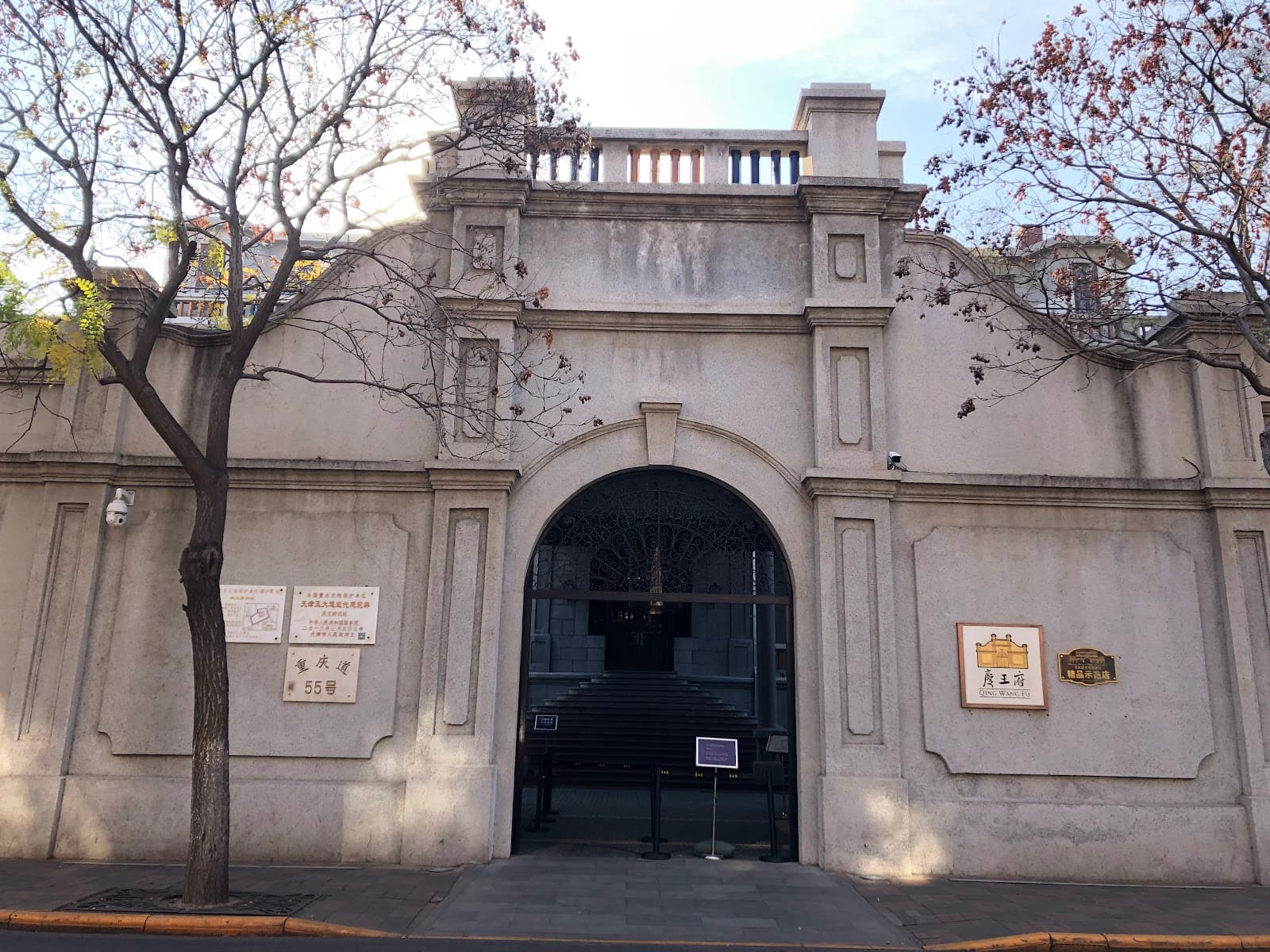
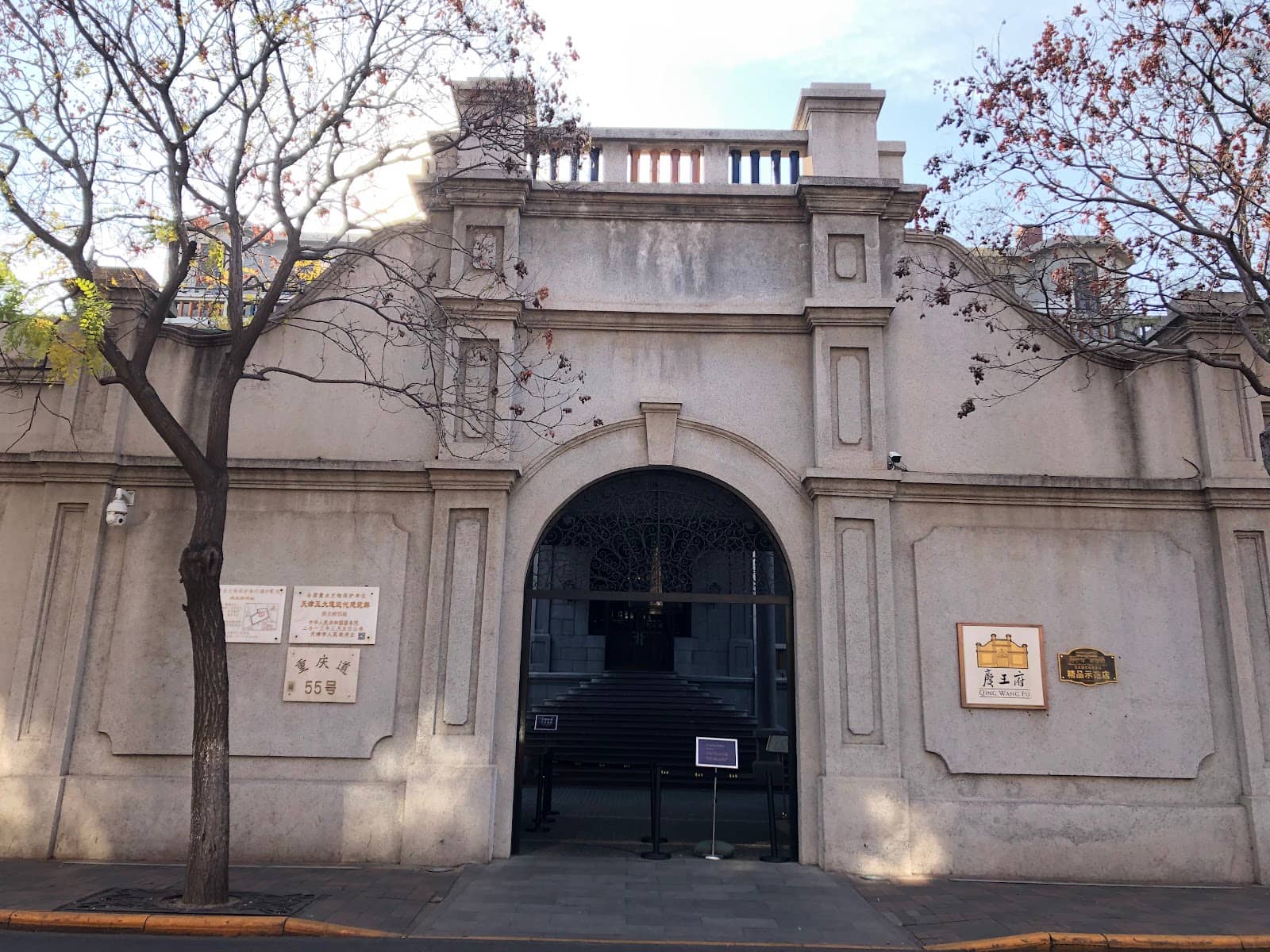
Qing Wang Fu Five Great Avenues Tianjin
A historic mansion showcasing a unique blend of Chinese and Western architecture, once home to Qing Dynasty Prince Zaizhen.
Highlights
Must-see attractions

Social
From TikTok & Reddit
Best Time
Fewer crowds, peaceful exploration
Qing Wang Fu Five Great Avenues Tianjin
Best Time
Fewer crowds, peaceful exploration
Highlights
Must-see attractions
A historic mansion showcasing a unique blend of Chinese and Western architecture, once home to Qing Dynasty Prince Zaizhen.
"A fascinating glimpse into Tianjin's past, blending East and West in a former prince's residence."
🎟️ Admission Fee
Entrance fee is around 24-25 RMB. Consider if the accessible interior is worth the cost for you.
🚶♀️ Limited Interior Access
Only about half the mansion is open to the public; the rest is hotel or business space.
Quick Facts
Rating
3.9 · 12 reviews
Type
Tourist Attraction
Highlights
Discover the most iconic attractions and experiences
Prince Qing's Former Residence
Interior rooms
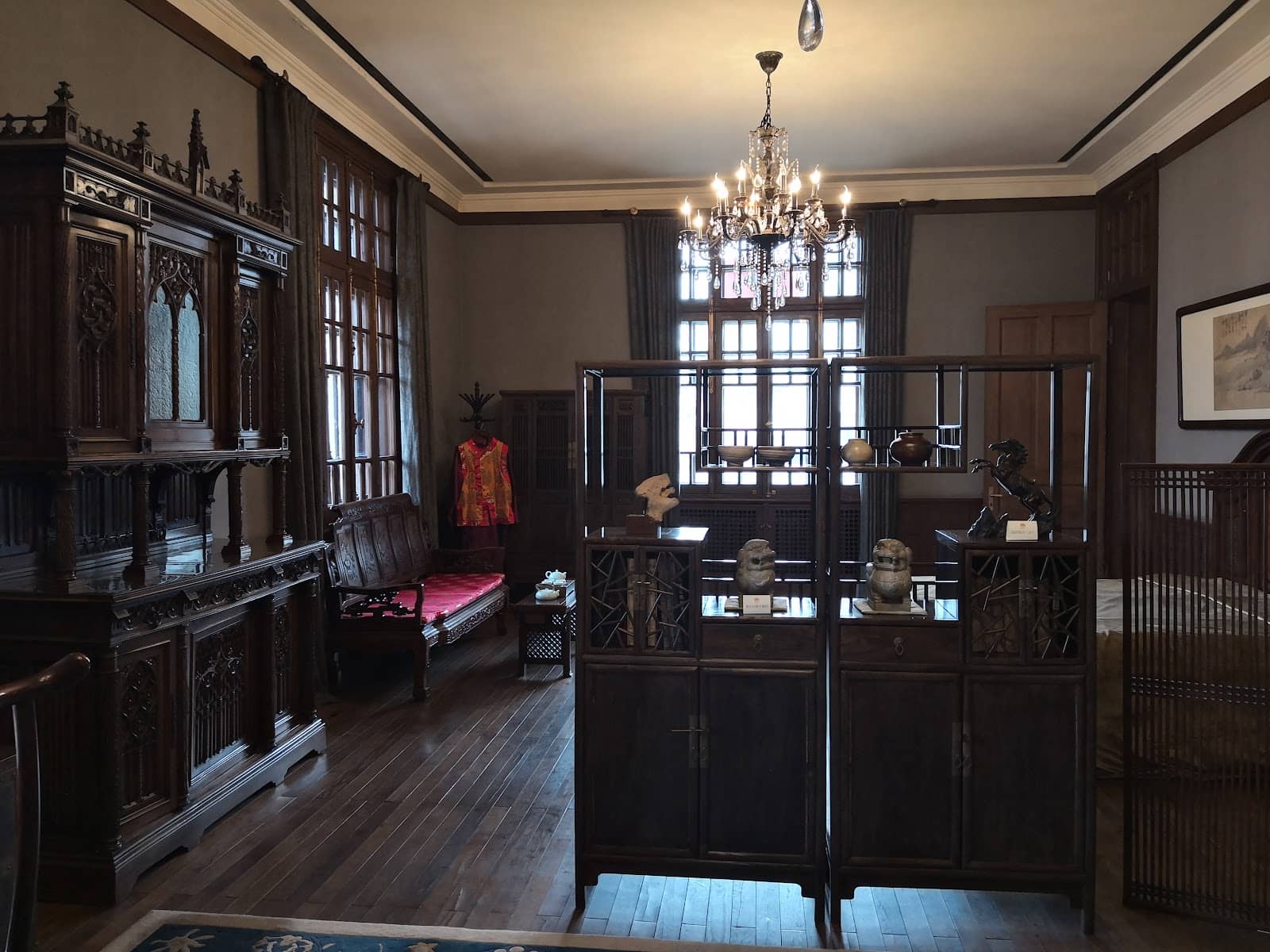
Explore the opulent rooms that once belonged to Prince Qing Zaizhen, showcasing late Qing Dynasty and early Republican era decor.
Fusion of East and West Architecture
Exterior and interior
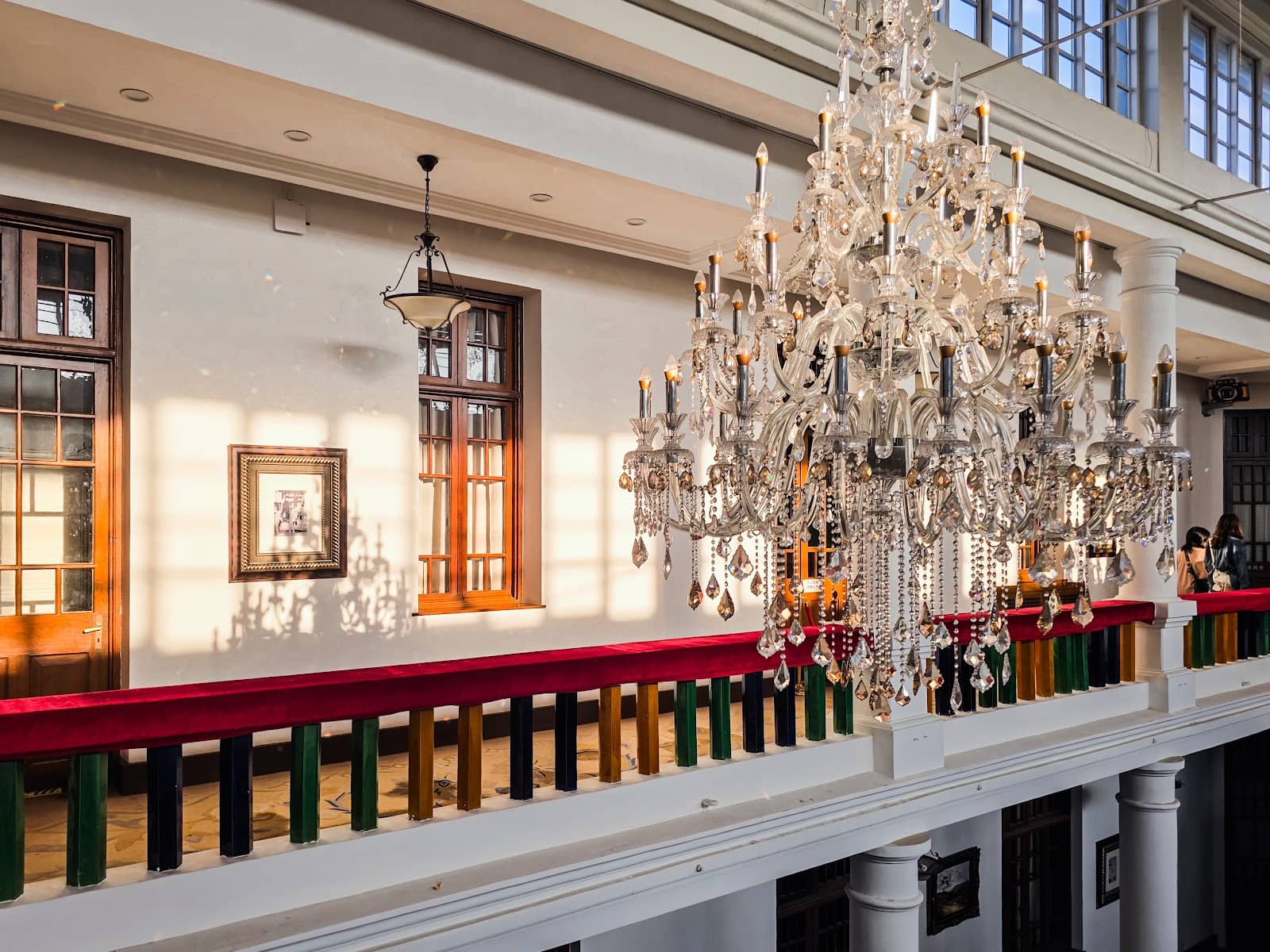
Marvel at the unique blend of traditional Chinese elements with Western architectural influences, a testament to its era.
Exquisite Craftsmanship Details
Various rooms
Admire the intricate wood carvings, colorful glazed columns, and European-inspired fixtures that highlight masterful artistry.
Plans like a pro.
Thinks like you
Planning Your Visit
Timing Your Visit for Fewer Crowds
Understanding the Visit Scope
Best Times
Insider Tips
from TikTok, Instagram & Reddit
🎟️ Admission Fee
Entrance fee is around 24-25 RMB. Consider if the accessible interior is worth the cost for you.
🚶♀️ Limited Interior Access
Only about half the mansion is open to the public; the rest is hotel or business space.
📸 Blend of Styles
Appreciate the unique mix of Chinese and Western architectural and decorative elements.
☕ Cafes & Restaurants Nearby
There are cafes and restaurants on-site, though some may occupy historical spaces.
Tips
from all over the internet
🎟️ Admission Fee
Entrance fee is around 24-25 RMB. Consider if the accessible interior is worth the cost for you.
🚶♀️ Limited Interior Access
Only about half the mansion is open to the public; the rest is hotel or business space.
📸 Blend of Styles
Appreciate the unique mix of Chinese and Western architectural and decorative elements.
☕ Cafes & Restaurants Nearby
There are cafes and restaurants on-site, though some may occupy historical spaces.
What Travellers Say
Reviews Summary
Qing Wang Fu is appreciated for its unique blend of Chinese and Western architecture and its historical significance as the former residence of Prince Qing Zaizhen. Visitors note the interesting fusion of styles, including European columns and chandeliers alongside traditional Chinese elements. However, many reviews mention that only a limited portion of the interior is accessible to the public, with other areas being commercialized or part of a hotel, which can detract from the historical experience for some.
"The residence of Prince Qingzhen of the Qing Dynasty, Zaizhen, from 1926 to 1947.
Constructed in 1922, it was originally the private residence of Zhang Lande, the chief eunuch. Designed and supervised by Zhang himself, it is a three-story brick-and-wood structure with an enclosed courtyard.
In 1924, after the last Qing Emperor, Puyi, was expelled from the Forbidden City by Feng Yuxiang, Prince Qing Zaizhen, fearing repercussions, moved to the British Concession in Tianjin and purchased Zhang Lande's residence. He then engaged in business and investment, staying away from politics.
Today, the Prince Qing Mansion is open to the public as a tourist attraction. Admission is 25 RMB. The interior largely retains the layout of Zaizhen's time. Floors one through three house the reception room, dining room, bathroom, study, and bedroom for Zaizhen, his wife, and their children, as well as a study room and ancestral hall. The architectural style and interior furnishings are both from the late Qing Dynasty and early Republican era, a blend of Chinese and Western elements. Stained glass, European columns, Portuguese chandeliers, and carved nanmu floor-length shades coexist in the same space. The calligraphy and paintings on the walls include traditional fine brushwork and Western oil paintings, with some calligraphy in both Manchu and Chinese. This diverse cultural element, to a certain extent, reflects the impact and integration of ideas during the transition between the old and new eras.
Unfortunately, the scenic area has certain restrictions on the circulation, limiting the scope of the visit. The mansion covers an area of 4,327 square meters and has a built area of 5,922 square meters, but the visitable space is essentially limited to the front half of the building. The Tianxi Temple and the central courtyard in the rear building, while also included in the visitor's route, serve only as access to the exit. Some rooms are occupied by businesses and have no connection to the mansion itself. Most of the courtyard is occupied by restaurants. The overpowering commercial atmosphere somewhat obscures the historical atmosphere of this historic site."
Chih-Hsi Hu
"Tianjin's Qingwang Mansion, a historic building, has become a landmark of Tianjin with its unique blend of Chinese and Western styles and rich historical and cultural heritage. Located at 55 Chongqing Road in Tianjin's Heping District, the Qingwang Mansion was originally built by Xiao Dezhang, the eunuch chief eunuch in the late Qing Dynasty. It was later purchased and resided by Aisin-Gioro Zaizhen, the late Qing Dynasty's Prince Qing, hence the nickname "Qingwang Mansion." Its architectural style combines traditional Chinese elements with Western design, reflecting the Westernization trend of the time while also preserving the refinement and elegance of traditional Chinese culture.
The Qingwang Mansion's interior decoration is extremely luxurious, from intricate wood carvings to colorful glazed columns, every detail showcases the craftsman's exquisite craftsmanship. The main building's atrium features a canopy-like shared hall, boasting 12-meter-high ceilings and 350 square meters of space. The central grape-shaped chandelier adds a touch of luxury and romance. Furthermore, the Qingwang Mansion's garden, with its exquisite rockery, stone bridge, and hexagonal pavilion, is an ideal venue for outdoor banquets. Overall, Tianjin Qingwangfu is not only a historical witness, but also a cultural treasure house. Its state of preservation and restoration is amazing, and it is an excellent place for tourists to learn about Tianjin's history and culture."
Kenn Hong
"It's worth a stroll.
Qingwangfu, a National Key Cultural Relic Protection Site, comprises an "urban cultural and leisure space" and a "historical and cultural theme hotel," offering a comprehensive cultural tourism, business conference, and leisure resort experience.
Address: No. 55, Chongqing Road, Heping District, Tianjin (near Hebei Road)
Chinese Name: Qingwangfu
Status: Qingwangfu National Key Cultural Relic Protection Site
Type: Resort
Located: Chongqing Road, Heping District, Tianjin
Opening Hours: 9:00 AM - 5:30 PM (Tickets stop at 5:00 PM)
Suggested Visit Duration: 1.5 hours
Suitable Season: All Seasons
Entrance Fee: 24 Yuan/person"
V DONG (忧郁的土匪)
What People Like
What People Dislike
Frequently Asked Questions
🚇 🗺️ Getting There
Qing Wang Fu is located at No. 55 Chongqing Road, Heping District, Tianjin, near Hebei Road. You can reach it by taxi or public transport. Many visitors use ride-sharing apps or local buses to get to this area of Tianjin.
Yes, it is accessible by public transport. Tianjin has an extensive bus network, and the mansion is situated in a well-connected district. Check local transit apps for the most up-to-date routes and schedules.
High-speed trains are the most efficient way to travel to Tianjin from major Chinese cities like Beijing. The Tianjin Railway Station is a major hub.
🎫 🎫 Tickets & Entry
The admission fee is approximately 24-25 RMB per person. Tickets are usually available for purchase at the entrance.
Qing Wang Fu is typically open from 9:00 AM to 5:30 PM, with ticket sales stopping around 5:00 PM. It's always a good idea to confirm hours before your visit.
Information on online ticket purchasing is not widely available. It's generally recommended to purchase tickets upon arrival at the site.
Tickets stop being sold around 5:00 PM, so plan to arrive before then to ensure you can enter.
🎫 🧭 Onsite Experience
You can see the reception room, dining room, study, and bedrooms that were part of Prince Qing's family's living quarters. The architecture showcases a blend of Chinese and Western styles.
A suggested visit duration is around 1.5 hours. This allows time to explore the accessible parts of the mansion and appreciate its historical significance.
No, only about half of the interior is open to the public. Some areas are used for hotels or businesses and are not part of the historical tour.
The mansion features a unique blend of traditional Chinese elements with Western architectural influences, reflecting the era of its construction and ownership.
Information on official guided tours is limited. Visitors often explore independently, using provided signage or their own research to understand the history.
🍽️ 🍽️ Food & Dining
Yes, there are cafes and restaurants located within or adjacent to the Qingwangfu complex. Some reviews suggest these may occupy historical spaces.
While Qing Wang Fu itself is a historical residence, exploring the surrounding Heping District can lead you to areas with local eateries and street food vendors.
📸 📸 Photography
Photography is generally allowed inside the accessible areas of Qing Wang Fu, but it's always good to check for any specific restrictions on-site, especially regarding flash photography.
The exterior architecture, showcasing the blend of styles, and the interior details like carved columns and chandeliers are popular photo subjects.
Social
from TikTok, Instagram & Reddit