
Jiangxi Provincial Museum
Discover Jiangxi's rich history through ancient tombs, exquisite ceramics, and revolutionary artifacts. A treasure trove of cultural heritage.
Highlights
Must-see attractions

Social
From TikTok & Reddit
Best Time
Fewer crowds, cooler temps
Jiangxi Provincial Museum
Best Time
Fewer crowds, cooler temps
Highlights
Must-see attractions
Discover Jiangxi's rich history through ancient tombs, exquisite ceramics, and revolutionary artifacts. A treasure trove of cultural heritage.
"A showcase of the province's history & revolution, featuring artefacts like ceramics and bronze."

🎯 Book Special Exhibits Early
Popular temporary exhibits like 'Imperial Porcelain' need booking a week in advance. :ticket:
💧 Stay Hydrated & Cool
Some areas lack AC; bring water and visit during cooler parts of the day. :droplet:

Highlights
Discover the most iconic attractions and experiences
Haihun Marquess Tomb Treasures
L3
Marvel at thousands of ancient artifacts, including gold and silver, from the Han Dynasty Haihunhou tomb.
Ceramics Hall
L3
Explore Jiangxi's rich ceramic heritage, from ancient wisdom to Jingdezhen's fame.


Bronze Artifacts
L3
Discover unique bronze pieces, reminiscent of Sanxingdui, with intriguing ancient designs.
Revolutionary History Exhibits
L2
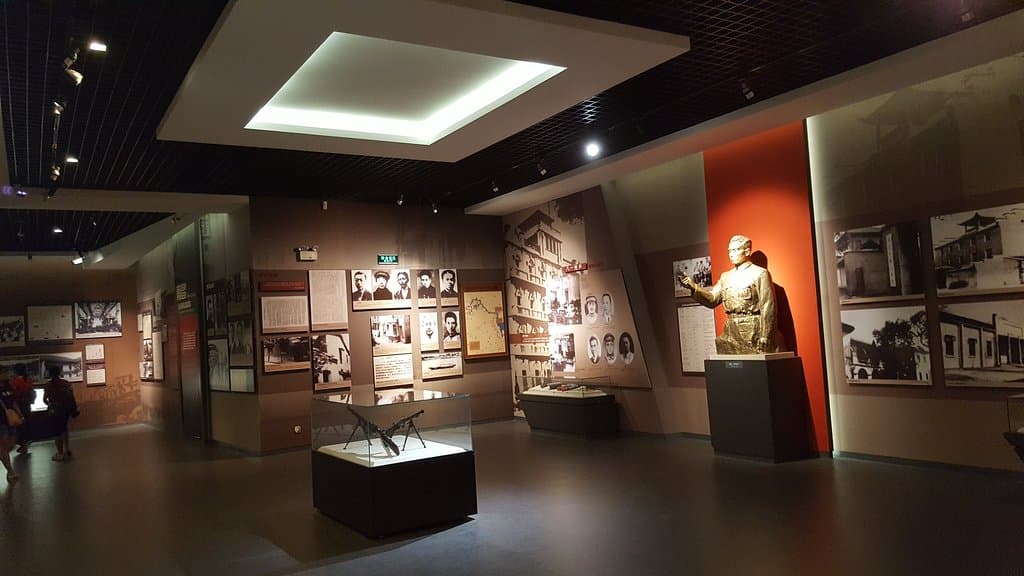
Learn about Nanchang's pivotal role in China's revolution and history.
Plans like a pro.
Thinks like you
Planning Your Visit
Book Ahead for Popular Exhibits
Beat the Heat and Crowds
Best Times
Insider Tips
from TikTok, Instagram & Reddit
🎯 Book Special Exhibits Early
Popular temporary exhibits like 'Imperial Porcelain' need booking a week in advance. :ticket:
💧 Stay Hydrated & Cool
Some areas lack AC; bring water and visit during cooler parts of the day. :droplet:
🎒 Luggage Storage Available
Convenient storage for your bags if you're on the move. :handbag:
🗣️ Guided Tours by Volunteers
Young volunteers offer insightful tours, especially in the Ceramics Hall. :microphone:
Tips
from all over the internet
🎯 Book Special Exhibits Early
Popular temporary exhibits like 'Imperial Porcelain' need booking a week in advance. :ticket:
💧 Stay Hydrated & Cool
Some areas lack AC; bring water and visit during cooler parts of the day. :droplet:
🎒 Luggage Storage Available
Convenient storage for your bags if you're on the move. :handbag:
🗣️ Guided Tours by Volunteers
Young volunteers offer insightful tours, especially in the Ceramics Hall. :microphone:
📱 Explore 'Cute' Relics
Discover charming and 'eye-catching' artifacts that are a hit online.
What Travellers Say
Reviews Summary
Visitors praise the Jiangxi Provincial Museum for its significant collections, particularly the Haihun Marquess Tomb treasures and the extensive ceramics exhibits, often highlighting informative tours. However, some find the overall collection limited and note issues with inconsistent air conditioning and an overemphasis on political themes in certain displays. +1
"Free to enter but need to pre-book a week in advance. Am glad they have a luggage storage area where I could leave my luggage since I was moving hotels today and this museum is already on the same side as my next hotel, across the 八一大桥 bridge.
Apparently one of the best museums in China outside of the top-tier cities. A showcase of the province's history & revolution, featuring artefacts like ceramics and bronze. The Hall on L2 on Nanchang's role in the revolution is very similar to the Bayi Uprising Memorial Museum I went to earlier so I browsed through quickly.
L3 was more interesting, especially in the Ceramics Hall where I attended a live guided tour led by a young volunteer. By young, I meant she's probably just about 10 years old. Amazing memory and articulate, she spoke non-stop for over an hour bringing us through this hall, explaining the history of ceramics and how Jiangxi became famous for it (think Jingdezhen and more).
Then there's the bronze artefacts from 新干大墓, that reminded me much of those unearthed at Sanxingdui. The odd looking faces / expressions, and always in awe of how those curves and cuts can be achieved in those days.
Wrapped up in 2.5 hrs."
Daphne Yeo
"Well, as a provincial museum, lot of the displays and exhibit are very disappointing. Collections are very limited, it remind me the Wuhan City museum. Dinosaurs stature are made from out of date information and looks like elementary school works, too much of the political agenda exhibits which ruined everything else. Building is lack of the A/C system and it is very hot inside, only selected spot with AC units available. Compare to Hubei and Shanxi Province museum, this place is a joke. Haihun Marquess Tomb exhibit is bit more attractive compare to others in the museum and it is only thing that have a meaning for this place."
Alan Zhan
"Was fortunate to come at the right time to be able to see a special exhibit, "the Amazing Discovery of the Han Dynasty Haihunhou Archaeology Achievement Exhibition". Thousands of items were discovered, including gold, silver coins, tools, etc. from thousands of years ago. Worth the visit (probably need to make a reservation though)."
Tammy Liu
What People Like
What People Dislike
Frequently Asked Questions
🚇 🗺️ Getting There
The museum is accessible by public transport in Nanchang. Many visitors arrive via bus or taxi. It's located across the 'August 1st Great Bridge', making it convenient if you're staying nearby or moving hotels.
Information on dedicated parking is limited, but it's advisable to check local transport options or consider ride-sharing services for ease of access.
Yes, ride-sharing apps are commonly used in Nanchang and can be a convenient way to reach the museum, especially if you're coming from further afield.
From the city center, you can take a local bus or a taxi. The museum's location across the 'August 1st Great Bridge' is a good landmark for navigation.
While specific accessibility details are scarce, provincial museums in China are increasingly improving accessibility. It's recommended to contact the museum directly for the most up-to-date information.
🎫 🎫 Tickets & Entry
Yes, general admission to the Jiangxi Provincial Museum is free. However, special temporary exhibitions may require a separate ticket and advance booking.
While general entry is free, it's highly recommended to pre-book your visit, especially for popular temporary exhibitions like the 'Imperial Porcelain Returns' or the 'Haihunhou Archaeology' exhibition, often a week in advance.
Opening hours can vary, but typically museums are open from morning to late afternoon. It's best to check the official museum website or local listings for the most current hours before your visit.
Generally, there are no age restrictions for general entry. However, some exhibits might be more suitable for older children or adults.
For general admission, you might be able to enter without a reservation, but booking ahead is strongly advised, especially for special exhibitions, to guarantee entry and avoid disappointment.
🎫 🧭 Onsite Experience
Don't miss the treasures from the Haihun Marquess Tomb, the extensive Ceramics Hall showcasing Jiangxi's pottery legacy, and the unique bronze artifacts. The revolutionary history exhibits on L2 are also significant. +1
Reports suggest that the air conditioning system is not consistently effective throughout the building, with only selected spots having AC. It can get quite hot inside, especially during warmer months.
A typical visit can take around 2.5 to 3 hours to see the main exhibits. If you plan to delve deeper into special exhibitions or take a guided tour, allow for more time.
Yes, the museum often has guided tours led by enthusiastic volunteers, particularly in the Ceramics Hall. These tours can be very informative and engaging.
The museum houses a diverse collection including bronze ware, ceramics, jade, revolutionary historical items, and artifacts from ancient tombs, showcasing Jiangxi's rich cultural and historical tapestry.
🍽️ 🍽️ Food & Dining
Information on on-site dining facilities is limited. It's advisable to check with the museum directly or plan to dine at nearby restaurants before or after your visit.
Typically, museums have policies against bringing outside food and drinks into exhibition halls. There might be designated areas for consumption.
The museum is located in Nanchang, which offers a variety of local eateries and restaurants. You can explore options for authentic Jiangxi cuisine in the vicinity.
Details about a cafe or snack bar are not widely available. Visitors often rely on external options for refreshments.
Nanchang has a growing food scene, and you can likely find vegetarian or vegan options by exploring local restaurants, especially those offering traditional Chinese cuisine.
📸 📸 Photography
Photography policies can vary by exhibit. Generally, non-flash photography is permitted in many areas, but it's essential to look for signage or ask museum staff for specific restrictions, especially in temporary exhibitions.
The 'eye-catching bag' and other 'cute' artifacts are popular subjects for photos. As long as flash is not used and general photography rules are followed, you should be able to capture these unique items.
The Ceramics Hall, the bronze artifacts, and any special exhibitions often provide visually stunning backdrops. The 'cute' and 'eye-catching' relics are also highly photogenic.
Drone photography is almost certainly prohibited inside and around museum premises due to safety and security regulations.
Weekday mornings often offer better lighting and fewer people, making it easier to get clear shots. However, always be mindful of other visitors and museum rules.
For Different Travelers
Tailored advice for your travel style
👨👩👧 Families with Kids
+3 Look out for the unique bronze pieces and the vibrant ceramics, which can spark curiosity. Consider focusing on exhibits with more tangible or visually striking items, like the treasures from the Haihun Marquess Tomb. The museum's efforts to connect with modern trends, like the 'Penguin Dance' videos, show a commitment to making history fun and accessible.
+1 Remember to check for any temporary exhibits that might be particularly engaging for younger visitors, and be prepared for potentially warm conditions inside the museum. 🏛️ History Buffs & Archaeology Enthusiasts
The Ceramics Hall provides a deep dive into Jiangxi's millennia-old pottery tradition, from ancient wares to the famed porcelain of Jingdezhen.
📸 Art & Culture Aficionados
Keep an eye out for temporary exhibitions, such as "Imperial Porcelain Returns," which offer curated displays of exceptional artistic merit. Even the smaller, 'cute' artifacts that gain online popularity are often beautifully crafted and tell stories of daily life and artistic expression from different eras.
+3 The museum's blend of ancient art and modern engagement makes for a rich cultural experience. +1Deep Dives
In-depth insights and expert knowledge
The Allure of Jiangxi Ceramics
One of the museum's recent highlights was the temporary exhibition, "Imperial Porcelain Returns," which offered an immersive experience into the world of imperial ceramics. These exhibitions often feature exquisite examples of craftsmanship, demonstrating the skill and aesthetic sensibilities of ancient Chinese artisans. The museum actively engages in educating the public about this vital aspect of Jiangxi's identity, making it a must-visit for anyone interested in art history and cultural heritage.
+1Beyond the grand exhibitions, the museum's collection includes everyday ceramic items that offer a glimpse into the lives of people throughout history. The live guided tours, often led by knowledgeable young volunteers, provide fascinating insights into the techniques, styles, and cultural contexts of these ceramic treasures, making the experience both educational and enjoyable.
Unearthing the Haihun Marquess Tomb
The exhibit features thousands of items, including intricate gold objects, ancient coins, jade carvings, and various tools and daily necessities. These artifacts not only highlight the advanced craftsmanship of the Han Dynasty but also provide invaluable historical data for understanding the period. The unique bronze artifacts, with their distinctive designs and expressions, are particularly captivating and draw comparisons to other significant archaeological finds in China.
Visiting this exhibit is like stepping back in time, offering a tangible connection to China's ancient past. The scale of the discovery and the preservation of the artifacts make it a compelling experience for history buffs and casual visitors alike. It's a prime example of how provincial museums can house world-class archaeological treasures.
Revolutionary History and Modern Relevance
These historical narratives are presented alongside contemporary cultural expressions, as seen in the museum's engagement with viral trends. Videos featuring relics participating in the 'Penguin Dance' or national treasures singing original songs demonstrate a creative approach to making history accessible and engaging for younger audiences. This blend of historical depth and modern cultural commentary makes the museum a dynamic space.
+1This approach aligns with the broader vision of making cultural relics 'come alive,' as emphasized by national leaders. By connecting ancient artifacts with modern internet culture and educational initiatives, the museum aims to foster a deeper appreciation for heritage among diverse audiences, ensuring that history remains relevant and captivating.
+2

Social
from TikTok, Instagram & Reddit