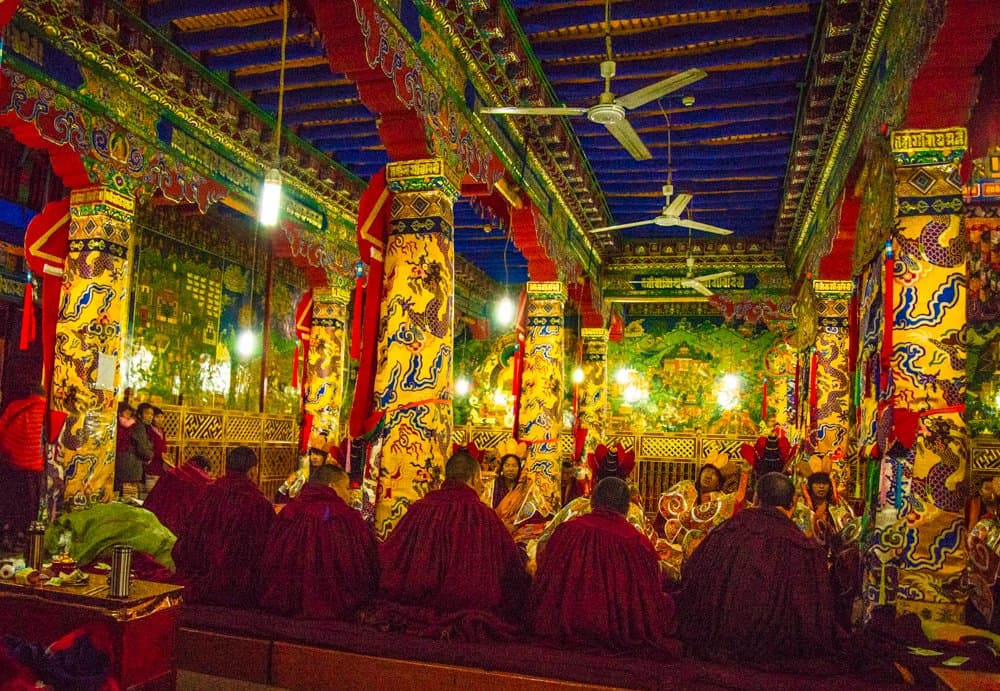
Ramoche Temple
A 7th-century Buddhist temple in Lhasa, revered for its sacred Shakyamuni statue and unique Tibetan-Han Chinese architecture.
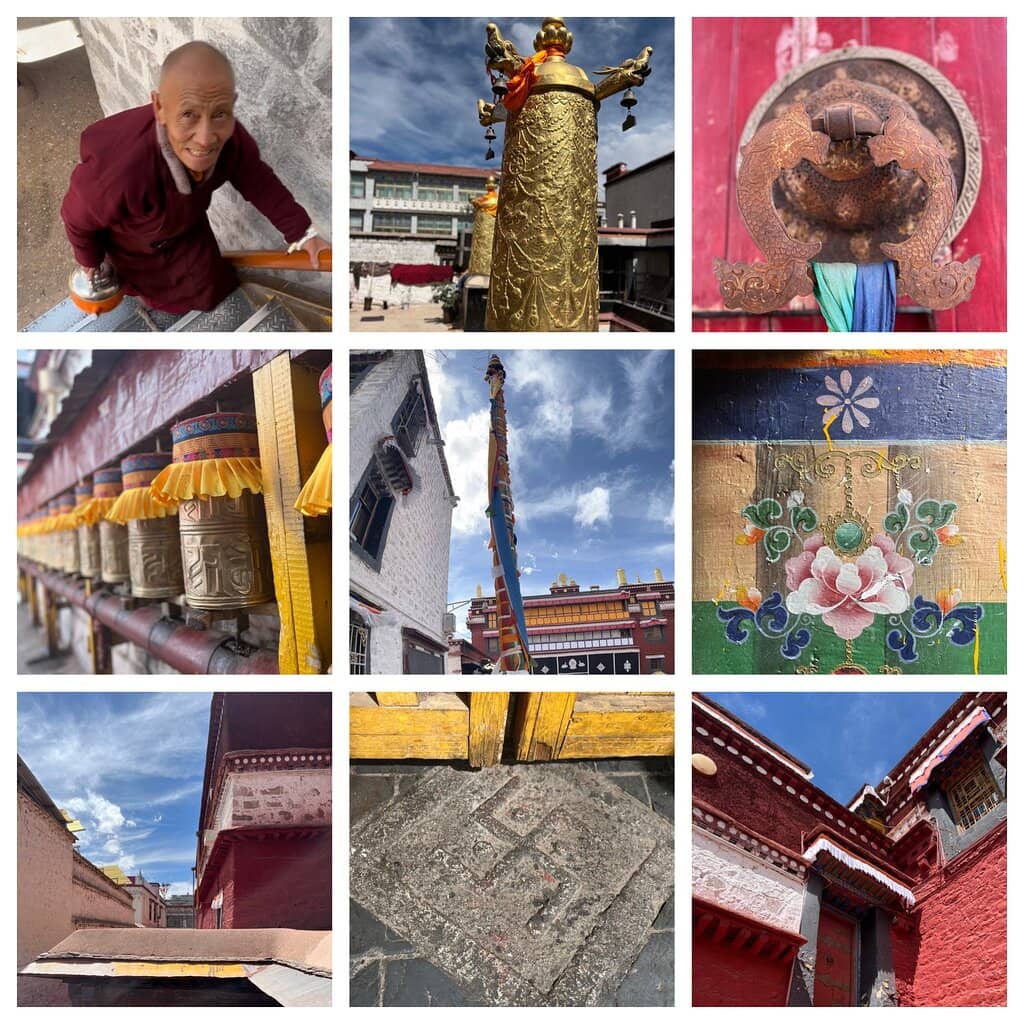
Highlights
Must-see attractions

Social
From TikTok & Reddit
Best Time
Experience tranquility
Ramoche Temple
Best Time
Experience tranquility
Highlights
Must-see attractions
A 7th-century Buddhist temple in Lhasa, revered for its sacred Shakyamuni statue and unique Tibetan-Han Chinese architecture.
"A must-visit if you are Buddhist; it has the second holiest statue of Buddha."
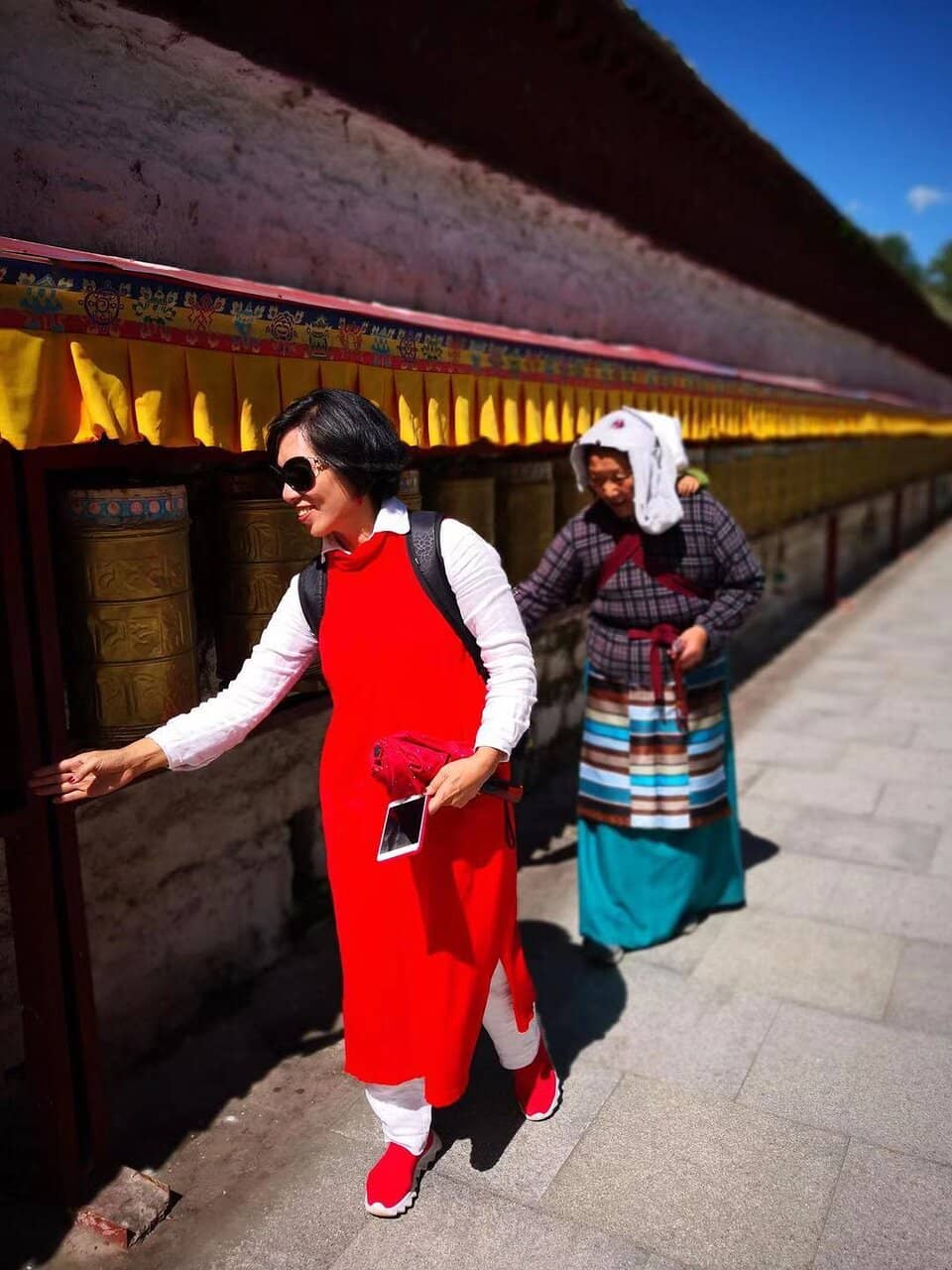
📸 Photography Etiquette
Always ask permission before photographing people. Some inner areas may have restrictions.
🙏 Respectful Attire
Dress modestly, covering shoulders and knees, to show respect for this sacred site.
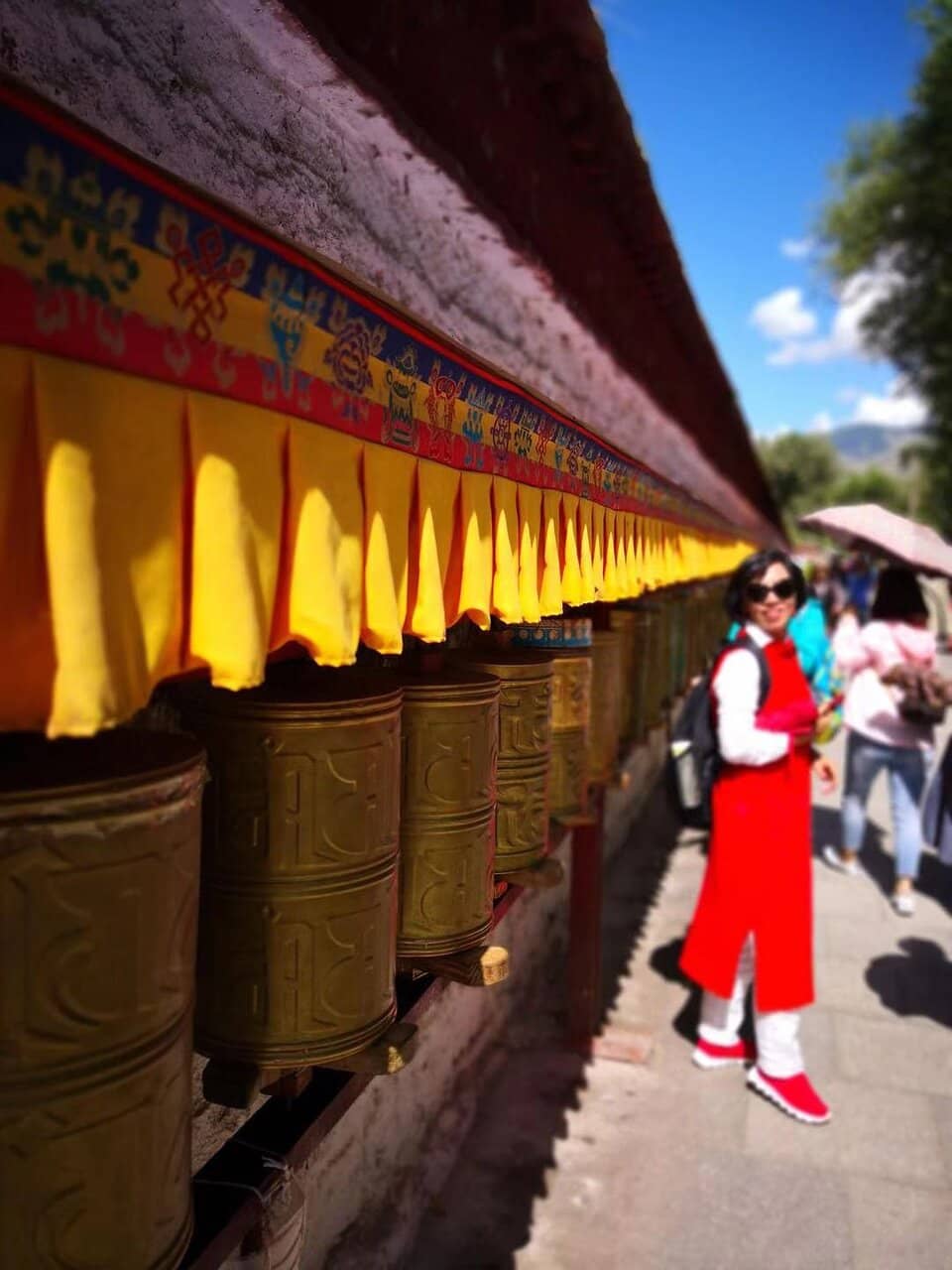
Quick Facts
Rating
4.5 · 100 reviews
Type
Place of Worship
Highlights
Discover the most iconic attractions and experiences
The Sacred Shakyamuni Statue
Inner Sanctum
Home to one of Tibet's most revered Buddha Shakyamuni statues, said to be brought from Nepal.
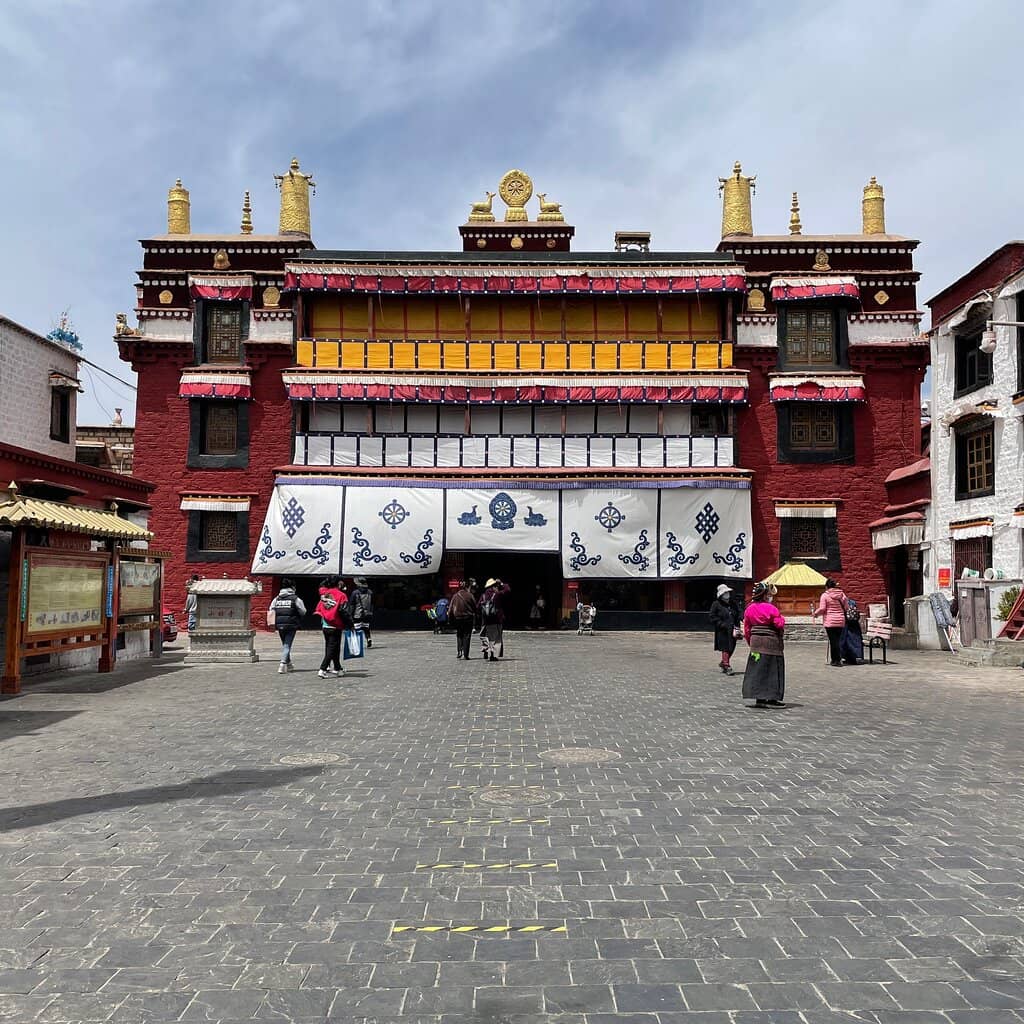
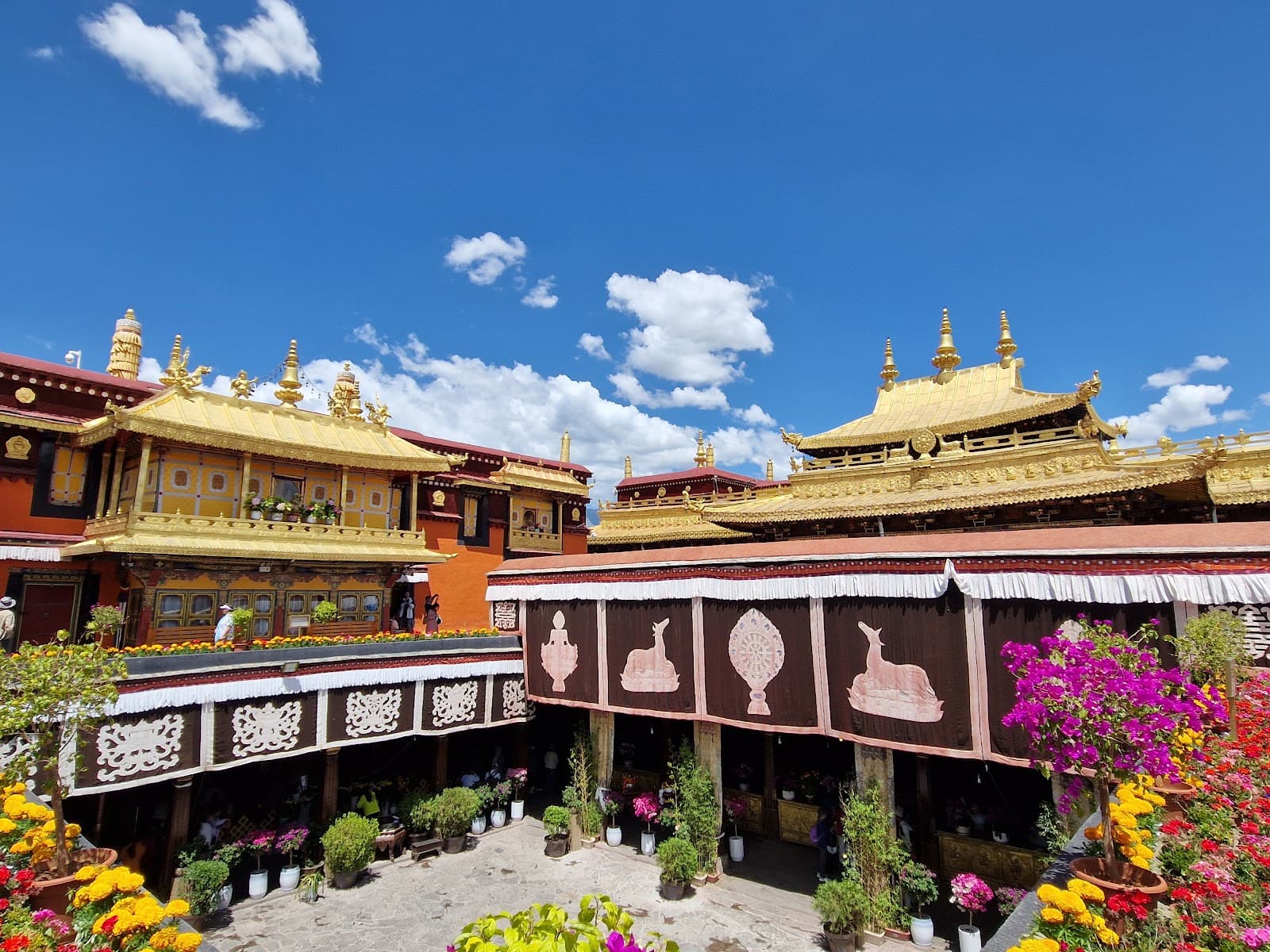
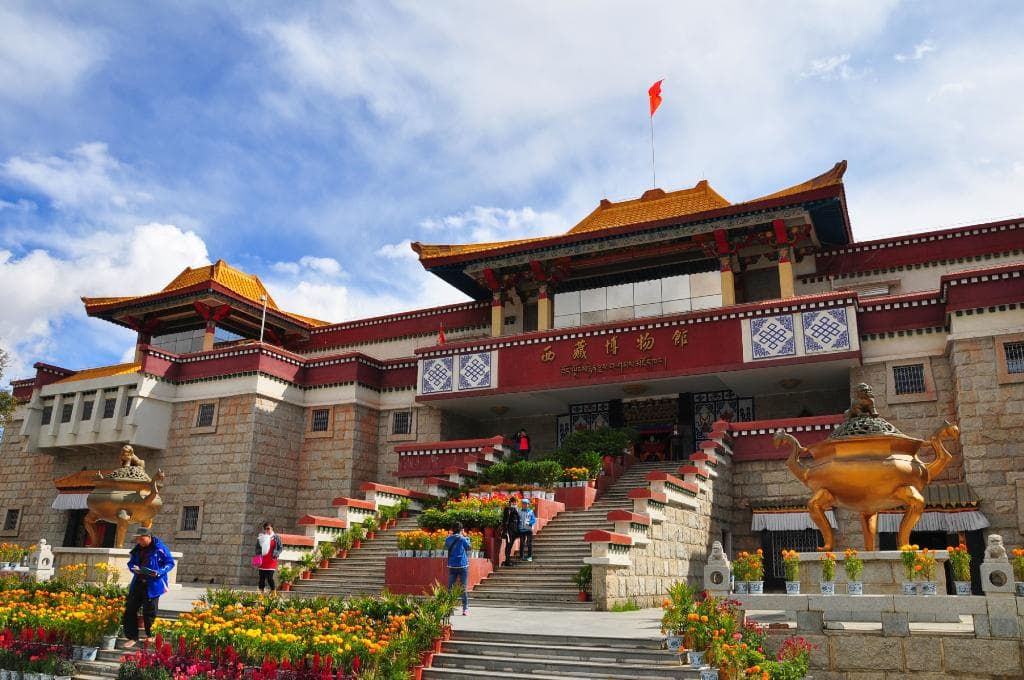
Tibetan & Han Chinese Architecture
Temple Complex
Admire the unique blend of architectural styles, reflecting centuries of cultural exchange.
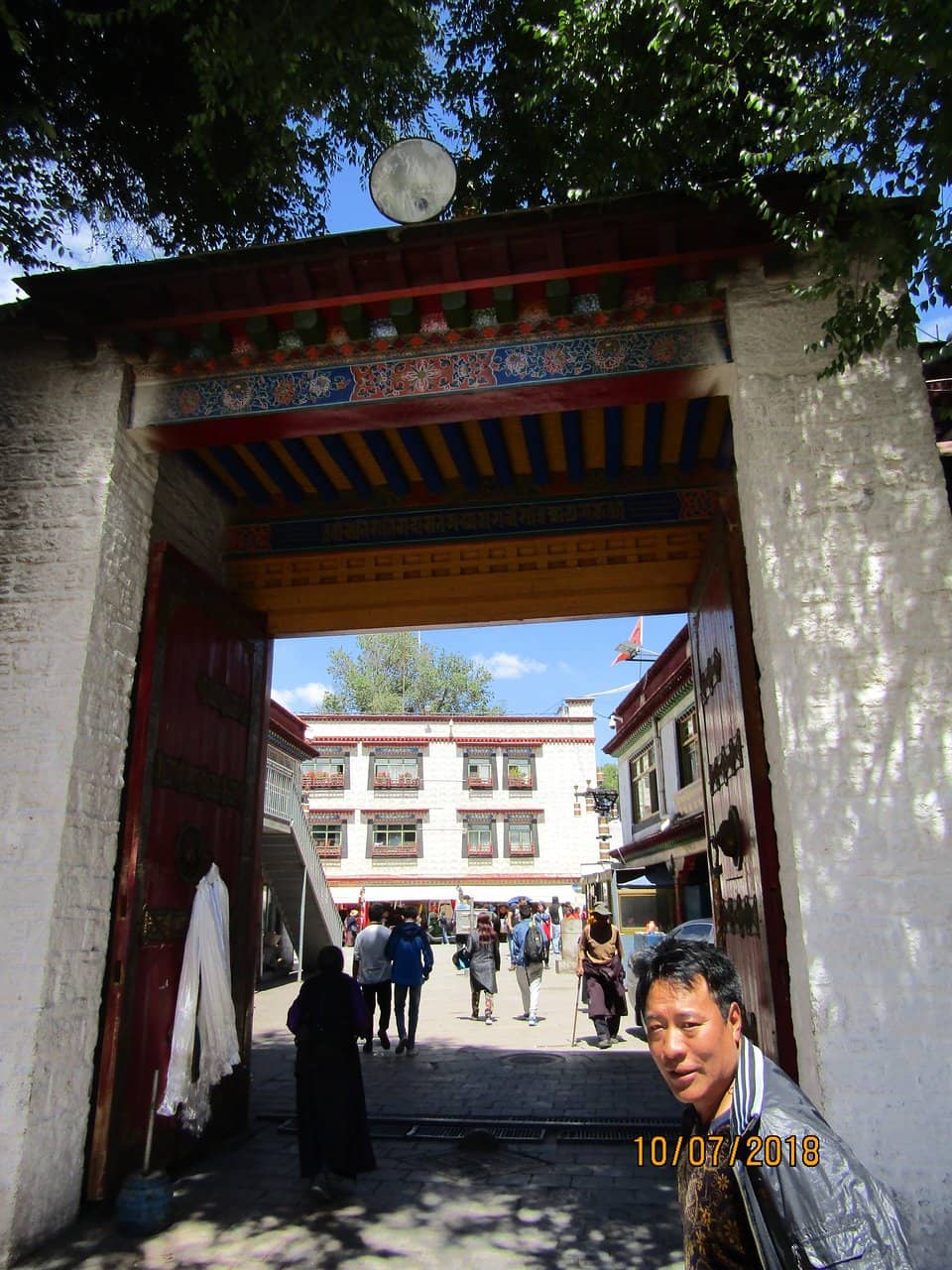
Pilgrim Circumambulation (Kora)
Temple Courtyard
Witness devoted pilgrims performing the sacred kora, a profound spiritual practice.
Plans like a pro.
Thinks like you
Planning Your Visit
Timing Your Visit to Ramoche Temple
Respectful Exploration
Best Times
Insider Tips
from TikTok, Instagram & Reddit
📸 Photography Etiquette
Always ask permission before photographing people. Some inner areas may have restrictions.
🙏 Respectful Attire
Dress modestly, covering shoulders and knees, to show respect for this sacred site.
🚶♀️ Join the Kora
Participate in or observe the circumambulation (kora) for a deeper spiritual connection.
✨ Less Crowded than Jokhang
Enjoy a more intimate experience compared to Jokhang Temple, with fewer international tourists.
Tips
from all over the internet
📸 Photography Etiquette
Always ask permission before photographing people. Some inner areas may have restrictions.
🙏 Respectful Attire
Dress modestly, covering shoulders and knees, to show respect for this sacred site.
🚶♀️ Join the Kora
Participate in or observe the circumambulation (kora) for a deeper spiritual connection.
✨ Less Crowded than Jokhang
Enjoy a more intimate experience compared to Jokhang Temple, with fewer international tourists.
What Travellers Say
Reviews Summary
Ramoche Temple is praised for its spiritual significance, housing a sacred statue, and its less crowded atmosphere compared to Jokhang. Visitors appreciate the unique blend of Tibetan and Han Chinese architecture and the authentic experience of observing pilgrims. Some note that it's a must-visit for those interested in Tibetan Buddhism and history.
"Another temple besides Jokhang that has one of the most sacred Shakyamuni statues in Tibet. It’s smaller and less crowded than Jokhang, thus less tourists.
The architecture is also quite stunning."
Jun Deng
"Mostly not visit by many international travelers. Must visit if staying in Lhasa more then three days. This temple is must to visit if you are buddhist. It has the second holiest statue of Buddha."
Tenzin Woebar
"Xiao Zhao Temple, located in the heart of Lhasa, Tibet, is a historic temple of immense cultural significance, boasting a rich history dating back to the 7th century. As one of the oldest temples in Lhasa, Xiao Zhao Temple was built during the reign of King Songtsen Gampo and is believed to be the site where the king's Chinese wife, Princess Wencheng, resided. The temple is renowned for its exquisite murals, intricate carvings, and historic artifacts, showcasing the unique blend of Tibetan and Chinese architectural styles. As a testament to the temple's cultural importance, Xiao Zhao Temple has been beautifully restored and remains a revered pilgrimage site, attracting devotees and travelers seeking to experience the temple's serene atmosphere and profound cultural heritage."
Shaoping Sun
What People Like
What People Dislike
Frequently Asked Questions
🚇 🗺️ Getting There
Ramoche Temple is located in the heart of Lhasa, Tibet. It's easily accessible by taxi or a short walk from many central accommodations. If you're exploring Lhasa, it's often visited as part of a broader city tour, sometimes combined with the Lingkor, the ancient circumambulation route. +1
Ramoche Temple is a short distance from Jokhang Temple, making it convenient to visit both on the same day. Many travelers consider them complementary sites in Lhasa.
Many visitors opt for guided tours that cover key sites like Ramoche Temple, Jokhang Temple, and the Potala Palace. This is especially helpful for understanding the history and cultural significance. +1
Yes, Ramoche Temple welcomes all visitors interested in its history, architecture, and cultural significance. It's a place to learn and appreciate Tibetan Buddhism.
The temple is part of the ancient Lingkor, a sacred circumambulation route around Lhasa's pilgrimage sites. Walking this route offers a deeper connection to the spiritual landscape.
🎫 🎫 Tickets & Entry
Typically, there is a small entrance fee for Ramoche Temple, similar to other major religious sites in Lhasa. It's advisable to check current prices upon arrival.
Ramoche Temple generally opens early in the morning and closes in the late afternoon. It's best to visit during daylight hours to fully appreciate the temple and its surroundings.
Tickets are usually purchased on-site. For guided tours that include Ramoche Temple, booking in advance through a tour operator is recommended.
Visitors are expected to dress modestly and behave respectfully. Photography may be restricted in certain sacred areas within the temple.
Ramoche Temple is generally less crowded than Jokhang Temple, offering a more peaceful experience for visitors.
📸 📸 Photography
Photography is often permitted in the outer courtyards, but usually restricted inside the main prayer halls where the sacred statues are located. Always look for signage or ask a local guide.
The temple's exterior architecture and the vibrant atmosphere of pilgrims performing their rituals in the courtyard offer excellent photographic opportunities.
It's best to be discreet and respectful when photographing pilgrims. Always ask for permission if you intend to take close-up shots.
Golden hour light can be beautiful for exterior shots. Focus on capturing the spiritual atmosphere and the intricate details of the temple's design.
A versatile lens (like a 24-70mm) is useful for capturing both wide shots of the temple and details. A prime lens can be good for low-light interiors if photography is allowed.
🎫 🙏 Onsite Experience
Ramoche Temple is historically significant as one of the oldest temples in Lhasa, built in the 7th century. It houses a sacred statue of Buddha Shakyamuni, brought by Princess Wencheng. 
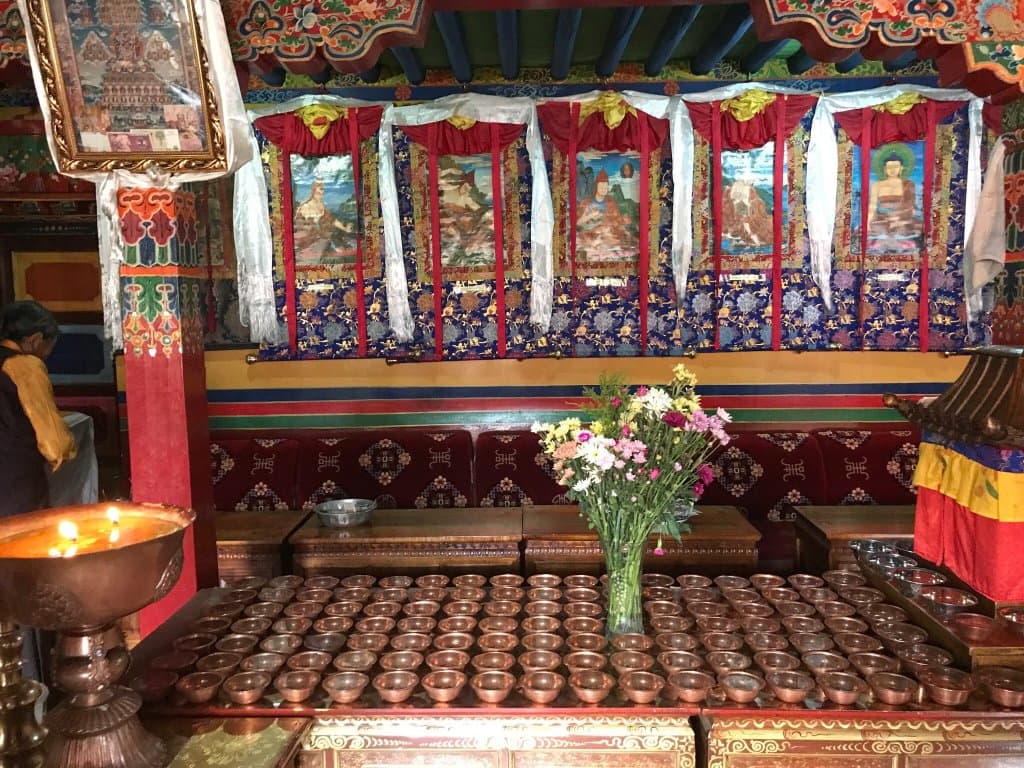
Expect a spiritual atmosphere with devoted pilgrims performing prayers and circumambulations. The temple showcases unique Tibetan and Han Chinese architectural influences.
Absolutely. Witnessing the daily rituals, the devotion of pilgrims, and the temple's historical context offers a profound cultural experience.
The kora is a ritualistic circumambulation around the temple, performed by pilgrims as a form of devotion and merit-making.
Allow at least 1-2 hours to explore Ramoche Temple, observe the rituals, and appreciate the architecture. If you plan to walk part of the Lingkor, allocate more time.


Social
from TikTok, Instagram & Reddit