Lhalu Wetland Reserve
Discover Lhasa's vital urban wetland, a protected sanctuary for wildlife and a crucial ecological hub.
Highlights
Must-see attractions

Social
From TikTok & Reddit
Best Time
Limited public access days
Lhalu Wetland Reserve
Best Time
Limited public access days
Highlights
Must-see attractions
Discover Lhasa's vital urban wetland, a protected sanctuary for wildlife and a crucial ecological hub.
"Beautiful historical sites, but too many people all the time."
🎯 Check Opening Days
The reserve is only open to the public on Wednesdays and Fridays. Plan accordingly!
🚶♀️ Tread Lightly
This is a protected ecological research site. Avoid disturbing wildlife and plants.
Quick Facts
Rating
4.7 · 23 reviews
Type
National Park
Highlights
Discover the most iconic attractions and experiences
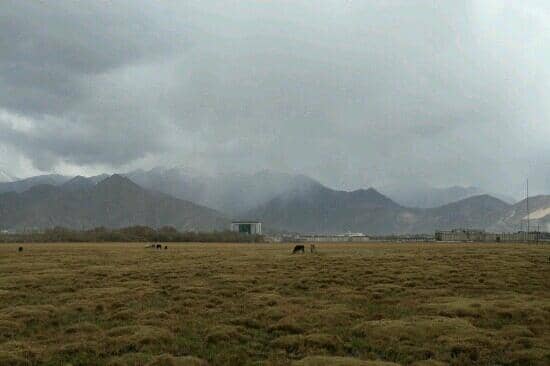
Vast Urban Wetland
Lhasa, Tibet Autonomous Region, China
Explore the world's largest urban wetland, a crucial ecological zone supporting diverse species.
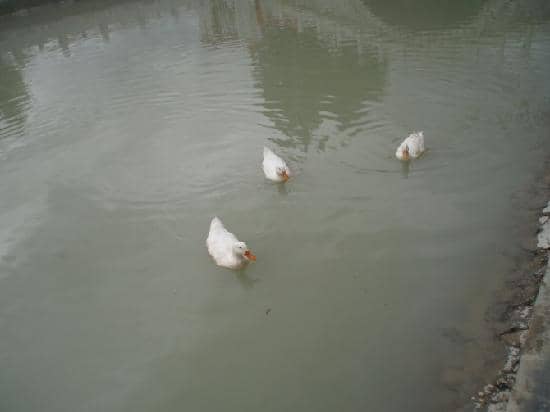
Reed Marshes and Peat Bogs
Within the reserve
Witness the unique landscape of reed marshes and peat bogs, vital habitats for aquatic and terrestrial life.
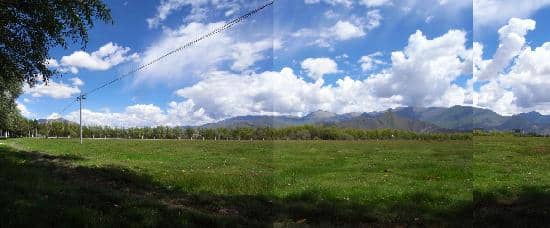
Migratory Bird Sanctuary
Lhalu Wetland Reserve
Observe a peaceful natural sanctuary that provides a vital resting place for migratory birds.
Plans like a pro.
Thinks like you
Planning Your Visit
Timing is Key for the Best Experience
Respect the Ecosystem
Best Times
Insider Tips
from TikTok, Instagram & Reddit
🎯 Check Opening Days
The reserve is only open to the public on Wednesdays and Fridays. Plan accordingly!
🚶♀️ Tread Lightly
This is a protected ecological research site. Avoid disturbing wildlife and plants. +1
📚 Educational Signage
Explanations are available in English, Chinese, Tibetan, and Persian.
💧 Respect the Water
The wetland is crucial for groundwater and climate regulation. Avoid any actions that could pollute it.
Tips
from all over the internet
🎯 Check Opening Days
The reserve is only open to the public on Wednesdays and Fridays. Plan accordingly!
🚶♀️ Tread Lightly
This is a protected ecological research site. Avoid disturbing wildlife and plants. +1
📚 Educational Signage
Explanations are available in English, Chinese, Tibetan, and Persian.
💧 Respect the Water
The wetland is crucial for groundwater and climate regulation. Avoid any actions that could pollute it.
What Travellers Say
Reviews Summary
Lhalu Wetland Reserve is praised for its historical significance and its role as the world's largest urban wetland, offering a peaceful natural sanctuary. However, visitors frequently note that it can be overcrowded, detracting from the experience. The multilingual explanations are appreciated, but the overall visitor experience is sometimes impacted by the sheer volume of people.
"Beautiful historical sites, but too many people all the time."
R9chan
"Worth to visit once in a life time"
Brian Leong
"Nice food"
SiewHoon Chong
What People Like
What People Dislike
Frequently Asked Questions
🚇 🗺️ Getting There
Lhalu Wetland Reserve is located in the heart of Lhasa, making it quite accessible. While specific public transport details can vary, it's generally situated within the city limits. Taxis are a common and convenient option for reaching the reserve from other parts of Lhasa.
Yes, its central location in Lhasa means it's relatively easy to find. It's a well-known landmark within the city.
The reserve is best explored on foot via its designated trails. This allows for a closer appreciation of the ecosystem and minimizes disturbance.
To protect the fragile ecosystem, motorized vehicles are generally not permitted within the core areas of the reserve. Walking is the primary mode of exploration.
Cycling is typically not encouraged within protected wetland areas to prevent soil compaction and disturbance to wildlife. Stick to walking paths.
🎫 🎫 Tickets & Entry
Information regarding ticket prices and availability can be inconsistent. It's advisable to check with local authorities or your accommodation for the most up-to-date information on entry requirements.
The reserve has limited public hours to protect the ecosystem. It is typically open to the public on Wednesdays and Fridays.
No, public access is restricted to specific days, usually Wednesdays and Fridays, to minimize human impact on the sensitive environment.
While some sources indicate it's a protected national reserve, specific admission fees can vary. It's best to confirm locally before your visit.
Arriving in the morning, especially on opening days, is recommended to experience the reserve's tranquility before larger groups arrive.
🎫 🏞️ Onsite Experience
The reserve is a sanctuary for diverse aquatic and terrestrial species, and it's a vital site for migratory birds. Keep an eye out for various bird species and other wetland inhabitants.
While not always advertised, inquire locally about potential guided tours. The multilingual signage provides some information.
The terrain primarily consists of reed marshes and peat bogs, with designated walking trails. Be prepared for potentially damp or uneven ground.
Photography is generally permitted, but always be mindful of your surroundings and avoid disturbing wildlife or the environment.
Absolutely! As a sanctuary for migratory birds, it's an excellent location for birdwatching enthusiasts.
🍽️ 🍽️ Food & Dining
Typically, protected natural reserves like Lhalu do not have food vendors within their boundaries to maintain the pristine environment. It's best to dine before or after your visit.
Bringing your own snacks and water is usually permissible, but it's crucial to pack out everything you bring in. Avoid leaving any trash behind to protect the ecosystem.
Lhasa offers a variety of dining options. You can find local Tibetan cuisine and other international flavors in the city center, a short distance from the reserve.
Designated picnic areas are uncommon in strictly protected ecological reserves. It's best to enjoy your meals outside the reserve boundaries.
Near the reserve, you can explore traditional Tibetan dishes. Reviews mention 'nice food' in the vicinity.
📸 📸 Photography
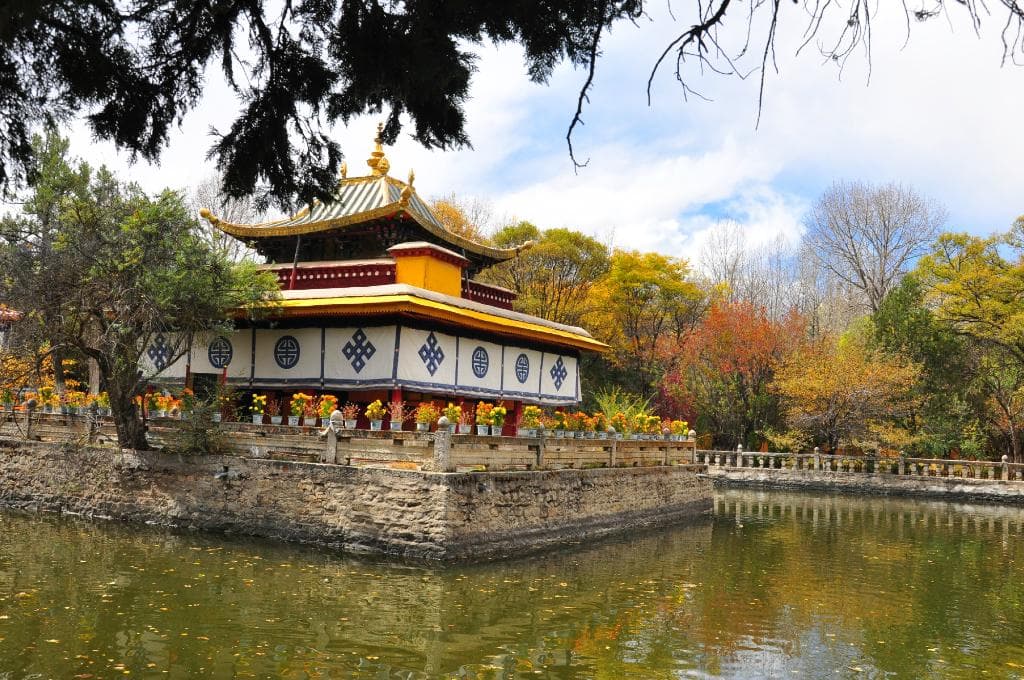
The diverse landscape of reed marshes, peat bogs, and the reflections in the water offer numerous photographic opportunities. Look for scenic viewpoints along the trails.
Drone usage is typically prohibited in protected natural areas and national reserves to avoid disturbing wildlife and for safety reasons.
Early morning or late afternoon often provide the best light for photography, with softer shadows and a more serene atmosphere.
While general photography is allowed, avoid using flash photography that could startle birds or other wildlife. Respect the natural environment. +1
A versatile lens for landscapes and wildlife, along with a sturdy tripod for low-light conditions, would be beneficial.




Social
from TikTok, Instagram & Reddit