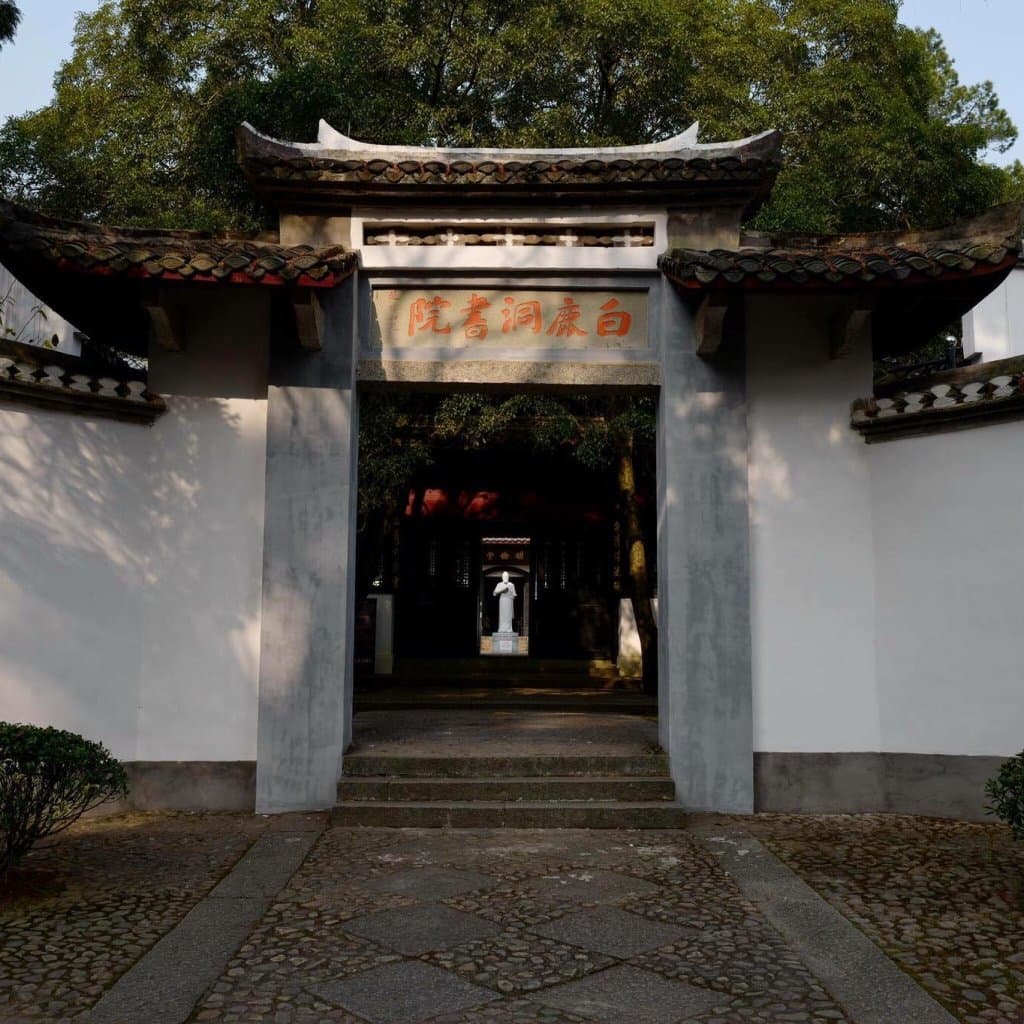
White Deer Grotto Academy
A historic Chinese academy, once a major center for Confucian learning, nestled in the scenic Mount Lu.
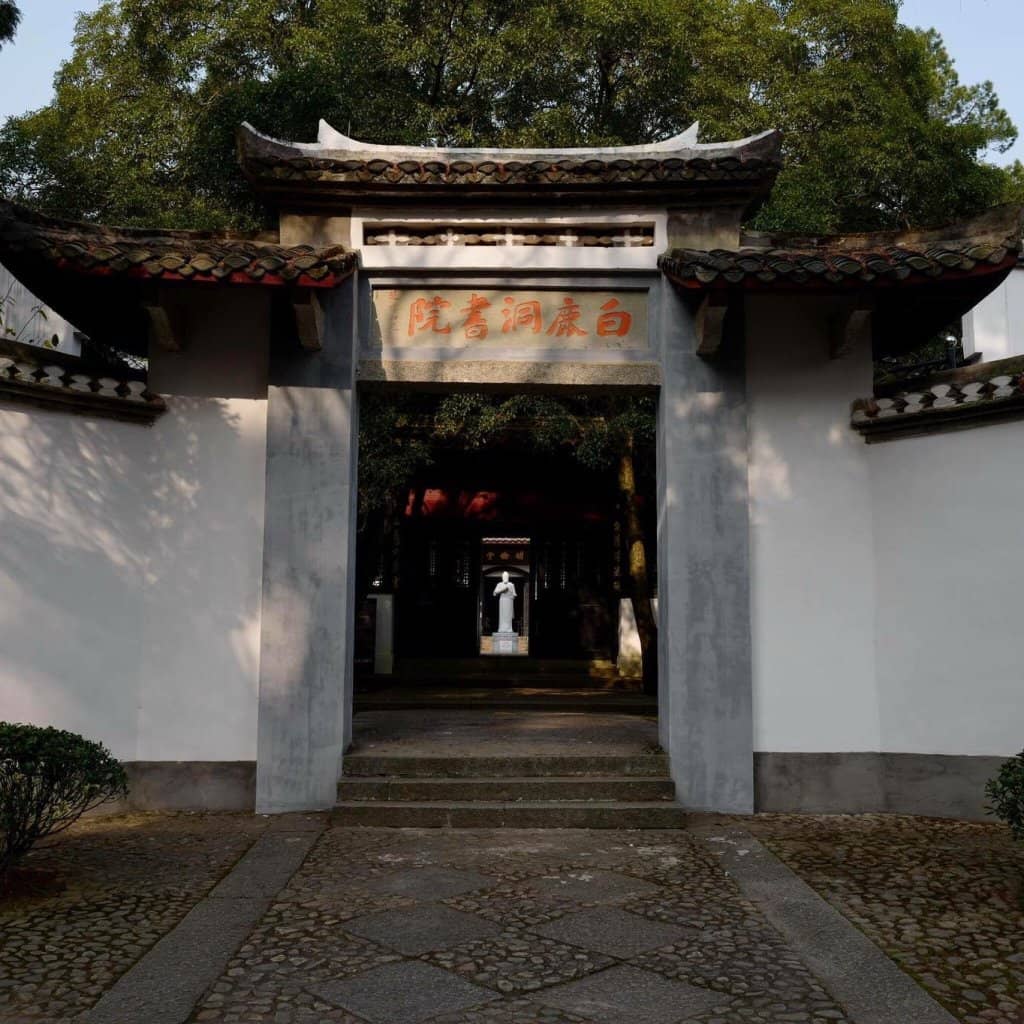
Highlights
Must-see attractions

Social
From TikTok & Reddit
Best Time
Explore before closing
White Deer Grotto Academy
Best Time
Explore before closing
Highlights
Must-see attractions
A historic Chinese academy, once a major center for Confucian learning, nestled in the scenic Mount Lu.
"Rich in history, beautiful architecture, peaceful nature surrounding areas and so much more!"
⏳ Arrive Before 4 PM
To fully appreciate the academy's history and architecture, aim to arrive before 4 PM.
📜 Understand the History
Learn about Scholar Li Bo and Zhu Xi's roles to truly grasp the academy's significance.
Quick Facts
Rating
4.1 · 7 reviews
Type
Point of interest
Highlights
Discover the most iconic attractions and experiences
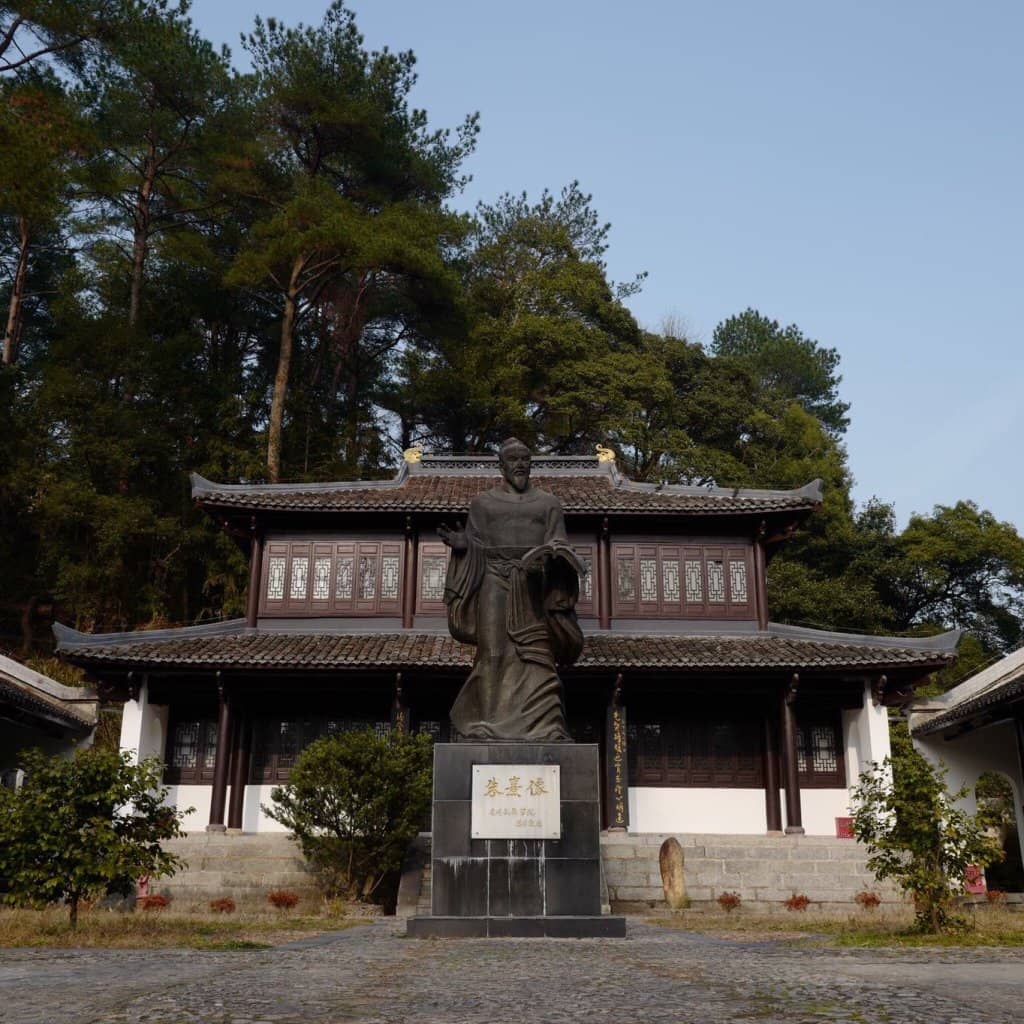
Zhuzi Temple
Main compound
Honor Zhu Xi with over 120 stone tablets, some inscribed by the philosopher himself. A testament to Confucian scholarship.
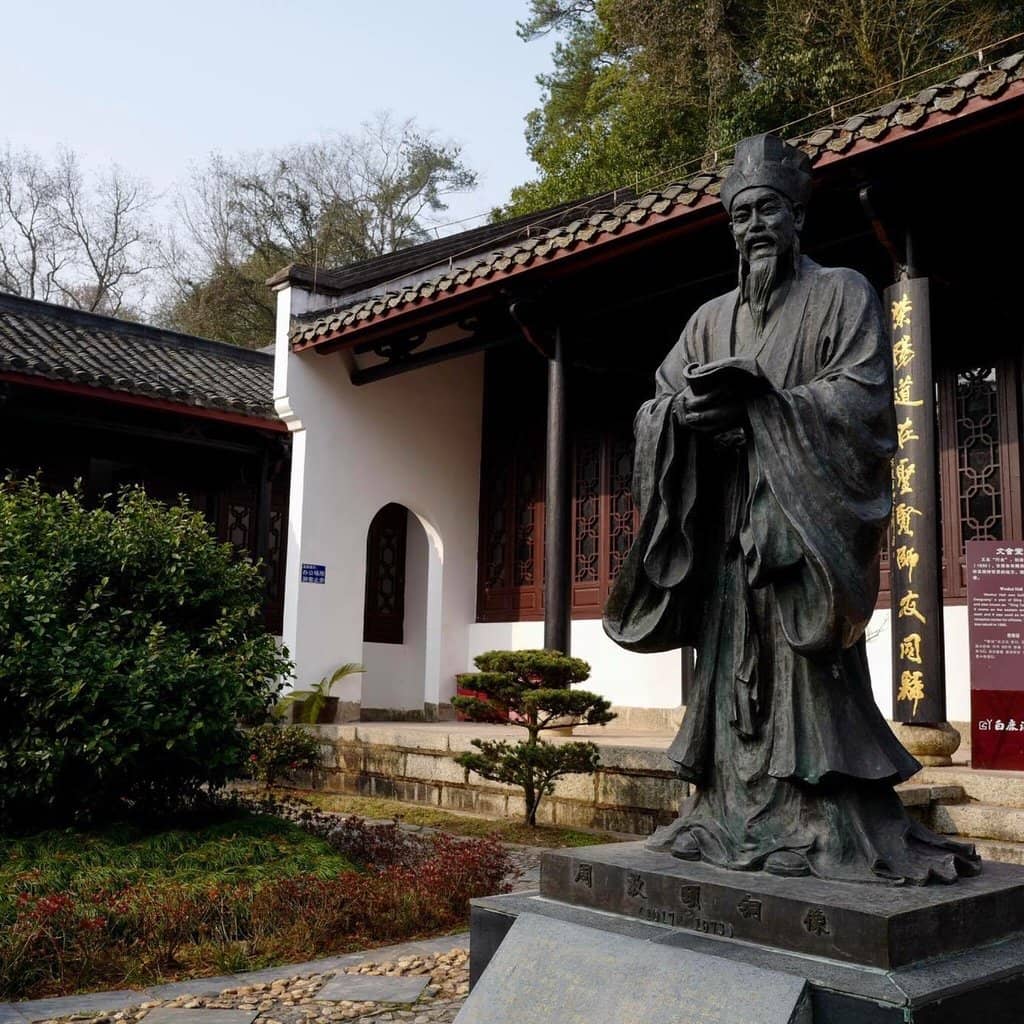
Ancient Stone Sculptures
Throughout the academy grounds
Discover around 150 ancient stone-carved sculptures marking the school's golden past, a visual journey through centuries.
Li Brothers' Seclusion Cave
Foot of Wulao Peak
Explore the cave where Scholar Li Bo and his brother lived in seclusion, the origin of the academy's name.
Plans like a pro.
Thinks like you
Planning Your Visit
Timing Your Visit
Historical Significance
Best Times
Insider Tips
from TikTok, Instagram & Reddit
⏳ Arrive Before 4 PM
To fully appreciate the academy's history and architecture, aim to arrive before 4 PM.
📜 Understand the History
Learn about Scholar Li Bo and Zhu Xi's roles to truly grasp the academy's significance.
🚶♂️ Explore the Grounds
Wander through the five compounds and admire the ancient stone sculptures for a glimpse into the past.
🏞️ Enjoy the Scenery
The academy is part of a national nature reserve, offering beautiful natural surroundings.
Tips
from all over the internet
⏳ Arrive Before 4 PM
To fully appreciate the academy's history and architecture, aim to arrive before 4 PM.
📜 Understand the History
Learn about Scholar Li Bo and Zhu Xi's roles to truly grasp the academy's significance.
🚶♂️ Explore the Grounds
Wander through the five compounds and admire the ancient stone sculptures for a glimpse into the past.
🏞️ Enjoy the Scenery
The academy is part of a national nature reserve, offering beautiful natural surroundings.
What Travellers Say
Reviews Summary
The White Deer Grotto Academy is a historically significant site, recognized as one of the four great academies of the Song Dynasty. Visitors appreciate its rich past, beautiful natural setting, and the tangible remnants of its scholarly legacy, such as the stone tablets and sculptures. However, some find the academy to be in a state of disrepair, which may detract from the overall experience for those expecting pristine conditions.
"We arrived at White Deer Grotto Academy at after 4pm. Our guide told us during the Tang Dynasty, Scholar Li Bo and his brother lived in seclusion in a cave located at the foot of Wulao Peak of Mount Lu, surrounded by four mountains, deep and far away.
When Li Bo rose to prominence as the Governor of Jiangzhou (modern-day Jiujiang), he expanded this cave into a complex of study halls, libraries, and temples. Since Li Bo raised white deer for his own entertainment, he was known as Master White Deer thus the complex was named the White Deer Grotto. After Li’s death, it was tragically damaged during the collapse of the Tang Dynasty.
However in the later years, the Neo-Confucianist Zhu Xi ( military governor of Nankang) of Southern Song Dynasty fully revived White Deer Grotto Academy, set academic rules and taught classes in person.
Considered as One of the 4 Academies in the Song Dynasty, the School was involved in the instruction, collection and preservation of books, religious sacrifices, development of curricula and lectures.
At the entrance, there is a plague on wall inscripted with schematic diagram and introduction of White Deer Grotto Academy.
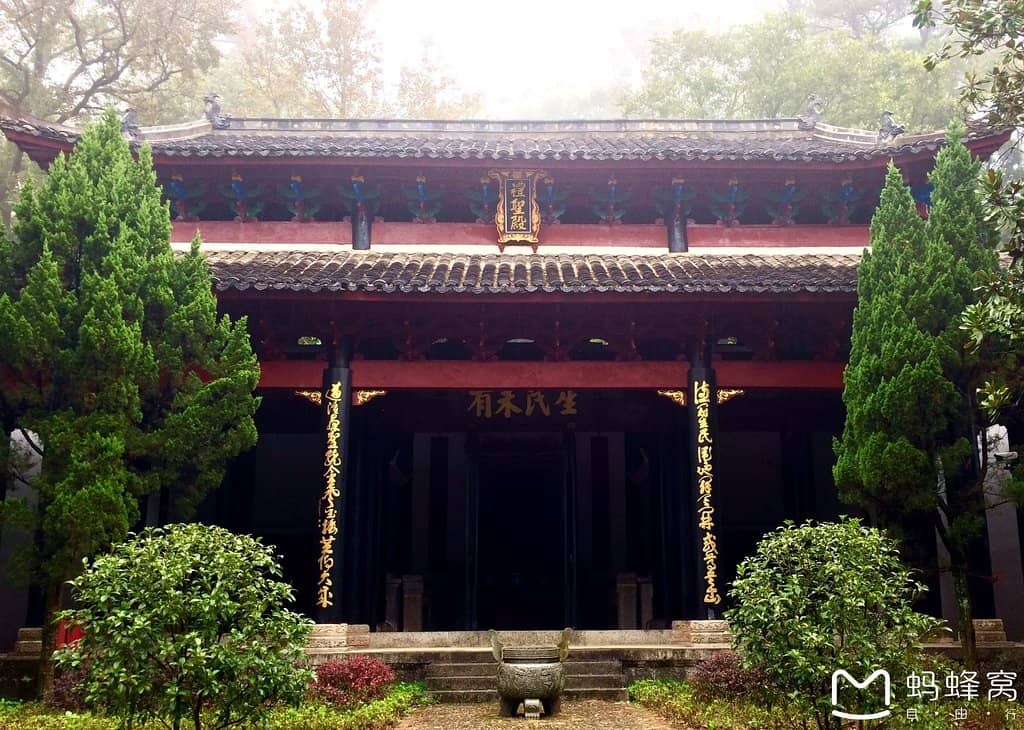
Zhuzi Temple was constructed in honour of Zhu Xi and contains over 120 stone tablets, some of which were engraved with inscriptions by the philosopher himself.
The Academy continued to flourish for eight centuries and, though it was ruined during the civil wars and rebuild several times, there are still five compounds left with about 150 ancient stone-carved sculptures marking the school’s golden past.
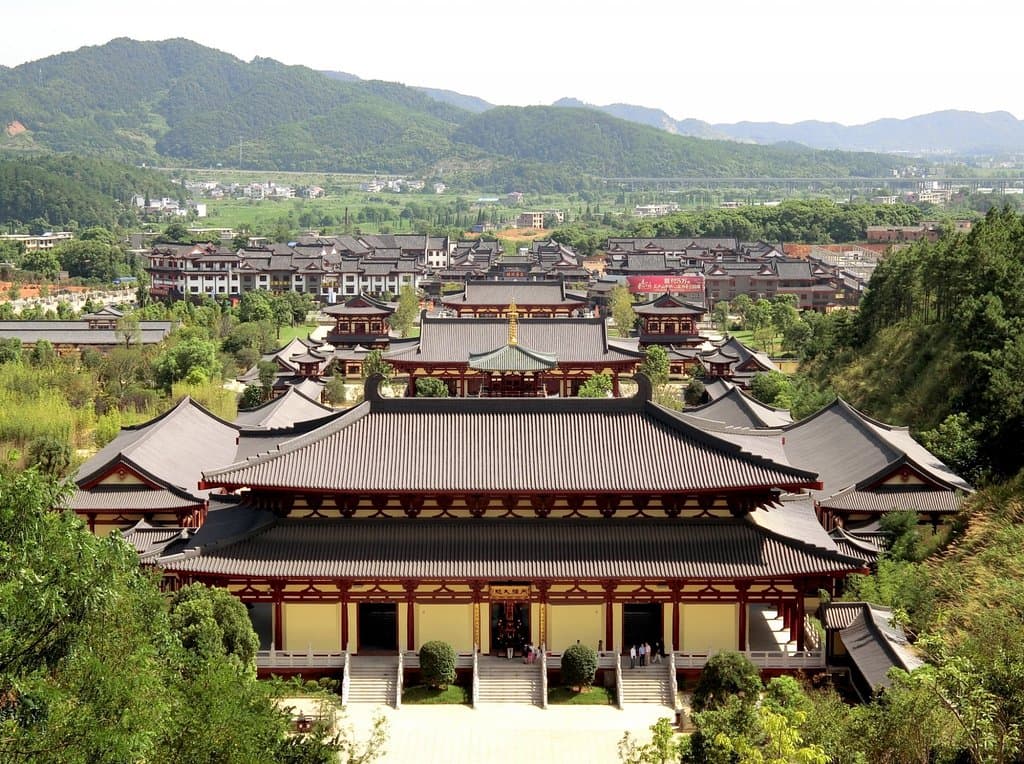
Indeed rich in history, beautiful architecture, peaceful nature surrounding areas and so much more! Thus this academy is a national nature reserve, and an important scenic spot of Lushan "World Cultural Landscape”."
susan chow
"This was once a well known school in the ancient times, but it is quite run down now. Unless you happen to be in the area, it is not worth the trip!"
Tammy Liu
"One of the four great academies of the Song Dynasty, it was also the place where the Li brothers, Li Bo and Li Shizhen, lived in seclusion and studied during the Tang Dynasty. Li Bo kept white deer for his own amusement, hence the title "Master of the White Deer." Later, during the Southern Song Dynasty, Zhu Xi revived the academy, established its rules, and personally taught classes, making it a center of Confucian culture for over a thousand years."
洪秋月
What People Like
What People Dislike
Frequently Asked Questions
🚇 🗺️ Getting There
The White Deer Grotto Academy is located on the southern slope of Mount Wulao, within the Lushan National Park. Access typically involves traveling to Jiujiang city in Jiangxi province, and then taking local transport or a tour to Mount Lu and the academy.
Yes, the White Deer Grotto Academy is an important scenic spot and a significant part of the Lushan "World Cultural Landscape."
The nearest major city is Jiujiang, located in Jiangxi province, China.
🎫 🎫 Tickets & Entry
While specific hours can vary, visitors are advised to arrive before 4 PM to ensure they have enough time to explore the academy.
It's generally recommended to check for current ticketing policies closer to your visit. Some sources suggest it's a place you 'can visit' without specific booking mentions.
Information on specific entrance fees is not widely detailed, but it's advisable to budget for potential admission costs when planning your trip.
🎫 🏛️ Onsite Experience
It's one of the four great academies of the Song Dynasty, founded by Scholar Li Bo and later revived by Neo-Confucianist Zhu Xi, serving as a major center for Confucian culture for over a thousand years.
You can explore five remaining compounds, admire over 150 ancient stone-carved sculptures, visit the Zhuzi Temple with its inscribed tablets, and see the cave where Li Bo lived.
While rich in history, some reviews indicate that parts of the academy are quite run-down, suggesting it may not be as pristine as other historical sites.
For history enthusiasts and those interested in Confucian culture, it's a significant site. However, some visitors feel it might not be worth a special trip if you're not already in the area due to its current condition.
The academy is named after Scholar Li Bo, who lived in seclusion in a cave and kept white deer for his amusement, earning him the title 'Master of the White Deer.'
📸 📸 Photography
Look for picturesque views of the ancient architecture against the natural backdrop of Mount Wulao. The Zhuzi Temple and the stone sculptures offer unique photographic opportunities.

Photography of the stone tablets is generally permitted, but always be respectful of the historical artifacts and other visitors.

Social
from TikTok, Instagram & Reddit