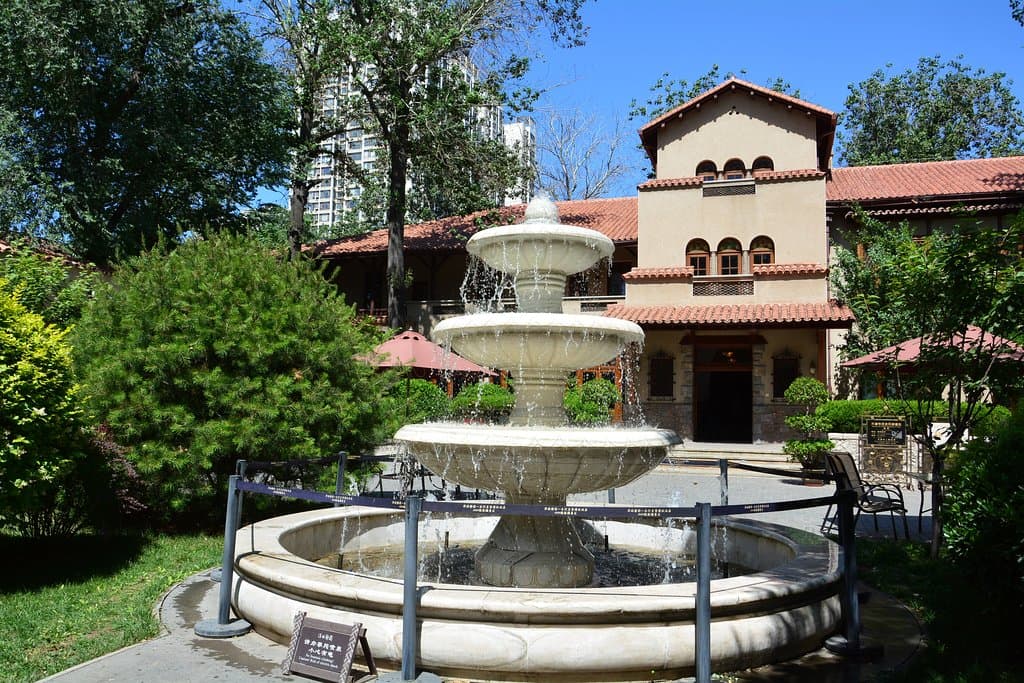
Jingyuan Garden Puyi Residence
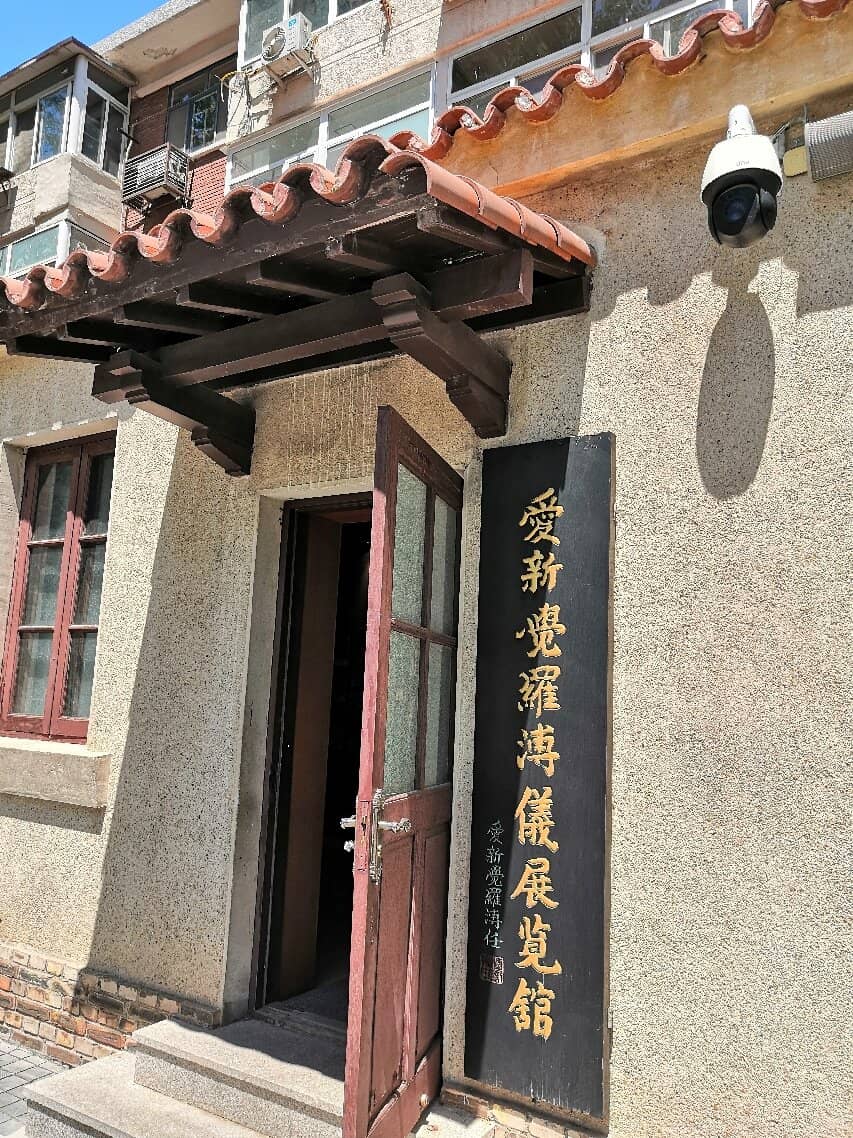
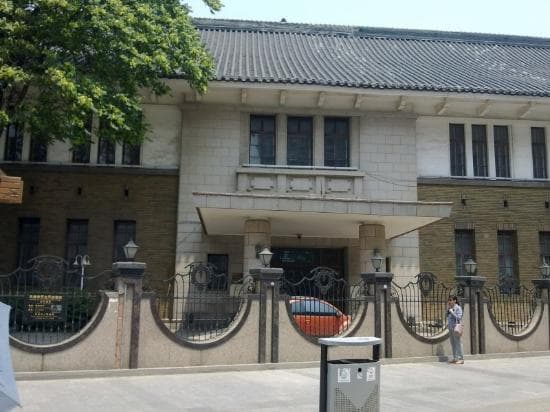
Step back in time at Jingyuan Garden, the former residence of Puyi, China's last emperor, offering a glimpse into a pivotal historical era.
Highlights
Must-see attractions

Social
From TikTok & Reddit
Best Time
Fewer crowds, more peaceful
Jingyuan Garden Puyi Residence
Best Time
Fewer crowds, more peaceful
Highlights
Must-see attractions
Step back in time at Jingyuan Garden, the former residence of Puyi, China's last emperor, offering a glimpse into a pivotal historical era.
"Immersed in the historical significance, you can still feel the old history here."
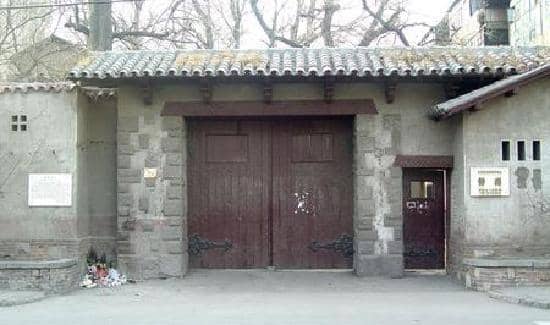
🎟️ Buy Tickets at Entrance
Tickets are readily available at the entrance, making spontaneous visits easy.
🕰️ Arrive Early for Serenity
Beat the crowds by visiting in the morning for a more tranquil experience.
Quick Facts
Rating
4.3 · 41 reviews
Type
Tourist Attraction
Highlights
Discover the most iconic attractions and experiences
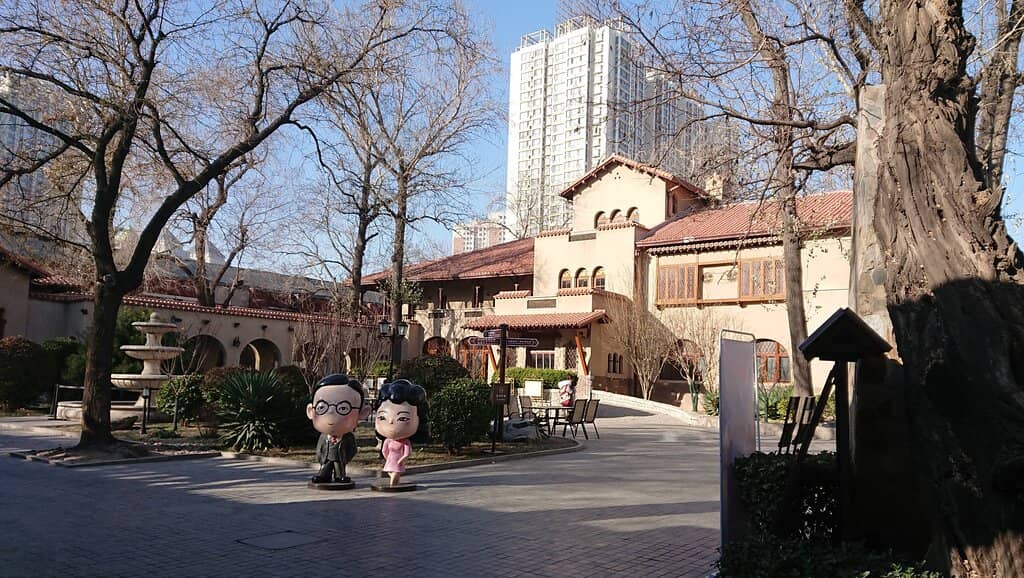
Puyi's Former Residence
Main House
Explore the rooms where Puyi lived from 1929-1931, preserved with original furnishings and historical context.
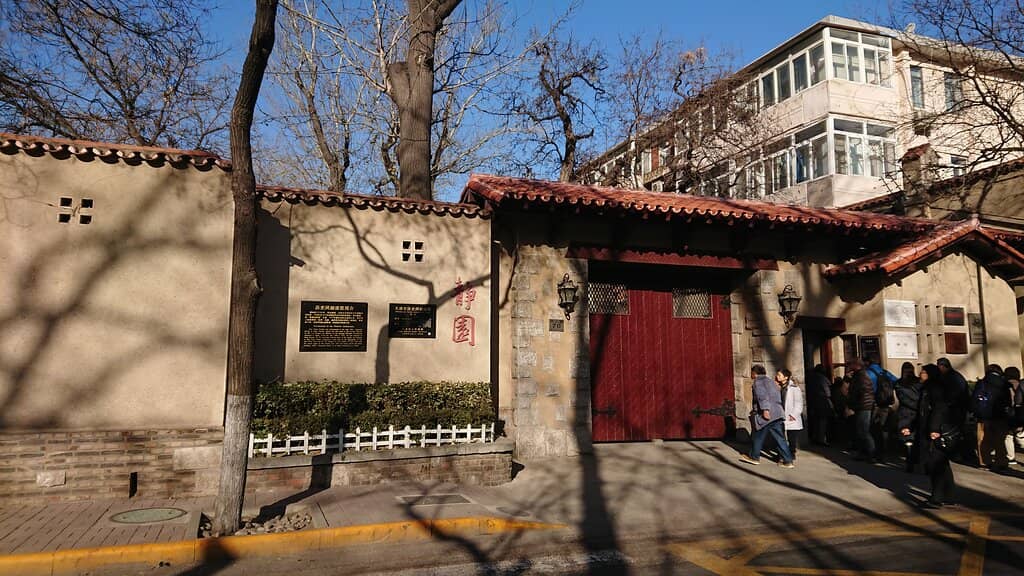
Historical Exhibits
Throughout the Residence
Chronologically arranged displays detail Puyi's life and the residence's transformation over decades.
Original Architectural Details
Entire Residence
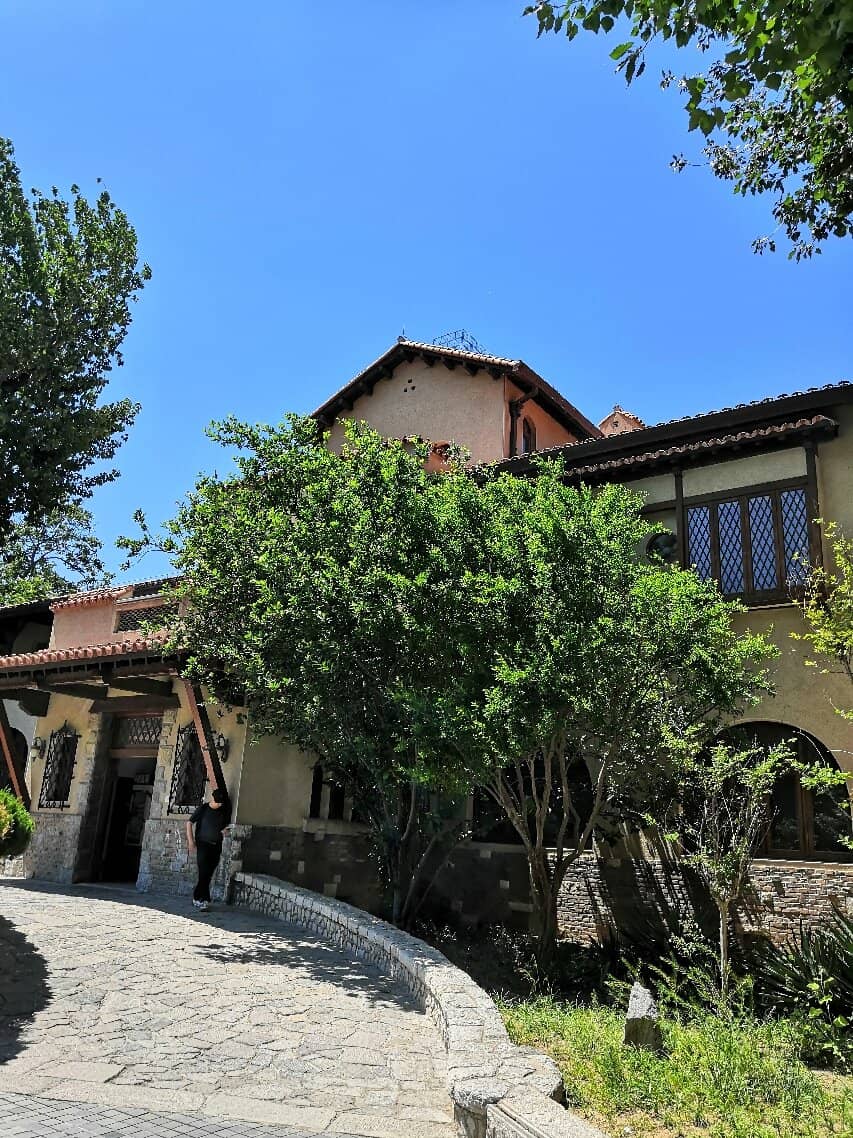
Discover preserved windows, furniture, and architectural elements that evoke the late Qing Dynasty era.
Plans like a pro.
Thinks like you
Planning Your Visit
Timing Your Visit
Ticket & Entry Insights
Best Times
Insider Tips
from TikTok, Instagram & Reddit
🎟️ Buy Tickets at Entrance
Tickets are readily available at the entrance, making spontaneous visits easy.
🕰️ Arrive Early for Serenity
Beat the crowds by visiting in the morning for a more tranquil experience.
📜 Understand the History
Exhibits are chronological, offering a clear narrative of Puyi's life and the residence's past.
🇯🇵 Note Japanese Text
Some exhibits may feature Japanese inscriptions, reflecting historical connections.
Tips
from all over the internet
🎟️ Buy Tickets at Entrance
Tickets are readily available at the entrance, making spontaneous visits easy.
🕰️ Arrive Early for Serenity
Beat the crowds by visiting in the morning for a more tranquil experience.
📜 Understand the History
Exhibits are chronological, offering a clear narrative of Puyi's life and the residence's past.
🇯🇵 Note Japanese Text
Some exhibits may feature Japanese inscriptions, reflecting historical connections.
What Travellers Say
Reviews Summary
Visitors are impressed by the historical preservation of Jingyuan Garden Puyi Residence, noting the original furnishings and chronological exhibits that offer a deep dive into Puyi's life. While the site is not extensive, its historical significance and the tangible connection to the past make it a worthwhile visit, though it can get quite crowded.
"I lived in the neighborhood as a child but never had the chance to visit it before it was fully renovated. I recommend visiting it now because many of the interior decorations such as windows and furniture are still originals despite that the entire house had been occupied by ordinary people for over six decades."
Dongxian Jiang
"Very much impressed I will pay another visit"
Beatrice Adagala
"Tickets can be purchased at the entrance.
Some of the exhibits have Japanese written on them as well.
This is where Puyi temporarily lived, and the exhibits are arranged in chronological order, allowing you to learn about Puyi and the history of the area around him.
It's definitely worth a visit."
خلدون ابن
What People Like
What People Dislike
Frequently Asked Questions
🚇 🗺️ Getting There
Jingyuan Garden Puyi Residence is accessible by public transport in Tianjin. Many visitors use ride-sharing services or local buses to reach the location. It's advisable to check real-time navigation apps for the most efficient routes from your starting point.
The residence is a well-known historical site in Tianjin. While it's not a sprawling complex, it's recommended to use a map application on your phone to pinpoint the exact entrance, especially if you're unfamiliar with the area.
Tianjin has a developed public transportation system, including subways and buses. For attractions like Jingyuan Garden, taxis or ride-sharing apps are also convenient options, especially for reaching specific neighborhoods.
🎫 🎫 Tickets & Entry
Tickets for Jingyuan Garden Puyi Residence are typically around 20 yuan. It's best to confirm the current price at the entrance or through official local tourism channels.
While online booking options might exist, tickets are readily available for purchase directly at the entrance of Jingyuan Garden Puyi Residence.
Opening hours can vary, but historical residences like this are generally open during daylight hours. It's recommended to check local listings or inquire upon arrival for the most accurate times.
To avoid the largest crowds, visiting on weekdays during the morning or late afternoon is advisable. Mid-day can be particularly busy with tour groups.
Advance booking is generally not required for Jingyuan Garden Puyi Residence, as tickets are usually sold at the entrance. However, during peak tourist seasons, it's always a good idea to check for any special requirements.
🎫 🧭 Onsite Experience
Inside, you'll find exhibits detailing Puyi's life from 1929 to 1931, original furniture, and architectural elements. The residence offers a glimpse into a significant period of Chinese history.
The residence is not a very large complex. A visit typically takes about 1-2 hours, allowing time to explore the exhibits and soak in the historical atmosphere.
While children can visit, the historical exhibits might be more engaging for older children or adults interested in history. The space itself is not particularly interactive for younger kids.
Information is often available on-site, and some exhibits may have descriptive panels. Dedicated guided tours might not always be readily available, so self-exploration is common.
Jingyuan Garden was the temporary residence of Puyi, the last emperor of China, from 1929 to 1931. It offers insights into his life during that period and the subsequent changes the residence underwent.
📸 📸 Photography
Photography rules can vary. Generally, interior photography might be restricted in certain exhibit areas to protect the artifacts. It's best to look for signage or ask staff on-site.
The preserved interiors and architectural details offer great photo opportunities. The exterior courtyard and any restored garden areas can also be picturesque.
Drone usage is typically restricted in urban areas and around historical sites due to safety and privacy concerns. It's highly unlikely to be permitted.
Social
from TikTok, Instagram & Reddit