China National Tea Museum
Discover China's rich tea heritage amidst tranquil gardens and serene exhibits. A peaceful escape into culture and nature.

Highlights
Must-see attractions
Social
From TikTok & Reddit
Best Time
Fewer crowds, more peaceful
China National Tea Museum
Best Time
Fewer crowds, more peaceful
Highlights
Must-see attractions
Discover China's rich tea heritage amidst tranquil gardens and serene exhibits. A peaceful escape into culture and nature.
"A serene and beautiful spot to learn about tea's fascinating history and deep cultural roots in China."
🎯 Free Admission!
Entry to the museum and its beautiful grounds is completely free. No tickets needed! :ticket:
🚶♀️ Explore the Gardens
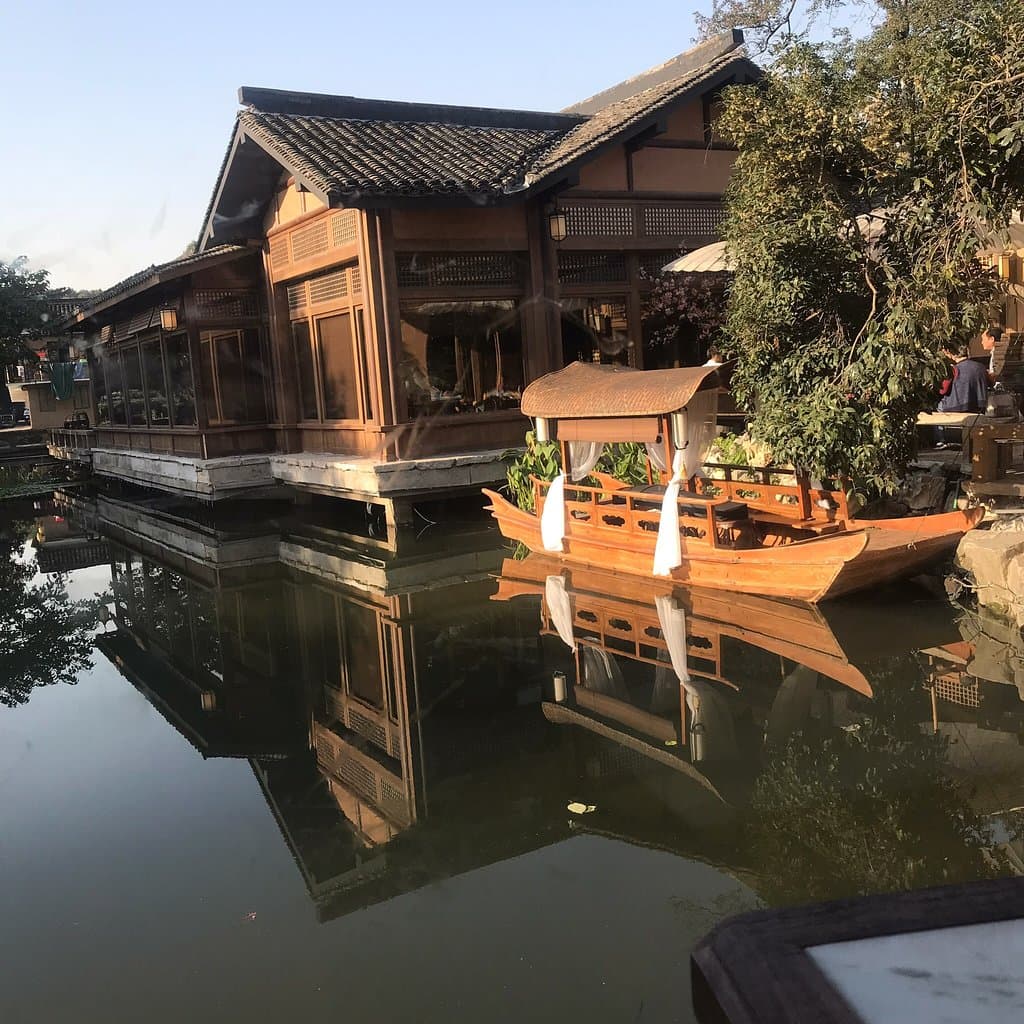
Don't miss the serene gardens with streams, lotus ponds, and koi fish. Perfect for a relaxing walk. :evergreen_tree:
Highlights
Discover the most iconic attractions and experiences
Tranquil Gardens
Museum Grounds
Mature trees, blooming flowers, lotus ponds, and koi fish create a peaceful oasis. A perfect spot for a leisurely stroll.

Tea Culture Exhibits
Main Museum Halls
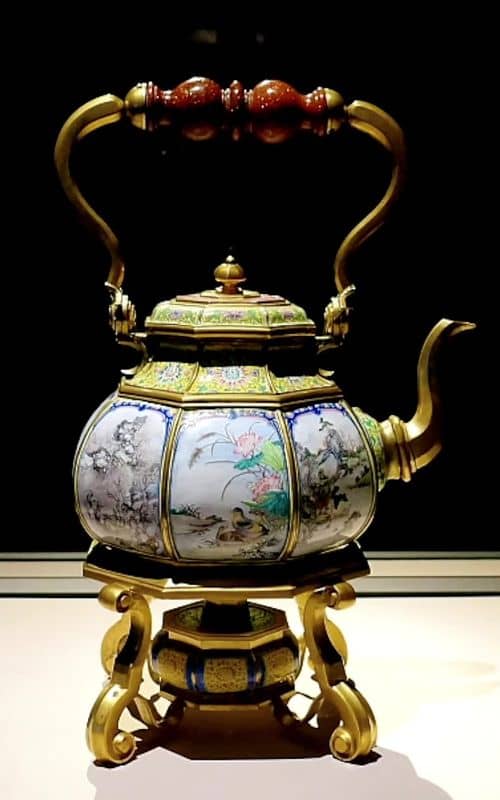
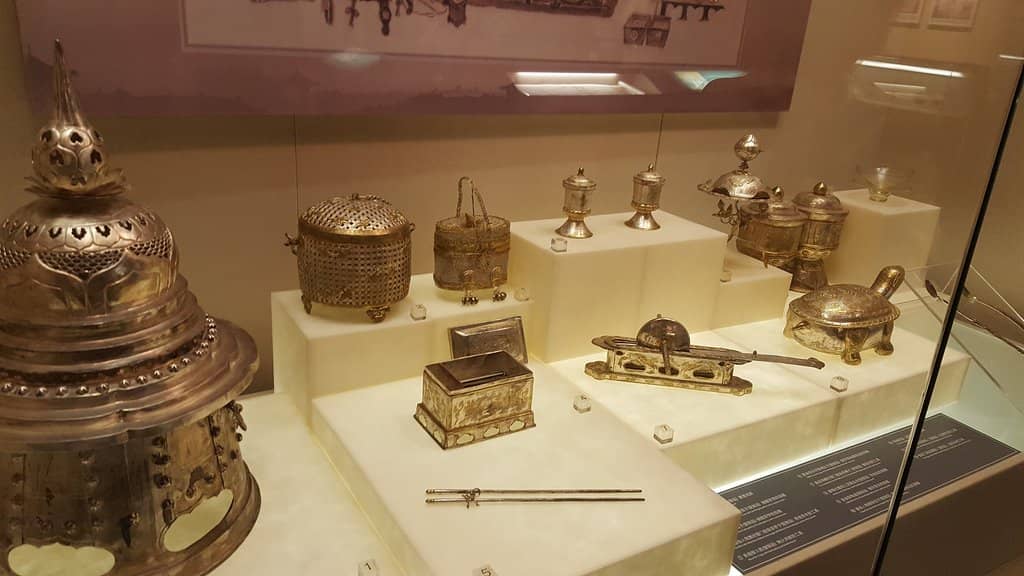
Explore the rich history and diverse traditions of Chinese tea. Informative displays with English explanations are available.

Longjing Tea Plantations
Outside Museum
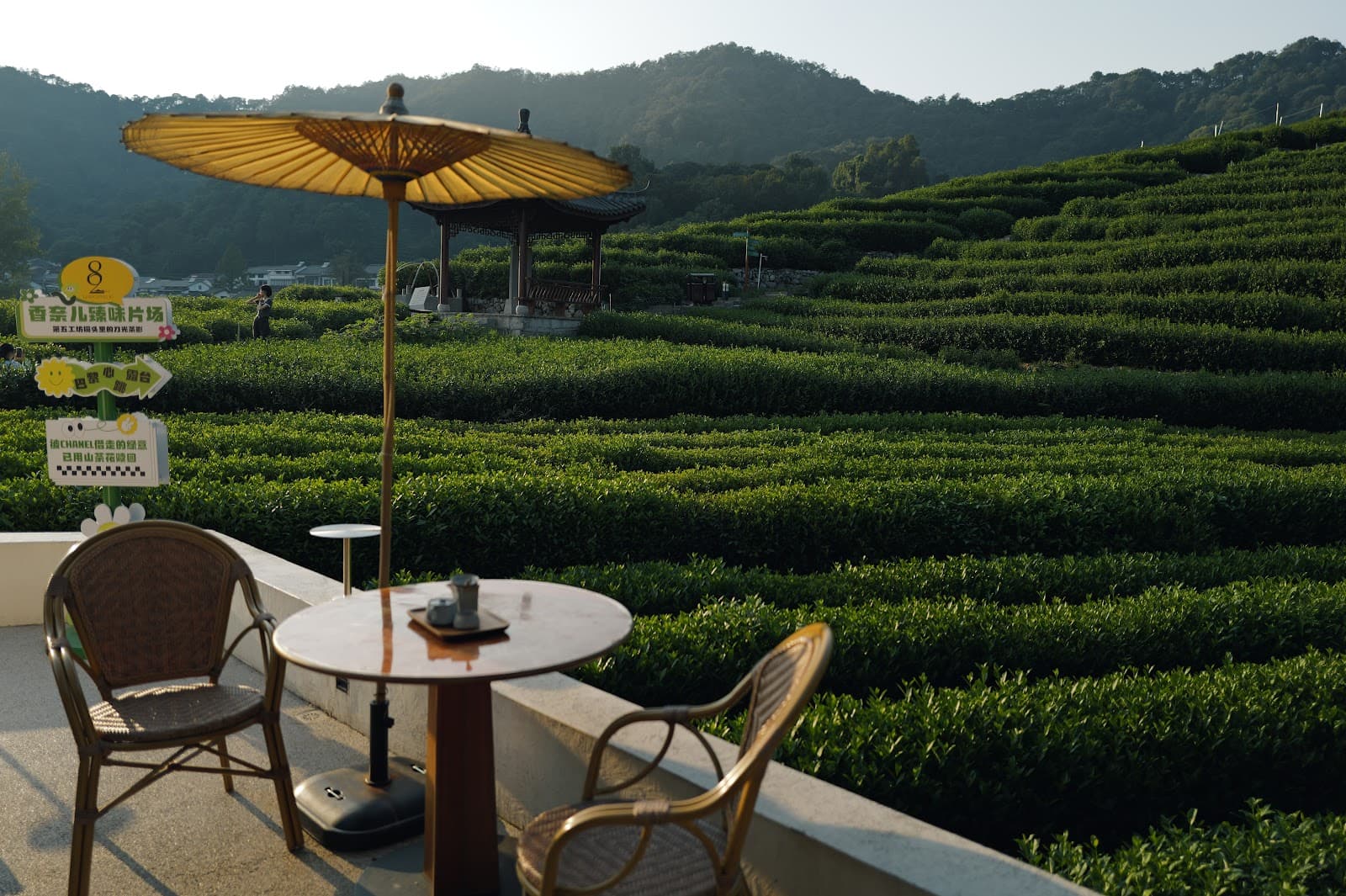
Walk through the iconic Longjing (Dragon Well) tea fields surrounding the museum. A glimpse into tea cultivation.
Plans like a pro.
Thinks like you
Planning Your Visit
Embrace the Serenity
Free Entry & English Info
Best Times
Insider Tips
from TikTok, Instagram & Reddit
🎯 Free Admission!
Entry to the museum and its beautiful grounds is completely free. No tickets needed! :ticket:
🚶♀️ Explore the Gardens
Don't miss the serene gardens with streams, lotus ponds, and koi fish. Perfect for a relaxing walk. :evergreen_tree:
🗣️ English Information
Most exhibits have descriptions in both Chinese and English, making it easy to understand. :speech_balloon:
🍵 Tea Tasting Available
Some visitors mention tea tasting sessions inside. Ask at the reception for details! :tea:
Tips
from all over the internet
🎯 Free Admission!
Entry to the museum and its beautiful grounds is completely free. No tickets needed! :ticket:
🚶♀️ Explore the Gardens
Don't miss the serene gardens with streams, lotus ponds, and koi fish. Perfect for a relaxing walk. :evergreen_tree:
🗣️ English Information
Most exhibits have descriptions in both Chinese and English, making it easy to understand. :speech_balloon:
🍵 Tea Tasting Available
Some visitors mention tea tasting sessions inside. Ask at the reception for details! :tea:
🥾 Comfortable Shoes
You'll be doing a lot of walking through the gardens and exhibits, so wear comfy shoes. :athletic_shoe:
What Travellers Say
Reviews Summary
Visitors consistently praise the China National Tea Museum for its serene atmosphere, beautiful gardens, and free entry. It's described as a peaceful escape offering insights into China's rich tea culture, with well-presented exhibits and informative English descriptions. While some find it a bit secluded, the tranquil experience and natural beauty make it a highly recommended, underrated gem.
"A lovely visit to this tea museum to learn about the history and culture of tea in China. There is a huge directory board at the entrance of the museum compound that gives an overview of the museum grounds. Descriptions are in English as well.
As we walked up to the main museum entrance we were delighted to see a lovely stream running through the lower tea plantations. The gardens leading up to the main museum halls are mature with trees and beautiful flowers, lotus, water plants and koi fish.
There is a security check point at the entrance of Hall 1. Locals are required to scan a QR code to register. Foreigners were escorted to the main reception hall. We just presented our passports and signed in on their guest book. The lovely receptionist greeted us with a smile and informed us that there is a tea tasting inside featuring 6 different varieties of tea.
Overall it was an informative, serene and relaxing activity."
Aronica Lee Xavier
"The 中国茶叶博物馆 (China National Tea Museum) in Hangzhou is such a peaceful and beautiful spot! It’s the perfect place to learn about tea’s fascinating history and its deep cultural roots in China. The exhibits are well-organized, and I appreciated that much of the information was available in English, making it easy to follow.
The buildings are surrounded by gorgeous gardens and greenery, so it’s definitely worth visiting on a clear day to soak up the ambiance. Entrance was free, which was a nice surprise. If you’re a tea lover or just enjoy serene places with a cultural twist, this museum is a must-visit! Perfect for a relaxing afternoon in Hangzhou."
Zeno Casti
"If you are a tea lover, this is the place you wanna be. This museum is so tranquil and offers more than just a boring museum. I usually don’t like museums but this is a 5 stars for me ⭐️⭐️⭐️⭐️⭐️"
Daniel
What People Like
What People Dislike
Frequently Asked Questions
🚇 🗺️ Getting There
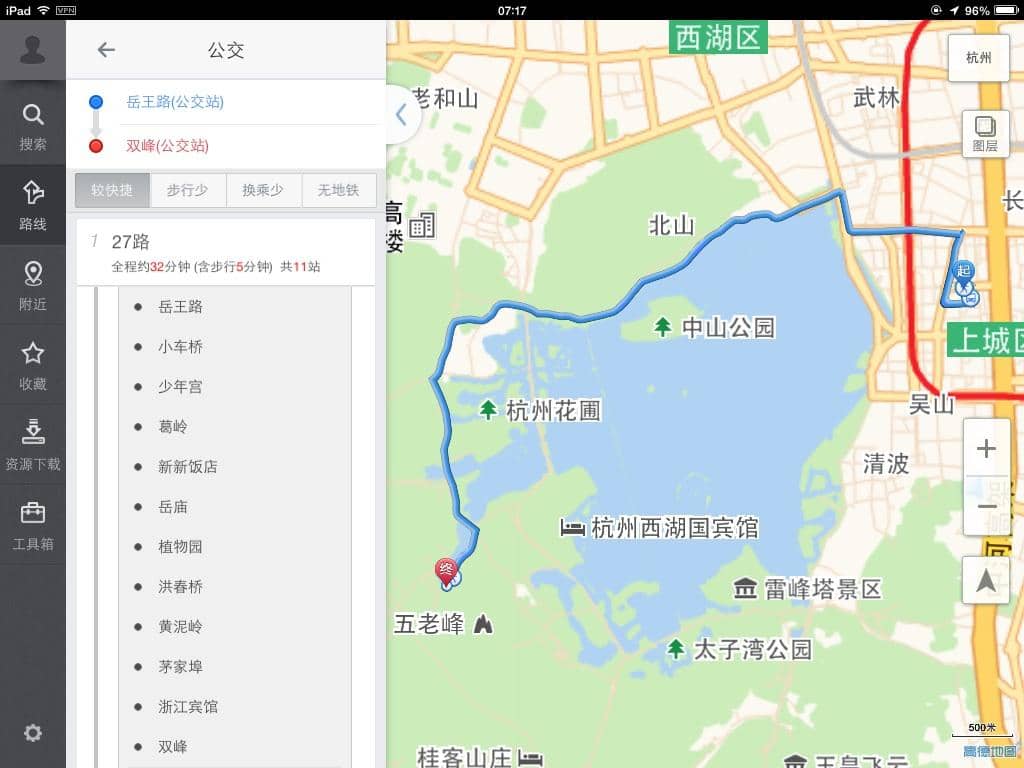
The museum is a bit secluded, but accessible. Many visitors recommend using ride-sharing apps like Didi (search for "中国茶叶博物馆" or "China National Tea Museum") to get there directly. Public transport might involve multiple transfers, so Didi is often the most convenient option for travelers.
While not explicitly detailed in reviews, the museum is located in a spacious area with gardens and plantations, suggesting parking is likely available. However, using ride-sharing services is a popular and stress-free alternative for many visitors.
For reaching the China National Tea Museum, ride-sharing apps like Didi are highly recommended for their convenience and directness. For general travel within Hangzhou, the city has a good public transport system including metro and buses, but for this specific location, a taxi or ride-share is often preferred.
🎫 🎫 Tickets & Entry
No, entry to the China National Tea Museum and its grounds is completely free! Visitors have consistently mentioned that no tickets are required, making it a great budget-friendly activity.
Specific opening hours are not consistently mentioned in reviews, but it's generally recommended to visit during daylight hours to fully enjoy the gardens. Weekday mornings are often suggested for a more peaceful experience.
While locals might be required to scan a QR code, foreign visitors typically just need to present their passports and sign a guest book at the reception. The process is usually smooth and welcoming.
Yes, you can visit without a reservation. The free entry and straightforward sign-in process for foreigners mean you can typically walk in without prior booking.
🎫 🧭 Onsite Experience
You can explore exhibits on tea history and culture, wander through beautiful gardens with lotus ponds and koi fish, and even walk through Longjing tea plantations. Some visitors also mention tea tasting sessions.
Yes, most of the exhibits have descriptions available in both Chinese and English, making it easy for international visitors to learn about tea culture.
Absolutely! The museum is consistently described as a serene, peaceful, and relaxing place, especially the well-maintained gardens. It's a great spot to unwind.
While the focus is on exhibits and the natural beauty of the grounds, some visitors have mentioned tea tasting sessions. The overall experience is immersive due to the tranquil environment and historical context.
The atmosphere is overwhelmingly described as tranquil, serene, and beautiful. It's a place to appreciate the quietude and the deep cultural significance of tea in China.
🍽️ 🍽️ Food & Dining
While there isn't extensive information on dining facilities within the museum itself, there are tea houses nearby. Some visitors mention a tea house close to the Longjing tea plantations.
Yes, some visitors have reported tea tasting sessions being available inside the museum. It's advisable to inquire at the reception upon arrival for details and availability.
The surrounding areas, especially if you venture slightly away from the immediate museum grounds, will offer various local Hangzhou cuisine options. However, the museum itself is more focused on the tea experience.
📸 📸 Photography
Definitely! The museum's serene gardens, traditional architecture, and surrounding tea plantations offer numerous picturesque spots for photography.

The tranquil gardens with lotus ponds and koi fish, the traditional museum buildings, and the Longjing tea fields are all excellent for capturing beautiful shots.
No specific restrictions are mentioned in reviews, so general museum etiquette should apply. Be mindful of other visitors and avoid flash photography in exhibit areas if it seems disruptive.
Visitors often capture the natural beauty of the gardens, the architectural details of the museum, and the serene atmosphere. It's a great location for landscape and cultural photography.
For Different Travelers
Tailored advice for your travel style
👨👩👧 Families with Kids
Consider making it a part of a larger day exploring Hangzhou's natural attractions. Pack some snacks and drinks, as dining options directly within the museum might be limited. The free entry is a significant plus for families looking for affordable activities. Encourage them to look for the different types of plants and animals in the gardens, turning the visit into a gentle nature exploration.
🌿 Nature & Garden Enthusiasts
Beyond the immediate museum grounds, the opportunity to walk through the Longjing tea plantations offers a unique agricultural and scenic experience. This allows visitors to connect directly with the source of one of China's most celebrated teas, providing a deeper understanding of its cultivation and the landscape it thrives in.
🧘 Solo Travelers Seeking Peace
Take advantage of the free entry and spend a few hours simply enjoying the serenity. The well-maintained grounds offer plenty of quiet spots to sit, observe, and perhaps even enjoy a moment of quiet reflection with a cup of tea from a nearby vendor if available. It's a perfect escape from the usual tourist hustle.
Deep Dives
In-depth insights and expert knowledge
The Art of Chinese Tea Culture
Beyond the historical and agricultural aspects, the museum highlights the philosophical and spiritual dimensions of tea. Many Chinese tea ceremonies are designed to foster mindfulness, harmony, and respect. The serene environment of the museum itself, with its beautiful gardens and traditional architecture, aims to evoke this sense of calm and contemplation that is central to the tea ceremony experience.
For visitors, this means more than just looking at artifacts. It's an opportunity to gain a deeper appreciation for a cornerstone of Chinese heritage. Whether you're a seasoned tea enthusiast or a curious traveler, the museum offers a comprehensive and enlightening journey into the world of Chinese tea.
Exploring the Museum's Tranquil Grounds
Visitors are encouraged to take their time strolling through these gardens, which are often described as mature and lush, filled with a variety of trees and flowers. The presence of water features and the natural greenery contribute to a deeply calming and restorative atmosphere. It’s the perfect place to pause, reflect, and enjoy the natural beauty that complements the cultural exhibits indoors.
Adjacent to the museum, you can also explore the Longjing tea plantations. Walking through these fields offers a direct connection to the source of one of China's most famous teas. It provides a unique perspective on tea cultivation and adds another layer to the overall experience, making the visit a holistic immersion into the world of tea.



Social
from TikTok, Instagram & Reddit