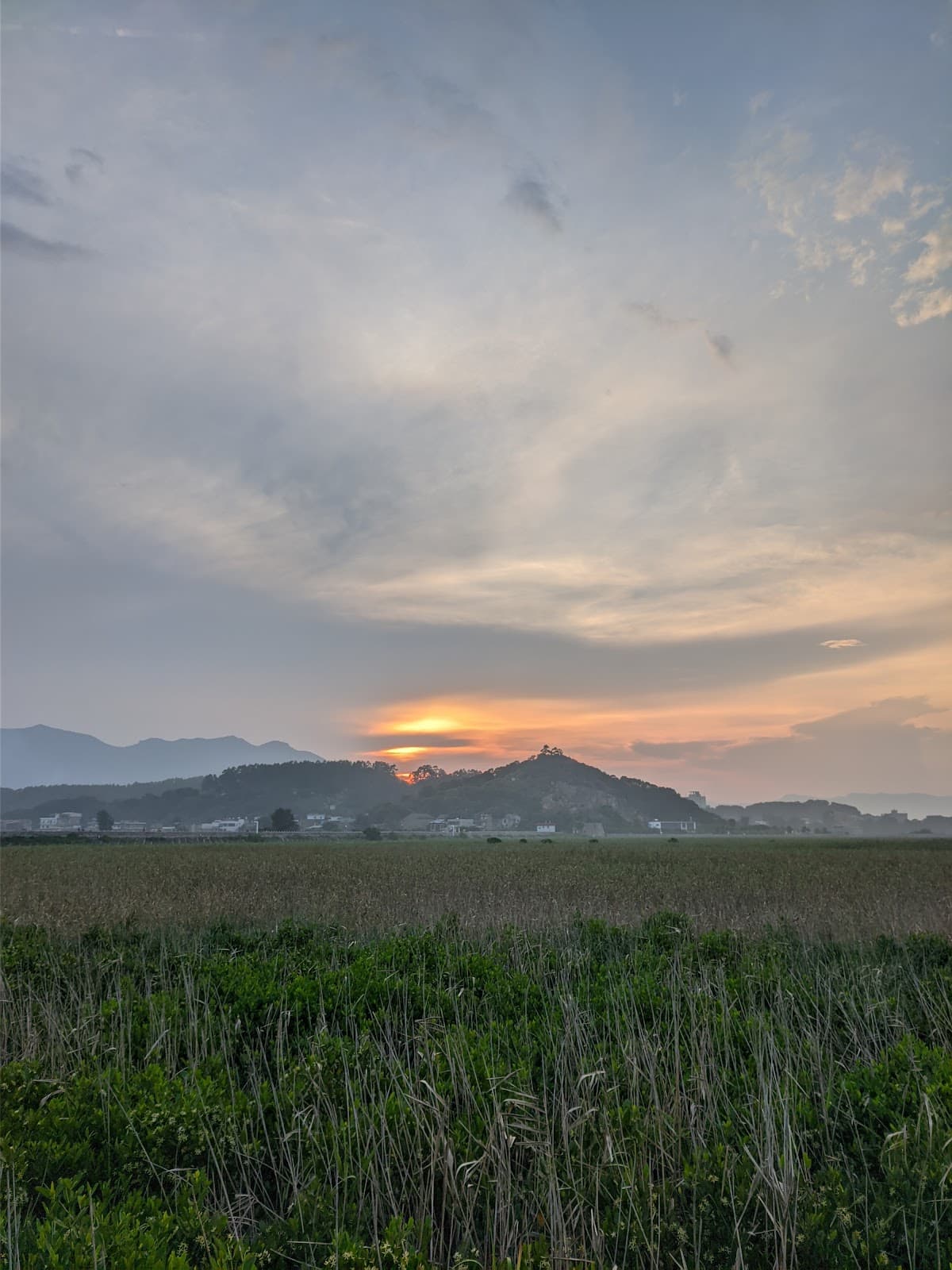
Minjiang Estuary Wetland Reserve
A vital coastal habitat teeming with birdlife and fascinating marine creatures, offering a natural escape.
Highlights
Must-see attractions

Social
From TikTok & Reddit
Best Time
Peak bird diversity
Minjiang Estuary Wetland Reserve
Best Time
Peak bird diversity
Highlights
Must-see attractions
A vital coastal habitat teeming with birdlife and fascinating marine creatures, offering a natural escape.
"A good park for observing local wildlife and the sea. Lots of little crabs. A good place to visit."

🎯 Plan Around Tides
Visit during low tide to see birds concentrated on exposed mudflats. :wave:
🐦 Best Birding Times
Mornings (around 7 AM) for foraging, evenings for returning to nests. :sunriseovermountains:
Highlights
Discover the most iconic attractions and experiences
Little Swan Sightings
Wetland Park
Witness the majestic Little Swan, a star species and nationally protected bird, typically seen from November to late February.
Geese and Duck Spectacle
Intertidal Zone
Observe large numbers of wintering migratory birds like Swan Geese and Mallards, especially active during November and December.

Coastal Wildlife
Shoreline
Explore the shoreline for fascinating local wildlife, including numerous small crabs scuttling across the sand.
Plans like a pro.
Thinks like you
Planning Your Visit
Best Birdwatching Seasons
Tidal Timing is Key
Best Times
Insider Tips
from TikTok, Instagram & Reddit
🎯 Plan Around Tides
Visit during low tide to see birds concentrated on exposed mudflats. :wave:
🐦 Best Birding Times
Mornings (around 7 AM) for foraging, evenings for returning to nests. :sunriseovermountains:
🦢 Winter Migratory Birds
Nov-Feb is prime time for geese and ducks, with Little Swans also present. :duck:
🦀 Coastal Critters
Don't miss the abundant small crabs along the shore! :crab:
Tips
from all over the internet
🎯 Plan Around Tides
Visit during low tide to see birds concentrated on exposed mudflats. :wave:
🐦 Best Birding Times
Mornings (around 7 AM) for foraging, evenings for returning to nests. :sunriseovermountains:
🦢 Winter Migratory Birds
Nov-Feb is prime time for geese and ducks, with Little Swans also present. :duck:
🦀 Coastal Critters
Don't miss the abundant small crabs along the shore! :crab:
🌸 Spring Bird Variety
March offers a broader range of migratory bird species. :cherry_blossom:
What Travellers Say
Reviews Summary
Visitors find the Minjiang Estuary Wetland Reserve a worthwhile destination for observing local wildlife and the sea, particularly enjoying the abundance of small crabs. Birdwatching is a major draw, with specific seasons recommended for viewing different species like swans and migratory waterfowl. Some visitors noted limited bird species and timid behavior during certain times of the year.
"home sweet home!"
cheng Zhou
"In November, there were fewer birds, and the species were relatively limited. This was probably the case for me during this season, mostly small white and gray cranes. There wasn't much vegetation around, so the birds were rather timid. I'd like to go again in March.
Birdwatching Species and Time:
Little Swan: November to late February, a star species in the wetland park, and a nationally protected species of Class II status.
Geese and Ducks (such as Swan Geese and Mallards): Peak in numbers from November to December, making them the main wintering migratory birds.
Other migratory birds, such as Black-faced Spoonbills, White Spoonbills, Shrike Sandpipers, and Black-winged Stilts, also appear in large numbers during this time.
Daily Birdwatching Times:
Around 7:00 AM: Geese and ducks are actively foraging, making it ideal for observing feeding behavior.
Evening: Birds return to their nests, activity is high, and the light is soft, making it ideal for photographing.
Tidal Influence: Low tide exposes the intertidal zone, allowing birds to cluster and become easier to observe."
古川
"A good park for observing local wildlife and the sea. Lots of little crabs. A good place to visit."
Chenxing Chi
What People Like
What People Dislike
Frequently Asked Questions
🚇 🗺️ Getting There
Information on public transport or driving directions to the reserve is not readily available in the provided content. It's recommended to check local transport guides or use navigation apps for the most up-to-date routes.
Details regarding parking facilities are not specified. It's advisable to inquire with local authorities or check the reserve's official website if available.
Exploring during low tide is recommended for optimal birdwatching. Consider walking along the shoreline to observe local wildlife like crabs.
🎫 🎫 Tickets & Entry
The provided reviews do not mention ticket prices or entry fees. It's best to check the official website or contact the reserve directly for current admission information.
Specific opening and closing times are not detailed in the reviews. It's recommended to verify operating hours before your visit.
Information about guided tours is not provided. Visitors may need to explore independently or seek local guides if available.
🎫 🐦 Birdwatching & Wildlife
You can see Little Swans (Nov-Feb), Geese and Ducks like Swan Geese and Mallards (peak Nov-Dec), and other migratory birds like Black-faced Spoonbills, White Spoonbills, Shrike Sandpipers, and Black-winged Stilts.
March is ideal for a wider variety of species. November to February is good for geese and ducks, while Little Swans are present during this period.
Around 7:00 AM is great for observing geese and ducks foraging. Evenings are good for watching birds return to their nests.
Low tide is crucial as it exposes the intertidal zone, allowing birds to cluster and become easier to observe.
The reserve is home to local wildlife, including many small crabs along the sea.
📸 📸 Photography
Evenings are ideal for photography as birds return to their nests and the light is soft.
Birdwatching photography is a major draw, especially during peak seasons. Wildlife and landscape photography are also popular.
The intertidal zone during low tide offers excellent opportunities to photograph large groups of birds. The shoreline is good for capturing crabs.
For Different Travelers
Tailored advice for your travel style
👨👩👧 Families with Kids
📸 Photography Enthusiasts
Deep Dives
In-depth insights and expert knowledge
Understanding the Tides for Optimal Viewing
Many visitors recommend planning their visit around these tidal patterns. The intertidal zone becomes a natural stage for bird activity, offering unparalleled opportunities to witness feeding behaviors and social interactions. This natural phenomenon is a key reason why the reserve is a significant habitat for migratory birds. Embrace the rhythm of the sea to truly appreciate the dynamic ecosystem of the Minjiang Estuary.
Seasonal Birdwatching Guide
From November to February, the reserve becomes a crucial wintering ground for many species. This period is particularly noted for large numbers of geese and ducks, including the iconic Little Swan, a nationally protected species.



Social
from TikTok, Instagram & Reddit