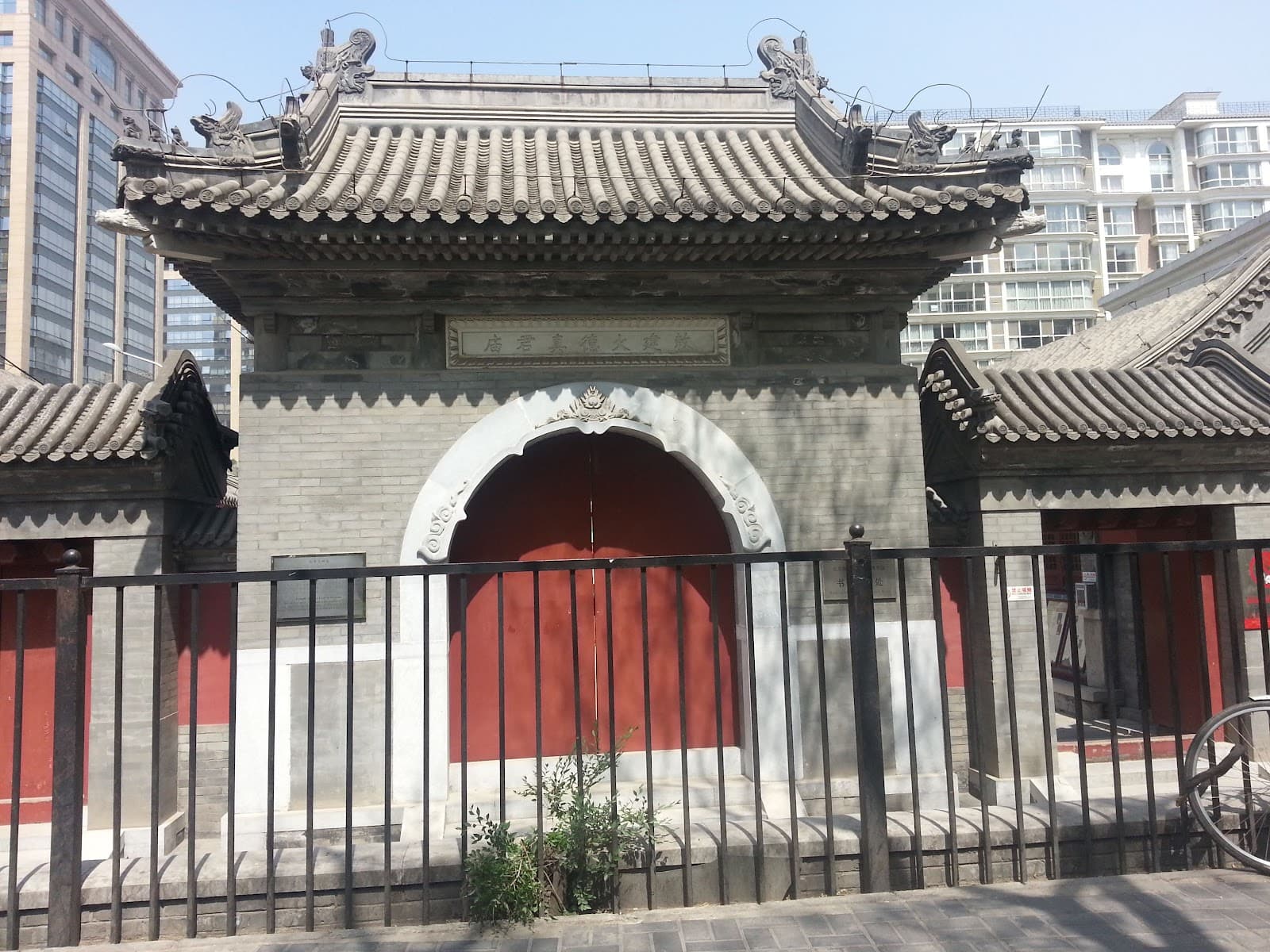
Fire God Temple
Ateshgah, Azerbaijan's 'Temple of Eternal Fire,' captivates with natural flames and ancient religious history. Beijing's Fire Virtue Temple is a histo...
Highlights
Must-see attractions

Social
From TikTok & Reddit
Best Time
Pleasant weather for exploring
Fire God Temple
Best Time
Pleasant weather for exploring
Highlights
Must-see attractions
Ateshgah, Azerbaijan's 'Temple of Eternal Fire,' captivates with natural flames and ancient religious history. Beijing's Fire Virtue Temple is a historical library.
"Witness the ancient flames at Ateshgah, a testament to Azerbaijan's 'Land of Fire' heritage."
🎯 Beijing's Fire Temple is a Library
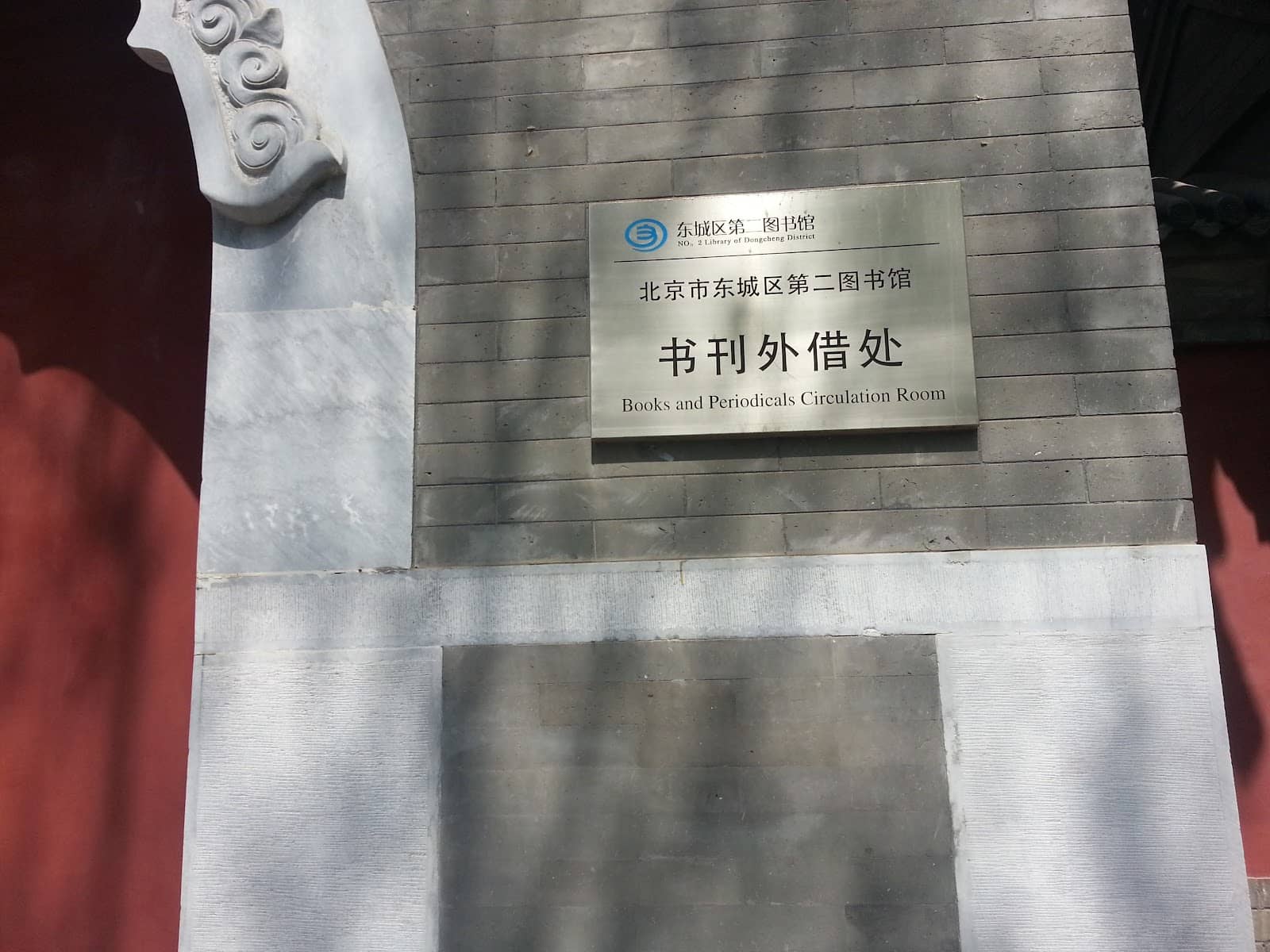
Don't expect a typical temple experience in Beijing; it functions as a library. Manage expectations accordingly!
🔥 Ateshgah: Land of Fire
Azerbaijan is known as the 'Land of Fire' due to sites like Ateshgah. Embrace the fiery history!
Highlights
Discover the most iconic attractions and experiences
Ateshgah's Eternal Flames
Baku, Azerbaijan
Witness the ancient, natural gas-fed flames that have drawn worshippers for centuries. A truly mesmerizing sight!
Historical Architecture
Ateshgah, Baku
Explore the unique castle-like structure, a blend of religious and defensive architecture with intricate stone carvings.
Cultural Significance
Ateshgah, Baku
Discover its history as a sacred site for Zoroastrians, Hindus, and Sikhs, reflecting Azerbaijan's multicultural past.
Beijing Fire Virtue Temple
Dongcheng District, Beijing
A historical Taoist temple, now a cultural relic and former library, offering a glimpse into Beijing's past.
Plans like a pro.
Thinks like you
Planning Your Visit
Understand Its True Nature
Timing is Key for Ateshgah
Best Times
Insider Tips
from TikTok, Instagram & Reddit
🎯 Beijing's Fire Temple is a Library
Don't expect a typical temple experience in Beijing; it functions as a library. Manage expectations accordingly!
🔥 Ateshgah: Land of Fire
Azerbaijan is known as the 'Land of Fire' due to sites like Ateshgah. Embrace the fiery history!
🚶♀️ Wear Comfortable Shoes
You'll be doing a lot of walking, especially at the Ateshgah. Comfortable footwear is a must.
📸 Capture the Flames
The natural flames at Ateshgah are a photographer's dream. Visit during golden hour for stunning shots.
Tips
from all over the internet
🎯 Beijing's Fire Temple is a Library
Don't expect a typical temple experience in Beijing; it functions as a library. Manage expectations accordingly!
🔥 Ateshgah: Land of Fire
Azerbaijan is known as the 'Land of Fire' due to sites like Ateshgah. Embrace the fiery history!
🚶♀️ Wear Comfortable Shoes
You'll be doing a lot of walking, especially at the Ateshgah. Comfortable footwear is a must.
📸 Capture the Flames
The natural flames at Ateshgah are a photographer's dream. Visit during golden hour for stunning shots.
🗺️ Check Location Carefully
Ensure you're heading to the correct 'Fire God Temple' – Ateshgah in Baku or the historical site in Beijing.
What Travellers Say
Reviews Summary
Visitors often highlight the mesmerizing natural flames and unique historical significance of the Ateshgah Fire Temple in Azerbaijan, calling it a must-see. However, some find the Beijing Fire God Temple to be more of a historical library than a traditional tourist attraction, which can lead to unmet expectations for those seeking a typical temple experience.
"Not a tourist attraction. It's a library."
Paulo Dutra
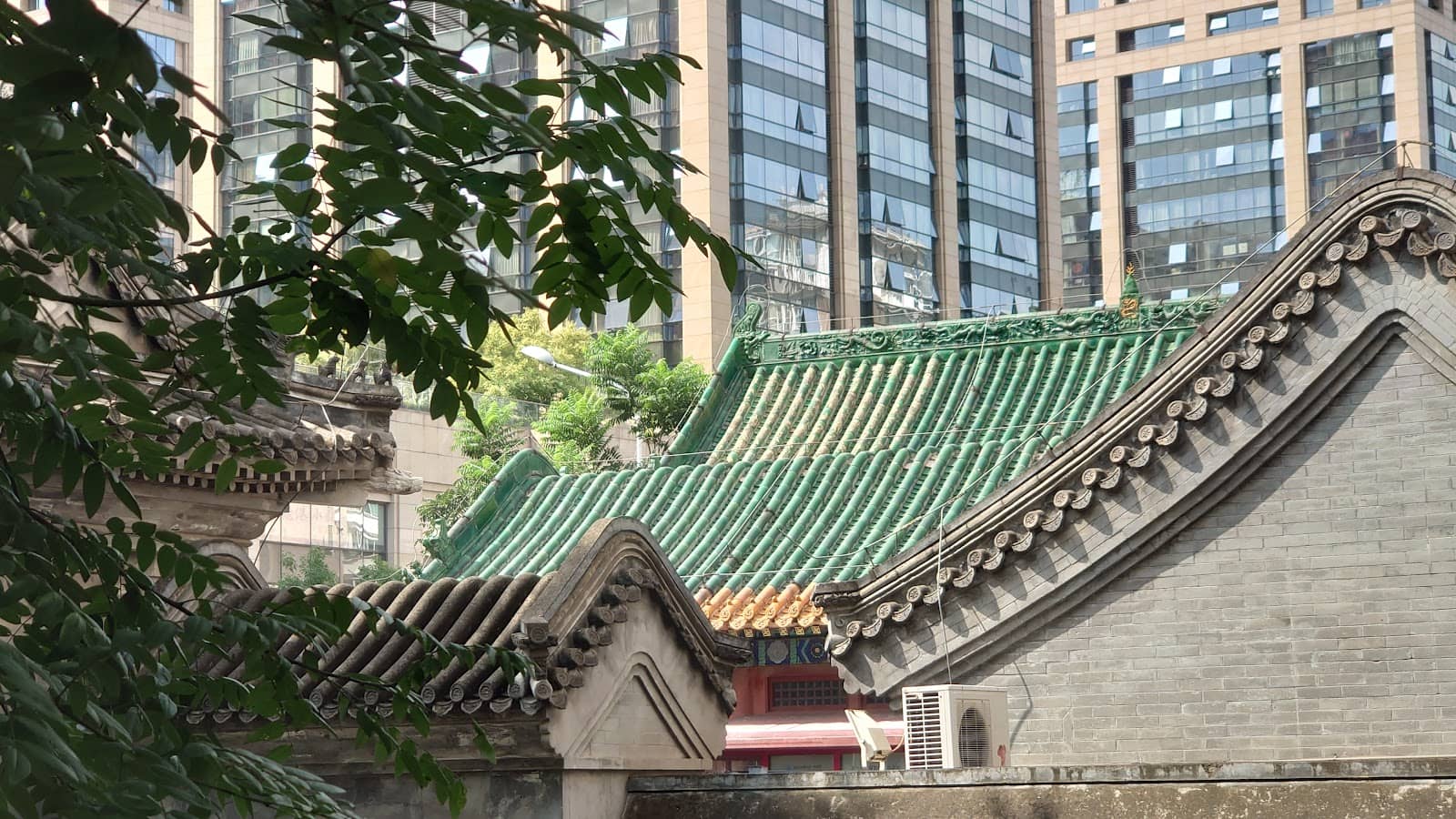
"The Fire God Temple in Huaershi, officially named the Fire Virtue Temple, is a Taoist temple with a long history on Xihuashi Street in Dongcheng District, Beijing. The main deity is the Fire Virtue of the South, and the co-deity is the Zhenwu Emperor of the North. The Fire God Temple was first built in the second year of the Longqing reign of the Ming Dynasty (1568) as a branch of the Wuyuan Temple in Shenmuchang, and was dedicated to the Fire Virtue Temple. It was rebuilt in the 41st year of the Qianlong reign of the Qing Dynasty (1776). [1] According to the "Chenyuan Shilue", "The Fire God Temple is located in Huaershi. It was built in the second year of the Longqing reign of the Ming Dynasty (1568) as a branch of the Wuyuan Temple in Shenmuchang. There is a stele of Li Qi, the Right Minister of Justice during the Wanli reign. It was rebuilt in the 41st year of the Qianlong reign of the Qing Dynasty (1776). There is a stele of Cui Yingjie, the Left Censor-in-Chief. The market is open from the front of the temple to the west gate on the fourth day of each month." The temple building has been damaged by fire many times. The Beijing Municipal Archives holds a "Report from Qi Yanzhang, the Abbot of the Fire God Temple in the Outer Third District, on the Renovation of the Temple Buildings" dated September 11, 1939. It states: "Due to carelessness on June 7 of this year, the North Hall in the back yard of this temple, along with the Jade Emperor Pavilion upstairs, totaling six rooms, was burned down. Five rooms each in the east and west side halls, a canopy, and the three-room back slope of the Fire God Temple in the front yard were also burned down. It is planned to renovate the North Hall in the back yard and the six-room building into a gray building with a corridor." The shed has three large rooms. The original five east and west side rooms will be renovated as before, and the rear slope of the Fire God Temple, which was burned in the front yard, will be renovated. The three east side rooms in the front yard will also be renovated, while the three west side rooms will have their rear eaves and roofs demolished. The second bell and drum tower will be repaired and repainted. The wooden fence in front of the gate will be repaired and painted, and the flagpole will be renovated. In 1928, the first national martial arts hall in Daxing County, Beijing, was established in the temple. Baguazhang successor Cheng Tinghua (known as "Cheng with Glasses") taught his students here. During the Qing Dynasty, the backyard of the Fire God Temple was used as a "water association" responsible for firefighting. In 2003, the Fire God Temple was designated a Beijing Municipal Cultural Relic Protection Unit, and renovations began that same year. During the renovation of the main hall's ceiling, two plaques dating from the Kangxi reign were discovered: one with gold characters on a blue background reading "Li Zhao Si Quan" (Libi Zhao Si Quan), and the other with black characters on a gold background reading "De Fu Yang Guang" (De Fu Yang Guang). Both plaques feature a red inscription reading "Xian" (De Fu Yang Guang) in the middle. A plaque from the third year of the Tongzhi reign, inscribed "Yang Qi Shen Wei," was also discovered hanging on the front of the main hall's side porch. After the renovation, the Chongwen District Library used the temple as a temporary lending area as it prepared to renovate its new building on the original site on Xingfu Street. After Chongwen District was incorporated into Dongcheng District, the temple became the temporary lending area for the Dongcheng District Library."
xinya tony
What People Like
What People Dislike
Frequently Asked Questions
🚇 🗺️ Getting There
The Ateshgah Fire Temple is located about 30 km from Baku city center. You can take a taxi or use ride-sharing apps like Bolt. Public buses are also an option, though they may require transfers. +1
The Fire God Temple in Beijing (now a library) is located on Xihuashi Street in Dongcheng District, which is generally accessible by public transport within the city.
From Heydar Aliyev International Airport (GYD), a taxi or pre-booked transfer is the most convenient way to reach the Ateshgah Fire Temple, as it's a significant distance.
Yes, many tour operators in Baku offer guided tours that include the Ateshgah Fire Temple, often combined with other attractions like Yanardag (Fire Mountain).
Yes, the Fire God Temple in Beijing is accessible via Beijing's extensive subway and bus network. Check local transit apps for the most current routes and stops.
🎫 🎫 Tickets & Entry
The Ateshgah Fire Temple typically opens around 9 AM and closes at 6 PM or 7 PM, but it's always best to check the latest hours before your visit, as they can vary seasonally.
Admission fees for the Ateshgah Fire Temple are generally quite affordable, usually a few Azerbaijani Manat. Prices can be found on-site or through tour providers.
Since the Fire God Temple in Beijing now functions as a library, entry is typically free or subject to library access policies. It's not a ticketed tourist attraction in the traditional sense.
While not a regular occurrence, sometimes cultural performances or demonstrations related to Zoroastrianism or local traditions might be held at the Ateshgah. Inquire locally for any scheduled events.
The historical nature of the Ateshgah means some areas might have uneven terrain. It's advisable to contact the site directly for specific accessibility information.
🎫 🧭 Onsite Experience
At Ateshgah, you can explore the temple complex, see the eternal flames, learn about its history through exhibits, and admire the unique architecture. +1
If you're interested in Beijing's historical religious sites and its evolution into a modern city, the Fire God Temple offers a unique perspective, though it's more of a historical library now.
A visit to the Ateshgah Fire Temple typically takes 1-2 hours, allowing time to explore the grounds and read the informational displays.
Photography rules inside the Beijing Fire God Temple (library) will depend on library policy. It's best to check on-site or ask staff before taking pictures.
The flames are fueled by natural gas seeping from the ground, a phenomenon that has made the site sacred for fire-worshipping religions for centuries. +1
📸 📸 Photography
Late afternoon, during the 'golden hour,' offers the most dramatic lighting for photographing the Ateshgah and its flames. Early mornings can also be beautiful and less crowded.
As it's primarily a library, photography might be restricted in certain areas. Respect the quiet environment and any posted signage.
Popular shots include close-ups of the flames, wide-angle views of the temple complex, and details of the intricate stone carvings.
Drone usage is generally restricted at historical and religious sites. It's highly unlikely to be permitted at Ateshgah without special authorization.
For the flames, a tripod is recommended for stability, especially in lower light. Experiment with aperture to control depth of field and shutter speed to capture flame movement.
For Different Travelers
Tailored advice for your travel style
👨👩👧 Families with Kids
In Beijing, the Fire Virtue Temple is less of a typical family attraction. As it functions as a library, it's more suited for families interested in quiet historical exploration or those who appreciate the literary aspect. It might not hold the same immediate appeal for very young children compared to more interactive sites.
🏛️ History Buffs
For those interested in Chinese history, the Fire Virtue Temple in Beijing provides insight into Taoist traditions, imperial dynasties, and the transformation of historical sites. Its role as a former martial arts training ground and its current function as a library add layers to its historical narrative.
📸 Photographers
The Fire Virtue Temple in Beijing offers more subtle photographic opportunities, focusing on architectural details, historical inscriptions, and the serene atmosphere of a cultural relic. Respect any signage regarding photography, especially within the library areas.
Deep Dives
In-depth insights and expert knowledge
The Two Faces of 'Fire God Temple'
Conversely, the Ateshgah Fire Temple near Baku, Azerbaijan, is a renowned historical and religious site. This castle-like structure was a place of worship for Zoroastrians, Hindus, and Sikhs, famous for its natural gas vents that fueled eternal flames. It's a significant tourist attraction, offering a glimpse into ancient fire-worshipping traditions.
It's crucial to clarify which 'Fire God Temple' you intend to visit to ensure your expectations align with the reality of the site. The Beijing location offers historical context and architectural interest, while the Azerbaijani site provides a more direct encounter with ancient religious practices and natural phenomena.
Ateshgah: A Symbol of Azerbaijan's 'Land of Fire'
The current structure of Ateshgah dates primarily from the 17th to 19th centuries, built by devotees who came to the site. It's a fascinating blend of religious architecture and defensive fortifications, with cells and a central altar. The inscriptions found within the temple provide evidence of its diverse religious history, with some in Sanskrit and Punjabi.
Visiting Ateshgah offers a unique opportunity to connect with ancient spiritual practices and witness a remarkable natural wonder. The site serves as a powerful symbol of Azerbaijan's rich cultural heritage and its deep historical connection to fire.
The Beijing Fire Virtue Temple: History and Transformation
Historical records indicate that the temple grounds were also used for other purposes over time. In the Qing Dynasty, its backyard served as a 'water association' responsible for firefighting. Later, in 1928, it housed the first national martial arts hall in Daxing County, where prominent martial artists taught.
In recent times, after extensive renovations in 2003, the Fire God Temple has been designated a Beijing Municipal Cultural Relic Protection Unit. However, its primary function today is as a library, serving as a temporary lending area for the Dongcheng District Library. This transformation highlights the evolving use of historical sites in modern urban environments, preserving heritage while adapting to contemporary needs.
Social
from TikTok, Instagram & Reddit