
Dule Temple Jizhou
A rare Liao Dynasty temple complex, Dule Temple boasts ancient wooden architecture and a colossal Guanyin statue, offering a glimpse into China's mill...
Highlights
Must-see attractions

Social
From TikTok & Reddit
Best Time
Fewer crowds, peaceful atmosphere
Dule Temple Jizhou
Best Time
Fewer crowds, peaceful atmosphere
Highlights
Must-see attractions
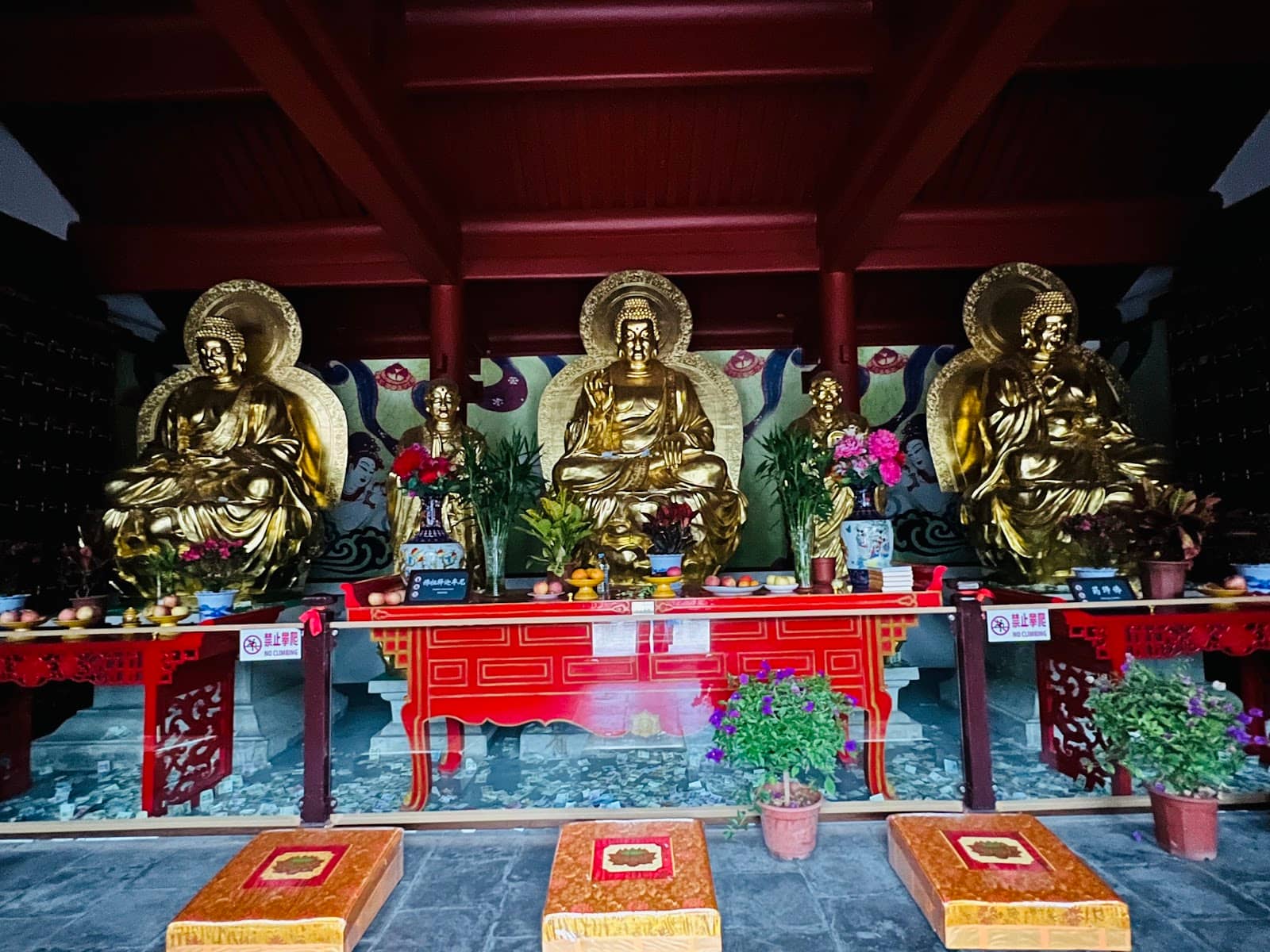
A rare Liao Dynasty temple complex, Dule Temple boasts ancient wooden architecture and a colossal Guanyin statue, offering a glimpse into China's millennium-old history.
"Magnificent temple with stunning Liao Dynasty architecture and a gigantic statue inside."

🤫 No Photos Inside
Photography is not allowed inside the main halls. Respect the rules to preserve the sanctity of the site.
🚶♀️ Wear Comfortable Shoes
You'll be doing a lot of walking around the temple grounds. Comfortable footwear is a must!
Highlights
Discover the most iconic attractions and experiences
Liao Dynasty Architecture
Main temple complex
Marvel at the remarkably preserved architecture from the Khitan Liao Dynasty, a testament to medieval craftsmanship.
 +1
+1Gigantic Guanyin Statue
Main Hall
Be awestruck by the immense statue of the Goddess of Mercy, a millennium-old masterpiece.

Ancient Inscriptions
Temple walls
Discover inscriptions rumored to be hand-painted by the legendary poet Li Bai, adding a layer of literary history.
Plans like a pro.
Thinks like you
Planning Your Visit
Timing Your Visit
Photography Etiquette
Best Times
Insider Tips
from TikTok, Instagram & Reddit
🤫 No Photos Inside
Photography is not allowed inside the main halls. Respect the rules to preserve the sanctity of the site.
🚶♀️ Wear Comfortable Shoes
You'll be doing a lot of walking around the temple grounds. Comfortable footwear is a must!
🕰️ Arrive Early
Beat the crowds and enjoy a more tranquil experience by visiting earlier in the day.
📜 Appreciate the History
Take time to learn about the temple's rich history and its significance in Chinese culture.
Tips
from all over the internet
🤫 No Photos Inside
Photography is not allowed inside the main halls. Respect the rules to preserve the sanctity of the site.
🚶♀️ Wear Comfortable Shoes
You'll be doing a lot of walking around the temple grounds. Comfortable footwear is a must!
🕰️ Arrive Early
Beat the crowds and enjoy a more tranquil experience by visiting earlier in the day.
📜 Appreciate the History
Take time to learn about the temple's rich history and its significance in Chinese culture.
What Travellers Say
Reviews Summary
Visitors consistently praise Dule Temple for its magnificent Liao Dynasty architecture and the awe-inspiring, colossal Guanyin statue. Many highlight the temple's historical significance and its remarkable preservation over a millennium. While photography is restricted inside, the overall experience is described as deeply moving and historically enriching.
"The temple of solitary joy (dule-独乐寺) dates from 984 and the inscription on it is said to be hand painted by the poet Li Bai. Worth it just for the stunning Liao Dynasty architecture and the huge Guanyin statue."
Micheal Harding
"One of the few surviving millenium Buddha sculpture inside the temple built in Medieval era, the Khitan Liao dynasty"
Udon L (Hylt)
"Full of history and i was really amazed with the gigantic statue inside the temple. Unfortunately, picture taking is not allowed."
Dave Sollorin
What People Like
What People Dislike
Frequently Asked Questions
🚇 🗺️ Getting There
Dule Temple is approximately an hour and 40 minutes' drive from Beijing. You can hire a car or take a bus from Beijing to Jizhou District, Tianjin.
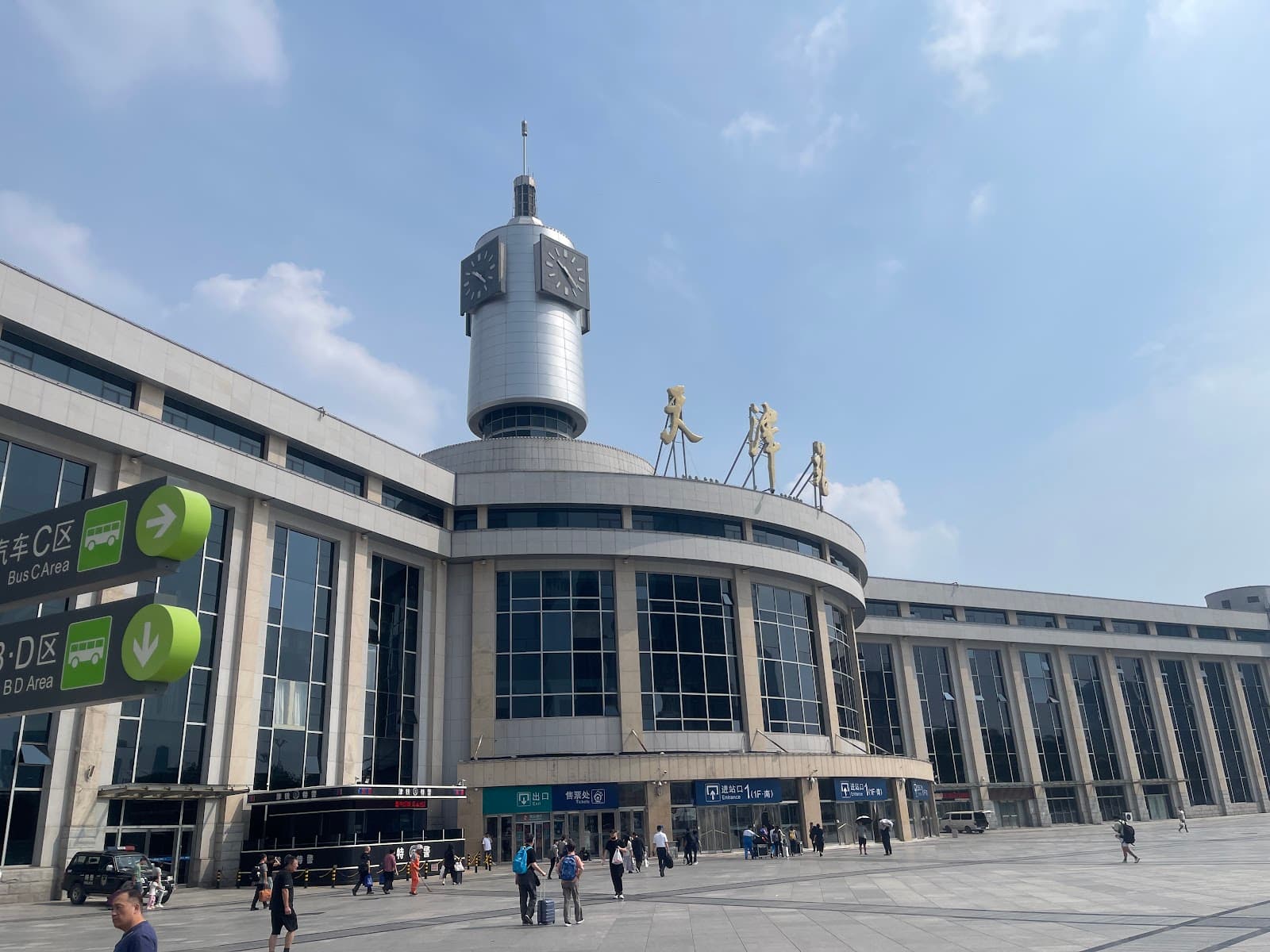
The most convenient way to reach Dule Temple is by car or taxi from Tianjin city center, which takes about 1.5 to 2 hours. Public transport options are available but may be less direct.
While direct public transport might be limited, you can take a bus or train to Jizhou District in Tianjin and then a local taxi or bus to the temple.
Dule Temple is located in Jizhou District, which is about 70-80 kilometers north of Tianjin's urban center.
Many visitors combine a trip to Dule Temple with other attractions in the Jizhou District for a full day of exploration.
🎫 🎫 Tickets & Entry
Dule Temple typically opens in the morning and closes in the late afternoon. It's advisable to check the most current hours before your visit, as they can vary seasonally.
Admission fees are generally modest. While specific prices can change, expect a reasonable entry fee for this significant historical site.
Advance booking is usually not required for Dule Temple, especially during off-peak times. However, during major holidays, it might be wise to check for any special ticketing arrangements.
As a place of worship and historical significance, it's respectful to dress modestly. Avoid overly revealing clothing.
Photography is strictly prohibited inside the main halls and near the Guanyin statue to preserve the artifacts and maintain the sacred atmosphere.
🎫 🏛️ Onsite Experience
The most striking features are the ancient Liao Dynasty architecture and the colossal, millennium-old statue of the Goddess of Mercy. +1
A visit of 1.5 to 2 hours is usually sufficient to explore the main areas and appreciate the historical significance.
Information about guided tours may be limited. It's recommended to research in advance or consider hiring a local guide if you desire in-depth historical context.
Dule Temple is a rare surviving example of architecture from the Khitan Liao Dynasty, which ruled from 907 to 1125 AD.
The temple grounds have some uneven surfaces and stairs. Visitors with mobility challenges may find it difficult to navigate certain areas.
🍽️ 🍽️ Food & Dining
There are local eateries and street food options available in Jizhou District, offering a taste of Tianjin's cuisine.
Given Tianjin's Muslim communities, you might find halal options, especially in areas like Shibei. It's always best to inquire locally. +1
Tianjin is known for its diverse street food, including Goubuli steamed buns and various noodle dishes.
Picnicking is generally not permitted within the temple complex itself. It's best to enjoy your meals at designated areas outside the temple.
Typically, there are no dining facilities within the temple complex itself. Visitors usually dine in the surrounding town or city.
📸 📸 Photography
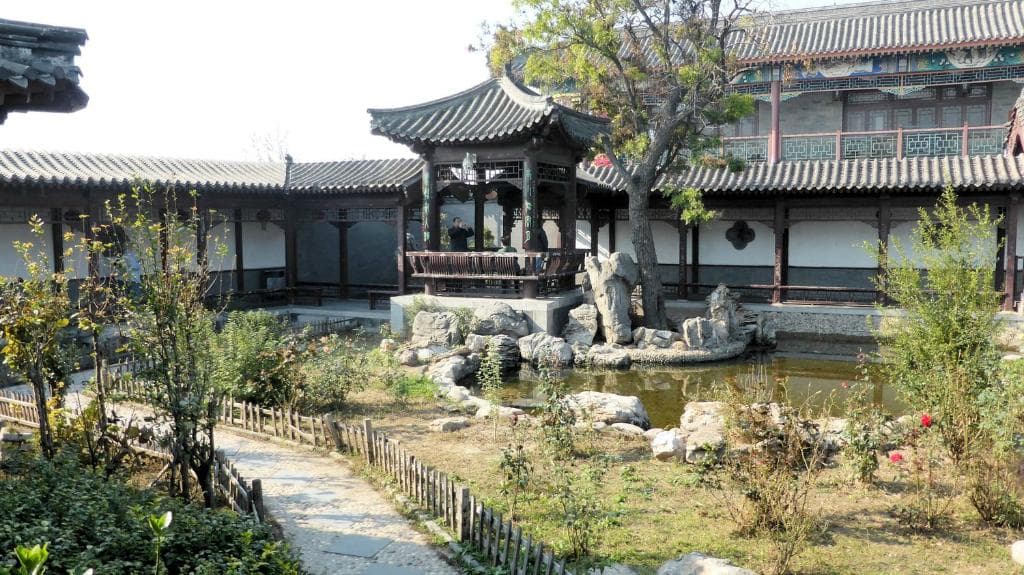
Focus on the exterior architecture, the temple gates, and the surrounding natural scenery. The ancient wooden pavilion is a prime subject.
Drone usage is likely restricted in and around historical and religious sites. It's essential to check local regulations before flying a drone.
The iconic, multi-storied wooden pavilion, known as the 'Great Buddha's Hall,' is a major draw for photographers.
Early morning or late afternoon light can offer beautiful photographic opportunities, especially for the temple's exterior.
A wide-angle lens is useful for capturing the scale of the architecture, while a standard zoom lens can capture details.
For Different Travelers
Tailored advice for your travel style
👨👩👧 Families with Kids
Keep in mind that the temple grounds can involve walking on uneven surfaces, so ensure children wear comfortable shoes.
🏛️ History Buffs & Culture Enthusiasts
+1 Spend time admiring the ingenious wooden joinery of the Great Buddha's Hall and ponder the historical significance of the ancient inscriptions. Delve into the temple's resilience against natural disasters and its role as a spiritual center for over a thousand years.
The colossal Guanyin statue is a masterpiece of ancient sculpture, offering a profound connection to the spiritual heritage of the era. 📸 Photographers
Capture the intricate details of the Liao Dynasty architecture and the temple's imposing gates. +1Explore the surrounding grounds for scenic views and unique angles. The temple's historical ambiance provides a rich backdrop for architectural photography.
Deep Dives
In-depth insights and expert knowledge
The Architectural Marvel of Dule Temple
Its resilience is a testament to the advanced engineering and craftsmanship of the Liao period. The temple also houses a collection of ancient murals and sculptures, offering a glimpse into the religious and artistic practices of the era. The main hall's construction is particularly noteworthy, with its soaring height and expansive interior designed to accommodate large religious ceremonies. Exploring these structures provides a tangible connection to China's rich historical past.
Visitors often express awe at the sheer age and preservation of these buildings. The Liao Dynasty's influence on Chinese architecture is evident in Dule Temple's design, making it a crucial site for understanding the evolution of temple construction in the region.
+1The Enigmatic Guanyin Statue
While photography is prohibited inside the hall where the statue is housed, its presence is deeply felt. Many visitors describe being amazed by its gigantic size and the spiritual aura it emanates.
Its survival through the ages is remarkable, making it a priceless artifact. The historical significance of the Guanyin statue cannot be overstated, offering a profound connection to the spiritual heritage of the Liao Dynasty and beyond.
Historical Context and Significance
+1 Founded in 984 AD, its existence spans over a millennium, enduring wars, natural disasters, and the relentless march of time. The temple's inscriptions are rumored to have been penned by the renowned Tang Dynasty poet Li Bai, adding a layer of literary mystique to its already rich history. The temple's resilience is a key aspect of its narrative. It has survived numerous earthquakes and the passage of centuries, standing as a testament to the robust construction techniques of the Liao era.
This enduring quality has cemented its status as a significant landmark for understanding medieval Chinese architecture and religious practices. For history enthusiasts and cultural explorers, Dule Temple offers a unique opportunity to step back in time and witness a tangible piece of China's ancient past. Its historical importance is recognized globally, drawing scholars and travelers interested in its unique architectural style and cultural legacy.
+1

Social
from TikTok, Instagram & Reddit